
20 Smart Dog Fence Ideas to Stop Escapes and Upgrade Your Yard
Written By:

Creating a secure and visually appealing outdoor space for your dog is not as simple as installing any fence. I learned this through experience—some fences looked great but failed in functionality, while others worked well but negatively impacted the overall appearance of the yard. The ideal solution combines safety, durability, and design.
In this guide, I’m sharing carefully evaluated dog fence ideas based on practical use, common challenges, and what actually works for different types of dogs and backyards. Whether your priority is security, low maintenance, or aesthetics, these ideas will help you make a well-informed decision.
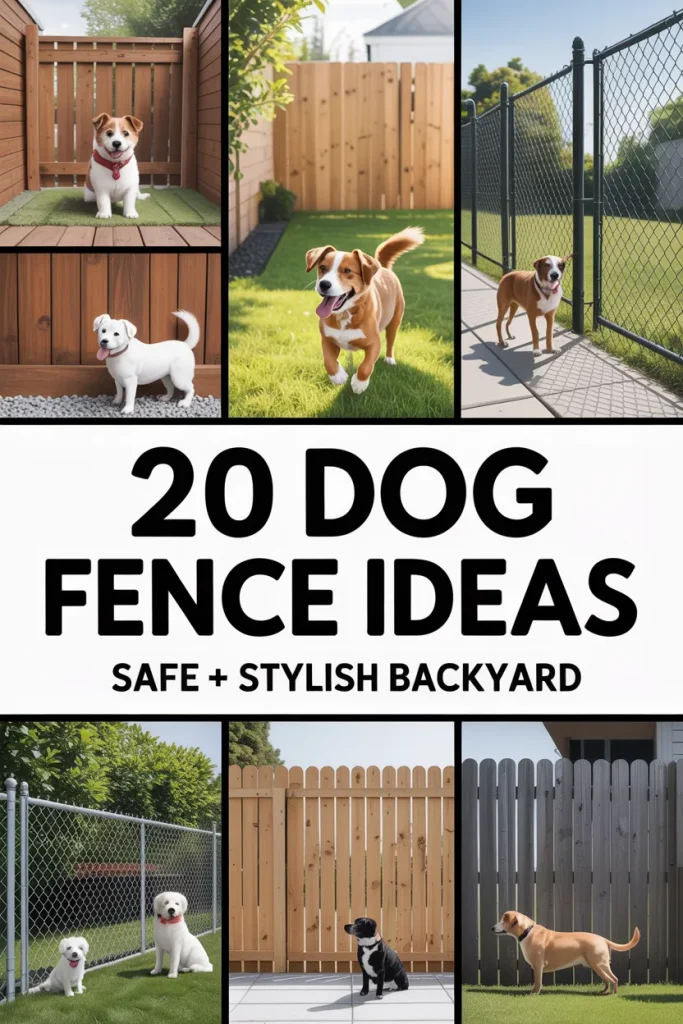
Quick Summary
- Select fencing based on your dog’s size, behavior, and activity level
- Prioritize durability to reduce long-term maintenance costs
- Privacy fencing helps reduce barking and external distractions
- Budget-friendly options can be effective when installed correctly
- A well-designed fence enhances both safety and property value
Key Takeaways
- Functionality should always come before aesthetics
- Fence height and spacing are critical for preventing escapes
- Low-maintenance materials like vinyl and PVC save time and effort
- Privacy elements can significantly improve your dog’s behavior
- Combining multiple materials often delivers the best results
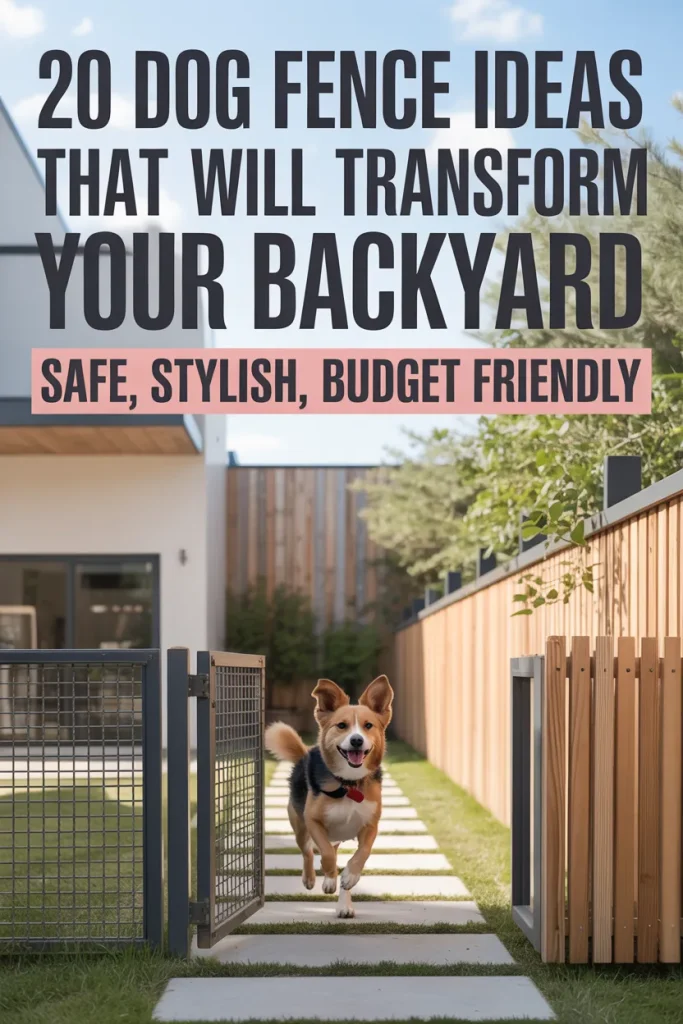
1. Wooden Picket Fence for a Classic Look
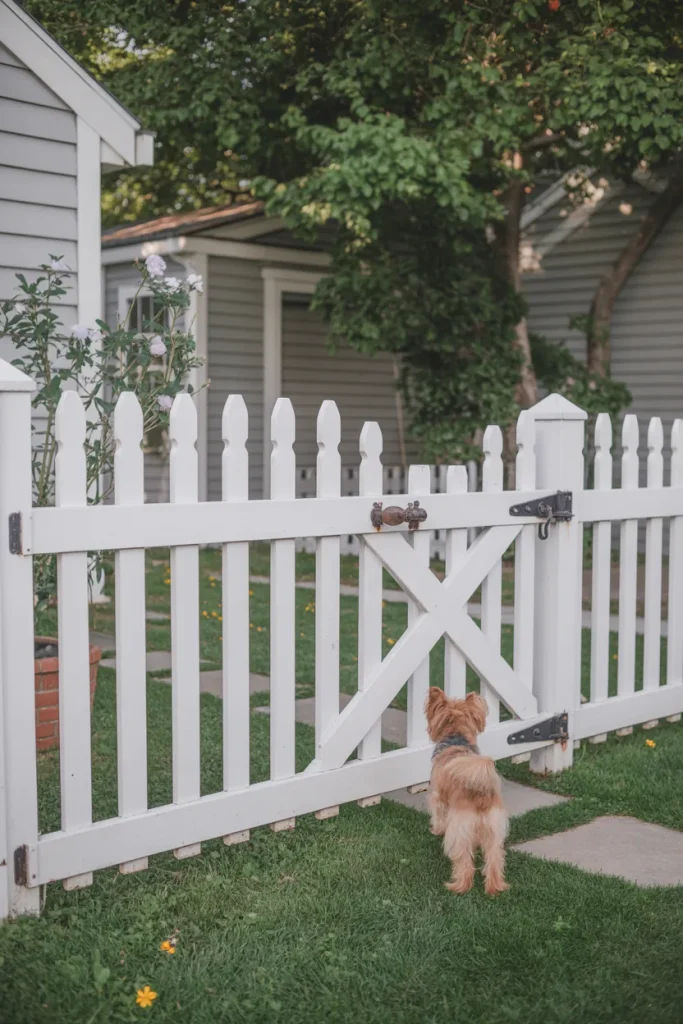
A wooden picket fence offers a timeless appearance and works well for small to medium-sized dogs. It blends easily with most home designs and can be customized in terms of height and spacing.
From my experience, spacing is the most overlooked factor. If the gaps are too wide, smaller dogs may attempt to squeeze through.
Pro Tip: Keep gaps narrow and consider adding a lower reinforcement layer if your dog is small or highly curious.
2. Chain-link Fence for Durability
Chain-link fencing is one of the most reliable and cost-effective options. It is strong, weather-resistant, and suitable for active or larger dogs.
While it may not be the most visually appealing choice, it performs exceptionally well in terms of security.
Pro Tip: Secure the bottom edge properly or install a ground barrier to prevent digging.
3. Invisible Fence for Open Landscapes
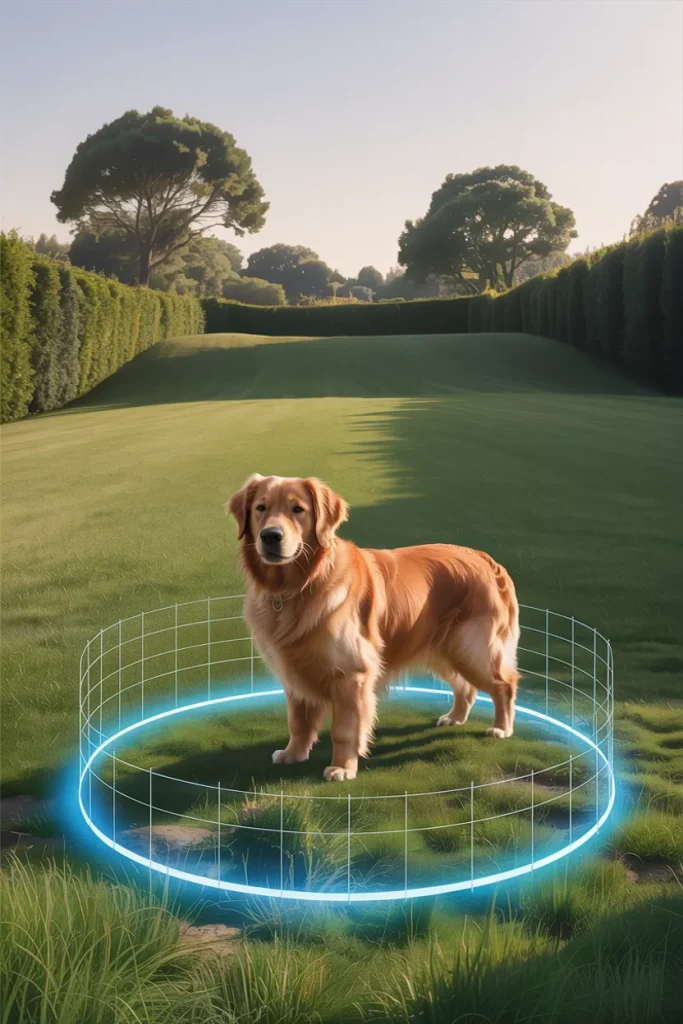
Invisible fences are ideal for maintaining open views while controlling your dog’s movement. However, they require consistent training and are not suitable for every dog.
In my experience, they work best for disciplined dogs rather than highly energetic or stubborn ones.
Pro Tip: Always combine the system with structured training sessions for reliable results.
4. Vinyl Fencing for Low Maintenance
Vinyl fencing is a long-term solution for homeowners who want minimal upkeep. It does not rot, fade, or require repainting.
It also provides a clean, modern appearance and full privacy when installed as solid panels.
Pro Tip: Choose UV-resistant vinyl to maintain color and durability over time.
5. Bamboo Fencing for an Eco-Friendly Option
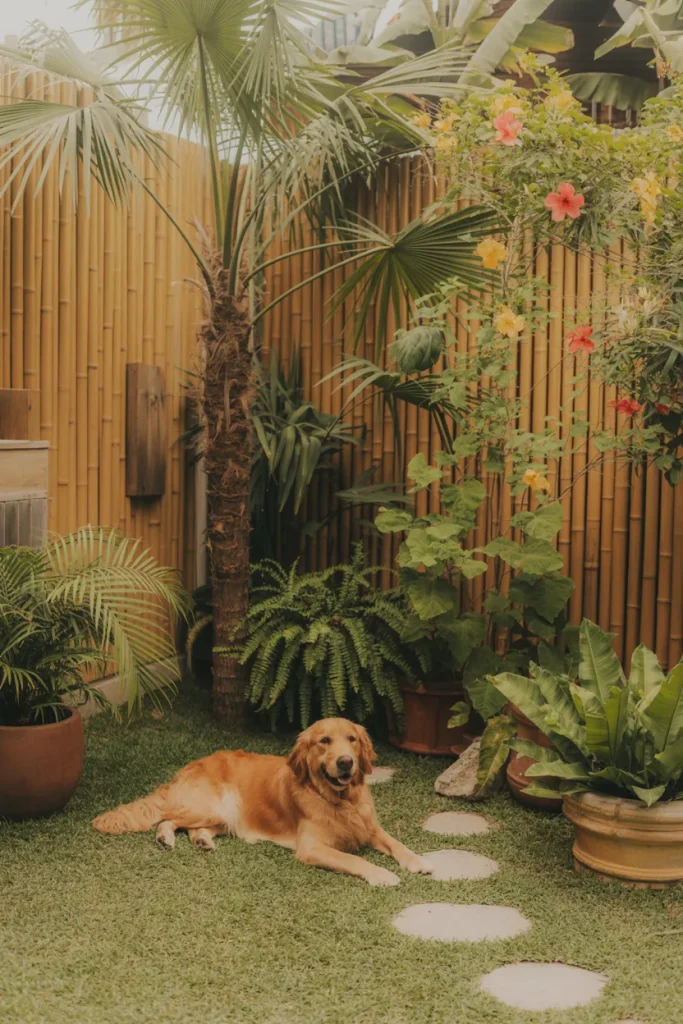
Bamboo fencing is a sustainable and visually appealing option that adds a natural feel to your backyard.
However, it may require reinforcement for larger or more aggressive dogs.
Pro Tip: Use bamboo as an outer design layer combined with a stronger inner fence for added security.
6. Privacy Fence for Ultimate Seclusion
Privacy fences are highly effective for reducing distractions and preventing reactive behavior. They create a calm and enclosed environment for your dog.
This option is particularly useful if your dog tends to bark at people or other animals.
Pro Tip: Opt for a height of at least 6 feet for medium to large dogs.
7. Wrought Iron Fence for Elegance
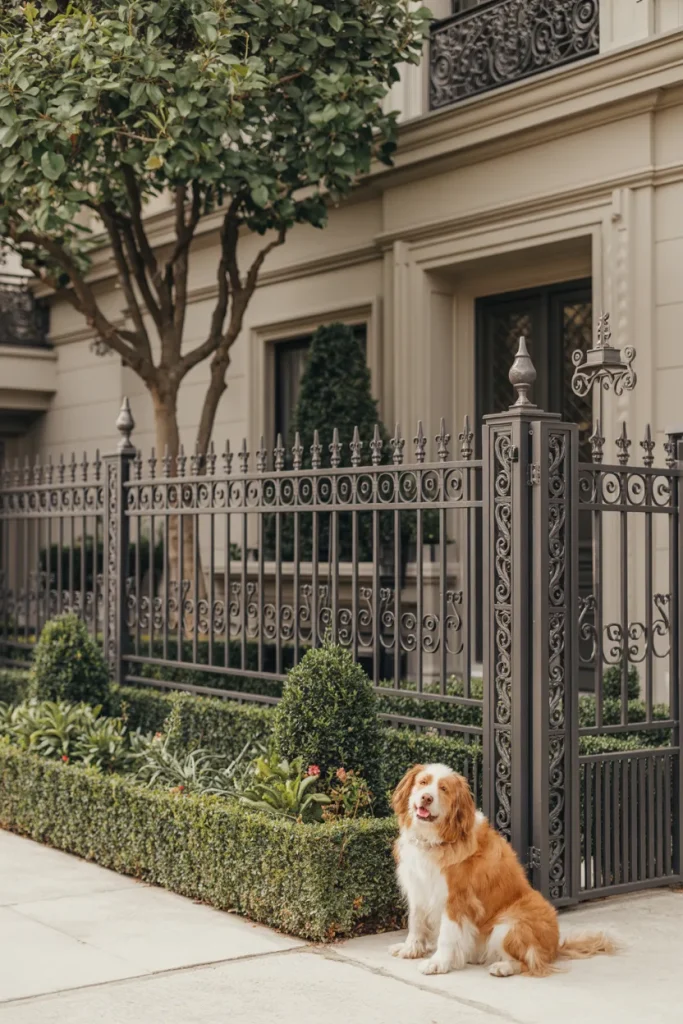
Wrought iron fencing provides strength and a sophisticated look. It is durable and resistant to weather conditions.
However, spacing between bars must be carefully considered.
Pro Tip: Add a mesh backing if your dog is small or prone to squeezing through gaps.
8. Split Rail Fence with Mesh for Rustic Charm
This option combines aesthetic appeal with functionality. The wooden structure provides a rustic look, while mesh ensures containment.
It is ideal for larger properties or countryside-style homes.
Pro Tip: Use galvanized mesh to prevent rust and increase longevity.
9. Portable Dog Fence for Flexibility
Portable fences are suitable for temporary setups or controlled play areas. They are lightweight and easy to relocate.
While convenient, they should not be relied upon for long-term security.
Pro Tip: Use portable fencing for supervised use only.
10. Living Fence for a Natural Barrier
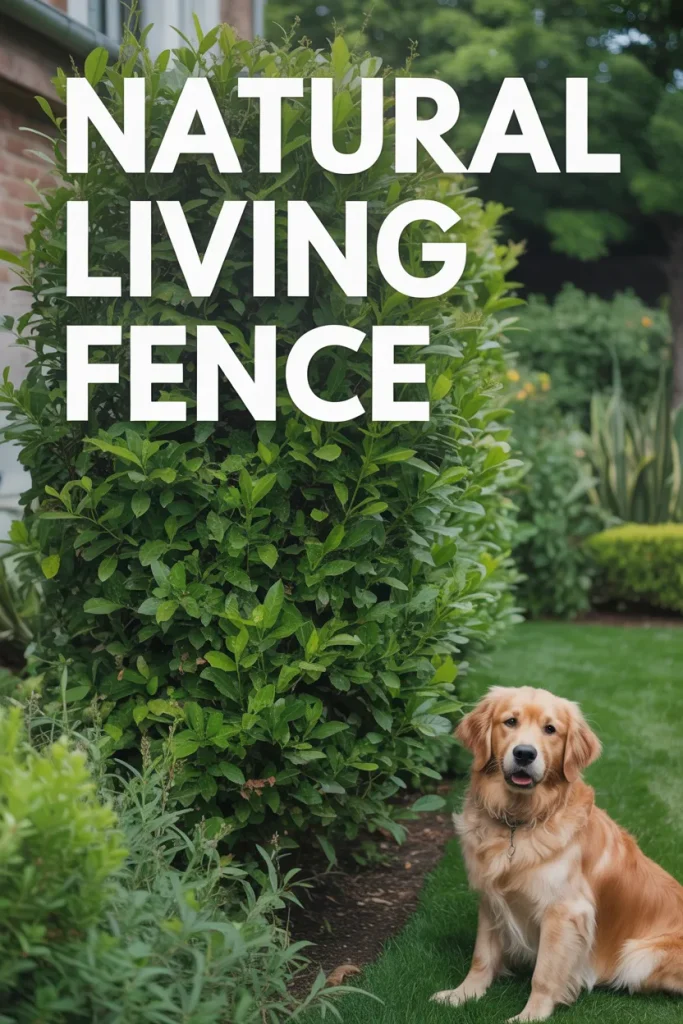
A living fence made from hedges or shrubs offers a natural and environmentally friendly boundary.
It enhances the landscape but requires time to grow and regular maintenance.
Pro Tip: Combine with a hidden wire or mesh fence during the early growth stages.
11. Lattice Fence for Style and Functionality
Lattice fencing provides airflow and partial visibility while maintaining a decorative appearance.
However, it may not be suitable for dogs that climb.
Pro Tip: Install at an angle or reinforce with backing material to prevent climbing.
12. Pallet Fence for a Budget-Friendly Option
Pallet fencing is an affordable and practical solution for DIY projects. It can be assembled quickly and customized easily.
When done correctly, it offers good durability.
Pro Tip: Sand and seal the wood to improve safety and weather resistance.
13. PVC Dog Fence for Lightweight Durability
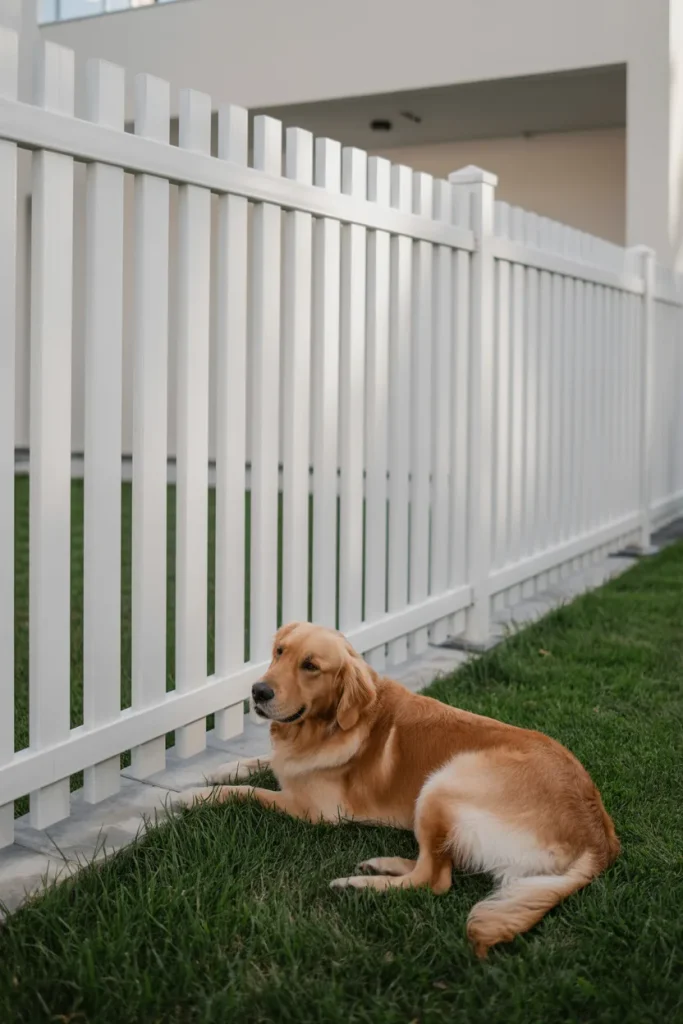
PVC fencing is lightweight, easy to install, and resistant to weather damage. It is a practical alternative to traditional materials.
It works well for homeowners seeking a simple and clean design.
Pro Tip: Ensure proper anchoring to prevent movement in strong winds.
14. Gabion Fence for a Unique, Sturdy Design
Gabion fencing consists of wire cages filled with stones, offering exceptional strength and durability.
It is particularly suitable for large or strong dogs.
Pro Tip: Use a professional installation for proper structural stability.
15. Decorative Metal Fence for a Sophisticated Look
Decorative metal fencing combines strength with visual appeal. It is available in various designs and finishes.
It works well for maintaining an elegant outdoor space.
Pro Tip: Choose powder-coated metal to prevent corrosion.
16. Stockade Fence for Maximum Privacy
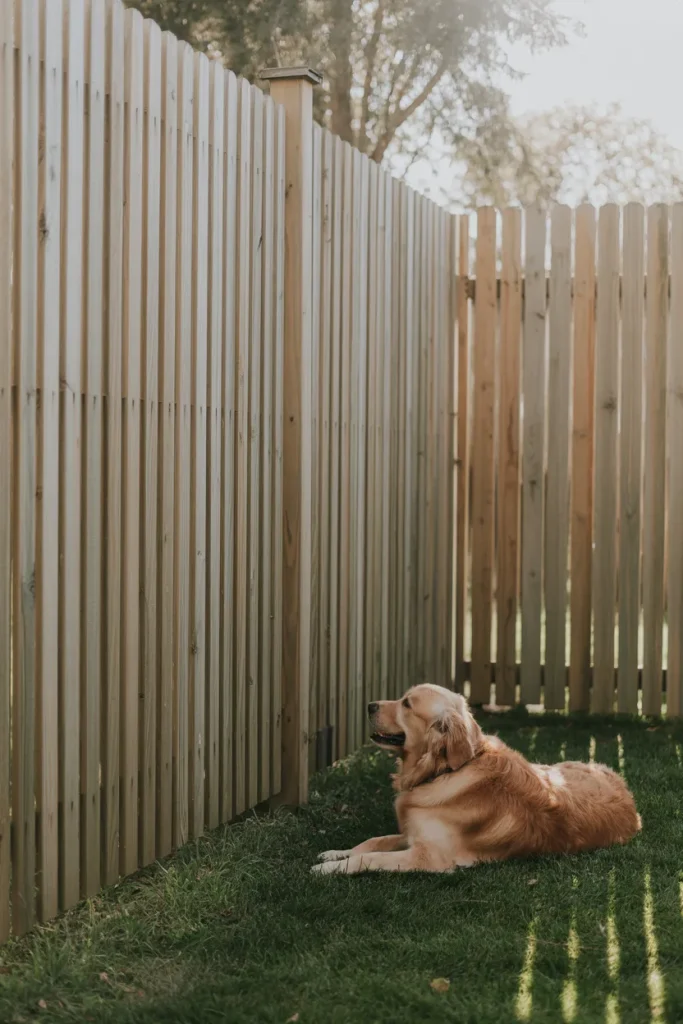
Stockade fencing provides complete privacy with tightly placed wooden boards. It creates a secure and quiet environment.
This is ideal for dogs that are easily distracted.
Pro Tip: Regularly inspect for gaps or loose boards to maintain security.
17. Chicken Wire Fence for a Temporary Solution
Chicken wire fencing is a quick and affordable solution for temporary needs. It is best suited for small dogs.
It should not be considered a long-term option.
Pro Tip: Reinforce with wooden or metal posts for added stability.
18. Privacy Slats in Chain-Link Fences for Extra Seclusion
Adding privacy slats to an existing chain-link fence improves both functionality and appearance.
It is a cost-effective upgrade.
Pro Tip: Select weather-resistant slats for long-term durability.
19. Cedar Fence for a Natural, Long-Lasting Choice
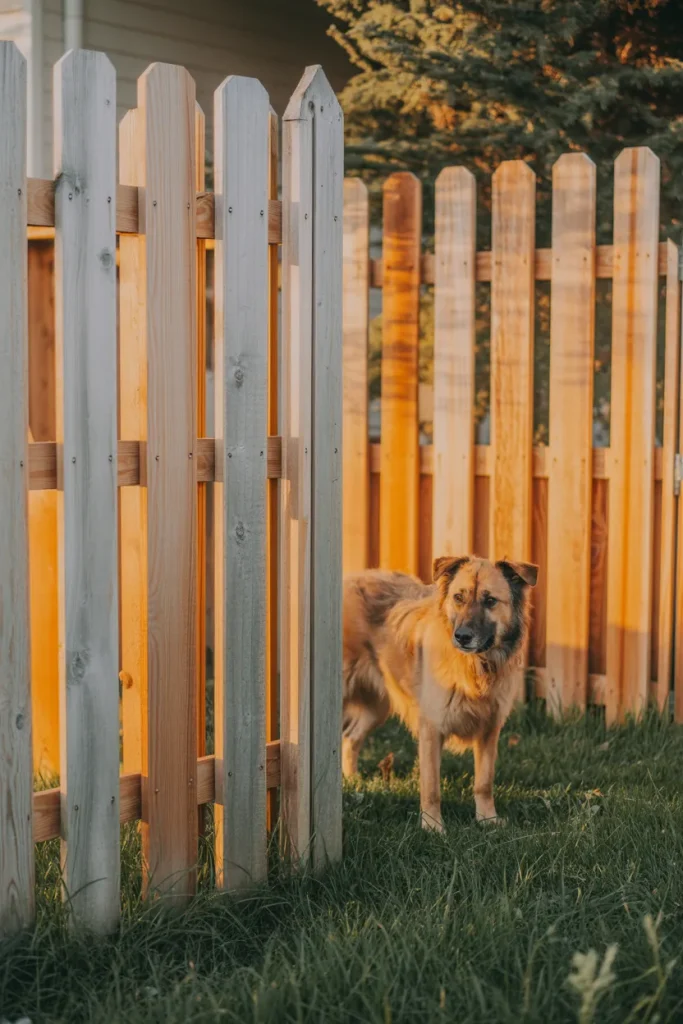
Cedar fencing offers natural resistance to insects and decay. It is durable and visually appealing.
It requires less maintenance compared to other wood types.
Pro Tip: Apply a sealant to extend lifespan and preserve color.
20. Dog-Specific Fence with Puppy Panels
Dog-specific fencing with puppy panels is designed for smaller dogs. It prevents them from slipping through gaps.
This is especially useful for young or small breeds.
Pro Tip: Install panels at the lower section of existing fences for added safety.
Conclusion
Choosing the right dog fence requires careful consideration of your dog’s behavior, your property layout, and long-term maintenance needs. A well-planned fence not only keeps your pet safe but also enhances the overall appearance of your backyard.
By focusing on durability, proper installation, and thoughtful design, you can create a secure and comfortable outdoor environment that works for both you and your dog.


