
Cheap Fence Ideas for Dogs: Budget-Friendly Ways to Keep Your Dog Safe
Written By:

Giving my dog a safe outdoor space has always been a priority. Dogs need room to run, explore, and burn energy, but building a traditional fence can quickly become expensive. The good news is that a secure yard doesn’t have to cost thousands of dollars.
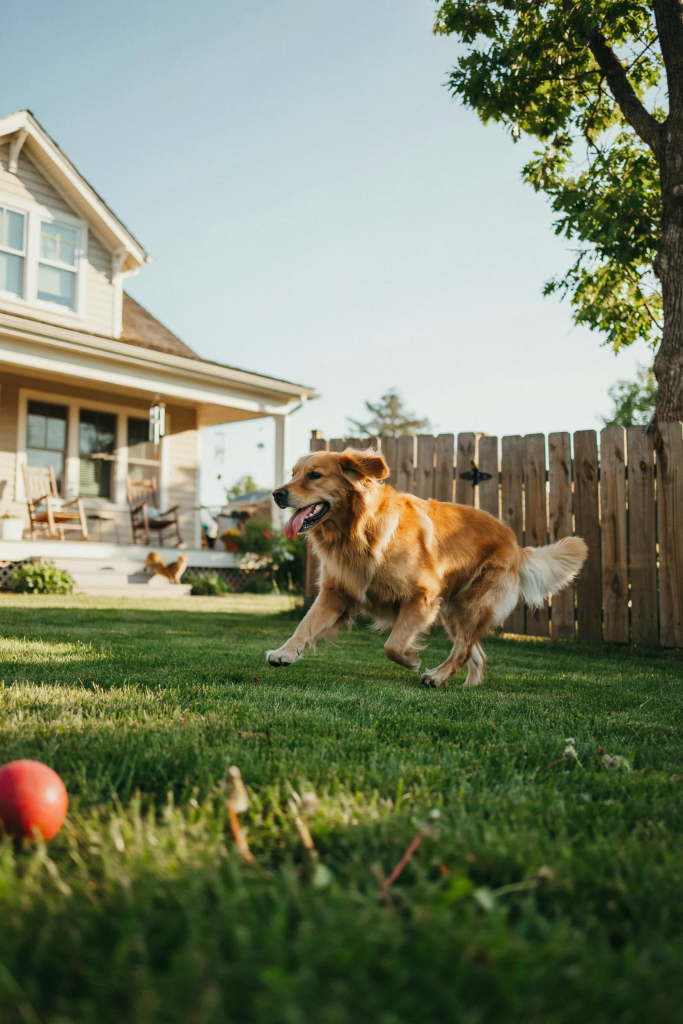
Cheap Fence Ideas for Dogs: Budget-Friendly Ways to Keep Your Dog Safe
I have found that many affordable fencing solutions can provide the protection dogs need while staying within a reasonable budget. The right choice depends on your dog’s size, behavior, and your property’s layout.
In this guide, I’ll share practical cheap fence ideas for dogs, explain the pros and cons of each option, and provide simple tips to make any fence safer and more effective.
Key Takeaways
- The best budget fence depends on your dog’s size, strength, and habits.
- Welded wire fencing is one of the most affordable and durable choices.
- Chain-link fencing offers long-term value with minimal maintenance.
- No-dig fence kits work well for renters and temporary setups.
- Pallet fences can dramatically reduce material costs for DIY projects.
- Dig guards and fence extensions help prevent escapes.
- A safe fence protects both your dog and your peace of mind.
Before You Build: Key Factors to Consider
Before spending money on fencing materials, I always recommend evaluating your dog’s needs first. A fence that works perfectly for a small lap dog may completely fail with an energetic working breed.
Making the right choice early can save money, time, and frustration later.
Your Dog’s Breed, Size, and Temperament

Every dog has different containment needs.
Large breeds often require stronger fencing because they can push, lean, or jump against weak structures. Many experts recommend fences at least 5 to 6 feet high for athletic breeds.
If your dog is known for jumping, climbing, or escaping, extra height becomes even more important. Breeds like Huskies, Border Collies, and German Shepherds are often skilled escape artists when given the opportunity.
Digging is another major factor. Breeds originally developed for hunting small animals frequently dig under fences. If your dog has this habit, you’ll need additional protection at ground level.
I also consider chewing behavior. Some dogs can destroy lightweight materials surprisingly quickly, making metal fencing a better investment.
Your Property and Local Regulations
Before building any fence, I always check local rules and neighborhood requirements.
Many cities have regulations regarding fence height, placement, and approved materials. Homeowners associations may also enforce specific restrictions.
It’s equally important to verify property boundaries. Building even a few inches over a property line can create expensive problems later.
Affordable and DIY-Friendly Fence Options
There are several affordable fencing solutions that balance cost, safety, and durability. Here are some of the options I recommend most often.
1. Welded Wire or Hog Wire Fencing
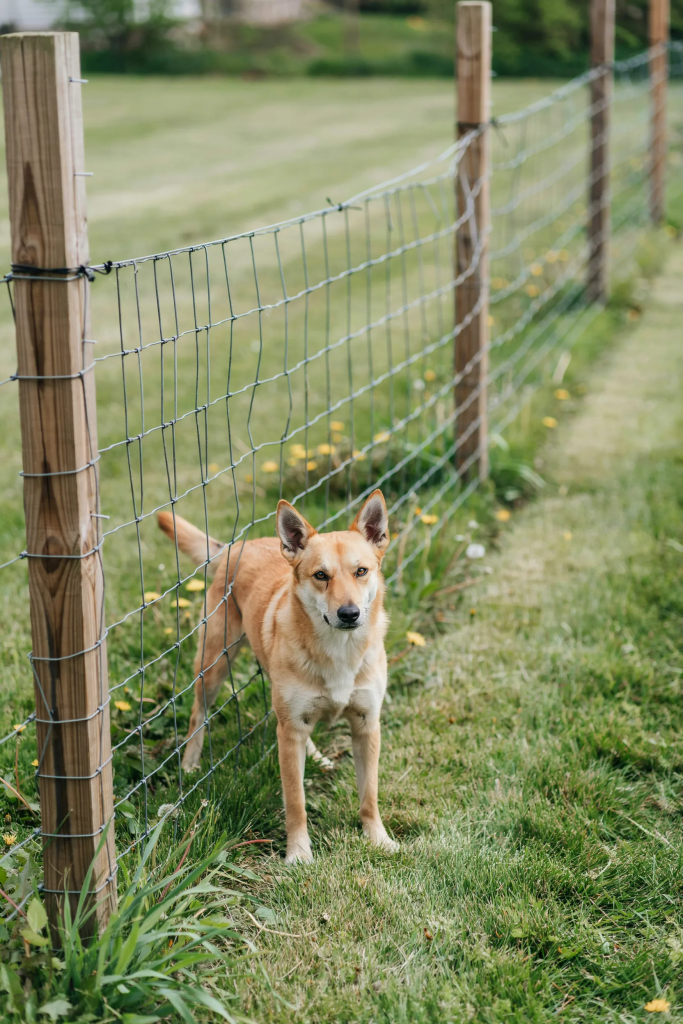
Welded wire fencing remains one of my favorite low-cost options for dog owners.
The wire grid design creates a strong barrier while keeping installation costs relatively low. It works especially well when attached to wood posts or metal T-posts.
Pros
- Affordable materials
- Strong and durable
- Resistant to chewing
- Allows clear visibility across the yard
Cons
- Some dogs may climb it
- Offers no privacy
- Appearance may seem basic
Pro Tip
For better security, I recommend burying the bottom section several inches underground or securing it tightly to the ground to discourage digging.
2. The Classic Chain-Link Fence
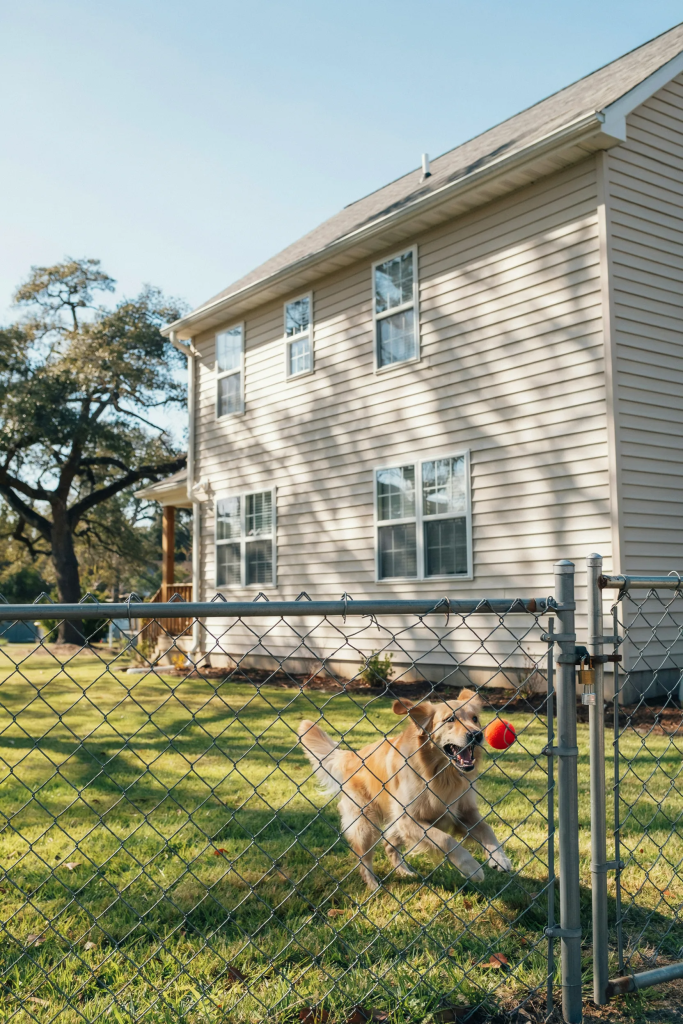
Chain-link fencing continues to be one of the most common dog containment solutions in the United States.
Although it may not be the most decorative option, it offers excellent durability and long-term value.
Pros
- Long lifespan
- Minimal maintenance
- Strong and secure
- Available in multiple heights
Cons
- Industrial appearance
- No privacy barrier
- Some dogs may bark at passing distractions
Pro Tip
Privacy slats, shrubs, or climbing plants can improve appearance while helping reduce visual triggers that cause excessive barking.
3. DIY No-Dig Fencing Kits
No-dig fence systems have become increasingly popular because they are simple to install.
These kits use posts driven directly into the ground, eliminating the need for concrete and extensive digging.
Pros
- Quick installation
- Suitable for renters
- Easy to relocate
- Works well for many yard layouts
Cons
- Less sturdy than permanent fencing
- Limited height options
- Not ideal for extremely powerful dogs
I often recommend these systems for moderate-sized dogs that are not aggressive jumpers or escape artists.
4. Heavy-Duty Garden Fencing or Poultry Netting
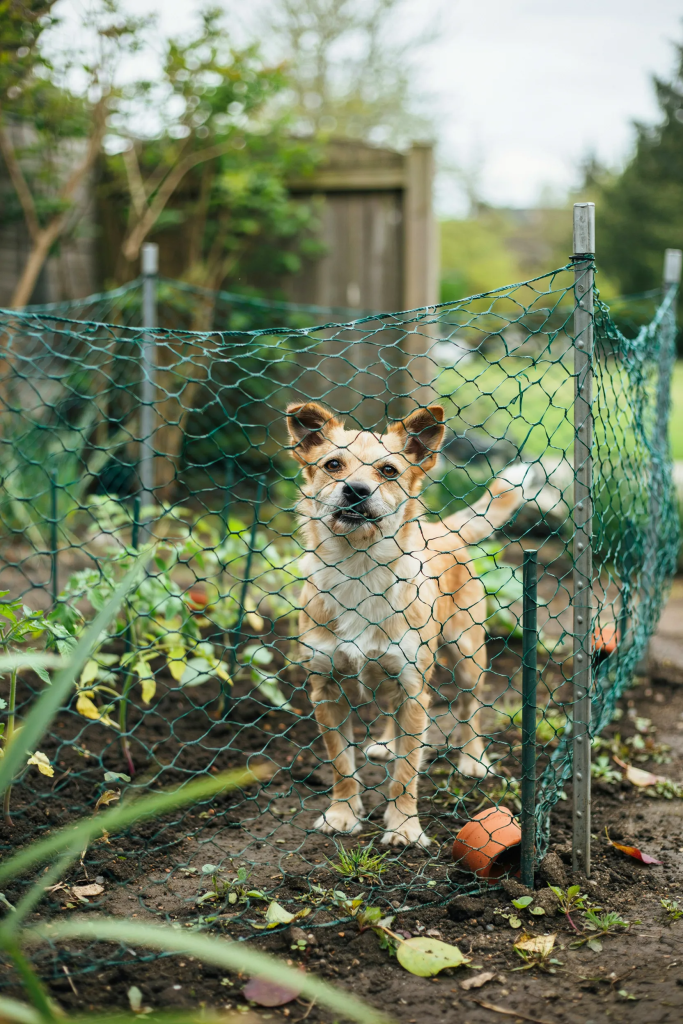
For small dogs with calm personalities, garden fencing can provide a surprisingly affordable solution.
This option works best when the dog is unlikely to jump, chew, or dig aggressively.
Pros
- Very inexpensive
- Lightweight materials
- Quick installation
- Less noticeable visually
Cons
- Limited durability
- Not suitable for large breeds
- Easily damaged under heavy pressure
Best Use
I find this option works especially well for creating designated dog areas, temporary play spaces, or garden boundaries.
5. Pallet Fencing: The Ultimate DIY Project
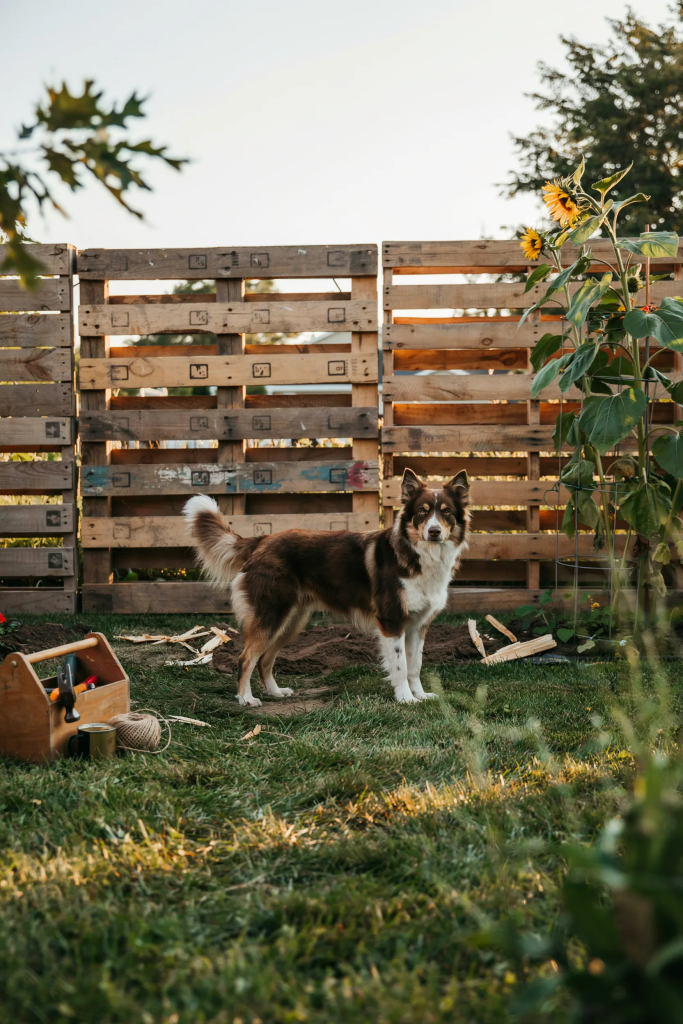
Pallet fencing can significantly reduce construction costs for dog owners willing to put in some extra effort.
Many businesses give away used pallets, making materials nearly free.
Pros
- Extremely budget-friendly
- Environmentally friendly
- Fully customizable
- Surprisingly sturdy when properly built
Cons
- Time-consuming construction
- Requires basic DIY skills
- Safety inspection is essential
Safety Tip
I always inspect pallets carefully before use. Heat-treated pallets are generally safer than chemically treated versions. Any loose nails, sharp edges, or splinters should be removed immediately.
Creative and Temporary Solutions
Not every dog owner needs a permanent perimeter fence. In some situations, temporary barriers can be enough.
Using Natural Barriers
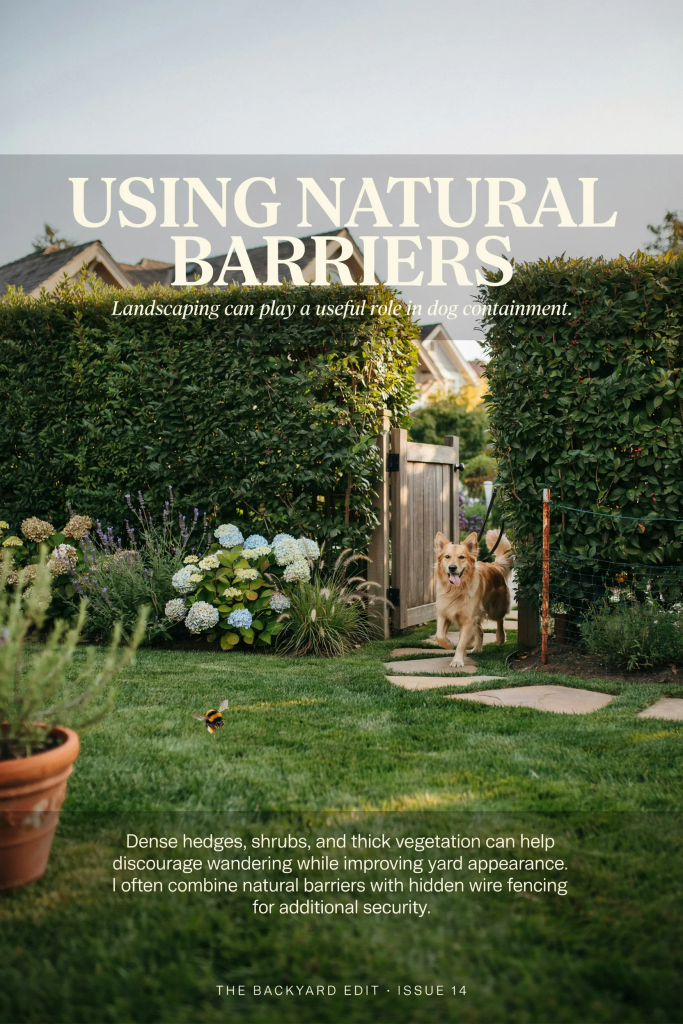
Landscaping can play a useful role in dog containment.
Dense hedges, shrubs, and thick vegetation can help discourage wandering while improving yard appearance. I often combine natural barriers with hidden wire fencing for additional security.
This approach creates a cleaner look while maintaining protection.
“Invisible” Electric Fences
Invisible fence systems rely on underground wiring and specialized collars to establish boundaries.
When a dog approaches the edge of the designated area, the collar provides warning signals and corrective stimulation.
Pros
- Lower cost for large properties
- No visual obstruction
- Flexible coverage area
Cons
- Does not block outside animals
- Requires training
- Not completely escape-proof
While invisible fences can be useful, I view them as training tools rather than primary security systems. Physical fencing remains the safer option whenever possible.
Making Your Cheap Fence Safer and More Effective
Even budget fencing can become much more secure with a few simple upgrades.
Add a Dig Guard
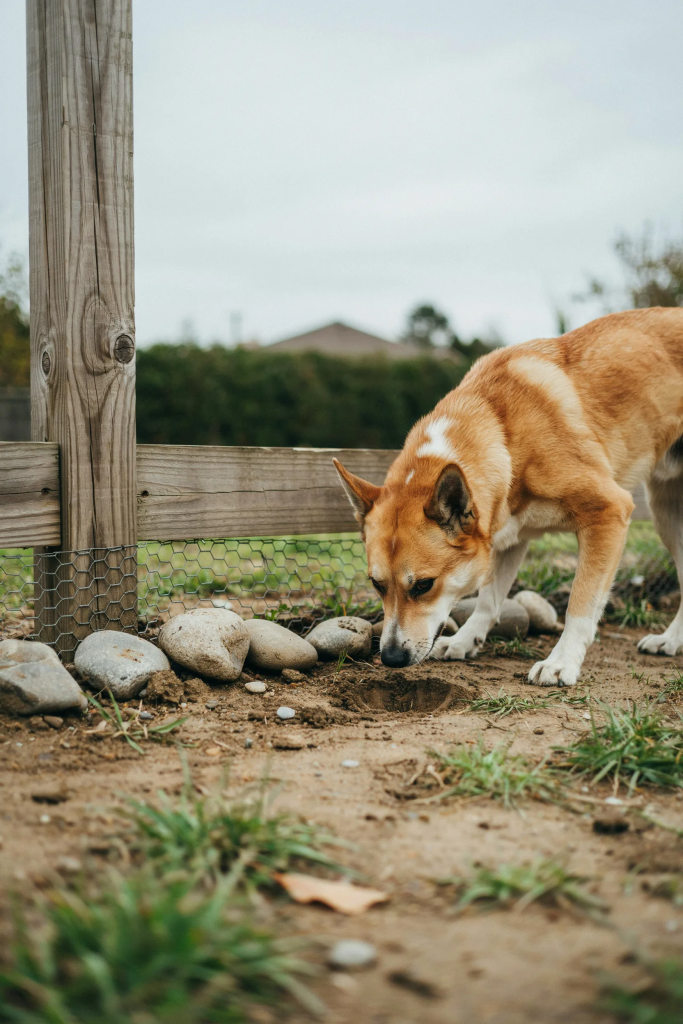
Digging is one of the most common escape methods.
I often use one of these techniques:
- Bury fencing 6 to 12 inches underground
- Install hardware cloth along the fence base
- Add landscape staples for reinforcement
- Place large rocks or pavers along vulnerable areas
These improvements can dramatically reduce escape attempts.
Prevent Climbing
Some dogs are surprisingly skilled climbers.
Installing an inward-facing fence extension at the top can make climbing much more difficult. This simple modification prevents many escape attempts without requiring a complete fence replacement.
A Safe Yard is a Happy Yard
Creating a secure outdoor space for your dog doesn’t have to drain your savings account. With careful planning and the right materials, it’s possible to build an affordable fence that keeps your dog protected while staying within budget.
I always focus on matching the fence to the dog’s behavior rather than simply choosing the cheapest material available. A well-designed fence can provide years of safe outdoor play, exercise, and freedom.
Whether you choose welded wire, chain-link, no-dig fencing, or a DIY pallet project, the goal remains the same: giving your dog a safe place to enjoy the outdoors while giving yourself confidence that they are protected every day.
Conclusion
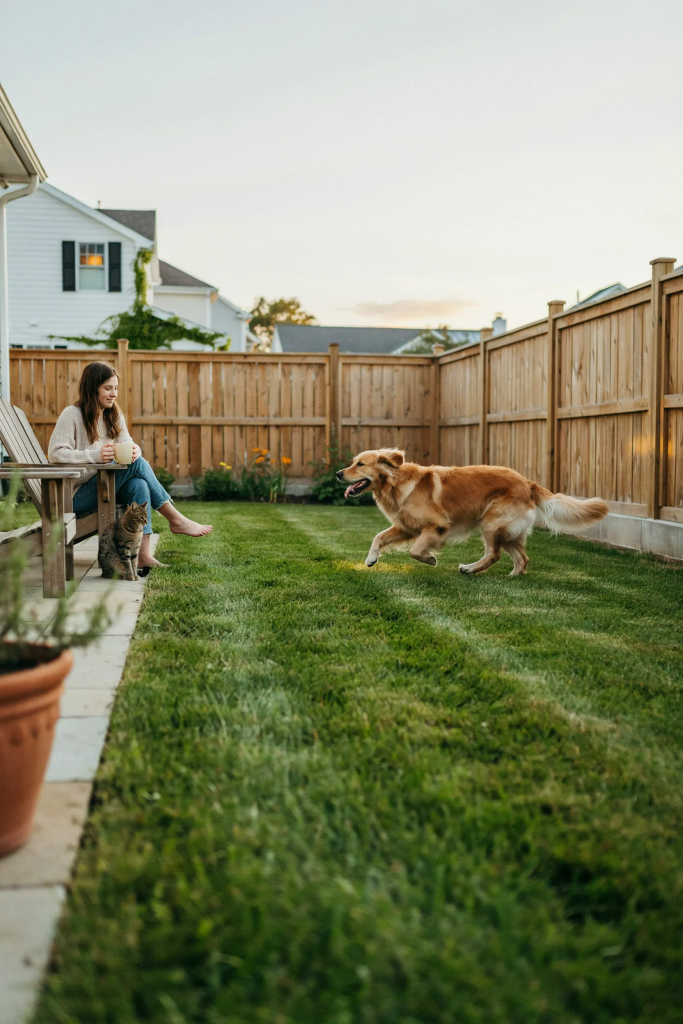
Finding cheap fence ideas for dogs doesn’t mean sacrificing safety. I always recommend choosing a fencing option based on my dog’s size, energy level, and escape habits rather than focusing only on price. Affordable solutions like welded wire fencing, chain-link fences, no-dig kits, and pallet fences can all provide reliable protection when installed correctly.
Adding simple upgrades such as dig guards, fence extensions, or reinforced posts can make even a budget-friendly fence much more secure. With careful planning and a little DIY effort, it’s possible to create a safe backyard where dogs can run, play, and explore without constant supervision. A secure yard not only protects my dog but also gives me peace of mind every day.
Short Answer Questions (SAQs)
What is the cheapest fence option for dogs?
Heavy-duty garden fencing, poultry netting, and reclaimed pallet fencing are typically the cheapest options for dog owners. The final cost depends on the size of the yard and installation method.
Is welded wire fencing good for dogs?
Yes, welded wire fencing is one of the best affordable choices for dogs. It is durable, resistant to chewing, and suitable for most small and medium-sized breeds.
How tall should a dog fence be?
Most dogs need a fence that is at least 4 to 6 feet tall. Larger or athletic breeds that can jump may require a fence higher than 6 feet.
How can I stop my dog from digging under a fence?
You can bury part of the fence underground, install hardware cloth along the base, use landscape staples, or place large rocks and pavers near digging areas.
Are no-dig fences safe for dogs?
No-dig fences can be safe for small and medium-sized dogs that do not jump or push against fencing. Very large or strong dogs may need a more permanent solution.
Is chain-link fencing affordable?
Yes, chain-link fencing is one of the most cost-effective permanent fencing options. It offers durability, low maintenance, and long-term value.
Can a pallet fence keep dogs contained?
A properly built pallet fence can safely contain many dogs. Make sure the pallets are structurally sound, free from harmful chemicals, and securely attached to support posts.
Are invisible fences better than physical fences?
Physical fences are generally safer because they keep both your dog in and unwanted animals out. Invisible fences work best as a training aid rather than a complete containment solution.
What fence works best for dogs that jump?
Tall chain-link fences, welded wire fences, and fences with inward-angled extensions are effective for dogs that frequently jump or attempt to climb.
How much does a budget dog fence cost?
Costs vary by material and yard size, but many DIY dog fencing projects can be completed for a few hundred dollars, while professional installations may cost significantly more.


