
12 Creative Dog Run Ideas for Backyard Design That Keep Dogs Active & Happy
Written By:

When I first decided to build a dog run in my backyard, I thought it would just be a fenced space where my dog could move around. But I quickly realized something—dogs get bored fast. A plain area doesn’t keep them active or mentally engaged for long. So I started experimenting with different ideas, and over time, I turned my backyard into a space my dog actually gets excited about.
In this guide, I’m sharing creative dog run ideas that I’ve either personally tried or seen work really well. These aren’t complicated or expensive setups. They’re practical, realistic, and designed to keep your dog happy, safe, and active every day.
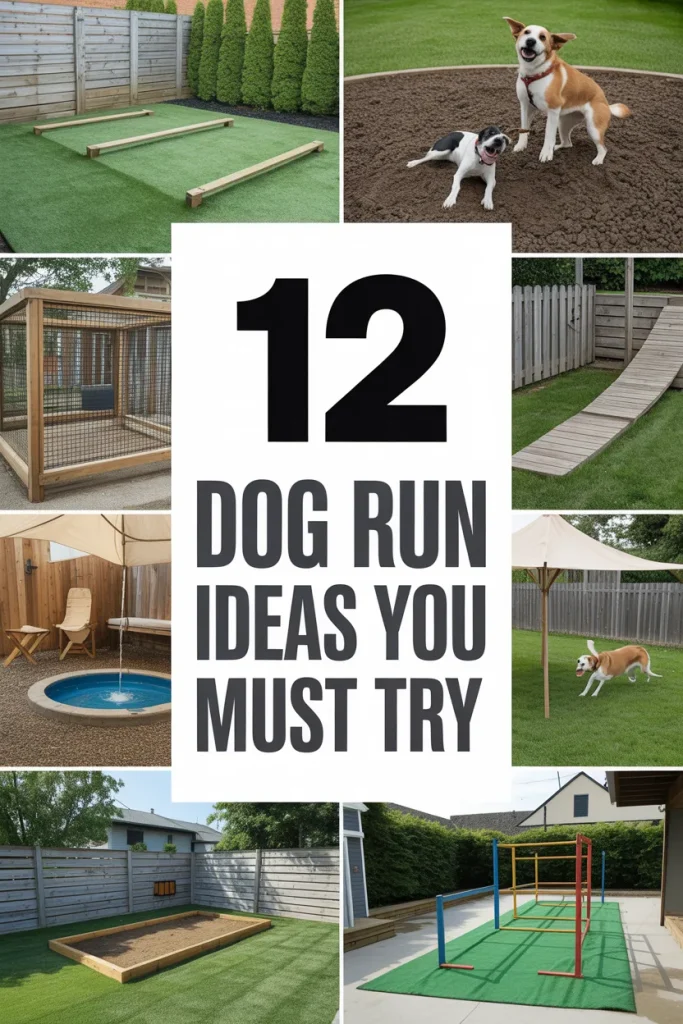
Quick Summary & Key Takeaways
- A dog run should include both physical activity and mental stimulation
- Simple upgrades like shade, toys, and levels make a big difference
- Design matters even in small backyards
- Safety and comfort should always come first
- Rotating features keeps your dog interested over time
Agility Training Setup with Equipment
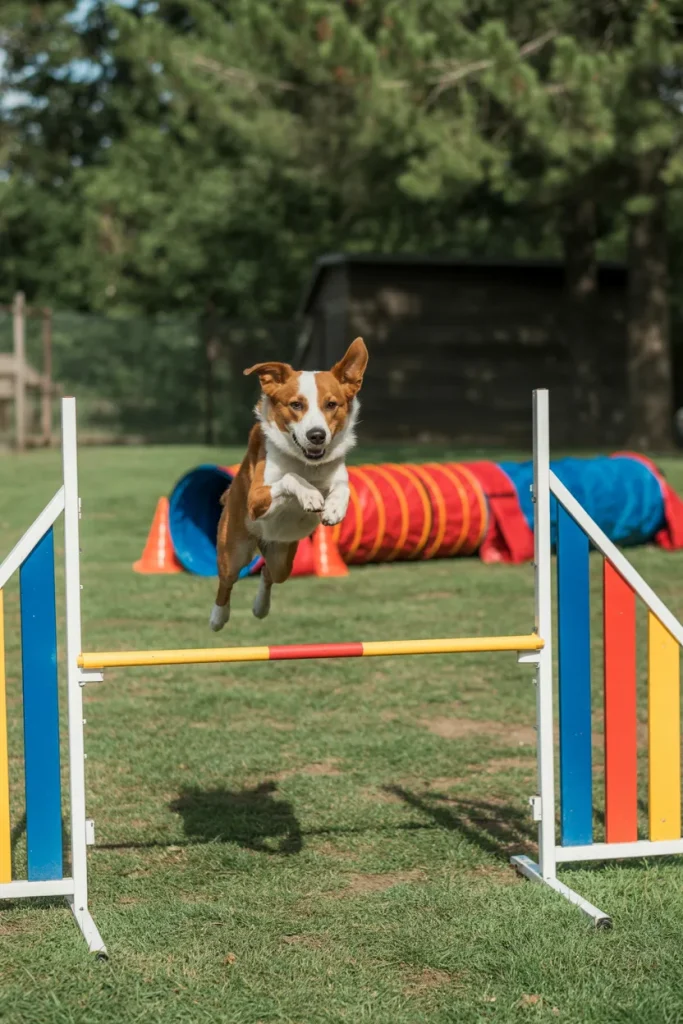
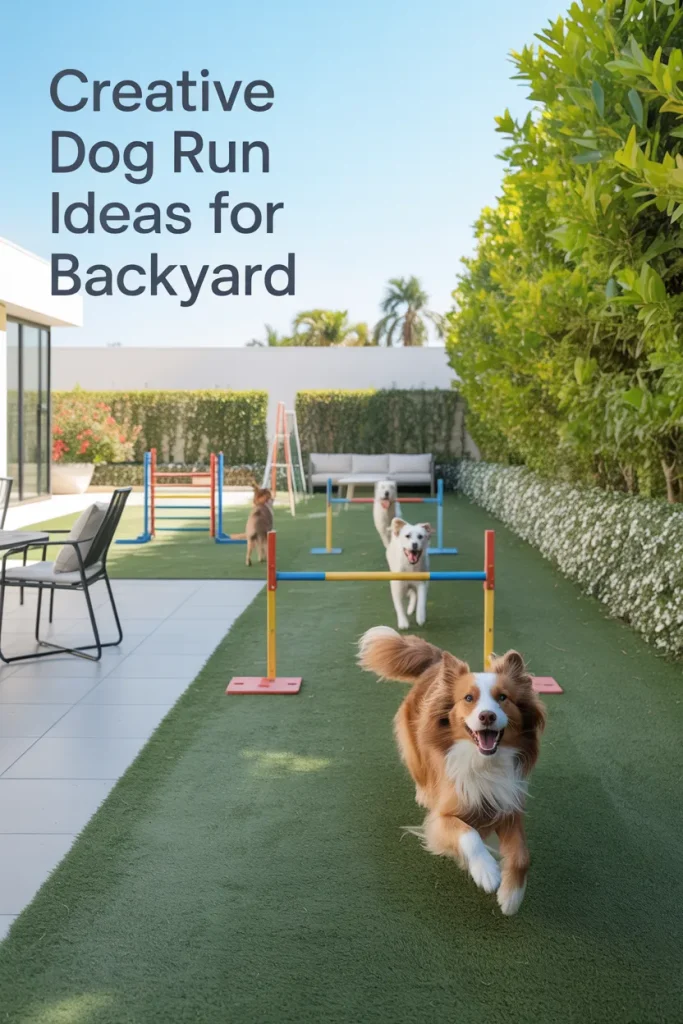
One of the best upgrades I made was adding a small agility section. At first, I used basic DIY jumps made from PVC pipes, and honestly, that was enough to get started.
Dogs need structured activity, not just open space. Short training sessions—even 10–15 minutes—can burn more energy than random running.
I started with low jumps and a simple tunnel. Over time, I noticed my dog becoming more confident and responsive. It also improved our communication because agility training naturally builds trust.
Pro tip: Keep sessions short and positive. Overtraining can make your dog lose interest.
Creative Digging Pit for Exploration
If your dog loves digging, trying to stop it completely is a losing battle. I learned this the hard way after my lawn was destroyed.
Instead, I created a digging zone using sand. I added a few toys and occasionally hid treats inside. Now, my dog digs only in that spot.
This simple change saved my garden and gave my dog a healthy outlet for natural behavior.
Mistake to avoid: Don’t place the digging pit too close to plants or walls, or your dog may expand the “zone.”
Themed Adventure Trail with Signs
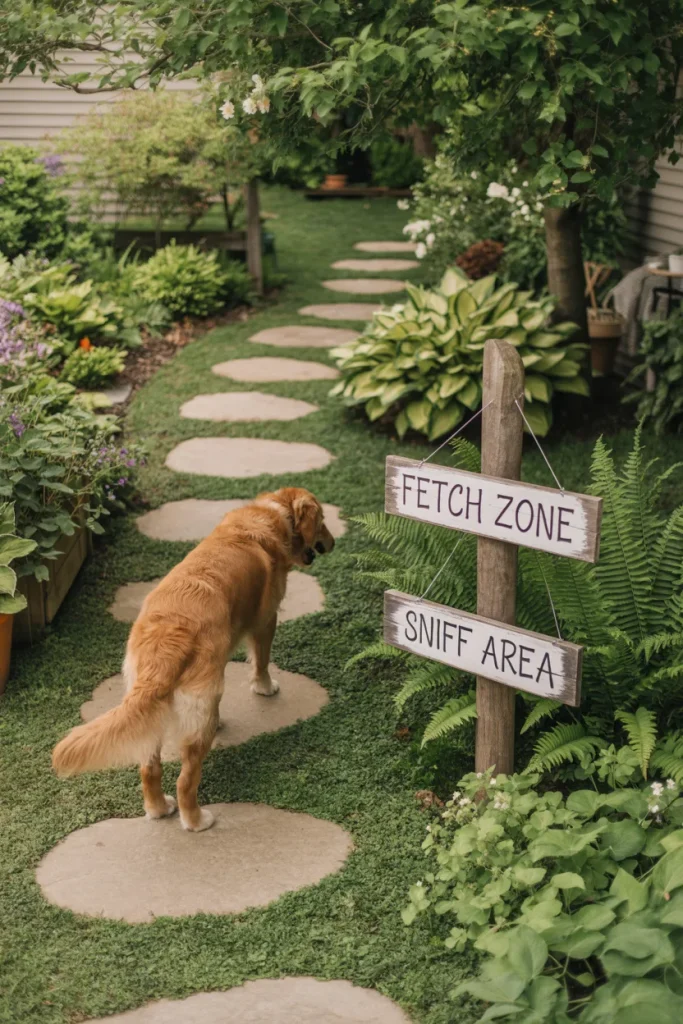
This is one of the more fun ideas I tried. I created a small pathway using stepping stones and added sections like a “fetch corner” and a “sniff area.”
Dogs naturally enjoy exploring, so even a small backyard can feel like an adventure if you design it right.
I noticed my dog became more curious and active just by adding variety. It’s not about size—it’s about how you use the space.
Zen Garden Retreat for Relaxation
Not every part of the dog run needs to be high energy. Dogs also need a calm place to relax.
I added a quiet corner with smooth stones, a bit of greenery, and a shaded area. This became my dog’s go-to spot during hot afternoons.
Studies show dogs spend up to 12–14 hours resting daily, so having a peaceful zone actually improves their overall behavior.
Pro tip: Choose non-toxic plants and avoid sharp stones.
Water Play Zone with Splash Features
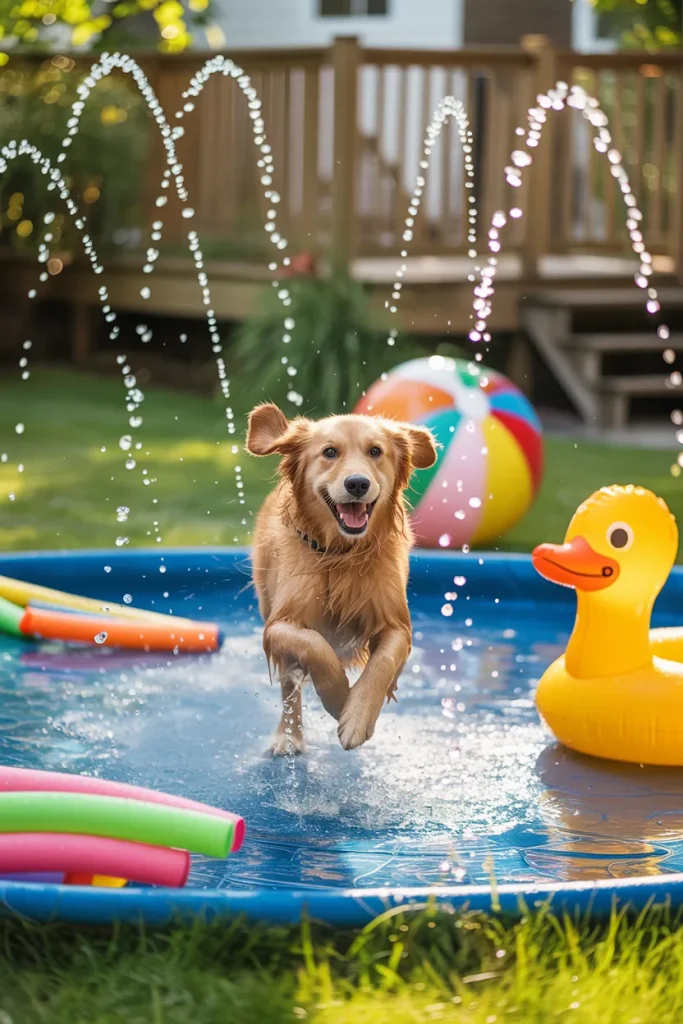
If you live in a warm area like I do, a water play zone is a game changer.
I started with a simple sprinkler, and it instantly became my dog’s favorite activity. Later, I upgraded to a splash pad.
Water play isn’t just fun—it also helps regulate body temperature and prevents overheating.
Common mistake: Avoid deep water setups unless your dog is comfortable and supervised.
Multi-Level Deck for Elevated Play
Adding levels completely changed how my dog uses space. Even a small raised platform can create a new experience.
Dogs love observing their surroundings from higher ground. I built a simple wooden platform with a ramp, and it became a hangout spot.
This works especially well for active or curious breeds.
Pro tip: Make sure surfaces aren’t slippery to prevent injuries.
Natural Obstacle Course for Active Dogs
Instead of buying expensive equipment, I used logs, wooden planks, and tunnels to build a natural obstacle course.
It looks simple, but it keeps dogs physically and mentally engaged. Balancing, jumping, and crawling all add variety.
What I like most is that it blends into the backyard instead of looking artificial.
Mistake to avoid: Don’t make obstacles too difficult at the start. Build gradually.
Enclosed Play Area with Turf
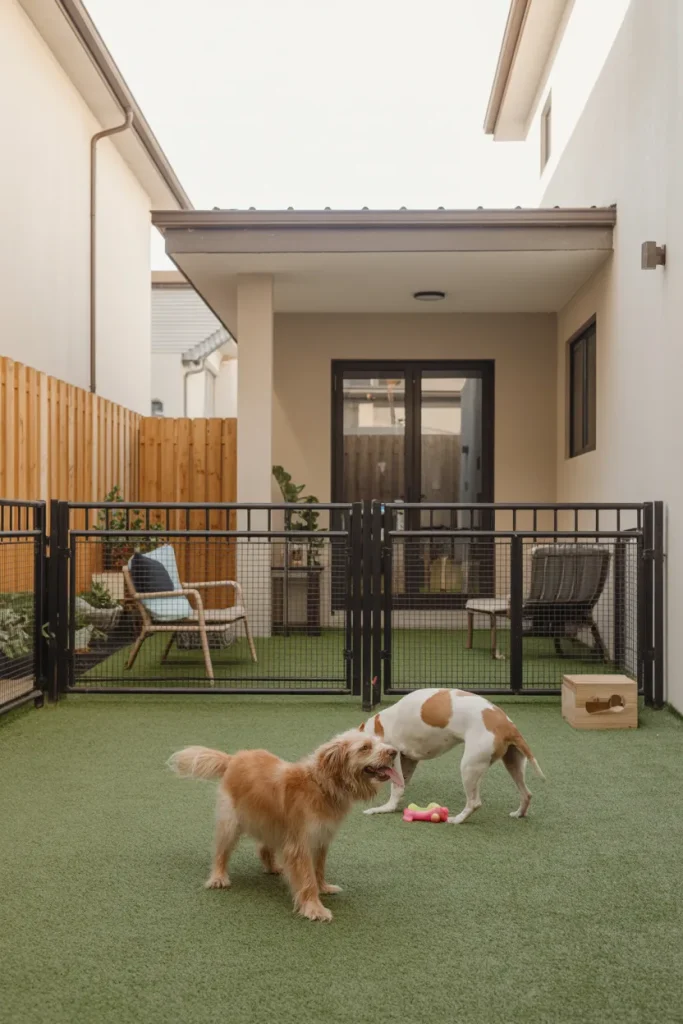
Safety is non-negotiable. I made sure my dog run was fully enclosed before adding anything else.
I also switched to artificial turf in one section, and it made maintenance much easier. No mud, no patchy grass, and cleaning is simple.
This is especially useful if you have multiple dogs or limited time for upkeep.
Interactive Play Stations with Puzzle Toys
Mental stimulation is often overlooked. I added puzzle toys and treat dispensers in one corner, and the difference was noticeable.
Dogs that are mentally engaged tend to be less destructive and more relaxed indoors.
Even 10 minutes of problem-solving play can tire a dog out more than physical exercise.
Pro tip: Rotate toys weekly to keep things interesting.
Natural Landscaping for Exploration
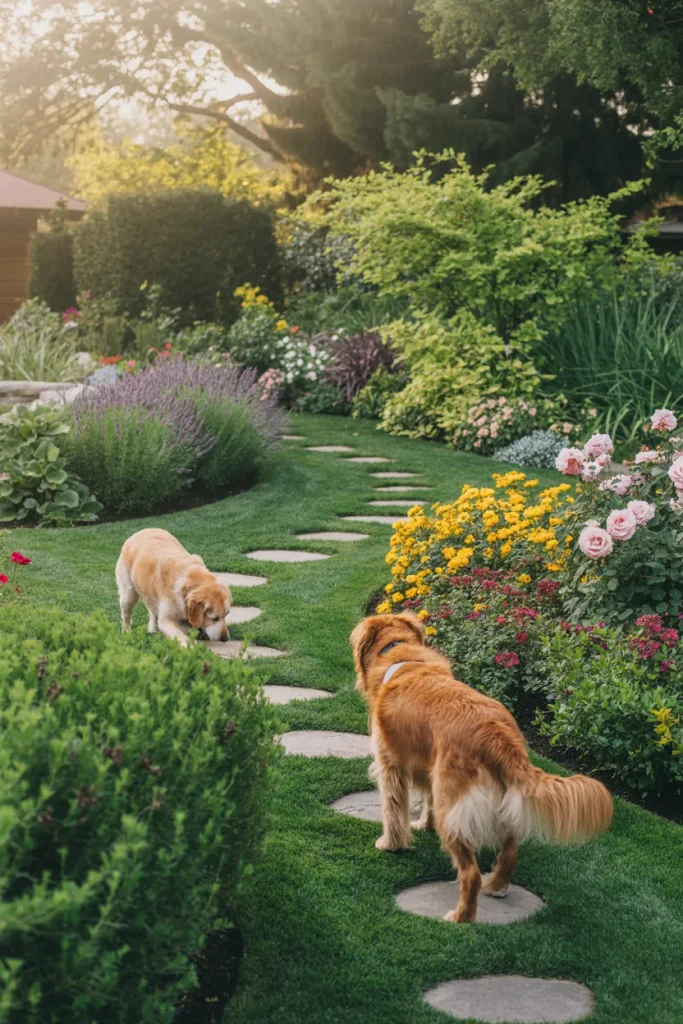
Instead of keeping everything flat and plain, I added plants, stones, and small pathways.
Dogs rely heavily on smell, so different plants and textures create a more engaging environment.
My dog spends more time exploring now rather than just running back and forth.
Important: Always check that plants are dog-safe before adding them.
Cozy Shade Nook with Pet Furniture
A shaded rest area is something many people skip, but it’s essential.
I added a simple covered corner with a comfortable dog bed. Now my dog has a place to cool down and relax between play sessions.
This is especially important during summer months.
Pro tip: Elevated beds work better for airflow and comfort.
Socialization Zone with Dog-Friendly Seating
This is one of my favorite additions because it benefits both dogs and humans.
I created a small seating area where I can relax while my dog plays. When friends visit with their dogs, this space becomes a mini social zone.
Dogs are social animals, and regular interaction improves behavior and reduces anxiety.
Mistake to avoid: Make sure there’s enough space to prevent dogs from feeling crowded.
Final Thoughts
Building a dog run isn’t about making something fancy—it’s about creating a space your dog actually enjoys using.
From my experience, small changes make a big impact. A mix of activity, comfort, and variety keeps dogs healthier and happier.
Start simple, observe your dog’s behavior, and improve the setup over time. Your dog will show you what works.


