
Stop Buying Weak Dog Beds – Try This DIY Bed for Heavy Dogs Instead
Written By:

When I started looking for a DIY bed for heavy dogs, I quickly realized most store-bought options just don’t hold up. My dog isn’t small, and within weeks, even “premium” beds started flattening or tearing at the seams. That’s what pushed me to start building my own instead of constantly replacing cheap ones.
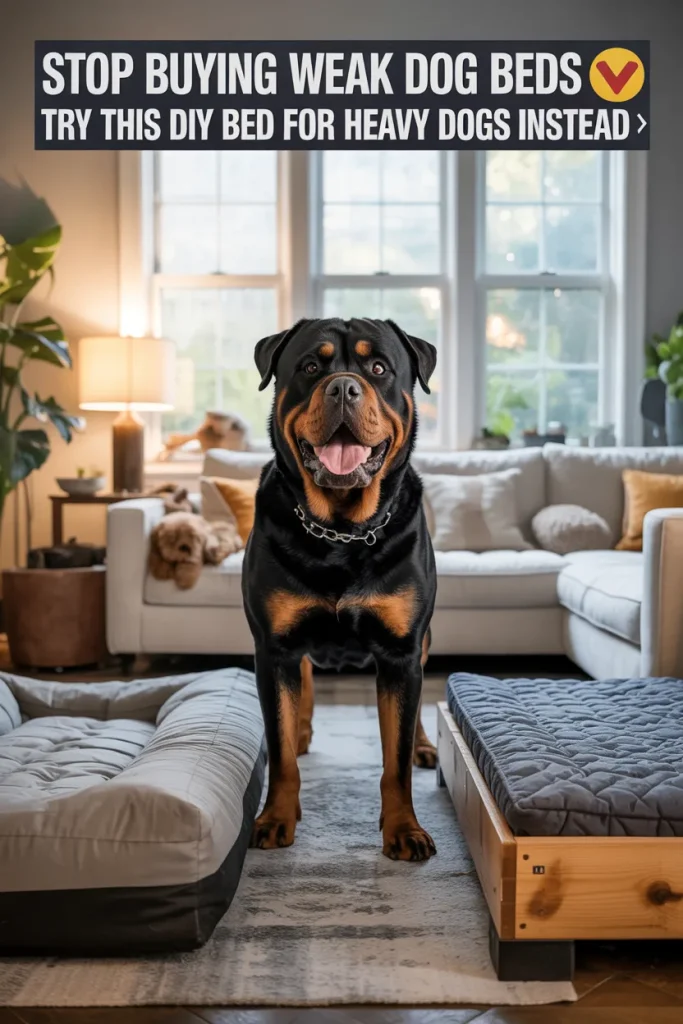
A good DIY bed for heavy dogs is not just about saving money—it’s about creating something strong enough to support real weight, while still being soft and comfortable for daily sleep. I’ve learned that with the right foam, sturdy fabric, and a simple design, you can actually build something that lasts longer than most expensive pet store beds.
In this guide, I’ll share what has worked for me through trial and error, including practical materials, simple builds, and small details that make a big difference for heavy dogs who need extra support and durability.
Quick Summary & Key Takeaways
- DIY dog beds can cost 50–70% less than store-bought options
- You get full control over size, thickness, and durability
- Memory foam works best for large dogs, especially seniors
- No-sew options are quick and beginner-friendly
- Strong fabrics like canvas and denim last much longer
- Regular cleaning and small repairs can extend lifespan by years
Benefits of DIY Bed for Heavy Dogs
Cost Savings Compared to Store-Bought Beds
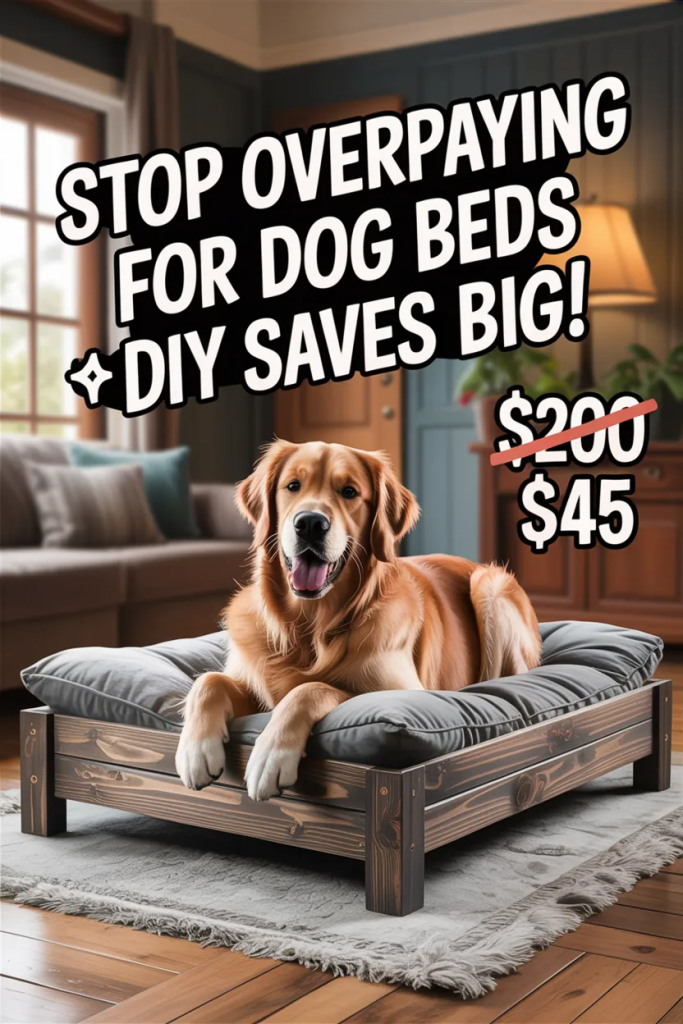
I’ve personally spent over $150 on a large dog bed that didn’t last three months. That’s what pushed me to try DIY. Most of my homemade beds cost under $60, especially when I reused materials like old cushions or blankets.
Another thing I like is that I don’t have to replace the whole bed anymore. If the cover tears, I fix or swap it. If the foam wears out, I just replace that layer. Over time, this saves a lot more than constantly buying new beds.
Customization for Size and Comfort
One thing store beds rarely get right is sizing. Large dogs stretch out, roll around, and need more space than you think. I usually measure my dog while he’s sleeping and add about 6–8 inches to both length and width.
I also adjust thickness depending on age. When my dog got older, I switched to thicker foam, and it made a noticeable difference in how easily he got up. Small details like this really matter.
You can also customize:
- Raised edges for head support
- Flat beds for dogs that sprawl
- Waterproof layers for accidents
- Low height for senior dogs
Choosing Materials for Durability
This is where most people go wrong. I learned the hard way that regular fabric doesn’t last with big dogs. Now I stick to tougher materials like canvas or denim.
For the inside, memory foam has been the best choice. It holds shape and supports joints better than standard stuffing. I also add a waterproof liner—it’s a small upgrade that makes a big difference.
Pro Tip: Always double-stitch seams. Large dogs put more pressure on edges than you expect.
Essential Materials and Tools for DIY Bed for Heavy Dogs
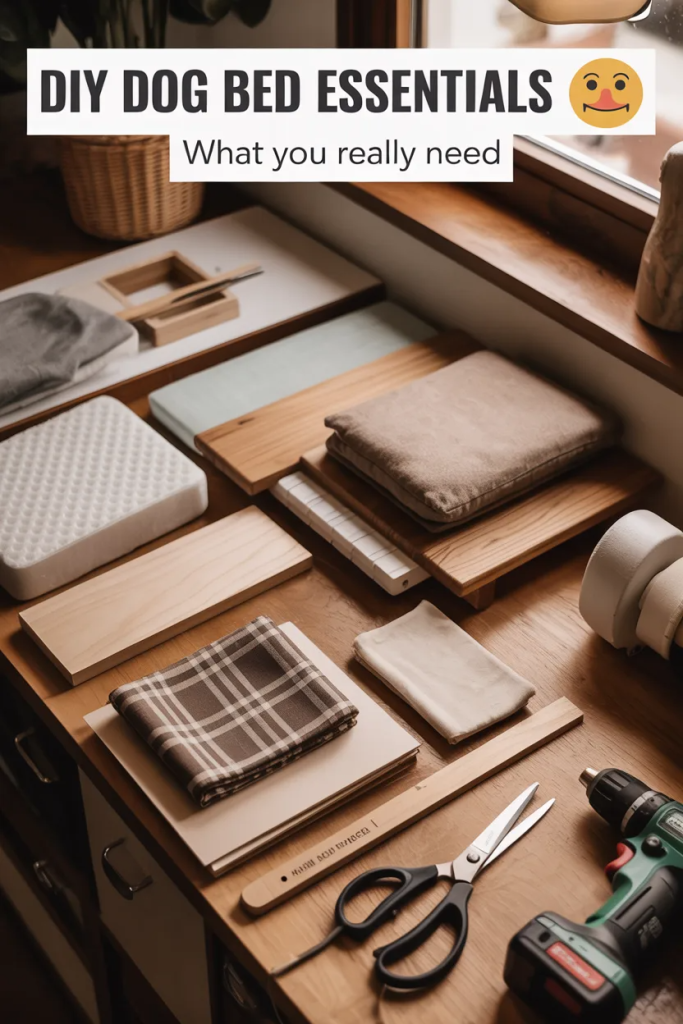
Selecting Sturdy Fabrics
From experience, the fabric you choose can make or break your DIY bed. Thin cotton might look nice, but it won’t survive scratching or nesting behavior.
I usually go with:
- Canvas (very durable)
- Denim (great for indoor use)
- Upholstery fabric (made for heavy wear)
Darker colors or patterns help hide fur and stains, which is a bonus if your dog sheds a lot.
Best Fillings for Support
For large dogs, filling isn’t something to compromise on. I’ve tried everything from old pillows to foam layers, and memory foam consistently performs best.
Here’s what I recommend:
- Memory foam (4–6 inches) for joint support
- Polyfill for softer, budget-friendly beds
- Layered foam for custom comfort
If your dog is older or has joint issues, orthopedic foam is worth it. I noticed my dog slept longer and moved more comfortably after switching.
Recommended Tools for Assembly
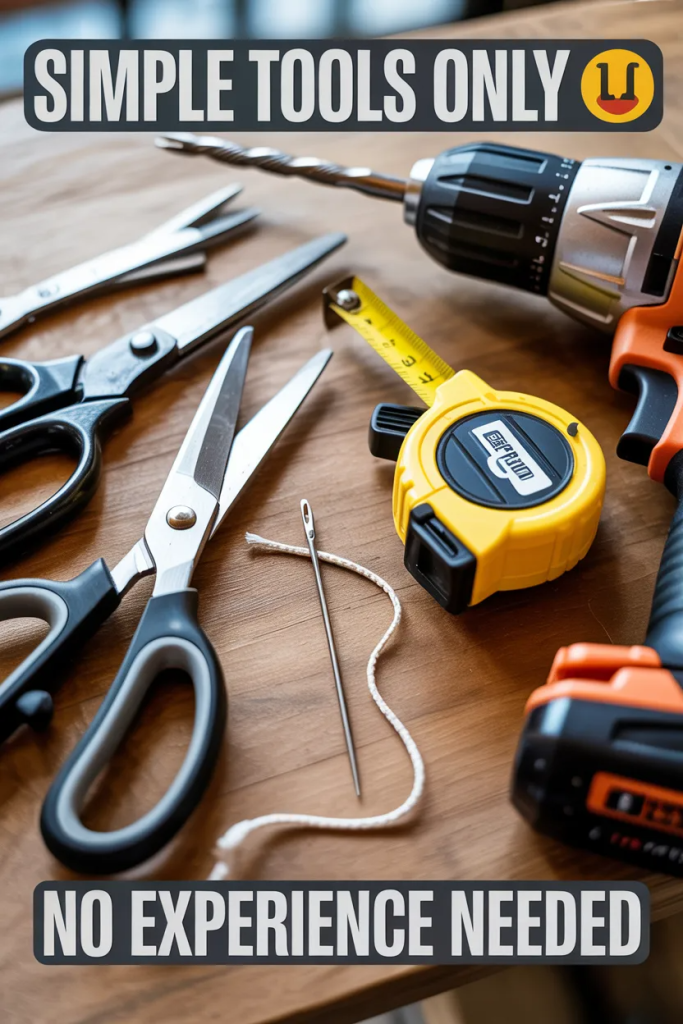
You don’t need a full workshop to get started. For most projects, I use:
- Scissors
- Measuring tape
- Needle and strong thread
- Staple gun (for wood frames)
If you’re building a wooden frame, then a drill and saw will help, but for simple beds, you can skip all that.
Step-by-Step DIY Bed for Heavy Dogs Projects
Simple No-Sew Dog Bed
This is where I started, and honestly, it’s still one of my favorites.
I take two fleece blankets, cut strips around the edges, and tie them together. Before closing the last side, I stuff it with old towels or cushions.
It takes about 30–40 minutes, and the result is surprisingly comfortable. Plus, you can wash or replace it easily.
Common Mistake: Don’t underfill it. Large dogs need thicker padding than small ones.
Wooden Frame Dog Bed
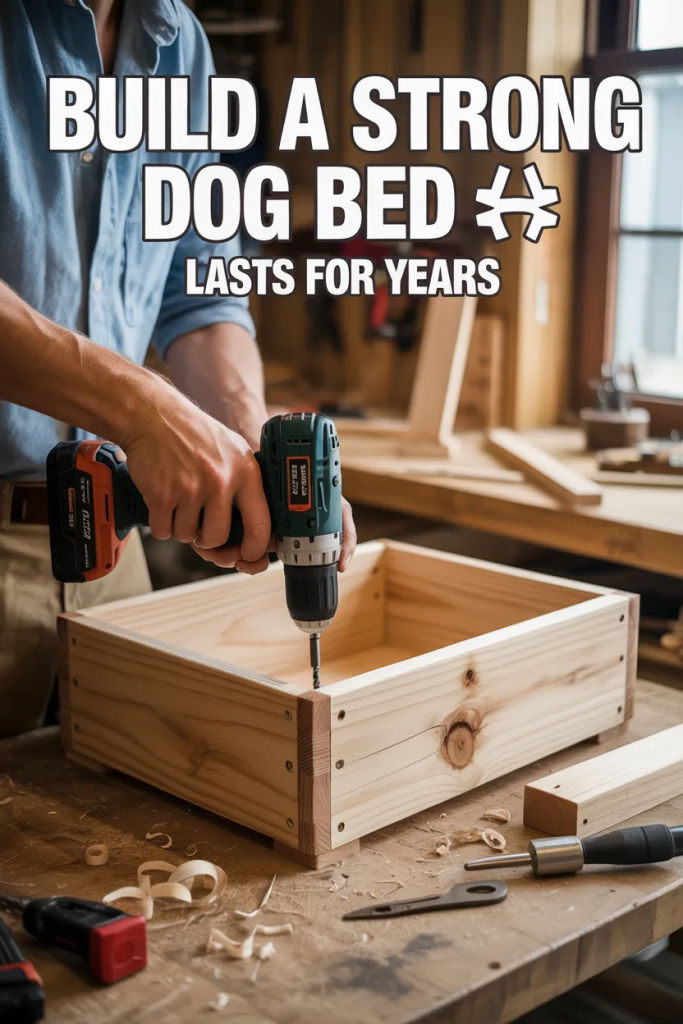
When I wanted something more durable, I built a simple wooden frame. It sounds complicated, but it’s actually pretty straightforward.
I used basic 2×4 wood to create a rectangle, added a plywood base, and placed a thick cushion on top. The frame keeps everything in place and looks much cleaner in the room.
This type of bed lasts much longer, especially if your dog tends to drag or bunch up bedding.
Repurposed Furniture Projects
This is probably the most fun option. I’ve turned old drawers and even a broken side table into dog beds.
One of my best builds was using a large drawer. I sanded it, added short legs, and placed a foam cushion inside. It looked great and cost almost nothing.
You can also use:
- Wooden pallets
- Old crates
- Low shelves
It’s a good way to reuse things instead of throwing them out.
Design Ideas for DIY Bed for Heavy Dogs
Orthopedic and Memory Foam Options
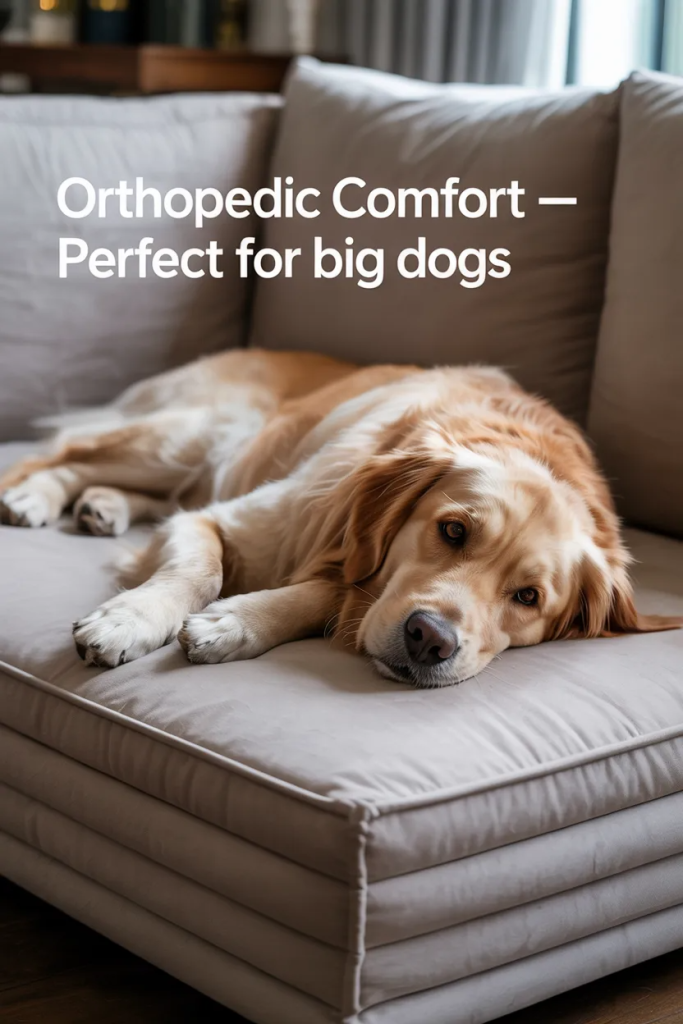
For large dogs, especially older ones, support is everything. Memory foam helps distribute weight evenly, which reduces pressure on joints.
I aim for at least 4 inches of thickness. Anything less tends to flatten quickly under a big dog’s weight.
If you want to go further, layering foam (firm base + soft top) creates a more balanced feel.
Outdoor-Friendly Dog Bed Designs
If your dog spends time outside, regular beds won’t last long. I learned this after one got soaked and started smelling within days.
Now I use:
- Water-resistant fabric
- Raised frames (to keep off the ground)
- Quick-drying materials
Elevated beds are especially useful in warm climates because they improve airflow and keep dogs cooler.
Stylish Covers and Patterns
I like beds that don’t look out of place in the house. Choosing the right cover helps with that.
Some good options:
- Neutral canvas for a clean look
- Denim for something casual
- Patterned fabric to hide dirt
Adding a zipper makes cleaning much easier. It’s a small detail that saves time later.
Maintenance and Longevity Tips for DIY Bed for Heavy Dogs
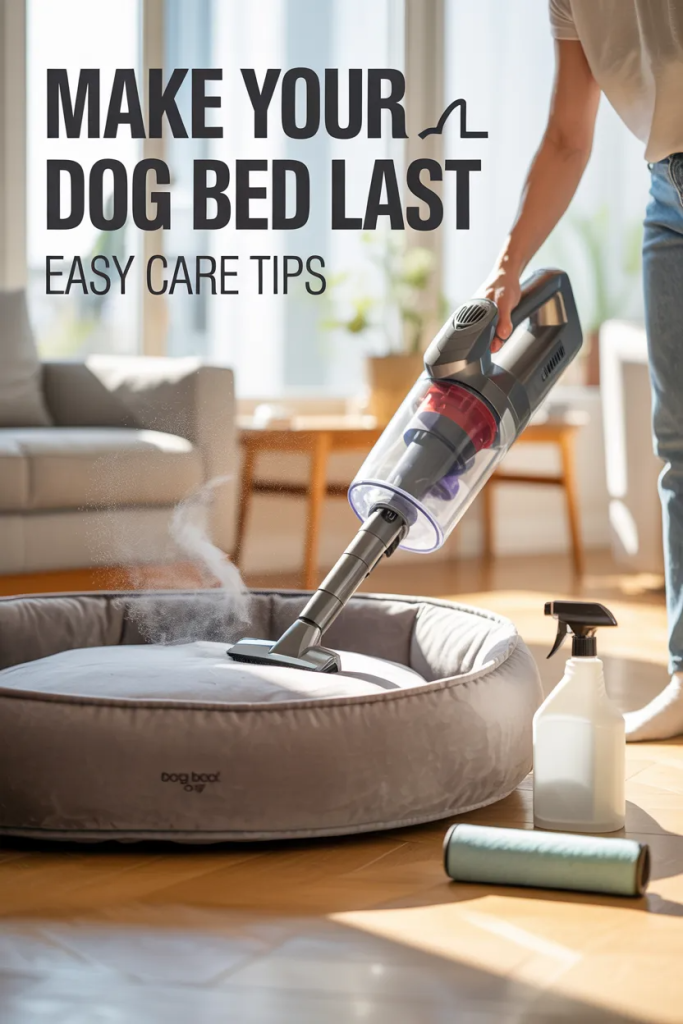
Cleaning and Washing DIY Dog Beds
I always design beds with removable covers. It makes cleaning much easier.
I wash covers every couple of weeks, depending on how dirty they get. For the inside, I usually spot clean instead of fully washing, especially if it’s memory foam.
Vacuuming between washes also helps keep things fresh.
Repairing Wear and Tear
DIY beds are easy to fix, which is one of their biggest advantages.
If I see a tear, I repair it right away before it gets worse. Loose screws or weak joints in wooden beds also need quick attention.
Fixing small issues early can easily double the life of the bed.
Keeping Beds Odor-Free
One trick I use regularly is sprinkling baking soda on the bed, letting it sit, and then vacuuming it off. It helps remove odors naturally.
I also place beds in well-ventilated areas and occasionally leave them in sunlight. That alone can make a big difference.
If accidents are a concern, a waterproof liner is a must. It protects the inside and keeps smells from building up.
make one, you’ll probably never go back to buying expensive beds again.
FAQs About DIY Dog Beds for Large Dogs

How thick should a DIY dog bed be for a large dog?
From what I’ve seen, thickness makes a big difference. For large dogs, I recommend at least 4 inches of foam, especially if they’re over 25–30 kg. If your dog is older or has joint issues, going up to 5–6 inches gives much better support.
What is the best material for a large dog bed?
In my experience, memory foam + durable fabric is the best combination. Memory foam supports joints, while fabrics like canvas or denim hold up against scratching and daily wear. Avoid thin or cheap materials—they won’t last long.
Can I make a dog bed without sewing?
Yes, and I’ve done it many times. No-sew beds are actually the easiest way to start. You can use fleece blankets with tied edges or simply place foam inside a strong cover or pillowcase. It’s quick, simple, and works surprisingly well.
How do I keep a DIY dog bed from smelling?
I usually follow a simple routine:
- Wash covers regularly
- Sprinkle baking soda between washes
- Use a waterproof liner
- Let the bed air out in sunlight
These small habits keep odors under control without much effort.
Are DIY dog beds durable enough for large dogs?
They can be even more durable than store-bought ones—if you build them right. I always use strong fabric, double stitching, and high-density foam. The advantage is that you can repair or upgrade parts instead of replacing the whole bed.
What size should I make the dog bed?
I measure my dog while they’re lying stretched out and then add 6–8 inches extra space. Large dogs need room to move and shift positions, so slightly bigger is always better than too small.
Can I use old household items to make a dog bed?
Definitely. I’ve used old pillows, blankets, drawers, and even furniture. Just make sure everything is clean, safe, and supportive enough. Adding a proper foam base usually improves comfort a lot.
How often should I clean a DIY dog bed?
I clean the cover every 2–3 weeks, or more often if my dog gets dirty. The inner foam doesn’t need frequent washing—just spot cleaning when needed.
Is memory foam safe for dogs?
Yes, it’s completely safe and actually one of the best options. It helps reduce pressure on joints and improves sleep quality, especially for large breeds and senior dogs.
What’s the easiest DIY dog bed for beginners?
The simplest one I recommend is the no-sew fleece bed. It takes less than an hour, doesn’t need tools, and still provides a soft, comfortable space for your dog.


