
Stop Puppy Biting at Night Once and for All with These 5 Proven Tips
Bringing home a puppy is exciting, but those first few weeks can be exhausting when your little companion turns into a nighttime nibbler. I still remember lying awake, wondering why my puppy became more mouthy after sunset than at any other time of day. What I eventually learned is that nighttime biting is usually a symptom of something else—extra energy, teething discomfort, overstimulation, or confusion about bedtime expectations.
The good news is that this behavior is temporary and manageable. With the right approach, you can help your puppy settle down, learn better habits, and make bedtime peaceful for everyone in the house.

Quick Summary
If you’re trying to stop puppy biting at night, focus on these key strategies:
- Give your puppy enough physical and mental exercise before bedtime.
- Offer appropriate chew toys for teething relief.
- Create a relaxing and comfortable sleeping space.
- Teach bite inhibition using consistent training.
- Follow the same bedtime routine every night.
- Avoid accidentally rewarding biting behavior.
- Seek professional guidance if biting becomes aggressive or excessive.
Key Takeaways
- Most nighttime puppy biting is normal and linked to development.
- Consistency matters more than intensity when training.
- Punishment often creates new problems instead of solving old ones.
- Puppies learn fastest when everyone in the household follows the same rules.
- A predictable routine can significantly reduce nighttime restlessness.
Why Puppies Bite (Especially at Night)

Understanding why your puppy bites is the first step toward solving the problem.
In my experience, many owners assume their puppy is being stubborn or naughty. More often, they’re simply responding to natural instincts and developmental changes.
Teething is one of the biggest reasons. Puppies typically begin losing baby teeth around three to four months of age. Sore gums create a strong urge to chew on anything available.
Another common cause is pent-up energy. Puppies spend much of the day sleeping, but when they don’t get enough activity, that energy often shows up at bedtime.
Some puppies also bite because they want attention. Even negative attention can reinforce the behavior if it consistently gets a response.
Anxiety can play a role as well. A young puppy adjusting to a new home may feel uncertain or lonely during quiet nighttime hours.
Once you identify the reason behind the biting, choosing the right solution becomes much easier.
1. Tire Them Out Before Bed
One of the most effective ways to stop puppy biting at night is surprisingly simple: make sure your puppy has had enough activity during the day.
A tired puppy is usually far less interested in chewing hands, pajamas, or blankets.
I like to schedule a combination of physical exercise and mental stimulation during the evening. Depending on your puppy’s age, this might include:
- A short walk
- Gentle fetch sessions
- Basic obedience training
- Puzzle toys
- Scent games
Mental exercise is often overlooked, but it can be just as tiring as physical activity.
Pro Tip
Avoid intense play during the last 30 minutes before bedtime. High-energy games can make your puppy more excited instead of helping them settle down.
Instead, transition into calmer activities as bedtime approaches.
2. Provide Safe Chew Alternatives
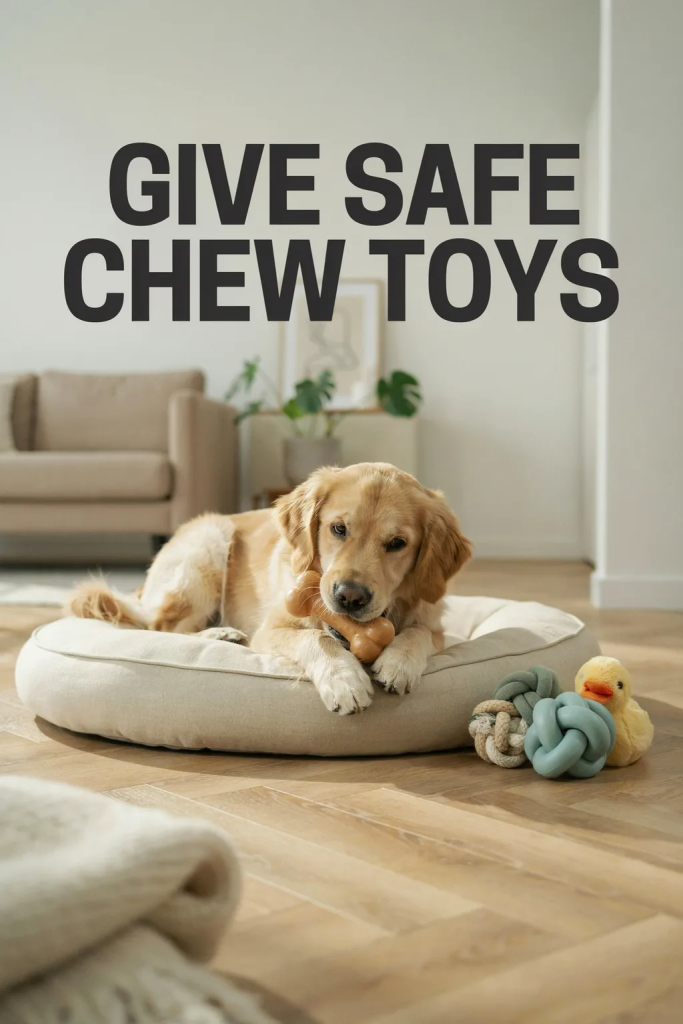
Puppies need to chew. It’s a natural part of their development.
The goal isn’t to stop chewing completely—it’s to teach your puppy what is appropriate to chew.
Whenever my puppy started mouthing hands or clothing, I immediately redirected him to an approved chew item. Over time, he learned that toys were far more rewarding than fingers.
Try This Simple Trick
Keep several chew options available:
- Durable rubber toys
- Puppy-safe teething toys
- Frozen chew toys
- Soft plush toys designed for puppies
- Vet-approved edible chews
Rotating toys every few days helps maintain interest and prevents boredom.
A Helpful Teething Solution
A chilled or frozen puppy-safe toy can provide significant relief for sore gums. Many puppies become noticeably calmer after chewing on something cool.
Always supervise your puppy with new toys and choose products appropriate for their age and size.
3. Set Up a Comfortable Sleep Environment
Sometimes nighttime biting has less to do with chewing and more to do with stress.
Think about how much your puppy’s life has changed. They’ve left their littermates, entered a new environment, and are learning unfamiliar routines.
A comfortable sleeping area can help them feel secure.
Here’s How to Make Bedtime Less Scary
Create a sleeping space that feels safe and predictable:
- Use a properly sized crate or playpen.
- Add soft bedding if your puppy doesn’t chew it.
- Include a favorite toy.
- Keep the sleeping area in a quiet location.
- Maintain a comfortable room temperature.
During my puppy’s first month at home, I kept his crate near my bed. Being able to hear familiar sounds seemed to help him relax and settle more quickly.
Common Mistake
Many owners move the crate repeatedly from room to room. Consistency helps puppies feel secure, so try to keep their sleeping area in the same location whenever possible.
4. Train Bite Inhibition (the Smart Way)

Bite inhibition teaches a puppy how much pressure is acceptable when using their mouth.
This skill is incredibly important because dogs naturally explore the world with their mouths.
The goal isn’t simply stopping biting—it’s teaching self-control.
Here’s the Simple 3-Step Trick I Swear By
Step 1: React Calmly
If your puppy bites too hard, say “ouch” or use a calm verbal marker.
Avoid screaming or making the situation overly exciting.
Step 2: End Interaction Briefly
Pause play and remove attention for several seconds.
This teaches your puppy that rough behavior causes fun activities to stop.
Step 3: Redirect to a Toy
Once your puppy settles, offer an appropriate chew toy and continue calmly.
Over time, your puppy begins to understand which behaviors keep attention coming and which behaviors make it disappear.
Why Consistency Matters
If one family member allows rough play while another discourages it, progress slows dramatically.
Make sure everyone follows the same approach.
5. Maintain a Calm Nighttime Routine
Puppies thrive on structure.
One of the biggest improvements I noticed came from creating a predictable evening schedule.
When puppies know what happens next, they tend to feel more relaxed and confident.
Here’s What a Good Bedtime Routine Looks Like
- Evening exercise session
- Dinner at a consistent time
- Final potty break
- Quiet play or cuddles
- Chew toy time
- Lights out at the same hour each night
After following a routine consistently for a week or two, many puppies begin settling automatically because they recognize the pattern.
A predictable routine benefits both the puppy and the owner.
Bonus Tip: Don’t Reinforce Bad Behavior
Many owners accidentally reward biting without realizing it.
For example, if your puppy bites and immediately receives attention, they may learn that biting is an effective way to start interaction.
Instead:
- Stay calm.
- Avoid dramatic reactions.
- Redirect to an appropriate toy.
- Reward calm behavior.
Remember that puppies repeat behaviors that work for them.
Make sure calm behavior gets the reward, not the biting.
Common Mistakes to Avoid

Even well-meaning owners sometimes slow their puppy’s progress.
Using Punishment
Harsh corrections can increase fear and anxiety, which may lead to additional behavior problems.
Inconsistent Rules
Mixed messages make learning difficult.
Ignoring Mental Stimulation
Physical exercise alone isn’t always enough.
Expecting Instant Results
Puppies are still learning. Progress often happens gradually rather than overnight.
Encouraging Rough Play
Games that involve chasing hands or wrestling can unintentionally encourage biting habits.
When to Worry (and Get Professional Help)
Most puppy biting is normal developmental behavior.
However, some situations deserve professional attention.
Contact your veterinarian or a qualified trainer if:
- Biting becomes increasingly intense.
- Your puppy appears fearful while biting.
- Growling accompanies routine handling.
- Training efforts show little improvement after several weeks.
- The behavior causes injuries.
Early intervention is usually easier and more effective than waiting for the problem to become established.
Resources for a Peaceful, Bite-Free Night
Building good habits takes time, but the effort pays off.
Helpful areas to focus on include:
- Basic obedience training
- Crate training
- Enrichment activities
- Interactive puzzle toys
- Socialization experiences
- Positive reinforcement techniques
The more opportunities your puppy has to learn appropriate behaviors during the day, the easier nighttime becomes.
Final Thoughts: Sleep Tight, Bite-Free Nights Ahead

Learning how to stop puppy biting at night isn’t about finding a magic trick. It’s about understanding why the behavior happens and responding consistently.
Most puppies outgrow excessive biting when their physical, mental, and emotional needs are met.
Remember the five key steps:
- Burn energy before bedtime.
- Offer safe chewing options.
- Create a comfortable sleep environment.
- Teach bite inhibition consistently.
- Follow a predictable nighttime routine.
Stay patient, celebrate small improvements, and remember that this stage won’t last forever. With the right guidance, your puppy will soon trade nighttime nibbling for peaceful sleep—and you’ll finally get the rest you’ve been missing.