
10 Crucial Training Tips for Shih Tzu Owners: Ensuring a Well-Mannered and Happy Pet
Shih Tzus are loving companion dogs with big personalities packed into a small body. From my experience, they learn quickly when training is consistent, positive, and started early. While they are naturally affectionate, they can also be stubborn if they are allowed to develop bad habits.
In this guide, I’ll share the most important training tips that have helped many Shih Tzu owners raise confident, polite, and happy dogs. You’ll learn how to handle socialization, house training, leash walking, grooming, and common behavior problems before they become difficult to manage.
Key Takeaways
Daily affection strengthens trust and improves training results.
Start training as soon as your Shih Tzu comes home.
Early socialization helps prevent fear and anxiety.
Crate training provides structure and security.
Consistent house training creates reliable bathroom habits.
Leash training improves safety and daily walks.
Clear boundaries help prevent unwanted behaviors.
Mental stimulation is just as important as physical exercise.
Early grooming training reduces stress later in life.
Positive reinforcement works better than punishment.
1. Start Training Early
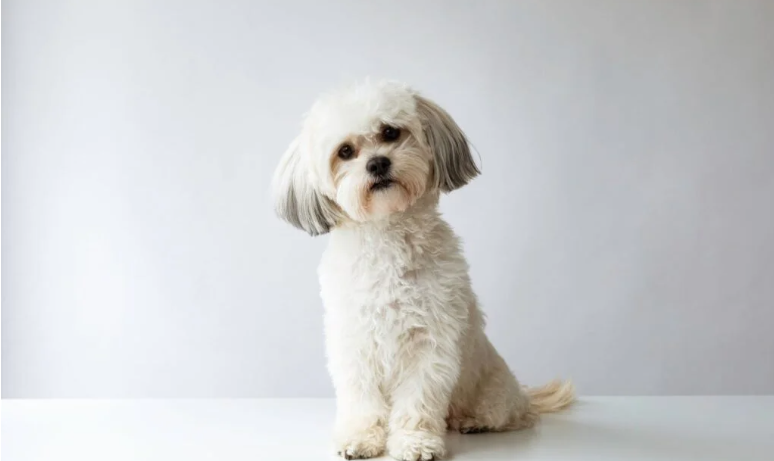
I always recommend beginning training from the first day your Shih Tzu arrives home. Puppies absorb new information quickly during their early months, making it easier to teach good habits before bad ones develop.
Simple commands like sit, stay, and come should be introduced through short training sessions lasting five to ten minutes. Studies show that dogs learn more effectively through frequent short sessions than long training periods.
Using treats, praise, and consistency helps create a positive learning experience that builds confidence and trust.
2. Socialization is Essential
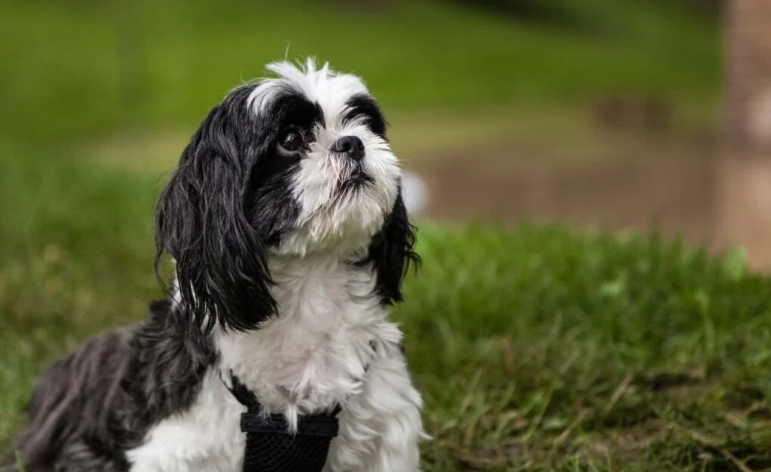
One of the most valuable things I can do for a Shih Tzu is expose them to different environments, sounds, people, and pets early in life. Proper socialization helps reduce fear-based behaviors and creates a more relaxed adult dog.
I like introducing new experiences gradually while rewarding calm behavior. Positive exposure teaches a dog that unfamiliar situations are safe and normal.
Well-socialized dogs are generally easier to train and more comfortable during travel, vet visits, and family gatherings.
3. Crate Training
A crate can become one of the most useful training tools when introduced correctly. I view it as a safe personal space rather than a form of punishment.
Most Shih Tzus adapt well when the crate includes comfortable bedding, toys, and positive experiences. Feeding meals near or inside the crate can help create positive associations.
Crate training also supports house training and provides a secure place when visitors arrive or travel is necessary.
4. House Training

House training requires patience, consistency, and a predictable routine. I take puppies outside first thing in the morning, after meals, after naps, and before bedtime.
Whenever my dog eliminates in the correct area, I immediately offer praise and rewards. Quick reinforcement helps connect the behavior with the reward.
Accidents happen, especially during the early stages. Staying calm and consistent produces better long-term results than punishment.
5. Leash Training
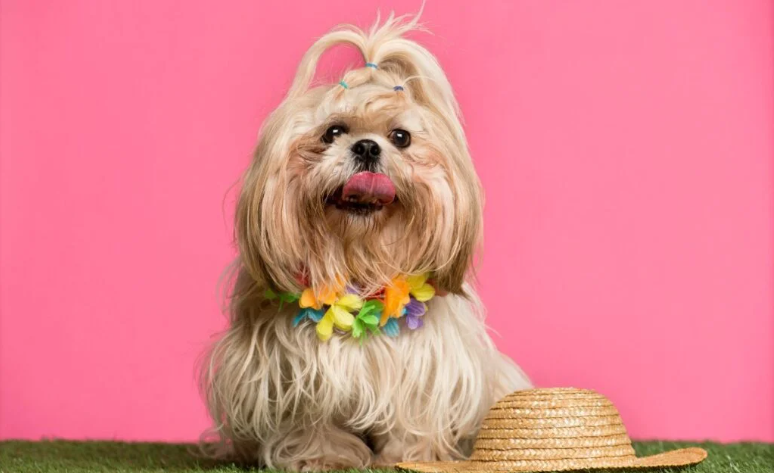
Many people assume small dogs naturally walk well on a leash, but that is not always true. I start leash training indoors where there are fewer distractions.
Allowing a Shih Tzu to become comfortable wearing a collar and leash before outdoor walks can make the process easier. Rewarding calm walking encourages good habits from the beginning.
With regular practice, daily walks become more enjoyable for both the dog and owner.
6. Teach Boundaries and Limits
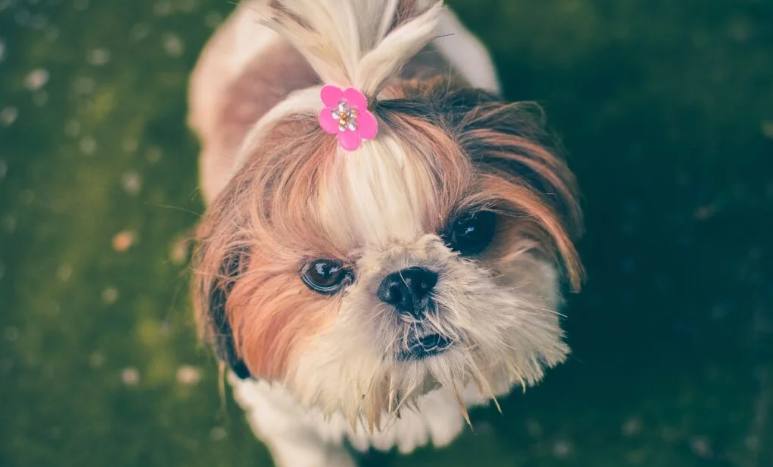
Every dog benefits from understanding household rules. I establish clear expectations about furniture access, feeding routines, and restricted areas early on.
Consistency is critical. If rules change every day, a Shih Tzu may become confused and test limits more often.
Using the same commands and expectations helps create structure and encourages respectful behavior throughout the home.
7. Address Behavioral Issues Early
Small behavior problems can become larger challenges if ignored. Excessive barking, chewing, jumping, or attention-seeking behaviors should be addressed as soon as they appear.
I first identify the cause of the behavior. In many cases, boredom, anxiety, lack of exercise, or inconsistent training contributes to unwanted habits.
Redirecting the dog toward acceptable behaviors and rewarding good choices often works better than punishment.
8. Mental Stimulation
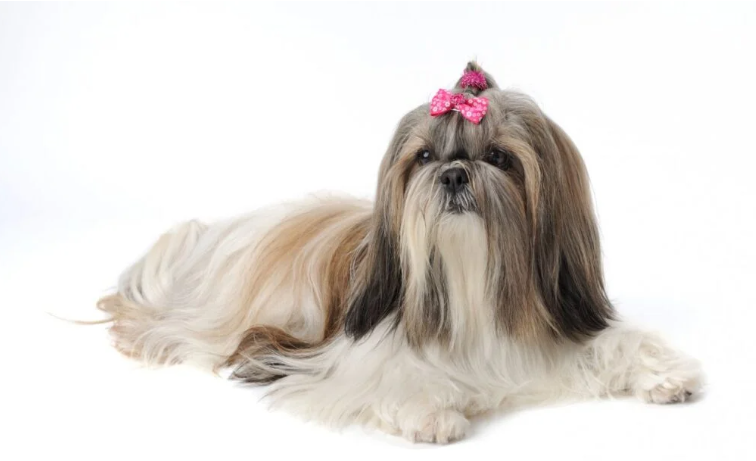
Shih Tzus may not require intense physical exercise, but they still need mental challenges. Keeping their minds active helps prevent boredom and destructive behaviors.
I like using puzzle toys, obedience practice, scent games, and interactive play sessions to keep training fun and engaging.
Research suggests that mental stimulation can tire a dog almost as effectively as physical exercise, making it an important part of daily care.
9. Grooming and Handling Training
Because Shih Tzus require frequent grooming, I introduce brushing and handling as early as possible. Early exposure helps reduce resistance during future grooming sessions.
Regularly touching paws, ears, and the mouth teaches a dog to remain calm during nail trims, ear cleaning, and veterinary exams.
Keeping grooming experiences positive with treats and praise can make lifelong coat care much easier.
10. Love and Affection
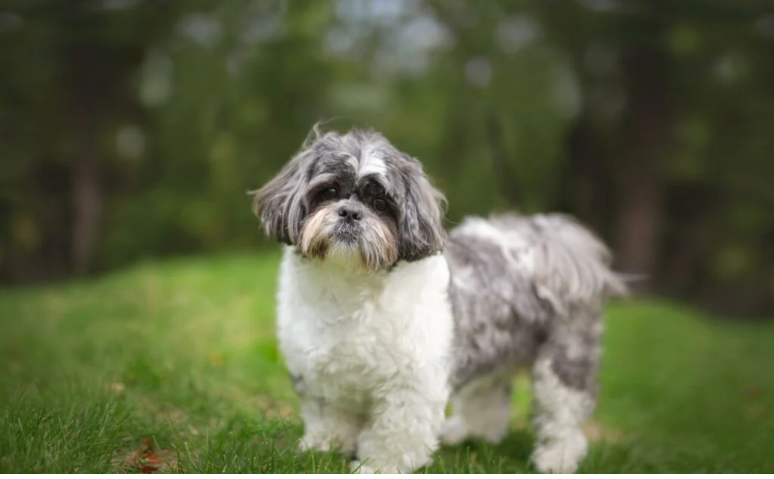
Training is not only about rules and commands. In my experience, the strongest training results come from a relationship built on trust and affection.
Shih Tzus naturally enjoy spending time with their families. Daily play sessions, cuddles, and positive interaction strengthen that bond.
When a dog feels secure and connected, they are often more willing to learn and cooperate during training.
FAQs on Foods That Rottweilers Should Avoid
Conclusion of Training Tips for Shih Tzu Owners
Training a Shih Tzu takes patience, consistency, and positive reinforcement. By starting early, setting boundaries, and balancing discipline with affection, owners can raise a well-behaved and happy companion.
Check Also
How To Train An Alaskan Malamute | Dog Things Only