Top 10 Small Dog Breeds for Your Home: Best Tiny Dogs for Families
Written By:

If you’re thinking about bringing a dog into your home, small dog breeds are often one of the easiest places to start. Over the years, I’ve met countless dog owners who chose smaller breeds because they fit well into apartments, travel easily, and are generally less expensive to care for than larger dogs.
That said, not all small dogs are the same. Some are energetic and adventurous, while others are happiest curled up beside you on the couch. Choosing the right breed depends on your lifestyle, activity level, and family situation.
In this guide, I’ll walk through some of the most popular small dog breeds and explain why so many families love them. I’ll also share the biggest benefits of owning a small dog and a few things people often overlook before bringing one home.

Quick Summary & Key Takeaways
- Small dogs are ideal for apartments and smaller homes.
- Most small breeds are easier and less expensive to feed.
- Many small dogs live longer than larger breeds.
- They are easier to travel with and transport.
- Small breeds come in a wide range of personalities.
- Regular training is still important despite their size.
- Many small dogs make excellent watchdogs.
French Bulldog

The French Bulldog has become one of the most sought-after companion dogs in recent years, and it’s easy to see why.
Frenchies are affectionate, entertaining, and generally happy to spend time wherever their owners are. I often describe them as professional couch companions because they enjoy relaxing just as much as they enjoy playtime.
Their compact size makes them a great option for apartment living. However, potential owners should know that French Bulldogs can be prone to breathing issues due to their short snouts, so keeping them cool during hot weather is important.
Best For:
- Apartment dwellers
- First-time dog owners
- Families looking for a low-energy companion
Beagle
Beagles may be small, but they have the heart of an explorer.
Originally bred as scent hounds, they possess an incredible sense of smell and love following interesting scents wherever they lead. If you own a Beagle, expect curiosity to be part of daily life.
They’re known for being friendly with children and other pets, making them a solid family dog. Just remember that their nose often takes charge, so secure fencing and leash walks are essential.
Best For:
- Active families
- Homes with children
- Owners who enjoy outdoor activities
Poodle (Toy and Miniature)
Poodles consistently impress me with their intelligence.
Both Toy and Miniature Poodles learn commands quickly and often excel in obedience training. They’re highly adaptable and can fit comfortably into many different living situations.
One major advantage is their low-shedding coat. While no dog is completely hypoallergenic, many allergy sufferers find Poodles easier to live with than other breeds.
Best For:
- Allergy-conscious households
- Owners interested in training
- Families seeking an intelligent companion
Yorkshire Terrier

Yorkshire Terriers may be tiny, but they don’t seem to realize it.
Yorkies often display remarkable confidence and courage despite their small size. I’ve seen many Yorkies confidently approach situations that would make much larger dogs hesitate.
Their beautiful coat requires regular grooming, but many owners choose shorter trims to simplify maintenance.
Best For:
- Singles and couples
- Smaller living spaces
- Owners looking for a loyal companion
Daschund
Few dogs are as recognizable as the Dachshund.
Their long body and short legs give them a unique appearance, but there’s much more to them than looks. Dachshunds are energetic, brave, and surprisingly determined.
Because of their body structure, owners should take extra care to protect their backs. Limiting excessive jumping can help reduce the risk of spinal problems later in life.
Best For:
- Experienced dog owners
- Small homes
- People wanting a bold personality in a small package
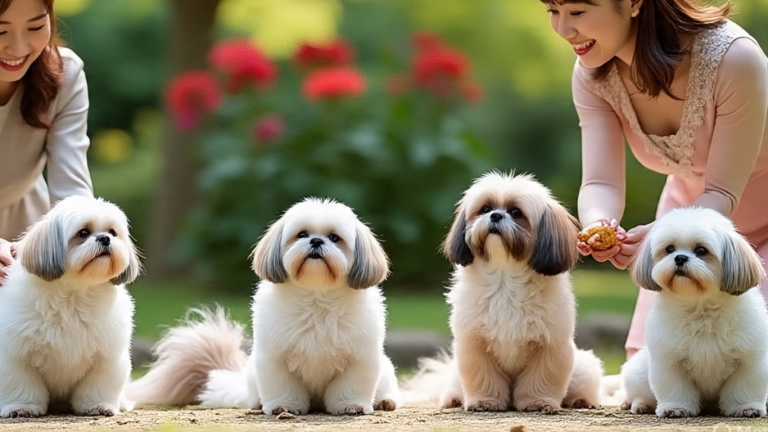
Shih Tzu

The Shih Tzu was bred to be a companion dog, and that purpose still shines through today.
These dogs thrive on human interaction and often prefer spending time with family members over participating in intense physical activities.
I’ve found that Shih Tzus adapt particularly well to apartment living because they don’t require long daily exercise sessions. Their friendly nature also makes them popular among families and seniors.
Best For:
- Apartment living
- Seniors
- Families wanting an affectionate lap dog
Maltese
The Maltese is one of the oldest toy breeds and remains popular for good reason.
These dogs are gentle, friendly, and highly devoted to their owners. Despite their elegant appearance, they enjoy playtime and can be surprisingly energetic.
Their white coat requires routine grooming, but many owners feel the effort is worth it for such a loving companion.
Best For:
- Families
- Retirees
- Homes seeking a low-shedding breed
Pomeranian

Pomeranians have personalities much larger than their bodies.
These fluffy little dogs are alert, curious, and always seem ready for adventure. They tend to form strong bonds with their families and often enjoy being the center of attention.
One thing prospective owners should know is that Pomeranians can be vocal. Early training helps keep excessive barking under control.
Best For:
- Experienced owners
- Families with older children
- People wanting an alert watchdog
Chihuahua
Chihuahuas are among the smallest dog breeds in the world, but their confidence is legendary.
They often bond very closely with one or two people and enjoy being involved in daily activities. Their small size makes them easy to transport and ideal for compact living spaces.
Proper socialization from an early age can help prevent overly protective behavior and build confidence around strangers.
Best For:
- Singles
- Apartment residents
- Owners wanting a highly devoted companion
Bichon Frise
The Bichon Frise is one of the happiest dogs you’ll ever meet.
These cheerful dogs are playful, affectionate, and generally eager to make friends. Their fluffy white coat gives them a teddy bear appearance that many families find irresistible.
Bichons also tend to do well with children and other pets, making them a versatile family choice.
Best For:
- Families
- Multi-pet households
- First-time dog owners
Here are Some Benefits of Having a Small Dog!
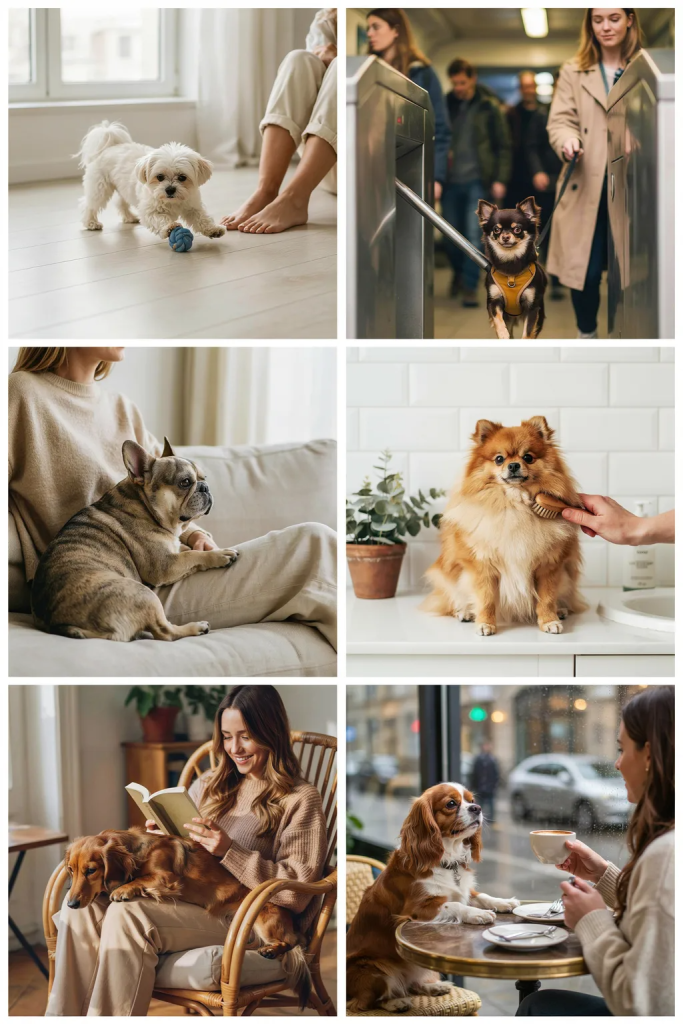
There are many reasons why small dog breeds continue to grow in popularity. Beyond their adorable appearance, they offer practical advantages that fit modern lifestyles.
Less Activity Needs
Most small dogs don’t require the same level of exercise as larger working breeds.
While daily walks remain important, many toy and companion breeds are satisfied with shorter exercise sessions and indoor play.
For busy owners or people with limited mobility, this can be a major advantage.
You Get the Freedom of Movement
Traveling with a small dog is usually much easier.
Whether you’re visiting friends, staying at pet-friendly hotels, or taking road trips, smaller breeds are easier to transport and manage.
Many carriers and travel accommodations are specifically designed with small dogs in mind.
Small Dog Breeds Aren’t Intimidating to People
Smaller dogs often make social situations easier.
Visitors, neighbors, and children generally feel more comfortable approaching a tiny dog than a large breed they’ve never met before.
This can be especially helpful for owners who enjoy bringing their dogs to public places.
Bath Times Aren’t As Stressful
Bathing a small dog is usually a simpler task.
Less shampoo, less water, and less physical effort often mean grooming sessions are quicker and easier to manage at home.
Routine care can feel much less overwhelming compared to handling a giant breed.
They Have a Longer Lifespan
One fact many people don’t realize is that smaller dogs often outlive larger breeds.
Many small breeds commonly reach 12–16 years of age, and some even live beyond 18 years with proper care.
This allows owners to enjoy more years with their furry companions.
Small Dog Breeds can Intimidate Intruders
Despite their size, many small dogs make excellent watchdogs.
They tend to notice unusual sounds quickly and won’t hesitate to alert their owners when something seems out of place.
While they may not physically stop an intruder, they can certainly provide an early warning.
Most Popular Small Dog Breeds in the United States!

Year after year, breeds like French Bulldogs, Poodles, Dachshunds, Beagles, and Chihuahuas remain among the most popular choices for American dog owners.
Their combination of manageable size, adaptability, and lovable personalities makes them appealing to a wide variety of households.
The best breed isn’t necessarily the most popular one. It’s the dog whose energy level, temperament, and care requirements match your lifestyle.
All in All: Small Dog Breeds

Small dog breeds offer an impressive combination of companionship, convenience, and personality. Whether you prefer the playful charm of a Bichon Frise, the intelligence of a Poodle, or the loyalty of a Chihuahua, there’s a small breed that can fit almost any home.
Before choosing a dog, spend time researching the breed’s temperament, grooming needs, health concerns, and activity level. The more closely a breed matches your daily routine, the happier both you and your dog will be.
A small dog may not take up much space in your home, but it will quickly become a huge part of your life.
Pro Tip
Don’t choose a breed based only on appearance. Focus on energy level, grooming needs, trainability, and temperament. These factors have a much bigger impact on daily life than looks alone.