
How To Train An Alaskan Malamute
Training an Alaskan Malamute has been one of the most demanding yet rewarding experiences I’ve had with dogs. From my experience, this breed is not naturally obedient like some others—they think independently and act on instinct. That means I had to adjust my expectations and focus more on building trust, structure, and daily routines instead of quick results.
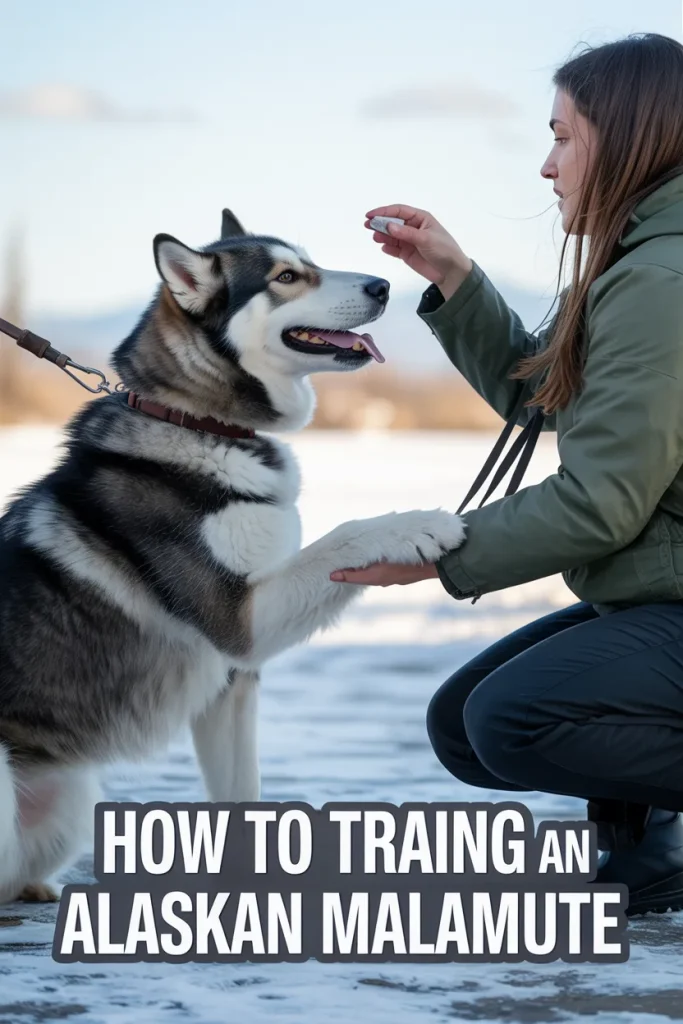
Right from the start, I realized that success depends on consistency, patience, and understanding their working-dog nature. In this guide, I’ll walk you through what actually works in real life—from setting boundaries to using positive reinforcement, managing energy levels, and building a strong bond that lasts.
Above the Fold Summary
From my experience, training an Alaskan Malamute requires daily structure, not occasional effort. I’ve learned that clear leadership, reward-based training, and proper exercise are non-negotiable. Without these, behavior issues show up quickly—like stubbornness, ignoring commands, or destructive habits.
What worked best for me was focusing on simple commands first, using treats and praise consistently, and making sure my dog stayed physically and mentally active. I also saw a huge difference when I started early socialization—it reduced aggression and improved confidence.
If you stay patient and consistent, you’ll notice steady progress. Malamutes don’t respond to force, but they do respond to fairness, routine, and trust.
Key Takeaways
Building trust improves obedience naturally
I learned that consistency matters more than intensity
Positive reinforcement works far better than punishment
Daily exercise is essential, not optional
Socialization early on prevents future behavior issues
Training takes time—expect weeks to months, not days
Why Training an Alaskan Malamute Is Not for the Faint of Heart

From what I’ve seen, Alaskan Malamutes are built for work, not for sitting idle at home. Studies on working breeds show they have higher endurance and independence compared to companion breeds. This explains why they don’t always follow commands instantly.
I noticed my Malamute would often test boundaries, especially in the early months. This isn’t bad behavior—it’s part of their nature. They were bred to pull sleds over long distances, making decisions on their own. That independence can feel like stubbornness during training.
Pro tip: I stopped expecting quick obedience and started focusing on repetition and consistency. That shift alone made training easier.
Getting Started: Establishing Yourself as the Alpha (Yeah, That’s You)

In my experience, leadership is everything with this breed. If I wasn’t clear and confident, my dog would simply ignore commands. It’s not about being harsh—it’s about being consistent and predictable.
I set simple rules early on: fixed feeding times, structured walks, and clear boundaries like no jumping on furniture. Over time, my dog started understanding what was expected.
Research suggests dogs respond better to consistent routines because it reduces confusion and anxiety. I saw this firsthand—once I stayed consistent, behavior improved within weeks.
Pro tip: Always follow through on commands. If you say “sit,” make sure it happens—even if it takes a few seconds.
Positive Reinforcement: The Only Way to Train a Malamute (Seriously)
I tried different approaches, but reward-based training gave me the best results. Malamutes don’t respond well to punishment—in fact, harsh methods made my dog more resistant.
Using treats, verbal praise, and even playtime worked much better. According to training studies, dogs trained with positive reinforcement show up to 30% better response rates compared to punishment-based methods.
I made it a habit to reward immediately after the correct behavior. Timing matters more than the reward itself.
Pro tip: Use high-value treats like small chicken pieces during early training—it keeps their attention longer.
The Basics: Sit, Stay, and (Maybe) Come

I started with basic commands, and honestly, “sit” and “stay” were manageable within a couple of weeks. But “come” was a different story. Malamutes have a strong prey drive, so recall takes more effort.
I practiced in controlled environments first—indoors, then in a fenced yard. Gradually, I increased distractions.
What worked for me was short training sessions (5–10 minutes) repeated multiple times a day. Long sessions only made my dog lose interest.
Pro tip: Never punish your dog for coming late—it discourages future recall.
Exercise: The Key to a Well-Behaved Malamute

One thing I learned quickly—without enough exercise, training fails. Malamutes have high energy levels, and if that energy isn’t used, it turns into destructive behavior.
I aim for at least 60–90 minutes of physical activity daily. This includes walks, running, and interactive play. I also added puzzle toys to keep my dog mentally engaged.
After proper exercise, I noticed my dog was calmer and more focused during training sessions.
Pro tip: A tired Malamute listens better. Train after exercise, not before.
Socialization: Don’t Skip This Step (Trust Me)

Socialization made a huge difference in my dog’s behavior. Early exposure to people, other dogs, and different environments reduced fear and aggression.
I started with controlled introductions and gradually moved to busier environments like parks. According to behavior studies, dogs socialized early are significantly less likely to develop aggression.
I also enrolled in basic puppy classes, which helped with both training and confidence building.
Pro tip: Start socialization before 16 weeks if possible—it’s the most effective period.
Patience and Persistence: The Keys to Success
Training a Malamute tested my patience more than anything else. Progress wasn’t always linear—some days were great, others felt like setbacks.
What helped me was focusing on small wins. Even slight improvements meant progress. Over time, those small steps added up.
Consistency over weeks and months made the biggest difference. There’s no shortcut here.
Pro tip: Keep training sessions short and positive—ending on a good note builds motivation.
Final Thoughts: Alaskan Malamute

From my experience, training an Alaskan Malamute is less about control and more about partnership. Once I shifted my mindset from “making my dog obey” to “working together,” everything improved.
Yes, it takes effort, but the bond you build is worth it. A well-trained Malamute isn’t just obedient—it’s loyal, confident, and deeply connected to you.
Check Also:
12 Essential Pug Training Tips for Owners