

Is Your Puppy Overstimulated? Signs, Causes & Simple Ways to Calm Your Puppy Fast
Written By:

I’ve dealt with bad dog breath more times than I can count, and honestly, it’s not something you can ignore. Instead of relying on expensive store treats, I started using carrots at home—and the difference was noticeable. They’re affordable, naturally crunchy, and actually help reduce plaque when used the right way.
Raising a puppy has been one of the most exciting but exhausting experiences for me. One minute everything feels calm, and the next, my puppy is running wild with zero control. I learned pretty quickly that this kind of behavior is often not “bad behavior” — it’s overstimulation.
In simple terms, overstimulation happens when a puppy’s brain and body take in more than they can handle. Studies show puppies need 18–20 hours of sleep daily, and when they don’t get it, their behavior changes fast. In this guide, I’ll break down the signs, causes, and real solutions that have worked for me.
Key Takeaways:
- Overstimulation is common in puppies and often mistaken for bad behavior
- Lack of sleep is one of the biggest triggers
- Signs include zoomies, biting, barking, and sudden crashes
- Creating structure and calm environments helps a lot
- Small routine changes can prevent most issues
How to Tell If Your Puppy’s Overstimulated

Zoomies on Steroids
I used to think zoomies were always harmless, but I noticed when they lasted too long or got intense, something was off. When my puppy couldn’t stop running or settle down, it was usually a clear sign of overload.
Pro Tip: If zoomies go beyond 5–10 minutes, it’s time to guide your puppy toward rest.
Tiny Teeth of Terror
Puppy biting is normal, but I saw a big difference between playful nipping and aggressive biting. When my puppy got overstimulated, the biting became harder and more frequent.
Insight: Overstimulated puppies lose impulse control, which is why they bite more than usual.
Reacting to Everything
I noticed my puppy barking at small things that normally didn’t matter—like random sounds or movement. This hypersensitivity is a strong signal that their brain is overwhelmed.
Fact: Puppies process new stimuli slower than adult dogs, which makes them more prone to overload.
Crash and Burn
One of the biggest signs I observed was sudden exhaustion. After intense activity, my puppy would just collapse and fall asleep instantly.
This “crash” happens because their body hits its limit.
Why Puppies Get Overstimulated
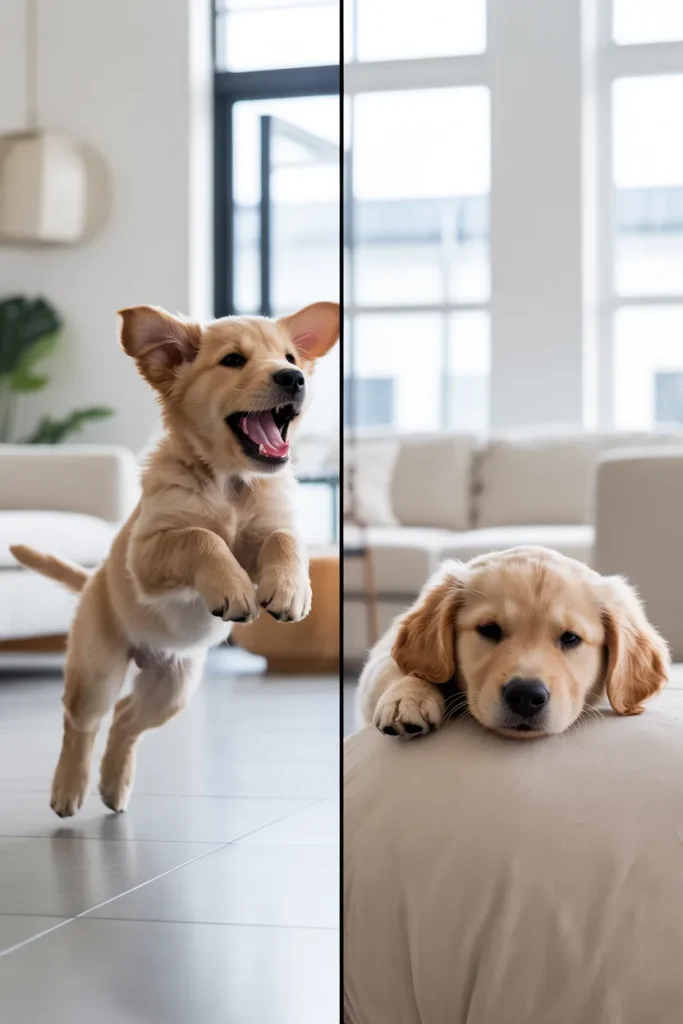
Too Much Excitement
Puppies get excited very easily. I realized even simple play sessions could push them over the edge if they went on too long.
Too Many New Experiences
When I introduced too many people or environments in one day, my puppy struggled to cope.
Stat Insight: Experts recommend limiting new exposures to 1–2 new experiences per day for young puppies.
Not Enough Sleep
This was the biggest mistake I made early on. Without proper naps, my puppy became hyper and difficult.
Pro Tip: Schedule naps every 1–2 hours during the day.
Too Much Energy, No Outlet
If my puppy didn’t get structured play or mental stimulation, the energy built up and came out in chaos.
How to Help Your Overstimulated Puppy
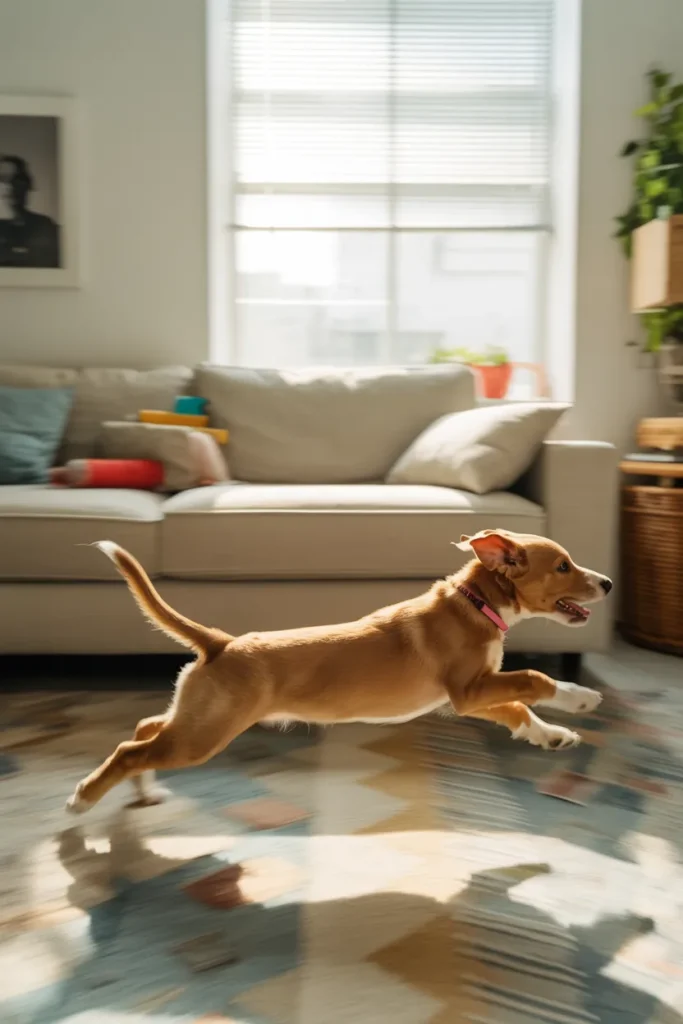
Create a Chill Zone
I created a quiet space with a bed and toys where my puppy could relax. This made a huge difference.
Pro Tip: Use the same spot daily so your puppy associates it with calmness.
Nap Time Is Non-Negotiable
I started enforcing nap times, and behavior improved almost immediately.
Fact: Sleep directly impacts a puppy’s mood, focus, and behavior.
Slow It Down with Socializing
Instead of doing everything at once, I introduced new experiences slowly. This helped my puppy stay calm and confident.
Work That Brain
Mental activities like puzzle toys and training sessions helped reduce excess energy.
Insight: 10–15 minutes of mental stimulation can tire a puppy more than physical play.
Stay Chill Yourself
I noticed my puppy mirrored my energy. When I stayed calm, my puppy settled faster.
What NOT to Do When Your Puppy’s Overstimulated
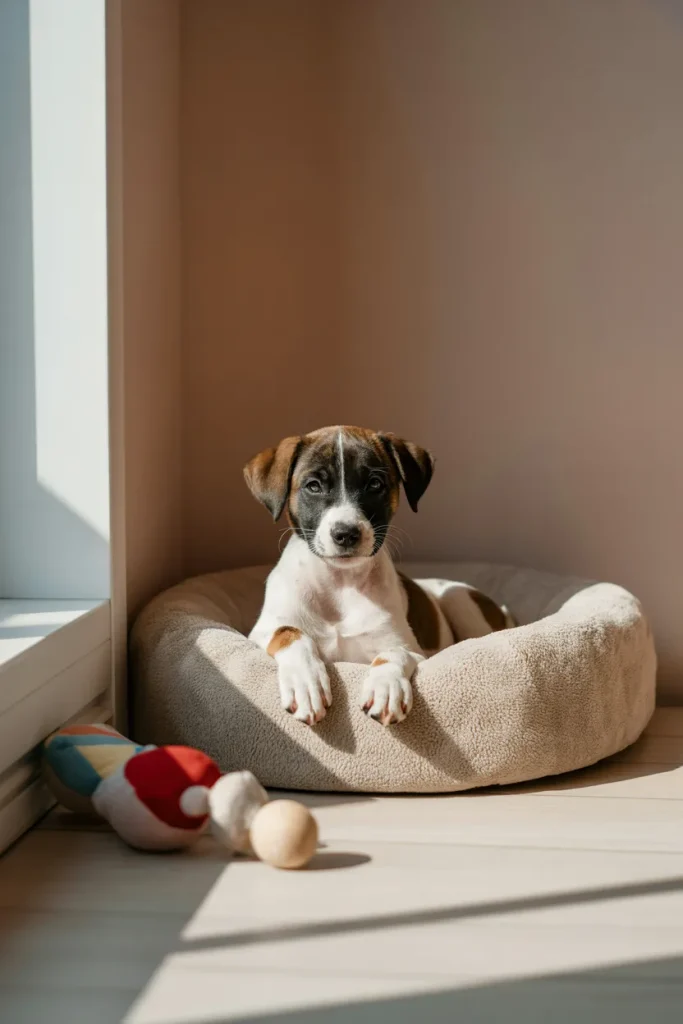
Don’t Yell
I learned that yelling only made things worse. It either scared my puppy or made them more excited.
Don’t Give Attention to Bad Behavior
Even negative attention reinforced bad habits. Ignoring unwanted behavior worked better.
Don’t Expect Perfection
Progress takes time. I had to remind myself that my puppy is still learning.
Preventing Overstimulation (Yes, It’s Possible)
Stick to a Schedule
Once I built a daily routine, everything became easier. Puppies feel safer with consistency.
Short Bursts of Play
I kept play sessions short and controlled, which helped avoid burnout.
Balance Activity and Rest
I made sure every active period was followed by rest. This balance changed everything.
Teach Calming Commands
Simple commands like “settle” helped me control situations before they got out of hand.
Pro Tip: Train calming commands during quiet moments, not during chaos.
You’ve Got This
From my experience, overstimulation is one of the most misunderstood parts of raising a puppy. It’s not about having a “bad dog”—it’s about understanding their limits.
With the right routine, enough sleep, and a calm approach, things improve faster than you expect. It takes patience, but the results are worth it.