

6 Natural Antibiotics for Dogs: Because Sometimes Nature Knows Best
If you have a dog, you know that being a pet parent isn’t just about belly rubs and walks in the park. One moment your pup is rolling in the grass, happy as can be, and the next, you’re staring at a strange rash or wondering why they’re sneezing.
It’s completely natural to feel anxious about their health because, honestly, they’re family. Knowing what natural remedies can help is a huge relief—and it’s something every dog owner should be aware of.

Yes, there are natural antibiotics for dogs. Mother Nature has given us several remedies that can help fight bacteria, fungi, and even viruses—but it’s important to remember that these are meant for mild health issues. For anything serious, like a deep wound, persistent infection, or high fever, you should always consult a veterinarian. These natural solutions are here to support your dog’s health, not replace professional care.
Honey: Nature’s Sweet Cure-All

Honey isn’t just a sweet treat—it’s a natural healer. Manuka honey in particular is incredibly potent. It has antibacterial, antifungal, and even antiviral properties. Dogs usually love the taste, so giving it in small amounts is easy.
How Honey Helps Dogs
- Wounds and cuts: Applying a tiny amount to a clean cut or scrape helps protect it from bacteria and promotes faster healing.
- Sore throats: A small spoonful can soothe irritation if your dog has a dry cough.
Tips for Using Honey Safely: Always choose raw, unpasteurized honey. The processed kind loses much of its natural healing power. Start with a very small amount—your dog doesn’t need a lot for it to work.
Coconut Oil: The Secret to Shiny Coats and Health
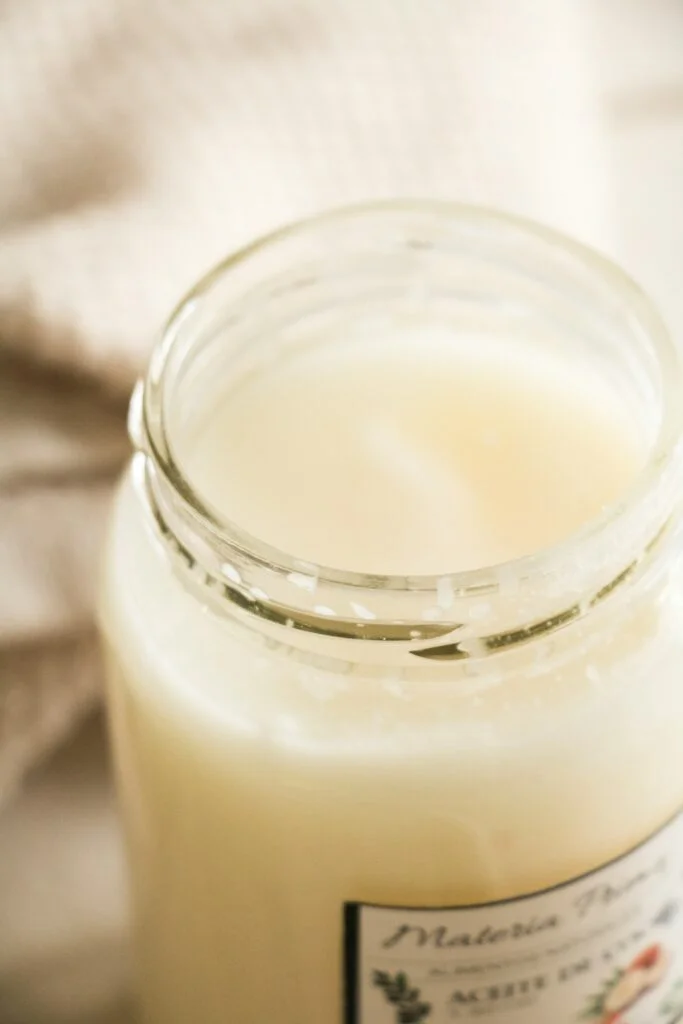
Coconut oil isn’t just for humans—it works wonders for dogs too. The magic ingredient is lauric acid, which has antibacterial, antifungal, and antiviral benefits. Plus, it leaves your pup’s coat shiny and smelling slightly tropical.
Ways Coconut Oil Can Help
- Skin irritations: Rub a little onto hot spots, minor cuts, or rashes to calm inflammation and fight infection.
- Digestive support: Adding a teaspoon (start small!) to their food can help improve digestion and ease tummy troubles.
It’s safe, natural, and a great addition to your dog’s daily routine.
Garlic: A Controversial but Powerful Ally
Garlic is often debated because in large amounts it can be harmful to dogs. But in very small, controlled doses, it can act as a natural antibiotic and help boost immunity. It’s important to be careful and watch your dog’s response.
How Garlic Can Help
- Parasite prevention: Fleas don’t like garlic, so tiny amounts in food may help keep them away.
- Minor infections: Garlic’s antibacterial properties can help fight small infections.
How to Use Garlic Safely
- Stick to fresh garlic; powdered garlic doesn’t work the same way.
- Chop it and let it sit for about 10 minutes to activate the beneficial compounds.
- Avoid garlic if your dog has a sensitive stomach or is on certain medications, and always consult your vet first.
Apple Cider Vinegar: The All-Rounder

Apple cider vinegar (ACV) isn’t just a human health trend—it’s amazing for dogs too. It has antimicrobial properties that can help with skin issues, ear infections, and even digestion.
Using ACV for Your Dog
- Ear care: Dilute ACV with water and gently clean your dog’s ears to reduce bacteria and irritation.
- Skin relief: Spray diluted ACV on itchy spots or minor rashes to calm inflammation.
- Digestive support: Adding a tiny amount to water can improve gut health.
Important: Always dilute ACV. Direct contact with undiluted vinegar can sting and irritate your dog’s skin or stomach. Avoid using it on open wounds.
Oregano Oil: Small but Mighty
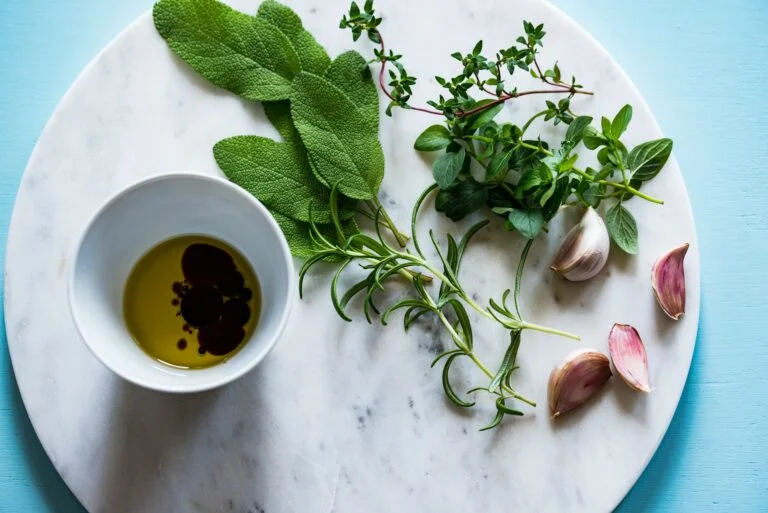
It might surprise you that oregano oil, a common kitchen herb, is a potent natural antibiotic for dogs. It contains carvacrol and thymol, compounds that fight bacteria, fungi, and parasites.
Applications for Oregano Oil
- Skin infections: Mix a few drops with a carrier oil like coconut oil and apply to affected areas.
- Oral care: A tiny drop added to toothpaste can help protect against bacteria.
Caution: Oregano oil is very strong. Always dilute it and use only in small amounts.
Calendula: The Gentle Healer

Calendula, also known as pot marigold, is gentle yet effective. It’s perfect for dogs with sensitive skin and minor injuries.
How Calendula Helps
- Wounds and scrapes: Calendula-infused ointments can speed healing and reduce irritation.
- Hot spots: A cooled calendula tea rinse can soothe inflamed areas.
How to Make a Calendula Rinse
- Brew calendula tea and allow it to cool completely.
- Apply gently using a clean cloth or cotton ball to the affected area.
It’s simple, safe, and highly effective.
Rules for Using Natural Antibiotics Safely
- Know your limits: These remedies are for minor issues. For deep wounds, high fevers, or unusual symptoms, contact your vet immediately.
- Test for allergies: Dogs can react differently to natural substances. Always start with a small patch test.
- Choose high-quality ingredients: Whether it’s honey, coconut oil, or oregano oil, using organic, pure products ensures the best results.
Final Thoughts of Natural Antibiotics for Dogs
Natural antibiotics can be life-changing for dogs when used correctly. They’re safe, effective, and a fantastic complement to professional care. They shouldn’t replace veterinary medicine but can act as a supportive backup. By understanding how to use these remedies and keeping a close eye on your dog, you’re giving them the best care possible.
Now go ahead, try these natural options, and give your pup the love and attention they deserve. Healthy dogs are happy dogs! 🐾