
Train Your Puppy Not to Pull on a Leash: 7 Easy Tips for Calm, Stress-Free Walks
When I first started leash training my puppy, I didn’t realize how common pulling actually is. Most puppies pull because they’re excited and want to explore everything around them. Over time, I learned that fixing this behavior isn’t about control—it’s about teaching better habits step by step.
In my experience, leash training works best when I stay consistent, reward good behavior, and keep things simple. Research in dog training shows that reward-based methods can improve learning success by over 60%, and I’ve seen that play out in real life.
See here the more training tips and tricks for you Pup
This guide covers the exact steps I follow to train my puppy not to pull on a leash. Each tip builds on the next, and together they create a routine that actually works.
Key Takeaways
- I train early to prevent pulling habits
- I stay consistent on every walk
- I use proper leash and harness setup
- I reward good walking behavior instantly
- I stop or redirect pulling behavior
- I practice in low-distraction areas first
- I stay patient and track small progress
1. Start Early and Stay Consistent
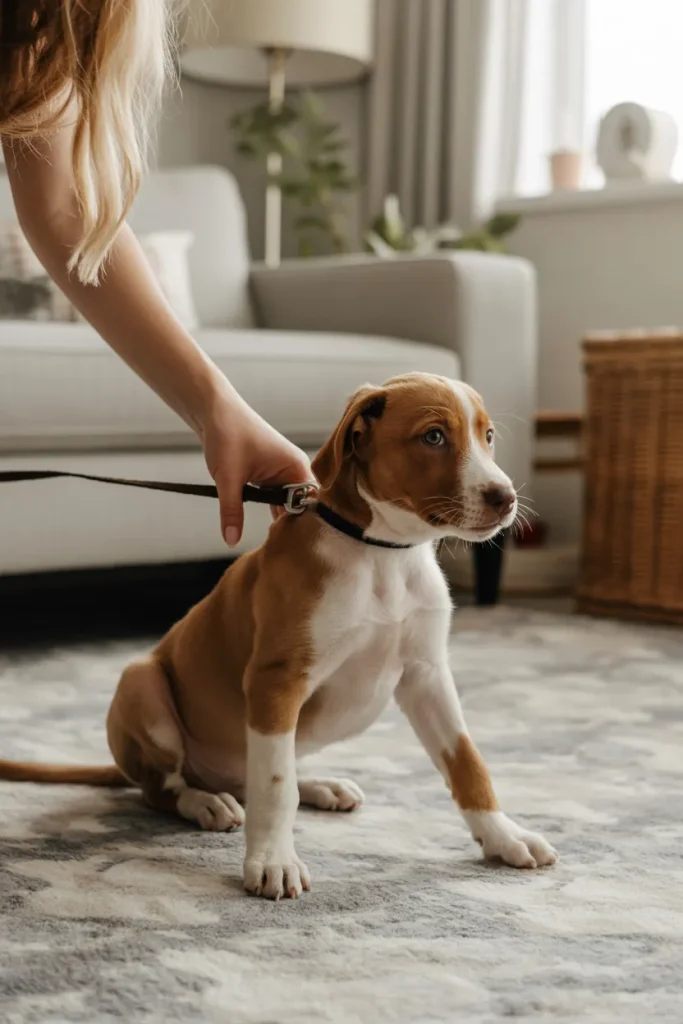
I noticed that starting leash training early made a big difference. Puppies learn fast, and early habits stick with them. When I delayed training, pulling became harder to fix later.
I began by letting my puppy wear the leash indoors so it felt normal. Then I made sure I never allowed pulling, even for a few steps. Being consistent on every walk helped my puppy understand what I expected.
Pro Tip:
I remind myself that mixed signals slow everything down. If I allow pulling sometimes, my puppy gets confused.
2. Use the Right Gear
I used to think any leash would work, but I quickly realized that gear matters more than I expected. When I switched to a standard leash and a no-pull harness, I had better control.
Retractable leashes made things worse because they allowed my puppy to pull forward freely. A front-clip harness helped guide movement without putting pressure on the neck.
Insight:
Many trainers recommend front-clip harnesses because they reduce pulling force by redirecting the dog’s body instead of resisting it.
Pro Tip:
I always check the fit before walks. Even small discomfort can cause more pulling.
3. Reward Good Behavior (Treats Are Your Best Friend)
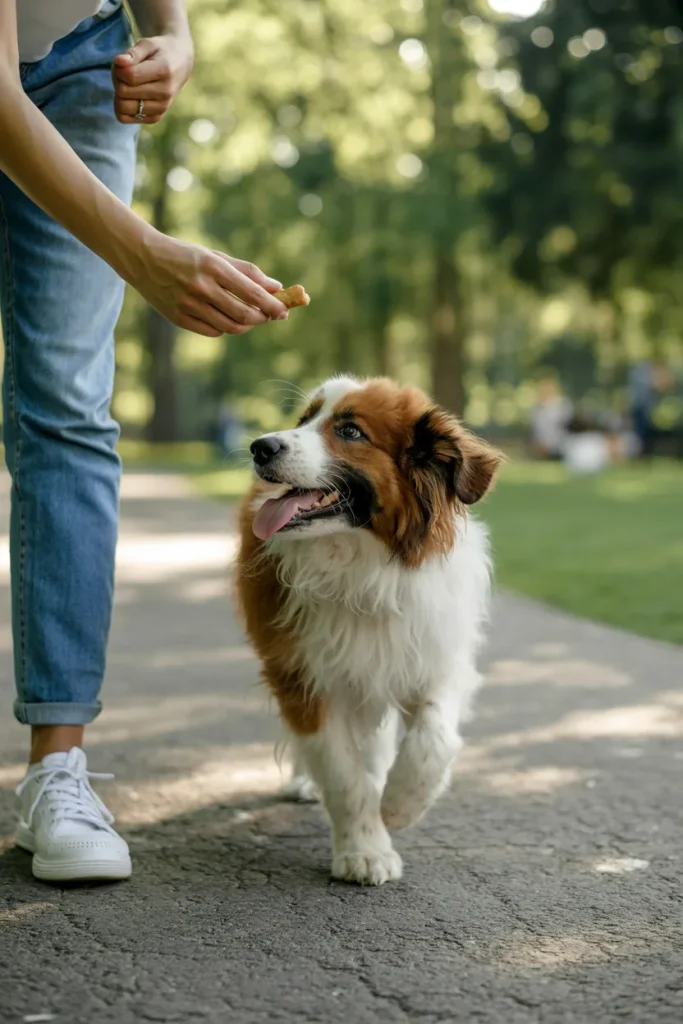
Rewarding good behavior changed everything for me. When my puppy realized that walking beside me meant treats, the behavior improved quickly.
I used small treats and rewarded immediately when my puppy walked without pulling. Timing mattered a lot—delayed rewards didn’t work well.
Fact:
Studies show dogs are more likely to repeat behavior when rewards are given within 1–2 seconds.
Pro Tip:
As my puppy improved, I slowly reduced treats but continued praising consistently.
4. Stop When They Pull
This method felt slow at first, but it worked. Every time my puppy pulled, I stopped walking completely.
I waited until the leash became loose, then continued walking. This taught my puppy that pulling doesn’t lead anywhere.
Insight:
Dogs repeat actions that help them move forward. When pulling stops progress, they start adjusting naturally.
Pro Tip:
I stayed calm and didn’t rush. Patience made this method effective.
5. Use the Redirection Technique
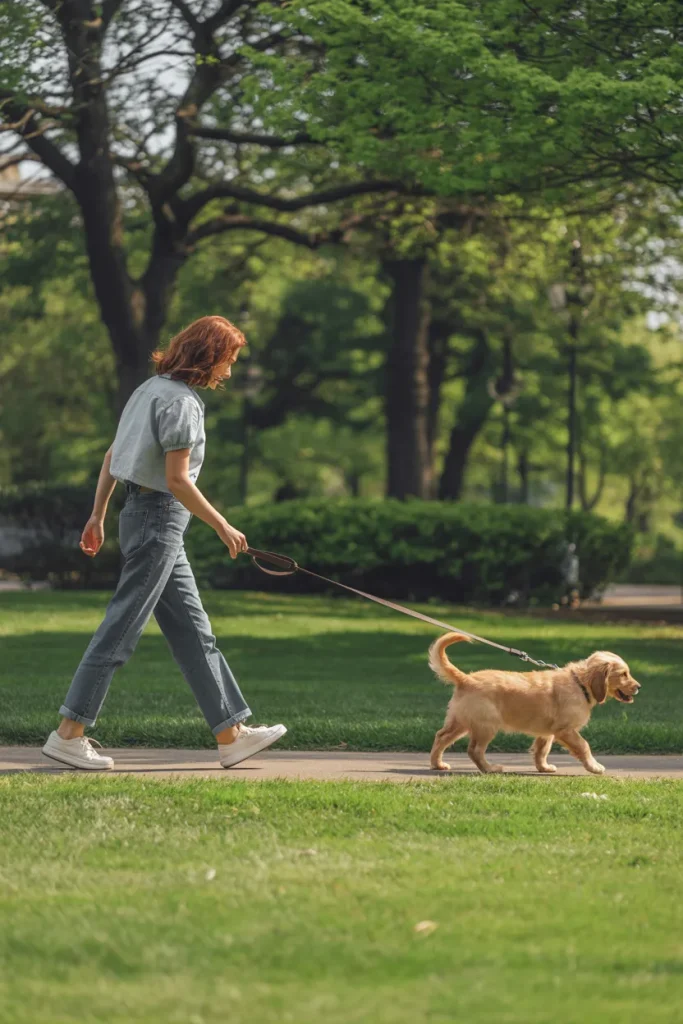
When stopping wasn’t enough, I started using redirection. This helped keep my puppy focused on me instead of distractions.
Whenever my puppy pulled, I changed direction and walked the other way. My puppy quickly learned to pay attention to my movement.
Insight:
This builds engagement and improves communication between owner and puppy.
Pro Tip:
I rewarded my puppy each time they followed me without pulling.
6. Practice Loose-Leash Walking Indoors
Before going outside, I practiced indoors where distractions were limited. This made it easier for my puppy to learn.
I used treats to guide my puppy to walk beside me and gradually increased the difficulty. Once my puppy improved indoors, I moved to outdoor training.
Fact:
Dogs learn faster in controlled environments with fewer distractions.
Pro Tip:
I kept sessions short, around 5–10 minutes, to match my puppy’s attention span.
7. Be Patient (Seriously, Patience Is Key)
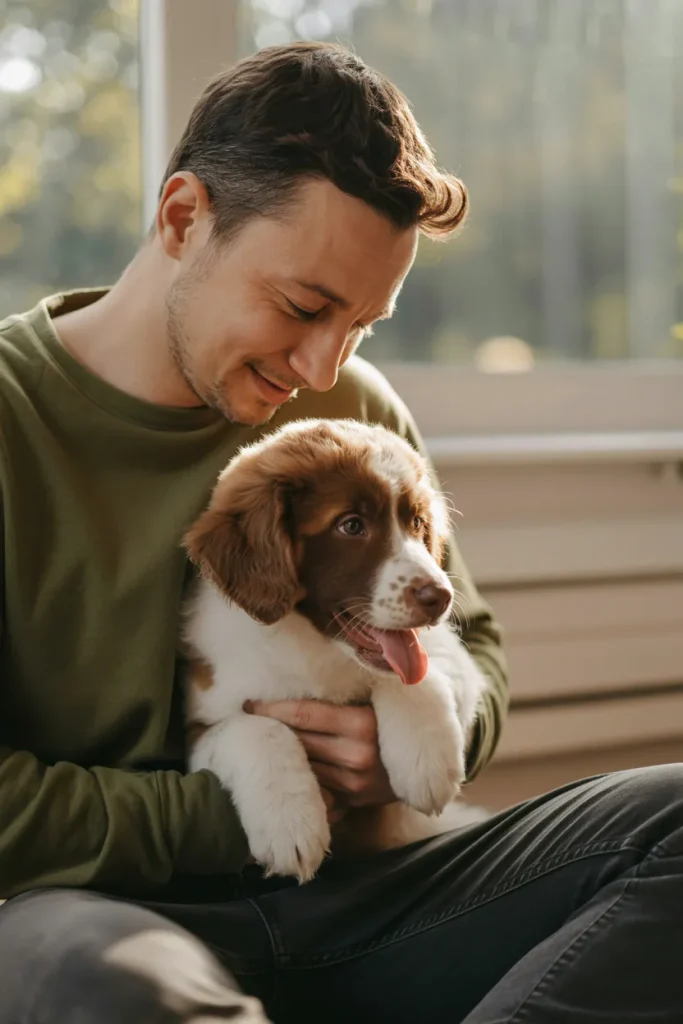
This was the hardest part for me. Training didn’t happen overnight, and progress wasn’t always consistent.
I focused on small wins, like fewer pulls or better focus. Over time, these small improvements added up.
Insight:
Consistency over time matters more than quick results.
Pro Tip:
I stayed calm and positive, which helped my puppy stay relaxed during training.
Bonus Tips: Make Walks Fun
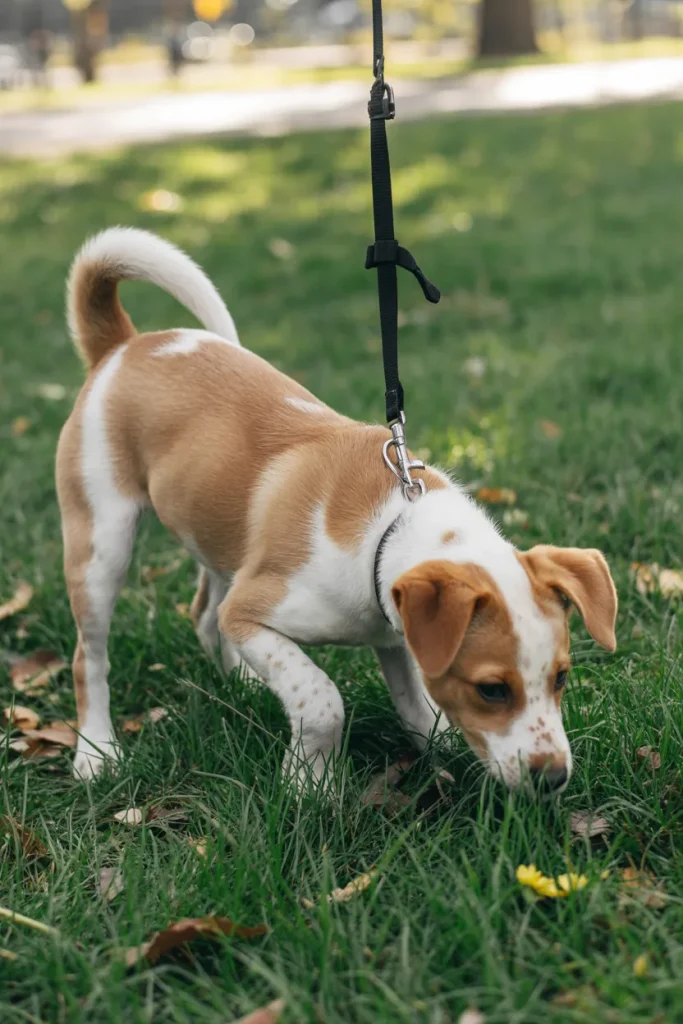
I realized my puppy pulled more when overly excited. Instead of stopping that excitement, I managed it better.
I added sniff breaks, changed walking routes, and practiced simple commands during walks. This kept my puppy engaged and reduced pulling.
Pro Tip:
Balanced walks with structure and freedom helped improve behavior naturally.
Final Thoughts
From my experience, learning how to train your puppy not to pull on a leash takes time and effort, but it’s achievable. The key is staying consistent, rewarding the right behavior, and being patient.
Over time, I saw real improvement in my puppy’s walking behavior. It didn’t happen instantly, but steady practice made a big difference.