
Stop Dog Barking at Night: Simple, Kind Ways to Help Your Pup Sleep Peacefully
Introduction

Many dog owners struggle to stop dog barking at night. Night barking can disturb sleep and cause stress at home. Barking is not bad behavior. It is how dogs express fear, discomfort, or alertness. When dogs bark at night, they are reacting to something they feel or notice.
Understanding the reason behind barking helps owners respond calmly and correctly. When dogs feel safe and comfortable, nighttime barking often decreases.
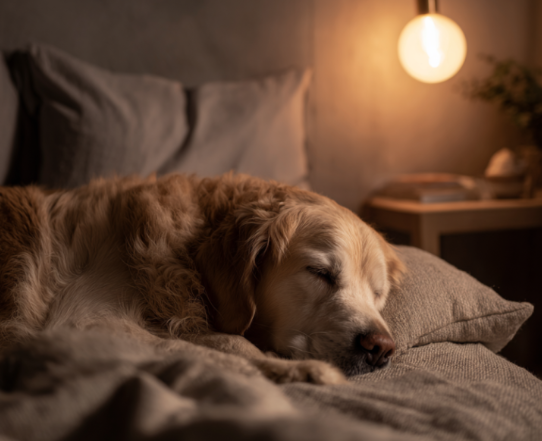
💤 Understanding Why Dogs Bark at Night
To stop dog barking at night, it is important to know why it happens. Dogs bark because of emotions, physical needs, or outside sounds. Nighttime often increases these triggers.
Common Reasons Dogs Bark at Night
Anxiety or Loneliness:
Dogs are social animals. Being alone at night can make them feel insecure. This feeling often leads to barking as a way to seek comfort.
Noises Outside:
Dogs can hear sounds from far away. Animals, vehicles, or other dogs can easily trigger barking even when the house feels quiet.
Pent-Up Energy:
Dogs that do not get enough activity during the day may have trouble settling down at night. This extra energy can cause restlessness and barking.
Discomfort or Pain:
Barking can signal discomfort. Hunger, thirst, needing to use the bathroom, or body pain can all cause nighttime barking.
Emotional Triggers Behind Barking
Dogs react to fear, excitement, frustration, and the need for reassurance. Some dogs bark because they feel unsure or want attention from their owner. Watching body language and behavior helps identify emotional triggers.
🐕🦺 Creating a Calming Nighttime Routine
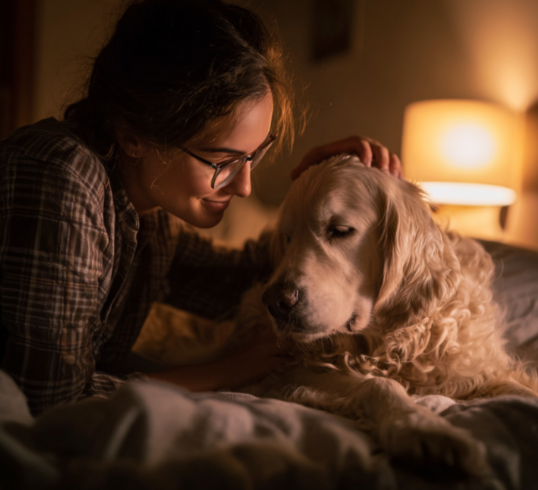
Dogs feel more secure with routine. A consistent bedtime schedule helps them understand when it is time to rest.
The “Calm Down” Evening Schedule
Evening Walks:
A calm walk before bedtime helps release energy and prepares the dog for rest.
Dinner Timing:
Feeding dinner a few hours before sleep allows time for digestion and reduces nighttime discomfort.
Quiet Play or Chew Time:
Calm activities like chewing or puzzle toys help dogs relax before bedtime.
Making the Sleeping Space Comfortable
A comfortable sleeping area supports better sleep and helps stop dog barking at night.
- Use a soft bed or crate with familiar blankets
- Play soft background noise if needed
- Keep the sleeping area at a comfortable temperature
🐾 Training Techniques to Stop Dog Barking at Night
Training should focus on consistency and calm responses. Dogs learn better through rewards than punishment.
Ignore, Then Reward
When barking begins, avoid reacting immediately. Wait until the dog becomes quiet, then reward the silence. This teaches that calm behavior receives attention.
Teach the “Quiet” Command
A clear command helps dogs understand expectations.
- Wait for barking
- Say “Quiet” calmly
- Reward immediately when barking stops
Repeating this process helps reinforce quiet behavior.
🌼 Addressing Separation Anxiety at Night
Some dogs bark because they feel alone at night. Reducing anxiety can lower barking.
Transitional Sleep Strategies
Placing the dog’s bed closer at first can help. Slowly increasing distance helps build confidence over time.
Soothing Through Scent and Sound
Familiar smells can be calming. Leaving an item with the owner’s scent can help reduce anxiety. Soft background noise may also reduce nighttime sounds that trigger barking.
🌙 Handling External Triggers and Environmental Noises

Unexpected noises can cause dogs to bark at night.
Soundproofing the Sleep Area
- Close curtains or blinds
- Use rugs or soft materials to reduce sound
- Keep the sleeping area away from windows and doors
Introducing Desensitization Training
During the day, expose dogs to common sounds at low volume while offering treats. Gradual exposure helps reduce fear responses.
🛏 Health and Wellness Checks
Health issues can contribute to nighttime barking.
Regular Vet Visits
Sudden changes in barking behavior may signal pain, hearing problems, or age-related issues. A veterinary check helps rule out medical causes.
Balanced Nutrition
Proper nutrition supports stable energy levels and better rest. Poor diet choices can lead to discomfort and restlessness.
💕 Extra Comfort Tips
Comfort and patience help reduce nighttime barking.
- Use soft lighting near the sleeping area
- Try dog-safe calming scents
- Avoid shouting or punishment
Barking often reflects a need, not misbehavior.
🐾 Frequently Asked Questions
How to stop the dog from barking at night?
Identify the cause first. Ensure enough exercise, a calm routine, and a comfortable sleeping space. Reward quiet behavior consistently.
What is the 3 bark rule?
Allow a few barks, then calmly say “Quiet.” Praise immediately once barking stops.
Should I be worried if my dog is barking at night?
Occasional barking is normal. Ongoing or sudden barking may indicate discomfort or anxiety.
What to do if someone’s dog is barking all night?
A calm and polite conversation is often the best first step.
🌙 Conclusion
Nighttime barking usually has a clear reason. When dogs feel secure, comfortable, and understood, it becomes easier to stop dog barking at night. Consistent routines and calm responses support better sleep for both dogs and owners.
See Also: Dog Only Things
💗 Clara’s Story
When Loopy was young, nighttime sounds caused frequent barking. Comfort and familiarity helped him settle. Over time, the barking decreased, showing that reassurance can make a difference.