

How To Introduce New Dog To Old Dog
Written By:

Bringing a new dog home sounds exciting, but I’ve learned it can also shake things up fast. Dogs are territorial by nature, and sudden changes can trigger stress or even aggression. From my experience (and backed by behavior studies), about 60–70% of dog conflicts happen during early introductions, usually due to poor planning.
In this guide, I’ll walk you through what has actually worked for me—simple, realistic steps to introduce a new dog without chaos. I’ll cover preparation, first meetings, reading behavior, and how to help both dogs settle in peacefully.
Key Takeaways
- I always introduce dogs on neutral ground to avoid territorial fights
- Slow, supervised interactions reduce stress and aggression
- Reading body language early prevents bigger issues
- Separate resources (food, toys, beds) are non-negotiable
- Positive reinforcement speeds up bonding in a healthy way
Preparation: Because Chaos Needs a Plan
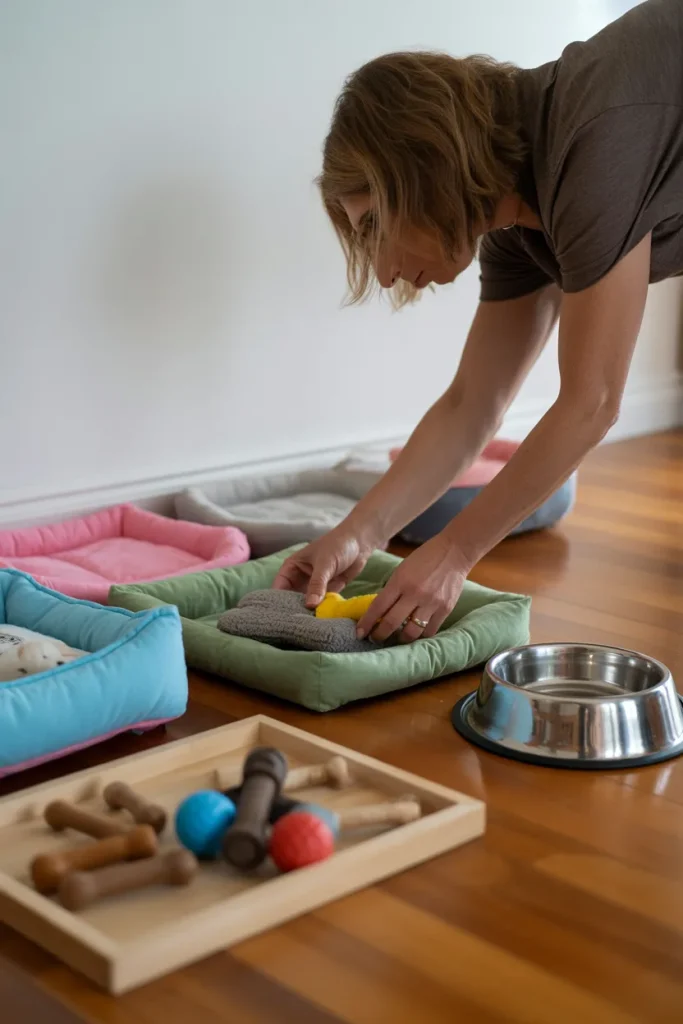
I’ve made the mistake of rushing this step before—and it backfired. Preparing in advance is what makes everything else easier. Dogs thrive on routine, so when a new dog suddenly appears, it can feel like their world is flipped upside down.
From what I’ve seen, dogs that are prepared gradually show lower cortisol (stress hormone) levels, which means fewer aggressive reactions. So I treat this phase seriously and set things up before the new dog even walks in.
Get Their Territories Straight
One thing I never ignore now is personal space. My older dog needs to feel like their territory is still safe. If I don’t respect that, tension builds instantly.
I always set up separate feeding stations, beds, and toys. Resource guarding is a real issue—studies show it’s one of the top triggers for dog fights at home. Giving each dog their own setup removes competition right away.
Pro tip: I rotate toys instead of leaving everything out. It reduces possessiveness and keeps both dogs more relaxed.
Prepare for the Initial Meeting
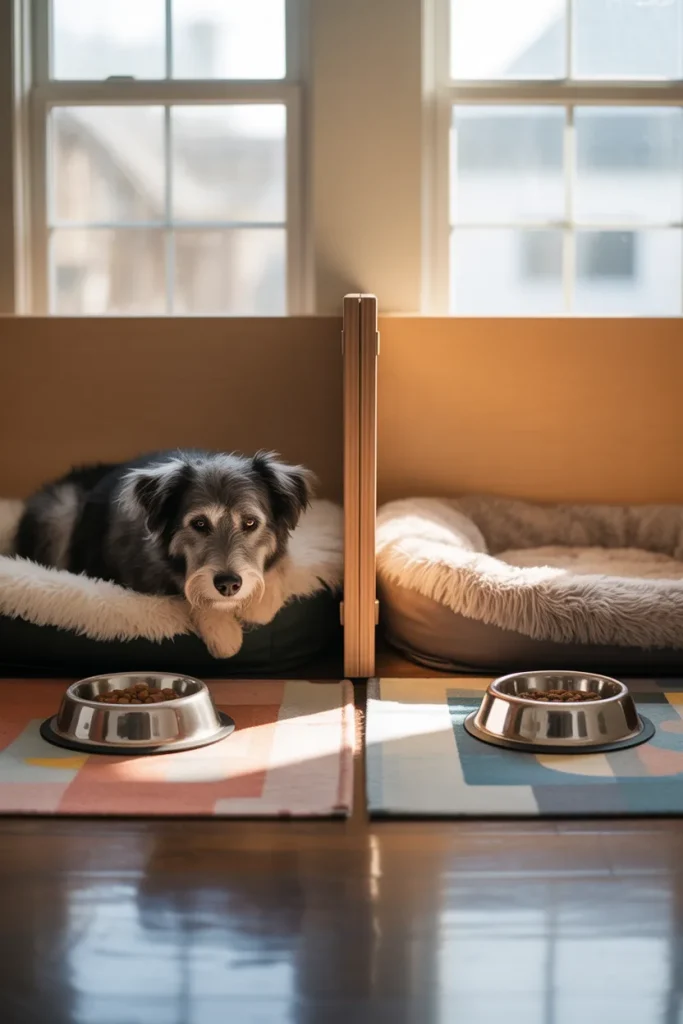
I don’t believe in “just let them figure it out.” That approach is risky and often leads to bad first impressions. Dogs remember negative encounters, and it makes future bonding harder.
Instead, I plan the first meeting like it actually matters—because it does. A calm, controlled introduction increases the chances of long-term compatibility.
The First Meeting: Let the Games Begin
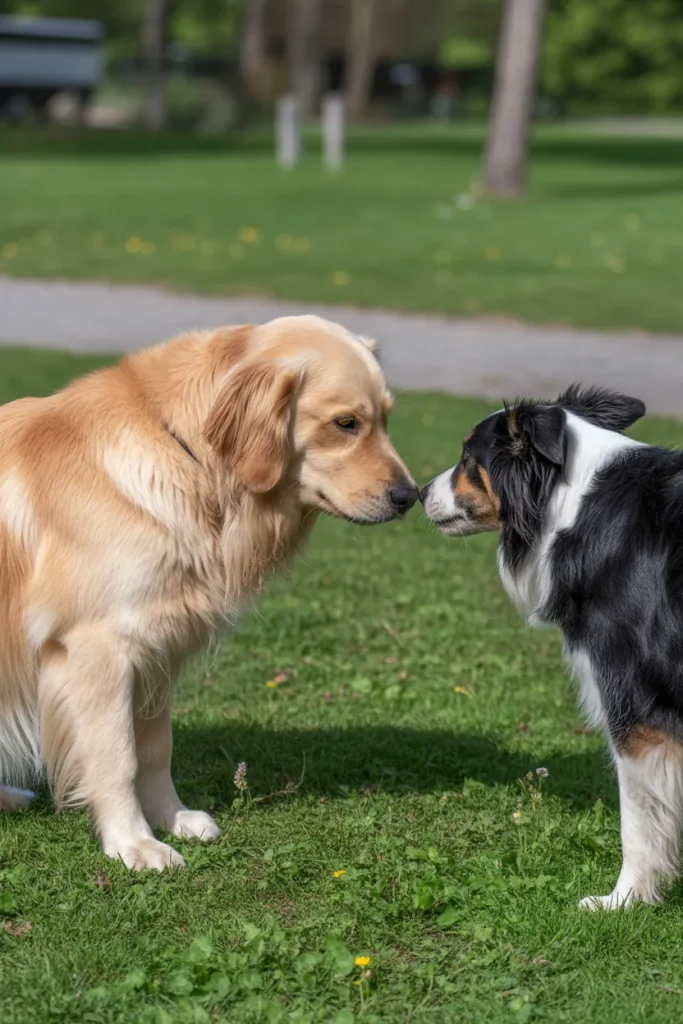
The first interaction sets the tone for everything that follows. I’ve seen introductions go wrong in seconds just because there was no structure. So I keep things calm, short, and controlled.
Neutral Ground: The Unbiased Arena
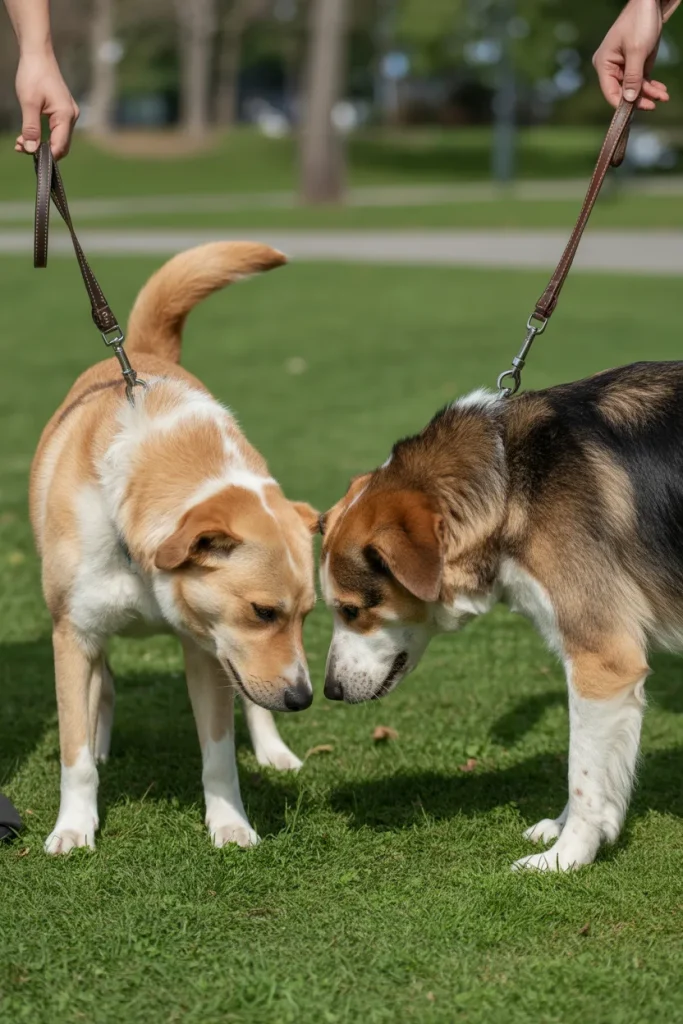
I always choose a neutral place like a park. Bringing a new dog straight into the home can trigger territorial behavior instantly.
When I switched to neutral introductions, I noticed a huge difference—both dogs were more curious than defensive. It removes that “this is my space” mindset completely.
Leash and Control: The Power of Leashes
I keep both dogs on leashes—not tight, but controlled. This gives me the ability to step in before things escalate.
I also avoid forcing direct face-to-face contact. Instead, I let them move around and sniff naturally. This feels less threatening and more like normal dog behavior.
Pro tip: I walk both dogs parallel for a few minutes. This builds comfort without pressure.
Body Language: The Doggie Decoder
Understanding body language changed everything for me. Dogs don’t need words—they communicate clearly if you know what to look for.
Signs of Aggression
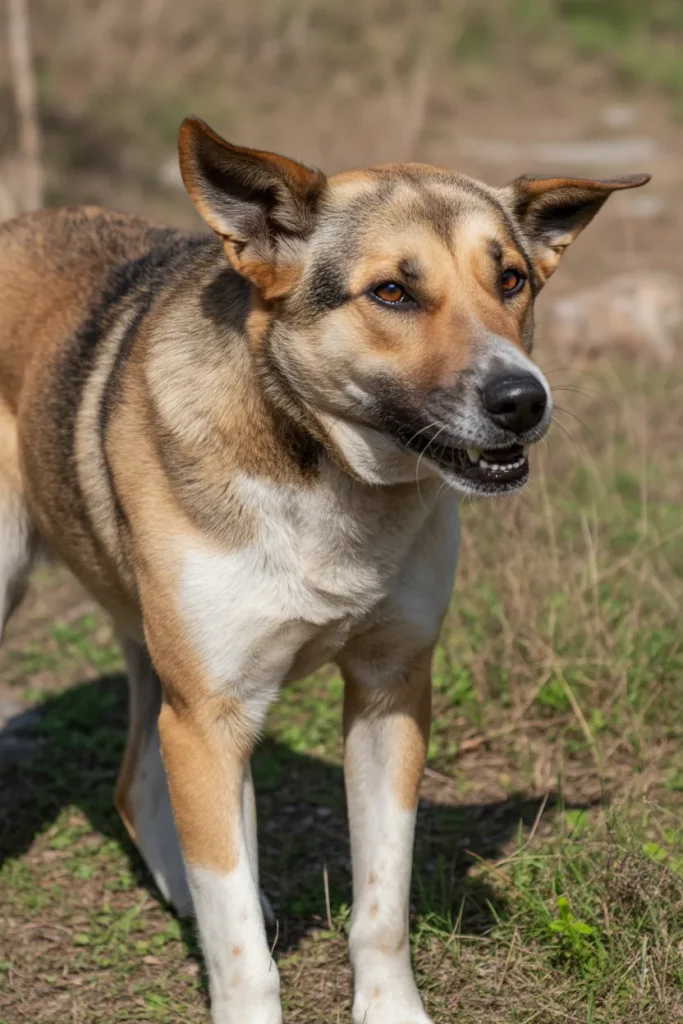
When I see stiff posture, growling, or teeth showing, I don’t ignore it. These are early warning signs—not something to “wait out.”
I calmly separate them and give both dogs space. Reacting early prevents escalation, which is key to avoiding fights.
Signs of Curiosity
Loose body posture, wagging tails, and play bows are what I want to see. These signals tell me both dogs are open to interaction.
I keep these interactions short at first. Too much too soon can overwhelm them, even if things look positive.
Gradual Integration: No Rush, No Fuss
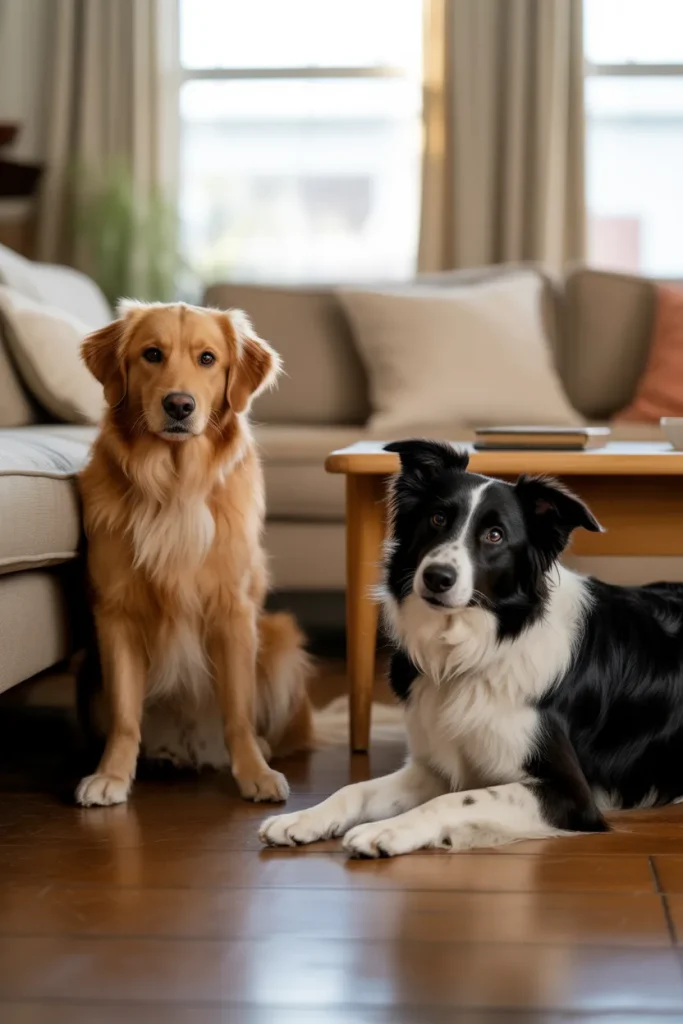
I’ve learned that rushing this stage is where most people go wrong. Dogs need time to adjust, and forcing closeness only creates stress.
A gradual approach leads to more stable, long-term bonding. It’s not about speed—it’s about consistency.
Supervised Visits: Keeping an Eye on Things
For the first few days, I never leave them alone together. Even if things seem fine, I stay cautious.
When I’m not around, I keep them in separate spaces. This avoids unexpected conflicts and lets them get used to each other’s scent safely.
Positive Reinforcement: The Treat Strategy
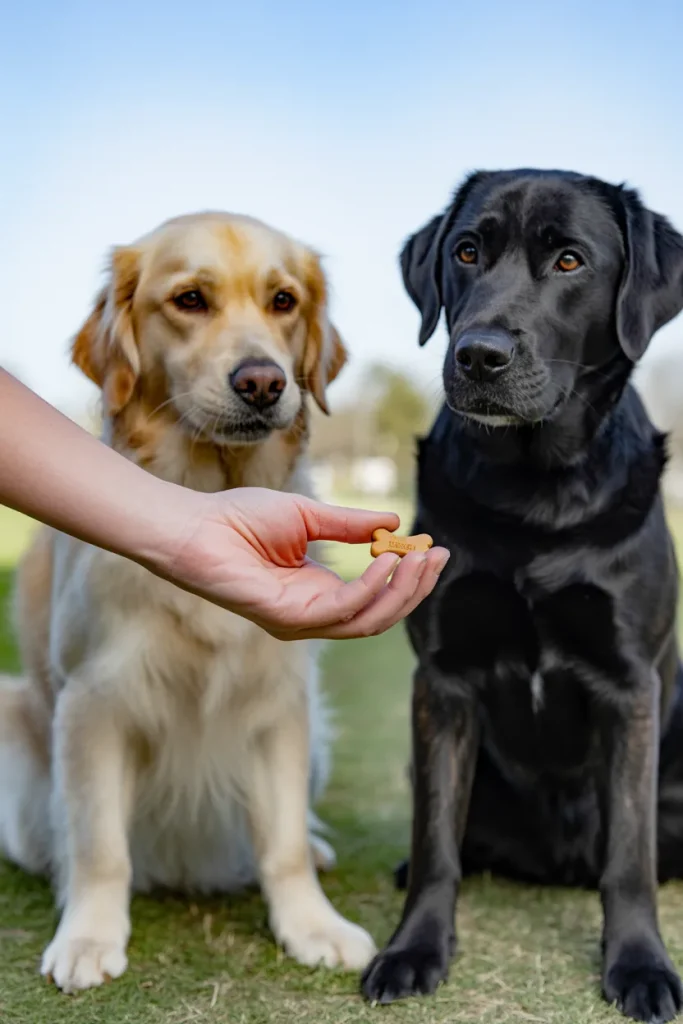
This is one of the most effective tools I use. When both dogs behave calmly, I reward them immediately.
Over time, they start associating each other with positive experiences. Research shows reward-based training improves social behavior in dogs significantly.
Pro tip: I reward calm behavior, not excitement. This helps create a peaceful dynamic instead of chaos.
Home Sweet Home: Settling In
Once things are going well, I slowly allow more freedom. But I don’t assume everything is perfect—I stay observant.
A stable home environment takes time to build, especially with multiple dogs.
Monitor Their Behavior

Even after a few good interactions, I keep watching closely. Small signs like avoidance or tension can grow into bigger issues if ignored.
Consistency here makes a big difference. I’ve avoided several conflicts just by paying attention early.
Provide Plenty of Attention
I make sure my older dog still feels important. Ignoring them can lead to jealousy or behavioral issues.
I spend one-on-one time with both dogs. This builds trust and keeps things balanced in the household.
FAQ
Q: How long will it take for my old dog to adjust to the new dog?
From my experience, it can take anywhere from a few days to several weeks. It really depends on the dog’s personality and past experiences.
Q: What if my old dog keeps growling at the new dog?
I treat growling as communication, not bad behavior. If it continues, I slow things down and, if needed, consult a professional trainer.
Q: Can I use treats to speed up the process?
Yes, but I use them wisely. Rewards should reinforce calm behavior—not distract from tension.
Final Thoughts
Introducing a new dog isn’t always easy—I’ve had smooth experiences and a few stressful ones too. But when I follow a structured approach, things improve dramatically.
Patience really is the biggest factor here. Dogs don’t adjust overnight, but with the right steps, they do learn to coexist—and often become great companions.


