
DIY Dog Cone Ideas for Happy Pups Creative Recovery Solutions I Use for My Dogs 2026
Written By:

When my dog had surgery, I quickly saw how uncomfortable a basic plastic cone can be. I started making my own DIY dog cone ideas to improve comfort, reduce stress, and support healing. In this guide, I’m sharing the exact designs I personally use, including fabric cones, floral covers, reflective safety options, fleece comfort cones, waterproof covers, and cooling gel versions.
Above-the-fold Summary (Complete Overview)
From my experience, dogs recover better when they feel relaxed instead of restricted. Simple changes in material and design can reduce anxiety, improve movement, and help prevent scratching or licking wounds. These DIY solutions are low-cost, easy to make, and don’t require advanced crafting skills.
Key Takeaways
- I use DIY cones to reduce stress during dog recovery
- Soft materials help improve comfort and healing behavior
- Simple household items can replace expensive recovery gear
- Proper fit is more important than design style
- Custom cones can improve mood and reduce anxiety
Colorful Fabric Alternatives

When I first started experimenting, I replaced plastic cones with soft fabric versions. I noticed my dog became calmer almost instantly because the material felt lighter and less restrictive.
I usually use cotton fabric with a cardboard base shaped into a cone. I secure everything with safe glue or stitching and always leave enough space around the neck for breathing comfort.
From my experience, soft and colorful fabrics help reduce the “medical feeling,” which makes recovery less stressful for dogs.
Our Collection
Over time, I built different cone styles depending on recovery needs. I don’t rely on one design because every dog reacts differently.
I rotate between soft, breathable, and protective styles depending on injury type and healing stage. This approach helps me keep my dog comfortable and calm throughout recovery.
Each design below is something I’ve personally tested and adjusted for better safety and usability.
1. Stylish Bandana Cone Design
This is my easiest and fastest DIY option. I use a dog bandana attached to the collar to create a soft cone effect.
I prefer cotton bandanas because they are gentle on the skin. This design works best for short recovery periods or mild restrictions.
In my experience, dogs adapt quickly because it feels like clothing rather than medical equipment.
2. Detachable Floral Pattern Design
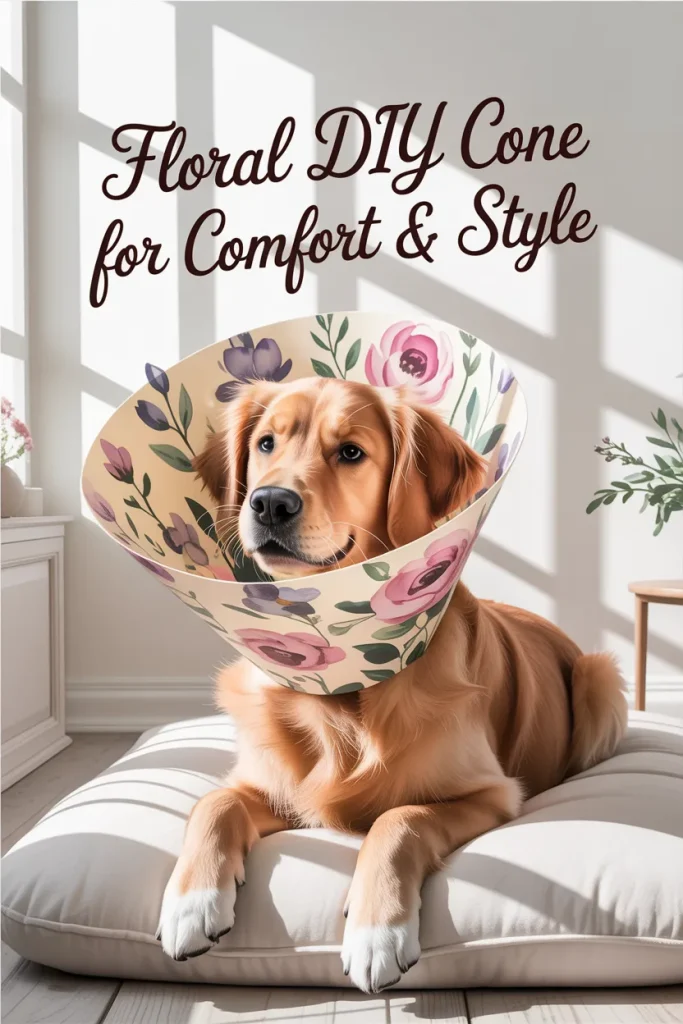
I created this design for longer recovery cases where cleaning and reuse are important. I use floral fabric and Velcro for easy removal.
Before making it, I always measure my dog’s neck properly to avoid tight or loose fitting. Comfort is always my top priority.
This design is reusable and easy to maintain, which makes it very practical for extended use.
3. Reflective Safety Cone Cover
This design helps during evening walks. I use reflective fabric to improve visibility in low light.
I attach it around the cone or collar so my dog stays visible to vehicles and pedestrians.
From my experience, this adds an important safety layer, especially for active dogs that still need short outdoor movement.
4. Customized Photo Collage Cone
This is a more creative design where I decorate a plain cone with printed photos.
I usually use family pictures or memorable moments with my dog to make the recovery period feel more comforting.
I always ensure decorations don’t block vision or movement because safety is more important than appearance.
5. Fleece-lined Comfort Cone

This is one of my most useful designs. I line a plastic cone with soft fleece to reduce irritation and pressure.
I secure the fabric using glue or Velcro so it can be removed and washed easily.
From my experience, this greatly improves sleep and reduces stress during long recovery periods.
6. Waterproof Vinyl Cone Cover
I use this when weather is unpredictable. Waterproof vinyl protects the cone from rain, dirt, and spills.
It is especially useful for dogs that go outside briefly during recovery.
In my experience, it also helps keep the cone clean and odor-free for longer use.
7. Cooling Gel-filled Cone
This is my go-to option during hot weather. I place gel packs inside the cone to keep my dog cool.
I always wrap it with soft fabric to prevent direct contact with skin.
This helps reduce overheating and keeps my dog more relaxed during recovery days.
Extra Tips & Ideas

I’ve learned that comfort always matters more than design. I always check that I can fit two fingers between the neck and cone to confirm proper fit.
Soft, breathable materials work best in almost every situation I’ve tried. I also avoid anything sharp or heavy that could cause discomfort.
Sometimes I use calming scents like lavender (vet-safe versions) to help reduce anxiety during early recovery.
Frequently Asked Questions
Are DIY dog cones safe?
Yes, I ensure safety by using soft, non-toxic materials and proper fitting.
How do I measure my dog for a cone?
I measure neck size and snout length to ensure proper coverage and comfort.
Can DIY cones be washed?
Yes, fabric-based cones can be washed easily, especially removable designs.
Which cone is most comfortable?
From my experience, fleece-lined and bandana cones are the most comfortable.
Can dogs eat with a cone?
Yes, but I always adjust size so it doesn’t block food or water access.
Conclusion
From my experience, DIY dog cone ideas make recovery much easier and less stressful for pets. Simple changes in material and design can improve comfort, reduce anxiety, and support faster healing.
I now prefer soft, adjustable, and reusable designs instead of standard plastic cones. Every dog responds differently, but comfort always leads to better recovery results.


