
Do Dogs Need Shoes? 13 DIY Designs That Actually Work
Written By:

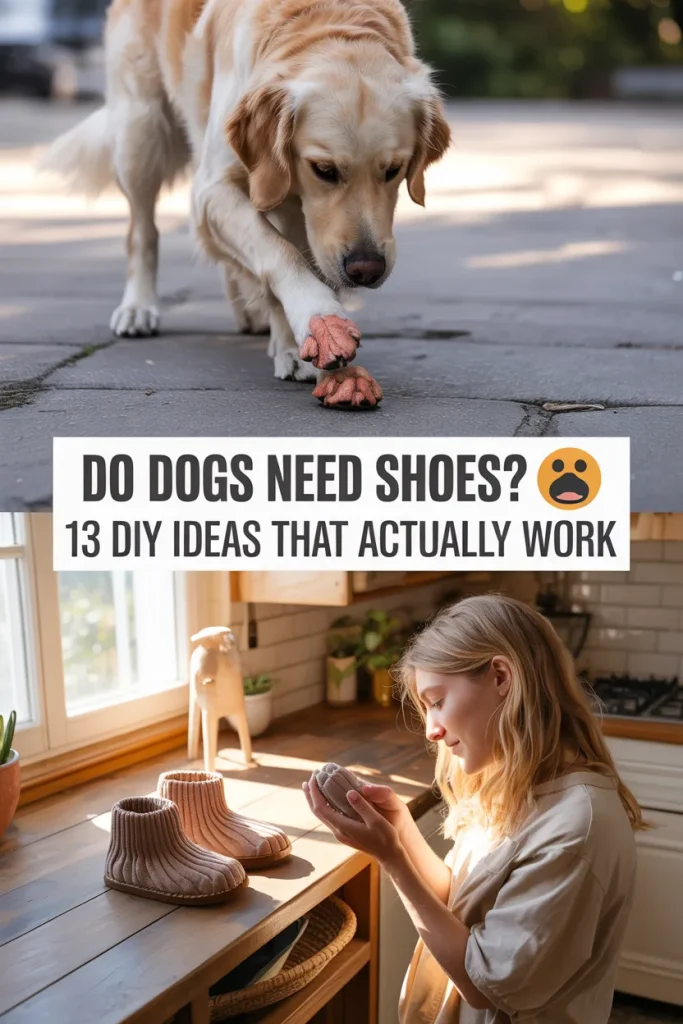
I used to think dog shoes were unnecessary—until one summer afternoon changed my mind. My dog stepped onto a hot road and instantly lifted his paws like the ground was lava. That moment made me realize paw protection isn’t just a “cute accessory”—it’s sometimes essential.
Over time, I tested store-bought booties (most failed within minutes), and eventually started making my own. What surprised me? DIY dog shoes not only fit better, they actually stayed on—and cost a fraction of the price.
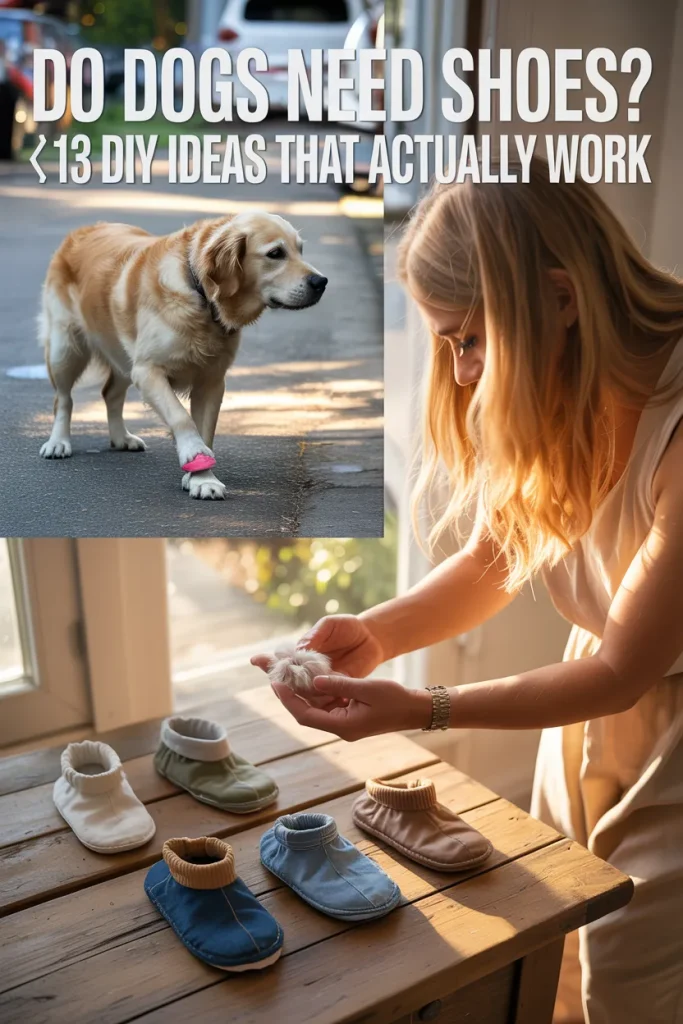
If you’ve ever wondered whether dogs really need shoes and if DIY options are worth it, I’ll walk you through everything I’ve learned—including 13 practical designs that actually work.
Quick Summary & Key Takeaways
- Dogs need shoes in extreme heat, cold, or rough terrain
- Pavement can reach over 60°C (140°F) and burn paws quickly
- DIY dog booties offer a better fit because they’re custom-made
- Most designs take 15–60 minutes to create
- Dogs usually adjust to shoes within a few minutes
- Simple materials like fleece, socks, or rubber work well
Grab Your Materials First
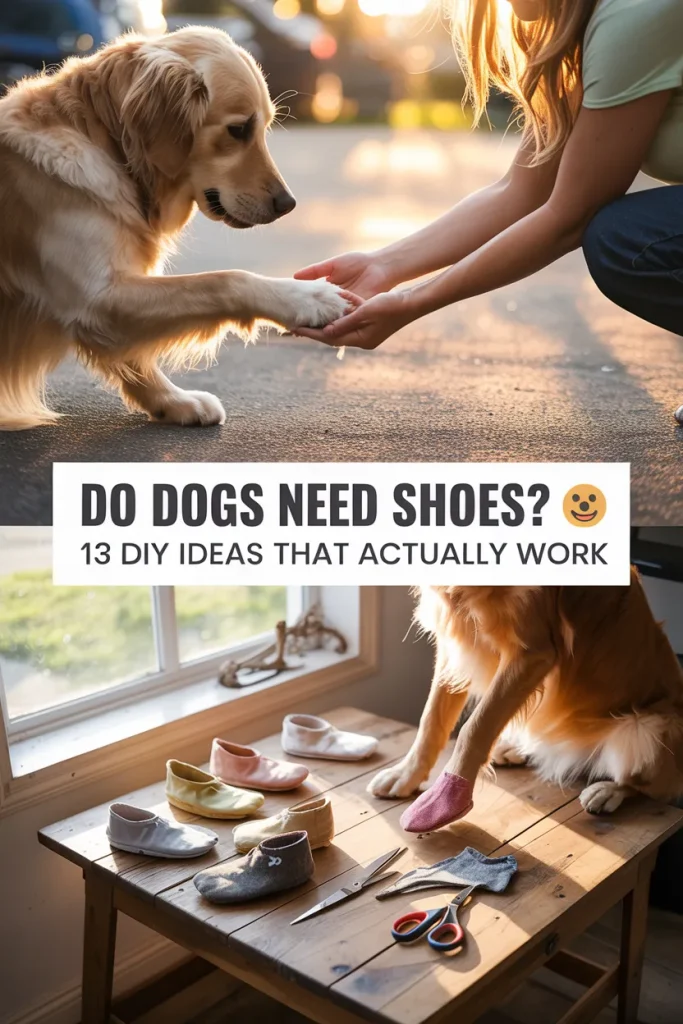
When I first started, I wasted time using random materials that didn’t hold up. After a few trials, I realized most good designs rely on the same basics.
Here’s what I now use regularly:
- Soft fabric like fleece or old sweatshirts
- Non-slip material such as yoga mats or rubber sheets
- Velcro or elastic straps for securing
- Fabric glue or a hot glue gun
- Scissors and paper for paw tracing
Buying these once is enough to make multiple pairs, which saves both time and money.
#1: Cozy Fleece Boots with Velcro Straps (Secure & Beginner-Friendly)
This was the first design that actually worked for me. I traced my dog’s paw, added a little extra space, and built a simple fleece boot with a rubber sole.
The Velcro strap made all the difference. It kept the boots in place without being too tight.
What worked well:
- Easy to make
- Comfortable for dogs
- Adjustable fit
Mistake to avoid: Don’t make them too tight. Always leave enough room to slide a finger inside.
#2: Fleece-Lined Winter Booties (Best for Cold Weather)
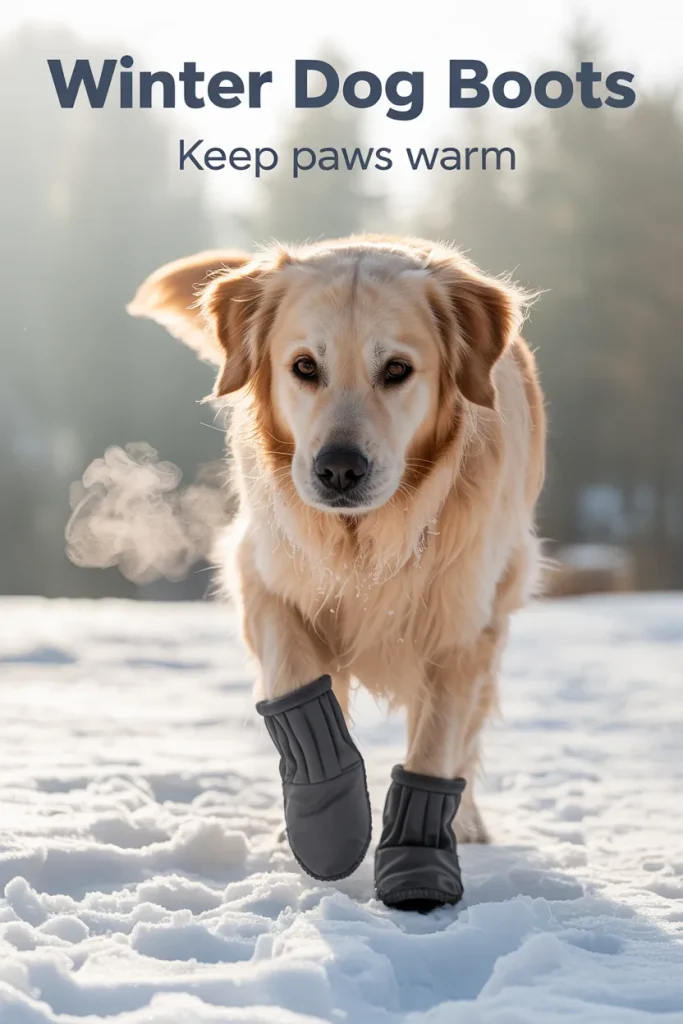
Cold weather can be just as harsh as heat. Ice and salt can irritate paws quickly.
I made these with thick fleece lining, and my dog stopped pausing during winter walks.
Why they work:
- Provide warmth
- Reduce irritation from salt
- Comfortable for longer walks
Pro tip: Add a slightly thicker sole for better insulation.
#3: Cozy Knit Dog Boots With Elastic Straps (Flexible Fit)
Switching from Velcro to elastic made these feel more natural for my dog.
The elastic wraps around the paw and adjusts with movement, which helps dogs accept them faster.
Best for:
- Dogs that dislike rigid shoes
- Quick, flexible designs
From my experience, dogs adapt to these quicker than most other styles.
#4: Navy Stripe Athletic Dog Socks (Lightweight Protection)
These are perfect when full boots feel unnecessary. I made mine using old sweatshirt sleeves.
They worked well for short walks and indoor use.
Best use cases:
- Mild heat protection
- Preventing slips on tiles
Limit: Not durable enough for rough outdoor terrain.
#5: DIY Fleece Booties with Grip Soles (Durable Everyday Option)
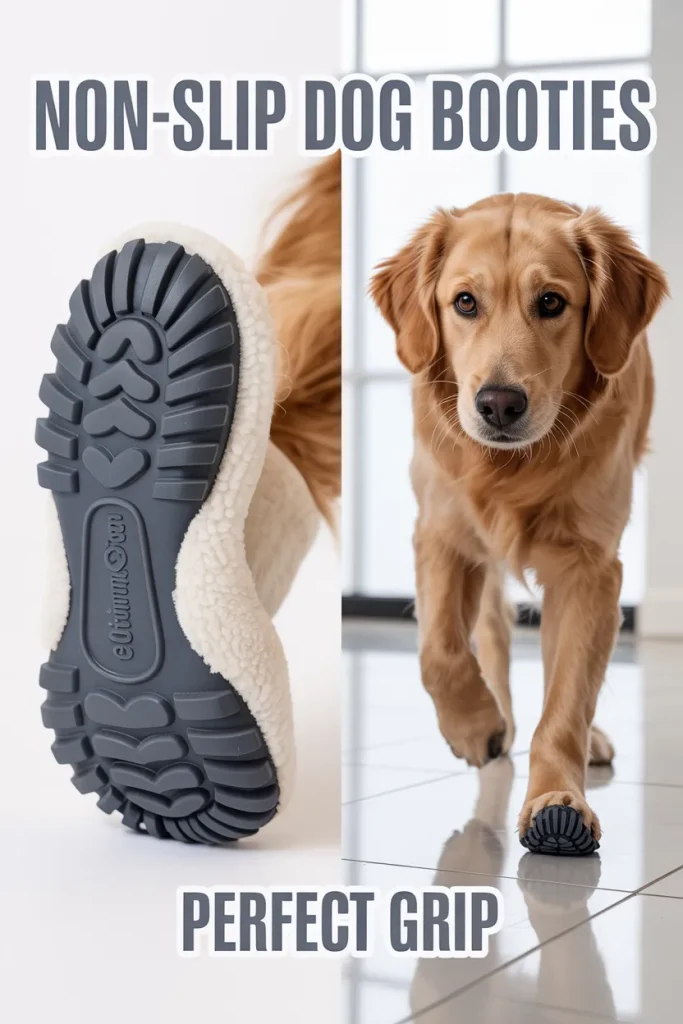
This is the design I use most often. Adding a textured sole improved both grip and durability.
My dog stopped slipping indoors and walked more naturally outside.
Why it stands out:
- Balanced comfort and strength
- Works indoors and outdoors
Real result: These lasted weeks with regular use.
Essential Materials Comparison
After testing different materials, here’s what I’ve learned:
- Fleece is best for comfort and warmth
- Rubber or yoga mat works best for grip
- Nylon adds water resistance
- Velcro offers strong hold
- Elastic improves comfort but may loosen over time
Choosing the right combination makes a big difference in how long the booties last.
#6: DIY Tube Sock Dog Boots (Fastest Option Ever)
This is the quickest solution I’ve used. Just cut an old sock and you’re done.
Time required: Less than 10 minutes
Best for:
- Emergency use
- Short outdoor trips
Downside: They wear out quickly on rough surfaces.
#7: Fuzzy Snow Boots (Comfort + Style)

I tried these mainly for winter comfort, and they worked well for light use.
What I liked:
- Soft and warm
- Easy to create
What I didn’t: They don’t last very long outdoors.
#8: DIY Rubber-Sole Dog Boots (Most Durable)
Adding a rubber sole completely changed the durability.
These felt much closer to real shoes and handled rough surfaces easily.
Best for:
- Hot pavement
- Long walks
These lasted much longer than fabric-only designs in my experience.
#9: Fleece & Nylon Dog Booties (Waterproof Option)
Rainy walks used to mean muddy floors. Adding a nylon outer layer fixed that.
Benefits:
- Water-resistant
- Easy to clean
Pro tip: Let the glue dry fully before use to avoid weak spots.
#10: Simple Fleece Booties (Quick & Easy)
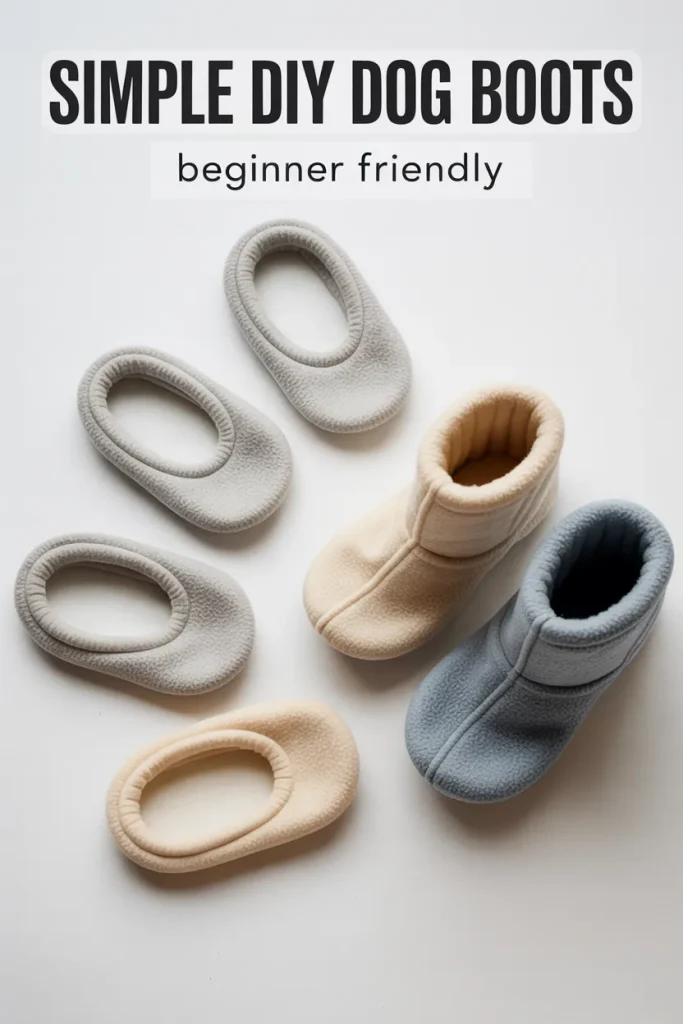
This is my go-to when I want something simple and effective.
Best for beginners who want a fast and reliable option.
#11: DIY Donut Dog Booties (Fun but Functional)
I made these just for fun, but they actually worked well indoors.
The non-slip base helped improve traction on smooth floors.
Bonus: They look great in photos.
#12: Croc-Style Dog Boots (Waterproof & Strong)
Using foam or rubber materials made these very practical.
They are:
- Waterproof
- Durable
- Easy to clean
These worked especially well in wet conditions.
#13: Heavy-Duty Protective Booties (Maximum Protection)
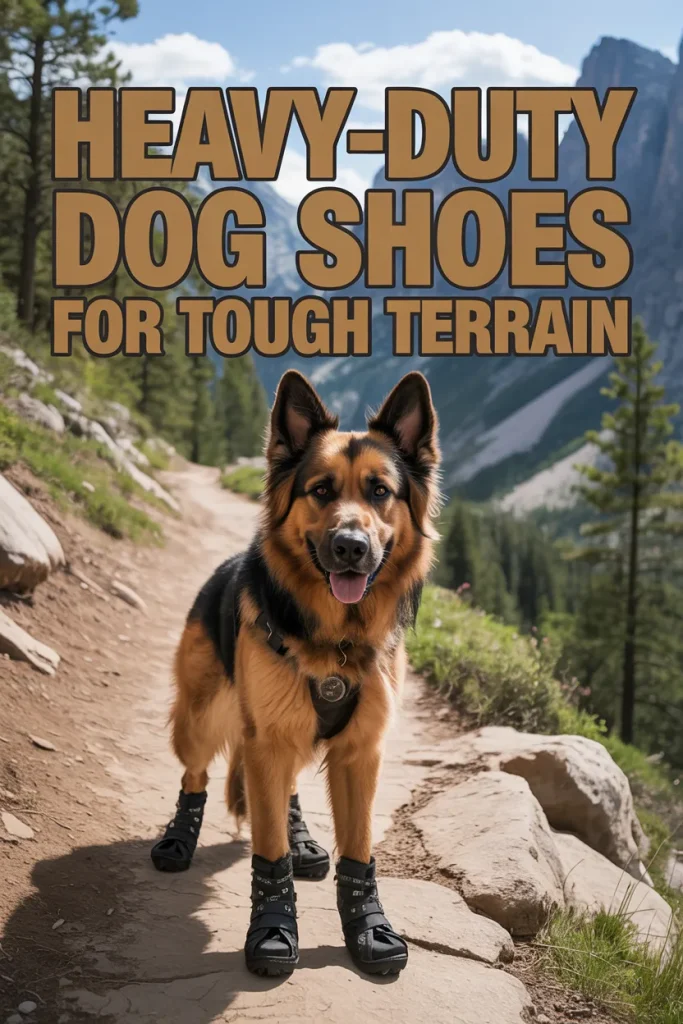
This is the most durable option I’ve tried.
It takes more effort to make, but it’s worth it for serious outdoor use.
Best for:
- Rough terrain
- Long walks
- Extreme conditions
Common Questions About DIY Dog Booties
Do dogs really need shoes
Not always, but they are important in extreme heat, cold, or rough environments.
How hot is too hot for dogs
If you can’t hold your hand on the ground for a few seconds, it’s too hot for your dog.
How long do DIY booties last
Fabric designs last a few weeks, while rubber-based ones can last over a month.
My dog won’t walk in them
This is normal. Most dogs adjust within a day or two. Start by letting them wear the boots indoors.
Can dogs wear shoes indoors
Yes, especially for older dogs or homes with slippery floors.
Your Pup’s Paw Protection Journey Starts Now
From my experience, dog shoes are not always necessary, but when they are, they make a huge difference.
DIY booties gave me better results than store-bought ones. They fit properly, stayed on, and were easy to replace when worn out.
Start with a simple design, test it, and adjust based on your dog’s comfort. Once you find the right fit, it becomes a small effort that makes a big impact on your dog’s comfort and safety.


