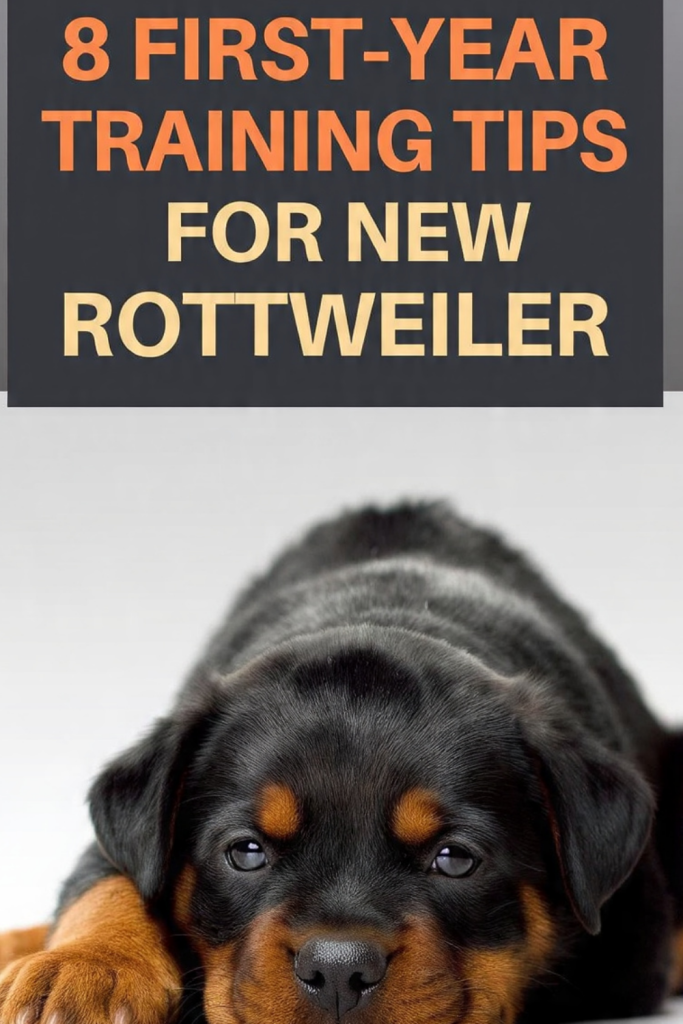
8 First-Year Training Tips for New Rottweiler Owners (Start Strong From Day One)
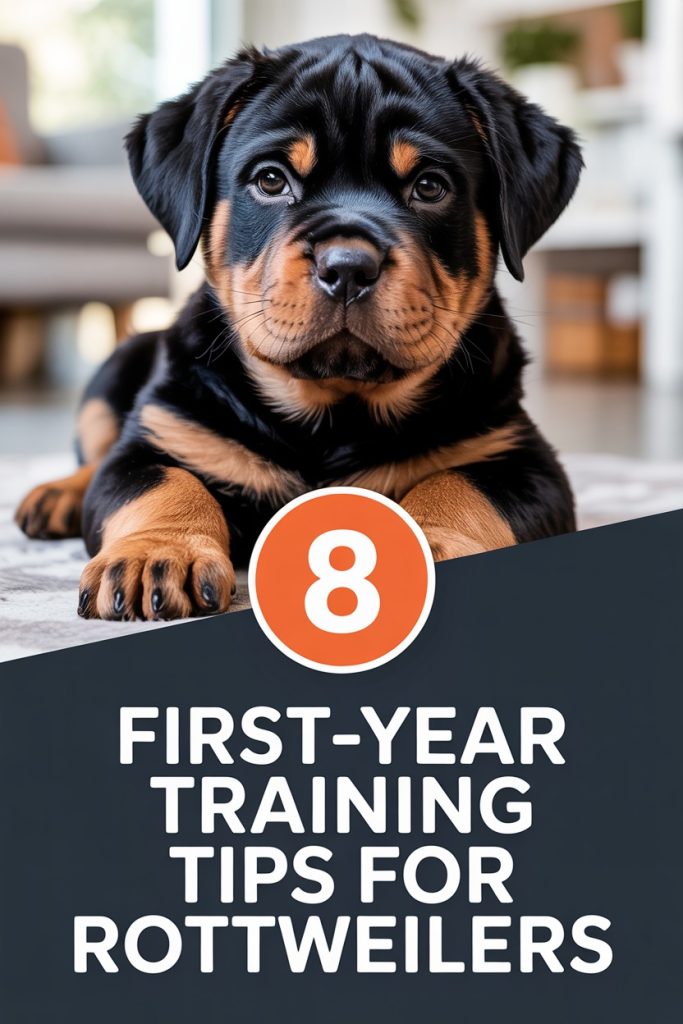
Bringing home a Rottweiler puppy is exciting and intense at the same time. These dogs are loving and playful, but they are also strong and full of energy. The first year is very important because it shapes how your dog behaves for the rest of their life. With the right start, you can raise a calm, confident dog that fits well into everyday life. These Training Tips for New Rottweiler Owners focus on building good habits early and keeping things clear and consistent.
Start With Structure on Day One
Training should begin as soon as your puppy comes home. Waiting only makes things harder later. Structure does not mean being harsh. It means having routines your puppy can rely on and rules everyone follows.
Crate training should be calm and positive. The crate should feel like a safe place with treats and chew toys inside. Keep crate time short at first and give plenty of breaks. For potty training, take your puppy outside after waking up, after meals, and after playtime. When they go outside, praise them a lot so they understand they did the right thing.
House rules should be decided early. Choose where your puppy is allowed to sit or sleep and how they should behave around doors. Once rules are set, stay consistent so your puppy does not get confused.
Pro Tip: The Calm Door Rule
Rottweilers get excited quickly. Teaching your puppy to sit before a door opens helps control that excitement. The door should only open when your puppy is calm. This simple habit helps prevent rushing out the door and builds self-control every single day.
Make Socialization a Full-Time Job (in a Smart Way)
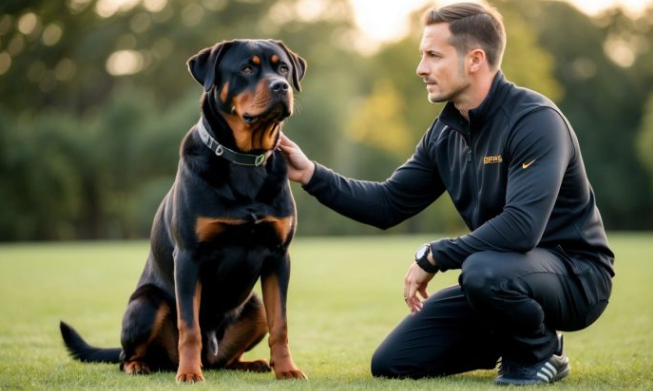
Rottweilers grow into confident and protective dogs. Socialization helps them feel safe and relaxed instead of unsure or reactive. The goal is positive experiences, not overwhelming situations.
Let your puppy meet many different types of people, including those wearing hats or using wheelchairs. Reward calm behavior and curiosity. Introduce new surfaces and sounds slowly, such as wood floors, busy streets, or household noises. If your puppy feels unsure, give treats and move away when needed.
Dog socialization should be controlled. Set up meetings with friendly, vaccinated dogs of different sizes. Calm and safe interactions help your puppy learn good manners.
What “Positive” Actually Means
Positive socialization means letting your puppy observe from a distance they are comfortable with. Reward calm behavior with treats and leave before your puppy becomes overwhelmed. For Training Tips for New Rottweiler Owners, remember that calm progress works better than pushing too fast.
Nail the Core Commands Early
Rottweilers are smart and learn quickly, but focus takes practice. Teaching basic commands early builds control and good habits.
Commands like sit and down help manage excitement and impulse control. Using meal times for practice works well. Stay should start with just one or two seconds and slowly increase over time. For recall, use special treats and show a lot of excitement when your puppy comes to you.
“Leave it” helps prevent dangerous chewing and eating unsafe items. Teaching “place” sends your puppy to a mat to settle, which is very helpful when guests arrive.
Training Sessions That Don’t Drag
Short training sessions work best. Keep them under five minutes and repeat them a few times a day. Ending on a success keeps your puppy happy and willing to learn.
Guide That Power: Leash and Bite Inhibition
Rottweilers grow strong fast, so leash training matters early. A front-clip harness helps reduce pulling. When your puppy walks calmly beside you and the leash stays loose, reward them right away. If they pull ahead, change direction and reward when they come back to you.
Bite Inhibition 101
Puppy teeth are sharp, and play biting is normal. When your puppy bites skin, pause play briefly and offer a toy instead. This teaches that gentle play continues, while biting ends the fun. Staying consistent is more important than reacting strongly.
Prevent Resource Guarding Before It Starts
Rottweilers often care deeply about their toys and food. Teaching trust early prevents future problems.
Practice trade games by offering something better and sometimes giving the original item back. This helps your puppy stay relaxed. While your puppy eats, calmly drop treats into their bowl to build trust. Touching their collar and rewarding them helps them feel comfortable with handling.
Red Flags
If you notice stiff posture, freezing, hard staring, or growling around food or toys, do not punish it. These signs mean your puppy is uncomfortable. Contact a qualified trainer right away. Punishment hides warning signs but does not solve the problem.
Build Confidence Through Enrichment and Rest
Mental stimulation is just as important as physical activity. Without it, a bored Rottweiler may find unwanted ways to stay busy.
Food puzzles, snuffle mats, and frozen treats provide safe mental work. Short training games like hide-and-seek or simple targeting games keep learning fun. Rotate safe chew toys so they stay interesting and protect your home.
Sleep is essential. Puppies need a lot of rest, often up to 20 hours a day. Tired puppies struggle to behave well.
Growth Plates and Exercise
Avoid heavy or repetitive exercise while your puppy is growing. Keep walks short and gentle, using soft surfaces when possible. This protects joints and supports long-term health.
Handle the Teenage Phase Like a Pro
Between six and fourteen months, many Rottweilers seem to forget their training. This phase is normal but requires patience.
Reward good choices instead of repeating commands. Reduce distractions so your dog can succeed again. Use tools like baby gates or a long leash for safety. Continuing group classes helps improve focus and keeps training consistent.
Impulse Control Games
Games like placing treats in your open hand and rewarding patience teach self-control in a fun way. These exercises help your puppy learn without pressure.
Work With Their Natural Abilities
Rottweilers enjoy having a purpose. Giving them safe jobs keeps them focused and happy.
Simple nosework builds confidence and calm behavior. Beginner obedience or rally training strengthens teamwork. Activities like carting should only be introduced with proper guidance and at the right age.
Polite Guarding vs. Problem Guarding
Rottweilers may notice new people, which is normal. Training them to sit and focus on you instead of barking or lunging encourages polite behavior. Reward calm attention so guarding stays controlled and respectful.
Conclusion
The first year with a Rottweiler shapes the years ahead. With structure, smart socialization, and daily training, you build a strong foundation. Keep sessions short, reward calm behavior, and support both mental and physical needs. These Training Tips for New Rottweiler Owners help guide you through challenges and joyful moments, leading to a confident and well-mannered companion you can be proud of.