

7 Life-Saving First Aid Tips for Dog Emergencies
Written By:

I wrote this guide to help dog owners like me stay prepared for real emergencies at home or outside. Dogs can face choking, injuries, poisoning, heatstroke, seizures, or even stop breathing without warning. In these moments, fast action matters more than anything else.

I explain seven practical first aid situations I think every dog owner should understand and practice. These steps are simple, based on vet guidance and real emergency care principles, so you can respond quickly before reaching a clinic.
Key Takeaways
- Most dog emergencies need immediate action before vet care
- Staying calm improves survival chances in critical situations
- A basic dog first aid kit can make a real difference
- Never delay vet contact in serious cases
- Simple skills like CPR or choking response can save lives
1. How to Handle Choking: Clear the Airway Fast
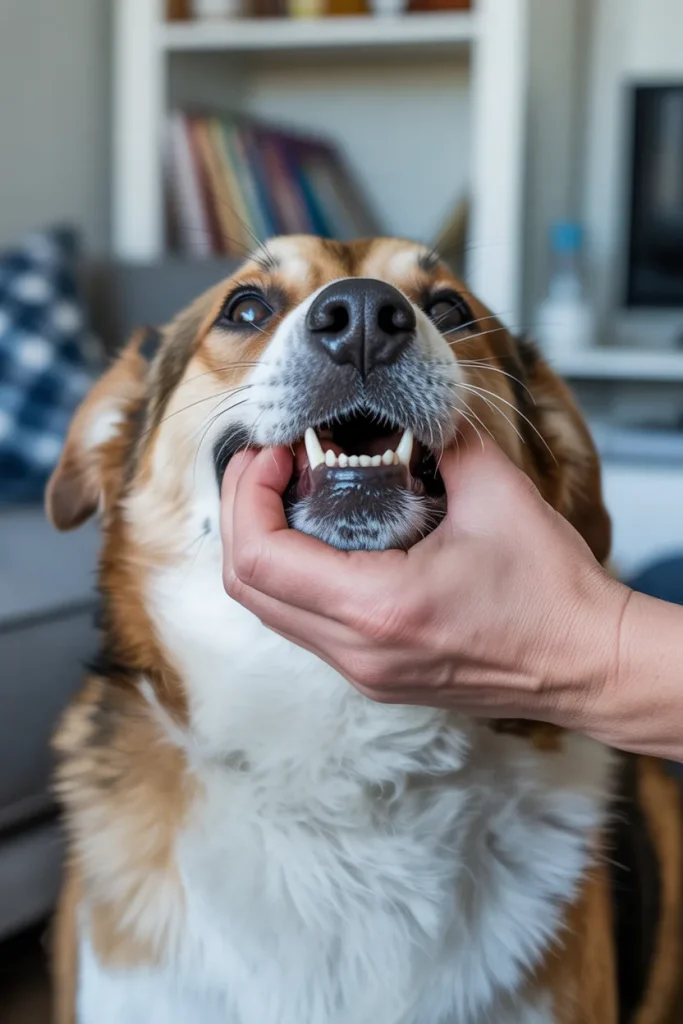
When I see a dog struggling to breathe, pawing at the mouth, or coughing hard, I treat it as a choking emergency. The first thing I do is stay calm and open the mouth to check for any visible object.
If I can see it clearly, I carefully remove it using fingers or tweezers, but I avoid pushing it deeper. If the object is stuck, I use the Heimlich technique based on the dog’s size.
For small dogs, I gently lift and support them while applying controlled pressure. For larger dogs, I place my hands under the rib area and apply firm upward thrusts. Speed matters here, and I always head to a vet afterward even if the object comes out.
2. Stop the Bleed: Managing Wounds and Cuts
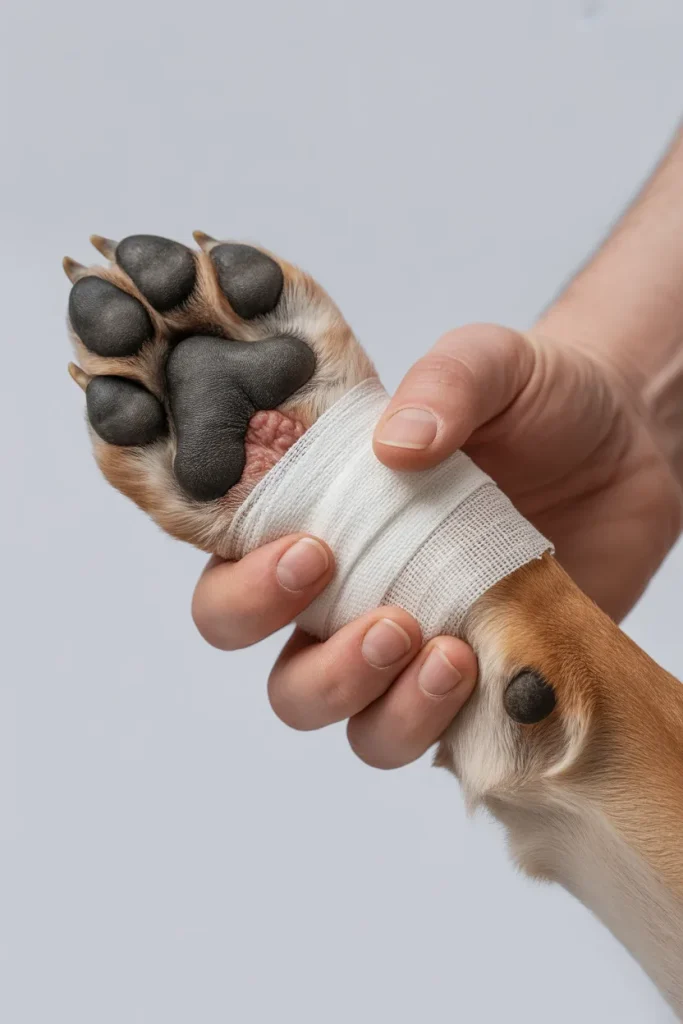
Dogs get injured easily during play, walks, or accidents. When I see bleeding, I apply direct pressure using clean cloth or gauze right away.
If possible, I raise the injured area to slow blood flow. In more serious bleeding, pressure must be constant until it slows.
I only consider a tourniquet in extreme cases and loosen it periodically to avoid tissue damage. After bleeding is controlled, I clean the wound with saline or clean water and bandage it. Deep or nonstop bleeding always needs urgent vet care.
3. Recognizing and Responding to Poisoning
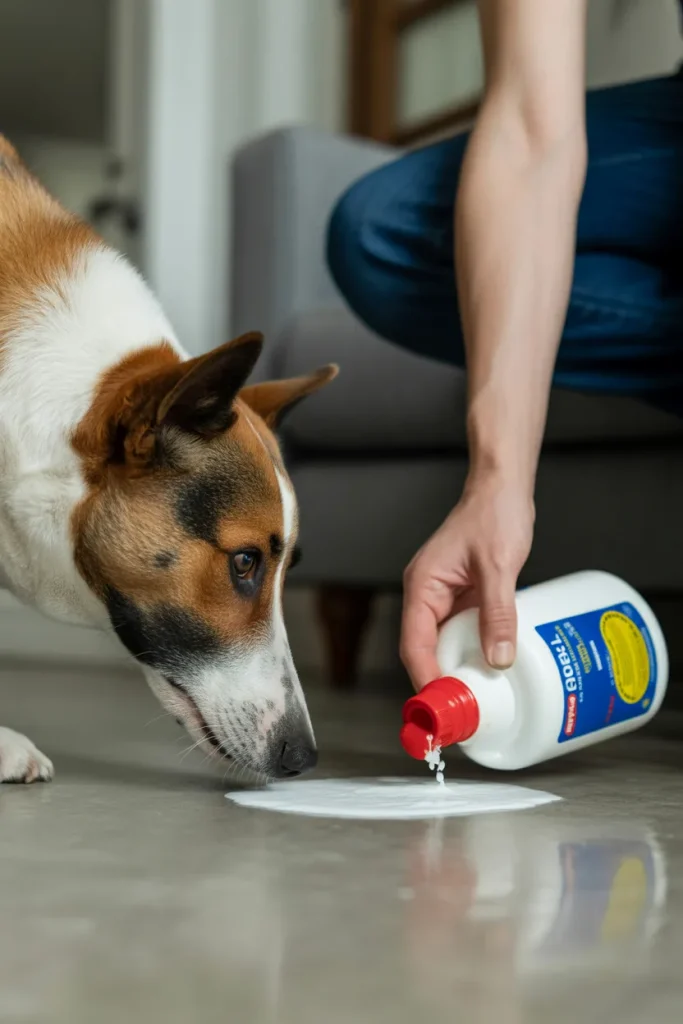
I treat poisoning as one of the most dangerous emergencies for dogs. Common risks include chocolate, grapes, xylitol, and cleaning chemicals.
Signs I watch for include vomiting, weakness, shaking, or unusual behavior. If I suspect poisoning, I contact a vet immediately instead of waiting.
I never try home remedies unless a professional instructs me. Some substances become more dangerous if vomiting is forced. Quick professional advice is the safest step in these cases.
4. Heatstroke: Cooling Down an Overheated Dog
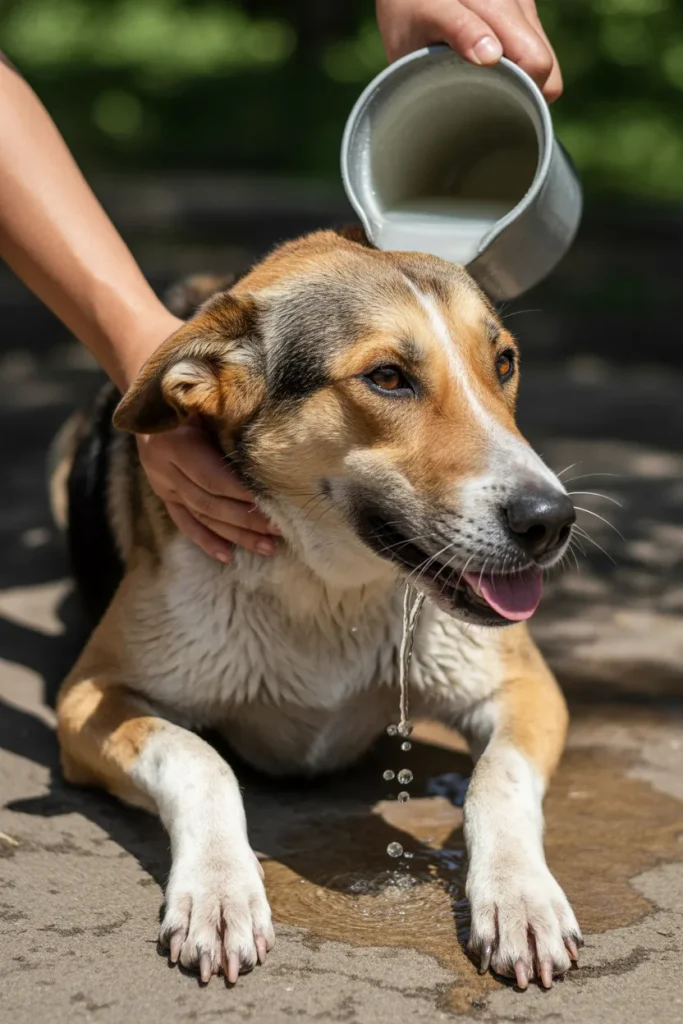
Heatstroke can happen quickly, especially in hot weather or after heavy activity. I watch for signs like heavy panting, drooling, vomiting, or collapse.
If this happens, I move the dog to a cool place immediately. I use cool water on the body, especially paws, neck, and belly, to reduce temperature gradually.
I avoid ice water because it can shock the system. I also offer small amounts of drinking water but never force it. After cooling, I always take the dog to a vet for full checkup.
5. CPR for Dogs: When Every Second Counts
If a dog stops breathing or has no pulse, I start CPR immediately while someone contacts a vet.
For small dogs, I use two fingers for chest compressions. For larger dogs, I use both hands on the chest while the dog lies on its side.
I follow a rhythm of about 30 compressions followed by 2 rescue breaths. I continue until the dog responds or reaches medical help. This skill is rare among pet owners, but it can truly save lives in emergencies.
6. Handling Broken Bones: Stabilize Before Moving
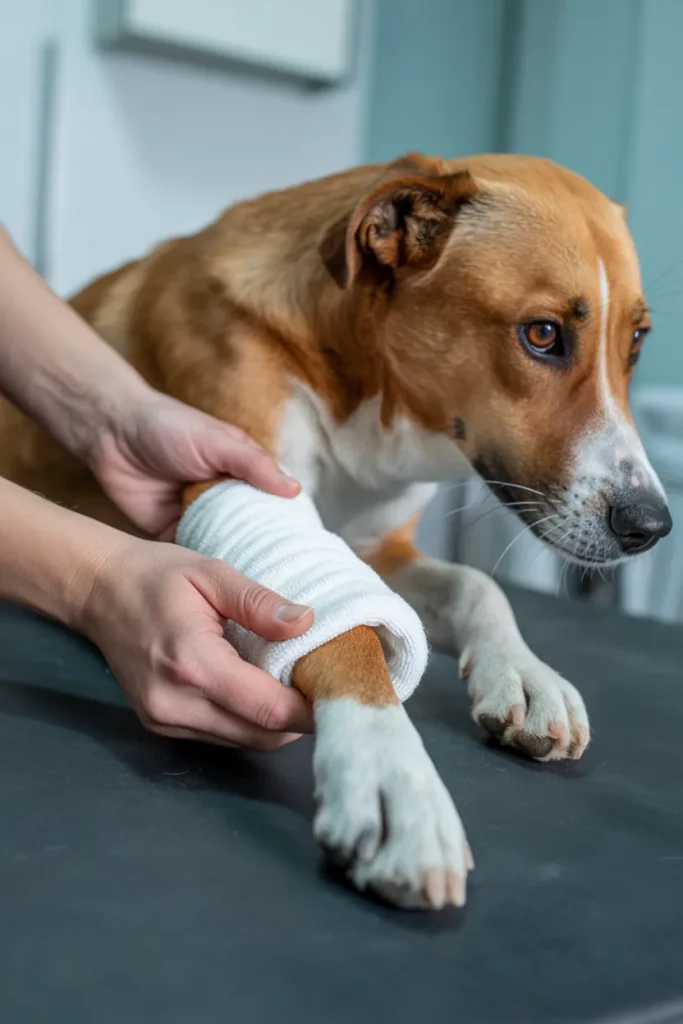
When I suspect a fracture, I avoid moving the dog unnecessarily because it can worsen the injury.
I keep the dog as still as possible and use a soft towel or splint for support. I never try to realign bones myself.
Even gentle dogs may bite due to pain, so I stay cautious. Then I transport them carefully to the vet, supporting the injured area to reduce movement.
7. Seizures: Staying Calm and Protecting Your Dog
Seizures are frightening, but I focus on keeping the dog safe. I remove sharp objects or anything nearby that could cause injury.
I never hold the dog down or put anything in their mouth. I simply let the seizure pass while monitoring time.
If it lasts more than a few minutes or repeats, I seek emergency care. Afterward, I keep the environment quiet and calm while the dog recovers.
FAQs
Q: Should I make my dog vomit if they eat something toxic?
I only do this if a vet specifically tells me to. Some toxins cause more harm when vomited.
Q: How can I check dehydration in dogs?
I look at gum moisture and skin elasticity. Dry gums or slow skin bounce can indicate dehydration.
Q: Can I use human first aid supplies for dogs?
Yes, items like gauze or saline are usually safe, but I avoid human medicines unless prescribed.
Conclusion
From my experience, emergencies with dogs are unpredictable, but preparation changes everything. I believe every owner should learn basic first aid skills and keep a proper emergency kit at home.
When I stay calm and act quickly, I can make a real difference in my dog’s safety. The goal is simple: stabilize first, then reach a vet as soon as possible.


