
How I Deal With an Aggressive Dog Using Calm Training
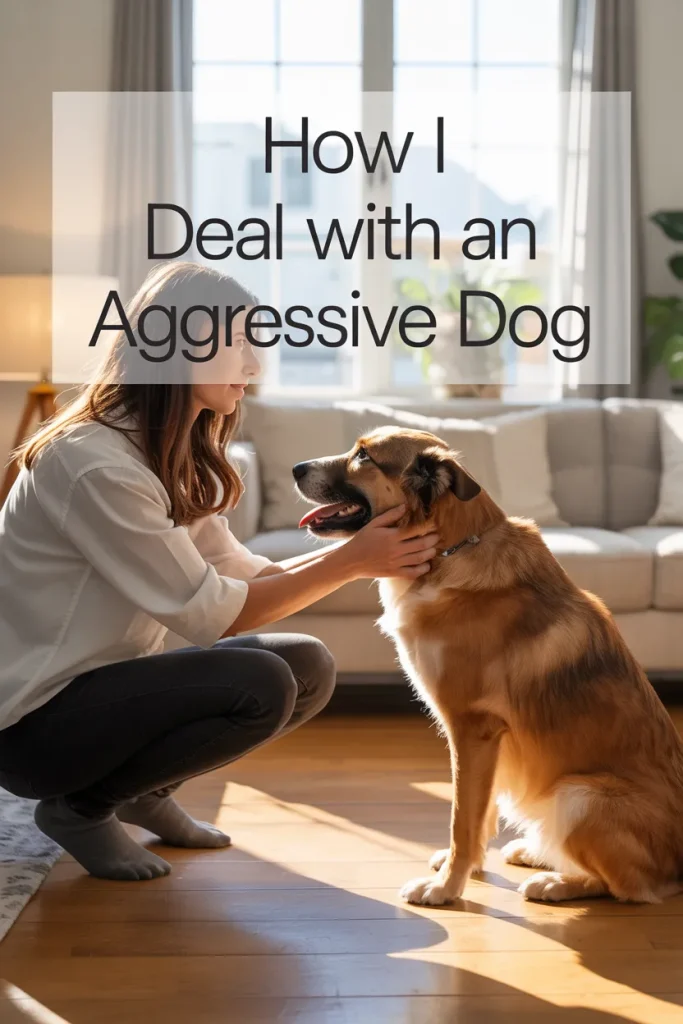
When I deal with an aggressive dog, I always focus on the root cause instead of reacting to the behavior. In my experience, aggression usually comes from fear, pain, frustration, or territorial instincts, not from a “bad dog.”
Written By:

In this guide, I share how I personally handle these situations using calm energy, reading body language, and applying simple training methods. I also include practical tools like redirection, leash control, and desensitization that I use in real training work.
Above the Fold Summary
Safety is always my first priority, so I also explain when I use tools like muzzles and when I step back and call a professional. My goal is always to reduce aggression, build trust, and create a safer environment for both dog and owner.
Key Takeaways
- I always look for triggers instead of labeling the dog
- Calm behavior from me helps reduce aggression
- Body language is a key communication tool
- Training works best with patience and consistency
- Safety and prevention always come first
Understanding the Behavior
When I work with aggressive dogs, I never treat the behavior as random. I always assume there is a reason behind it. Most of the time, aggression is a response to fear, stress, or discomfort.
From my experience, fear-based aggression is the most common. I’ve also seen territorial aggression and pain-related reactions in many cases. Leash frustration is another big trigger, especially when dogs cannot reach something they want.
Studies in dog behavior show that many bite incidents happen when dogs feel threatened or trapped. That’s why I first try to understand what changed in the environment before reacting.
Stay Calm and Collected
In real situations, I’ve learned that my energy directly affects the dog. If I stay calm, the dog is more likely to settle. If I panic, the situation usually gets worse.
That’s why I always control my breathing and keep my voice steady. I avoid sudden movements and try to stay neutral in my reactions.
Over time, I’ve seen that calm handling alone can reduce tension in many aggressive situations. Dogs react more to energy than words, so my mindset matters a lot.
Body Language Matters
When I approach an aggressive dog, I always pay attention to how my body looks from the dog’s point of view. I avoid standing directly in front because it can feel threatening.
Instead, I turn slightly sideways to reduce pressure. I keep my hands loose and avoid staring directly into the dog’s eyes.
I’ve noticed that even small changes in posture can make a big difference. When a dog feels less challenged, it becomes easier to manage.
Respecting space is one of the simplest but most effective things I teach dog owners.
Options for Handling Aggression
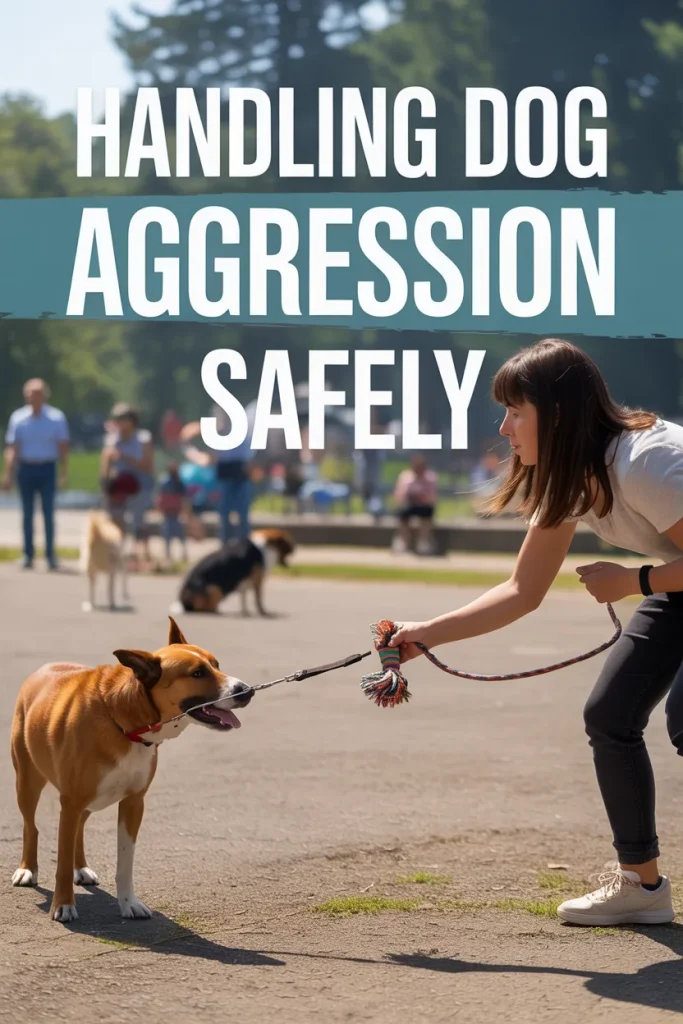
When I face aggression, I choose my response based on the situation. I don’t use one fixed method for everything.
One method I often use is redirection. I shift the dog’s attention using treats or toys before the behavior escalates. This helps break the reaction cycle early.
Leash control is also important. I keep the leash steady so I can guide the dog safely without adding stress.
Sometimes, the best option is simply walking away. If the dog is too overstimulated, removing it from the trigger is the safest decision.
If the behavior is serious or repeated, I always suggest working with a professional trainer or behavior specialist.
Paws-On Training Techniques
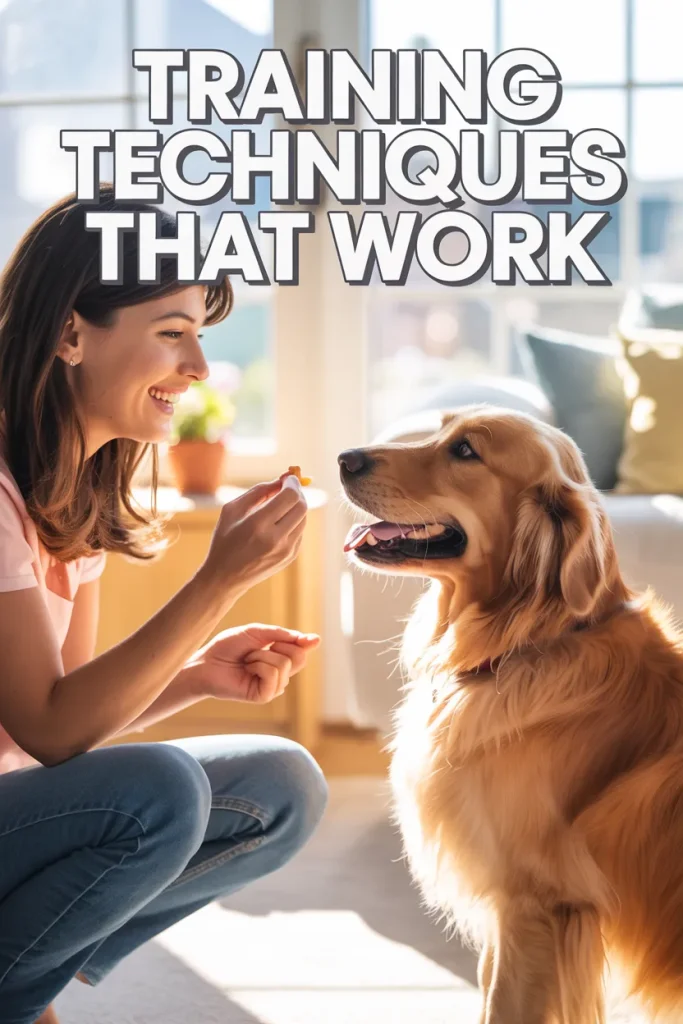
Training is one of the most effective ways I reduce aggression over time. I always focus on consistency instead of intensity.
One method I use is desensitization. I slowly expose the dog to triggers in a controlled way while rewarding calm behavior. This helps the dog build confidence.
Positive reinforcement is another core method in my work. I reward good behavior immediately so the dog learns what is expected.
I also use impulse control exercises like “wait” and “stay.” These help the dog learn patience and reduce reactive behavior.
Short daily sessions of 10–15 minutes work better in my experience than long, exhausting training sessions.
Safety First!
Safety is always my top priority when dealing with aggressive dogs. I never ignore warning signs like growling, stiff posture, or raised fur.
In some situations, I may recommend using a muzzle. I always explain that it is a safety tool, not a punishment.
I also make sure the dog has a quiet and safe space at home where it can relax without pressure.
Another important rule I follow is avoiding known triggers whenever possible. Prevention is always better than reaction.
Most aggressive incidents can be avoided with proper awareness and management.
Final Thoughts
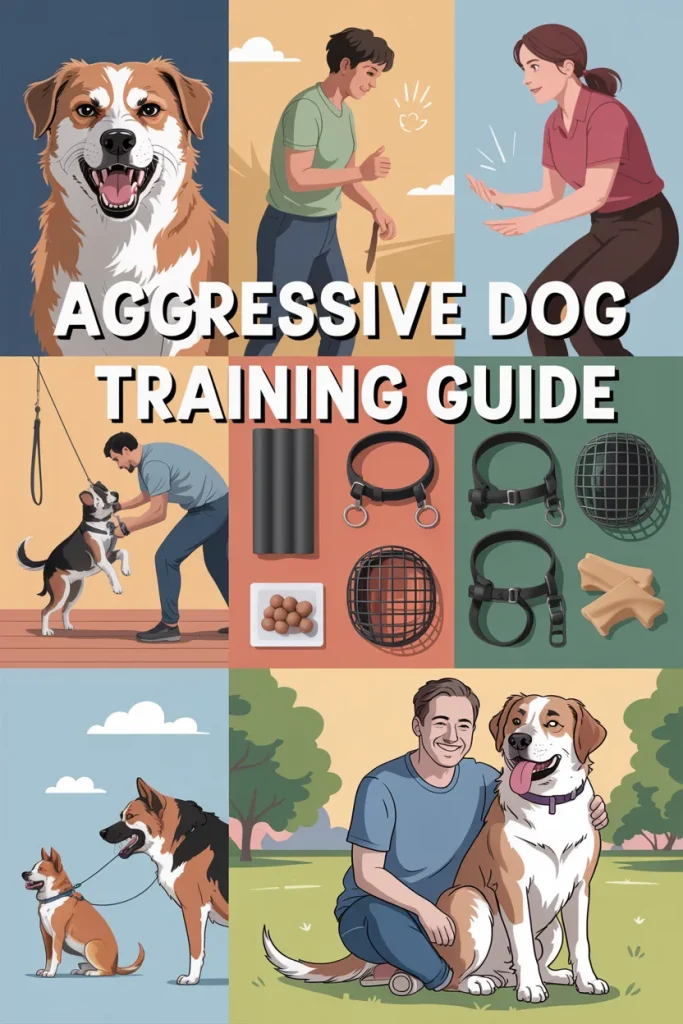
From my experience, aggressive dog behavior improves when I focus on understanding instead of punishment. Once I shifted my approach, I started seeing better and more stable results.
I’ve worked with many dogs labeled as “difficult,” and most of them improved with time, patience, and consistency.
Behavior change is not instant. It requires steady effort and clear communication.
When I stay calm, understand triggers, and apply consistent training, I can turn aggressive behavior into something manageable. My goal is always a safer, more trusting relationship between dog and owner.


