

Can You Actually Train Your Dog at Home?
Written By:

When I first started training my dog at home, I honestly wondered if I was setting us both up for failure. Between random zoomies, ignored commands, and the occasional chewed-up shoe, it felt chaotic. But here’s what I learned: home dog training absolutely works when I stay patient, consistent, and realistic.
I don’t need fancy equipment or expensive classes to teach basic obedience. What matters most is clear communication, repetition, and rewarding the right behavior fast.
Studies from canine behavior experts consistently show that positive reinforcement improves learning speed and long-term behavior better than punishment-based methods.
Training my dog at home helped me build trust, reduce bad habits, and create a calmer daily routine. It also saved money while strengthening our bond in ways I didn’t expect.
Key Takeaways
- I can successfully train my dog at home with patience and daily practice
- Positive reinforcement works better than punishment for most dogs
- Short 5–10 minute sessions improve focus and prevent burnout
- Consistency with commands and rules speeds up results
- Some behavioral issues may still need professional help
First Things First: Why Even Bother Training at Home?
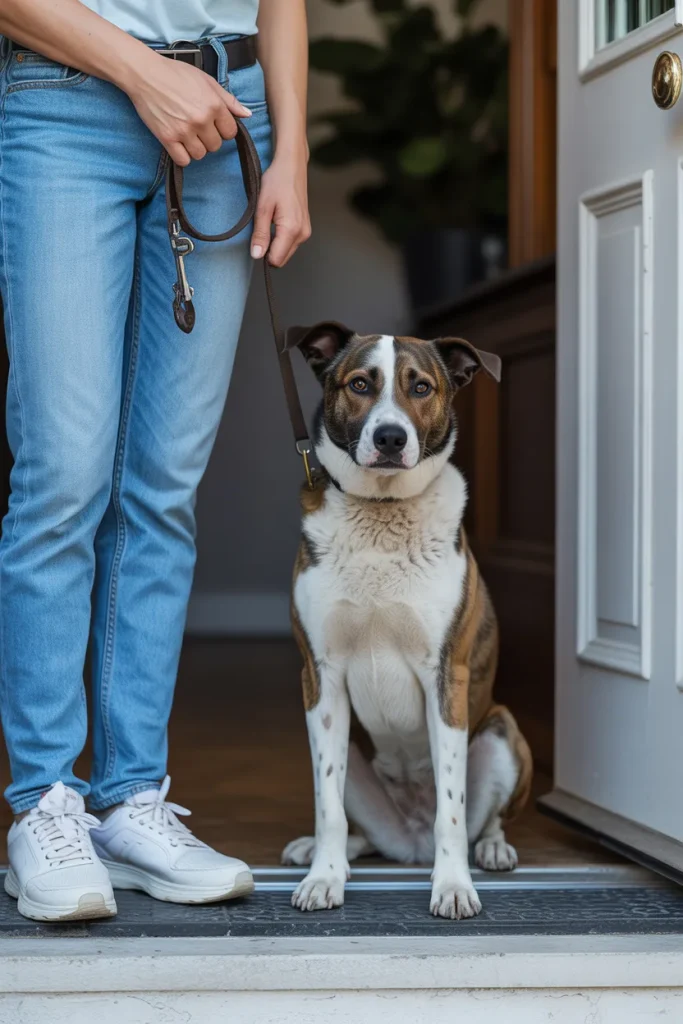
I realized pretty quickly that dogs don’t automatically understand human rules. Without training, even lovable dogs can develop frustrating habits like jumping, leash pulling, or ignoring recall.
Home training makes my everyday life easier. According to the American Kennel Club, dogs trained with basic obedience skills are often safer, more social, and easier to manage in public spaces.
For me, training wasn’t just about stopping bad behavior—it was about creating structure. Dogs often thrive when they know what’s expected.
Pro Tip: Daily obedience practice can also reduce boredom-related behaviors like chewing or excessive barking.
Step 1: Set Your Expectations (a.k.a., Chill Out)
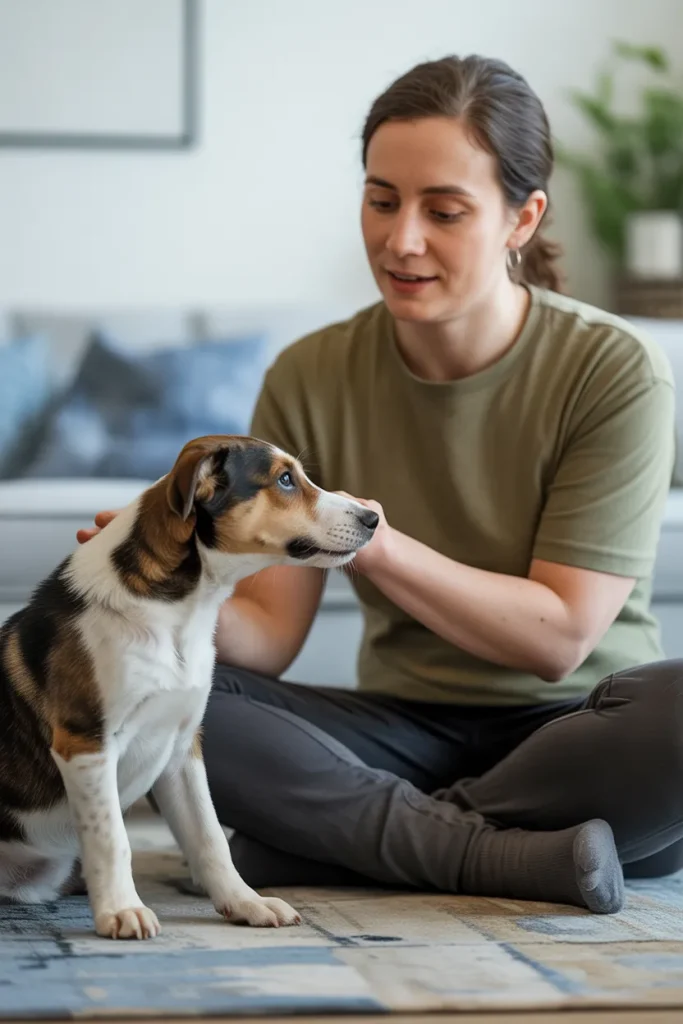
One of the biggest mistakes I made early on was expecting too much too fast. Dogs learn through repetition, not overnight miracles.
I got better results when I focused on one skill at a time:
- Sit
- Stay
- Come
Breaking training into smaller goals helped both of us feel successful. Research suggests dogs respond better when lessons are introduced gradually rather than stacked too quickly.
Patience matters more than perfection.
Step 2: Find Your Dog’s Kryptonite (aka Treats)
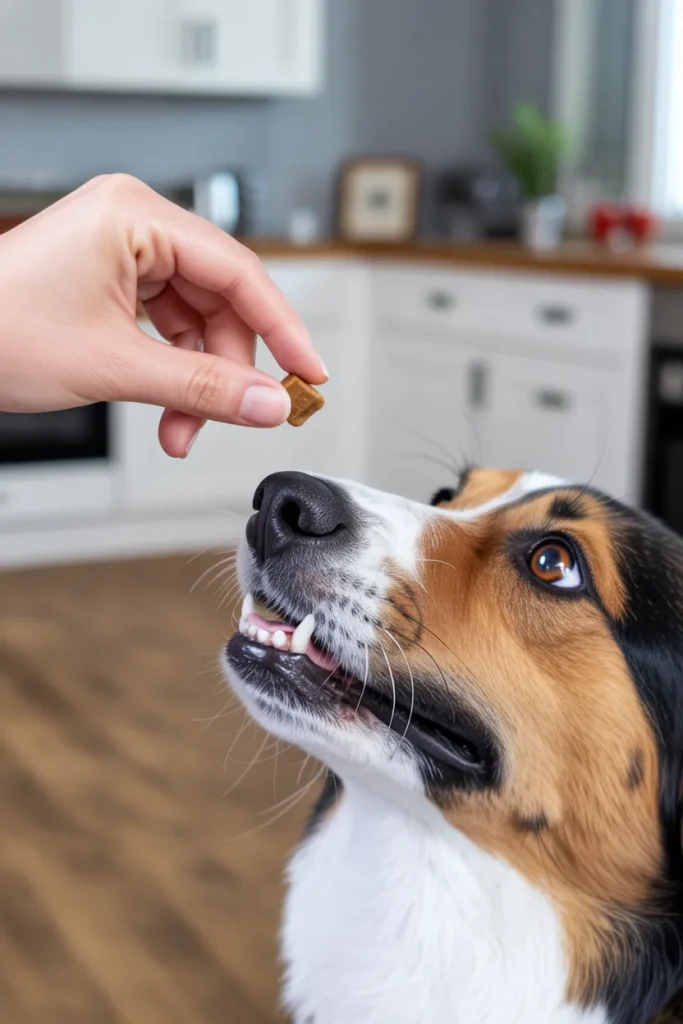
I learned fast that motivation changes everything. My dog worked much harder when I found rewards that truly mattered.
For many dogs, high-value treats like small chicken pieces or soft training bites outperform regular kibble. Others may prefer toys or affection.
What worked best for me:
- Soft, quick-to-eat treats
- Favorite squeaky toy
- Excited verbal praise
Pro Tip: Trainers often recommend pea-sized treats to avoid overfeeding during sessions.
Step 3: Timing Is Everything (Don’t Be a Sloth About It)
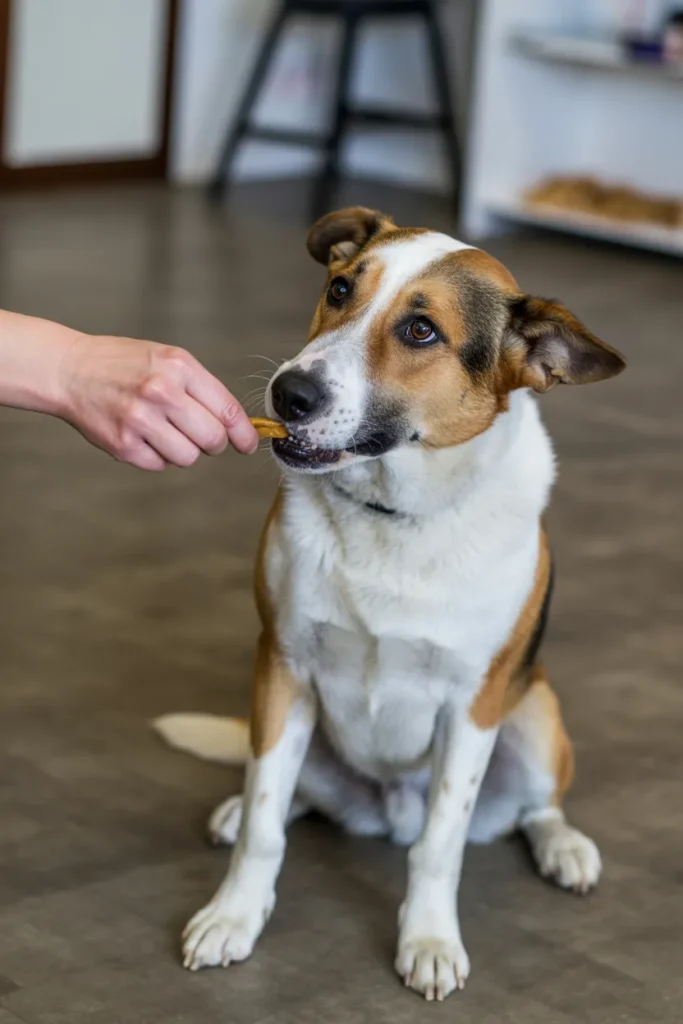
Timing changed my results more than I expected.
If I rewarded my dog immediately—within one or two seconds—they connected the reward to the exact behavior. Waiting too long created confusion.
For example, if I said “sit” and rewarded too late, my dog sometimes thought standing up earned the treat.
Clear timing builds clear habits.
Step 4: Be Consistent (Yes, Even When You’re Tired)
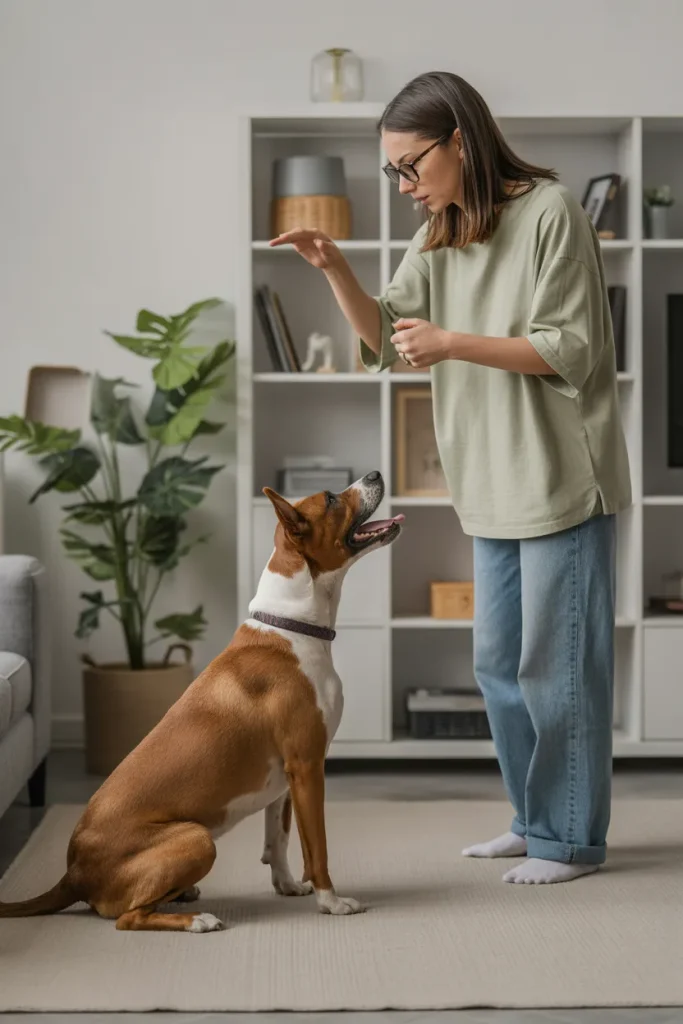
Consistency was honestly the hardest part for me—but also the most important.
Dogs learn patterns. If I used “down” one day and “lie down” the next, I created mixed signals.
I saw faster progress when I kept:
- The same command words
- The same household rules
- The same reward system
Consistency from everyone in the home matters too. If one person allows couch jumping and another doesn’t, dogs often struggle to understand boundaries.
Step 5: Keep It Fun (Because Misery Is Contagious)
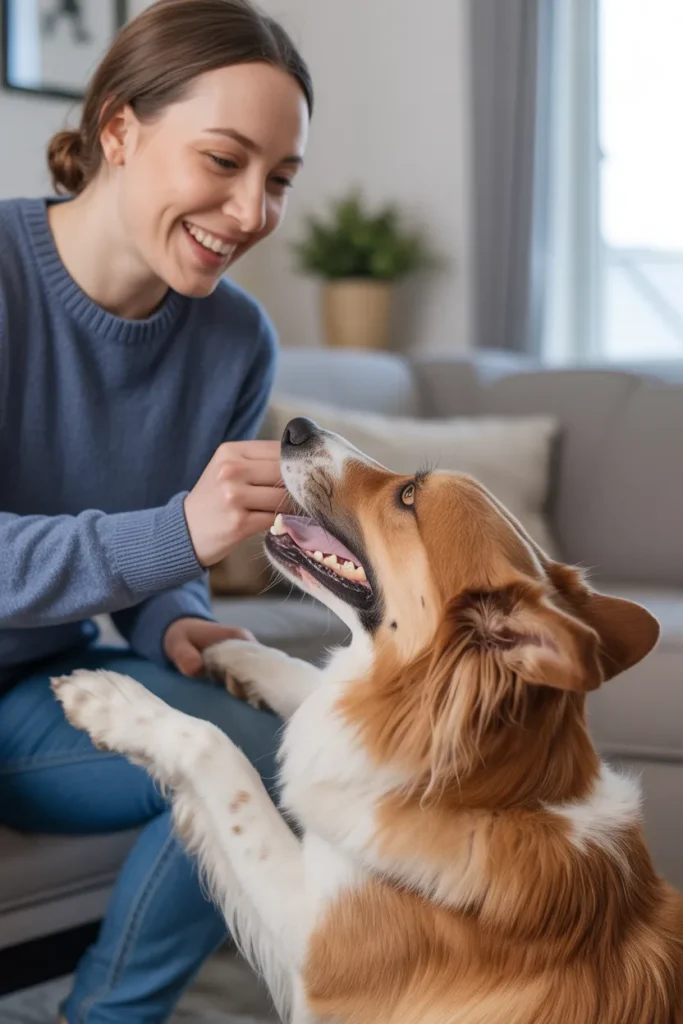
My dog learned better when training felt like play, not punishment.
Short, upbeat sessions kept energy high and prevented frustration. Experts often suggest ending on a win, even if it’s something simple your dog already knows.
I noticed enthusiasm mattered. When I sounded excited, my dog stayed engaged longer.
Pro Tip: Most dogs focus best in sessions lasting 5–10 minutes, especially puppies.
Quick Reality Check: When DIY Isn’t Enough
I also learned that not every issue should be handled alone.
Some behaviors may need a certified trainer or veterinary behaviorist:
- Aggression
- Severe anxiety
- Resource guarding
- Trauma-related fear
Professional help can prevent bigger problems and improve safety.
Final Verdict: Can You Actually Train Your Dog at Home?
Yes—I absolutely can train my dog at home, and for many owners, it’s one of the best ways to build lasting habits.
The real secret isn’t magic. It’s repetition, positive reinforcement, and showing up every day.
When I keep training simple, reward quickly, stay consistent, and make it enjoyable, progress happens.