How To Stop Your Puppy From Biting: A Calm, Practical Guide for New Owners
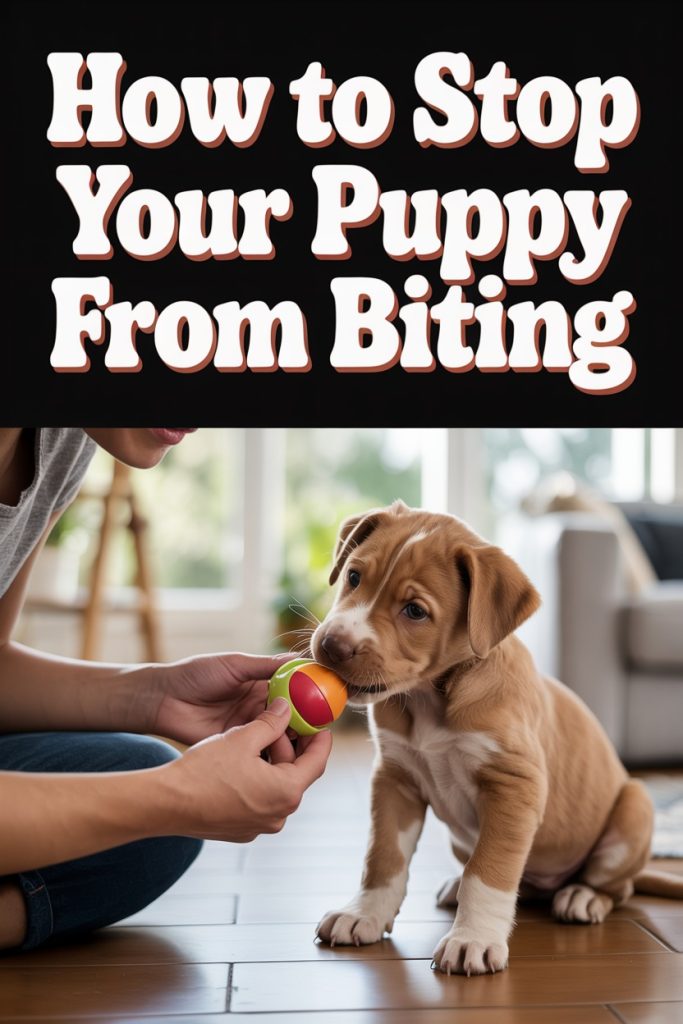
Bringing a puppy home is full of happy moments, but biting can quickly become a concern. Many new owners feel confused or worried when their puppy starts using their teeth on hands, clothes, or furniture. Biting is normal for puppies, but it should be guided early so it does not turn into a long-term habit. Learning How To Stop Your Puppy From Biting early helps create a safer and calmer home for everyone.
With the right understanding, patience, and simple training steps, you can teach your puppy better ways to behave while still allowing them to grow and learn naturally.
Understanding Why Puppies Bite
Before working on How To Stop Your Puppy From Biting, it helps to know why puppies bite in the first place. Biting is part of normal puppy behavior and can happen for several reasons.
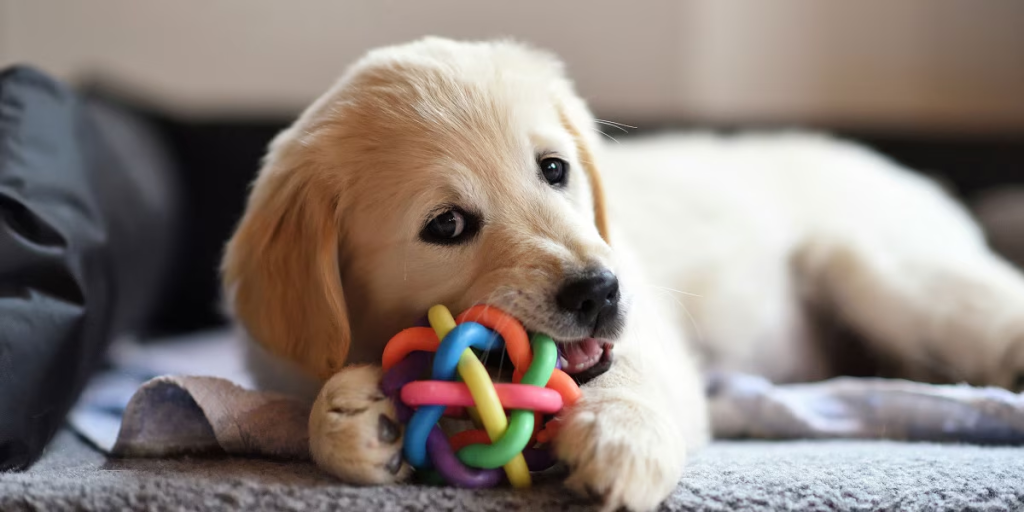
Teething is one of the most common causes. Puppies feel discomfort as their teeth grow, so they chew to ease the pain. Puppies also use their mouths to explore the world, much like babies use their hands. Biting helps them learn about new objects and situations.
Play is another reason. Puppies often bite while playing because this is how they interacted with their littermates. Some puppies bite to get attention, especially when they want to play or feel ignored. In certain situations, a puppy may bite if they feel scared or threatened, using it as a way to protect themselves.
Knowing the reason behind the biting makes it easier to respond in the right way.
Effective Techniques to Stop Your Puppy from Biting
Consistent Training
Consistency plays a big role in teaching your puppy what is acceptable. When working on How To Stop Your Puppy From Biting, everyone in the home should respond the same way. Choose simple commands like “gentle” or “no bite” and use them every time biting happens.
Say the command calmly and firmly. When your puppy listens and stops biting, reward them with praise or a small treat. This helps them connect gentle behavior with positive outcomes. Training takes time, so patience is important while your puppy learns.
Redirect Biting Behavior
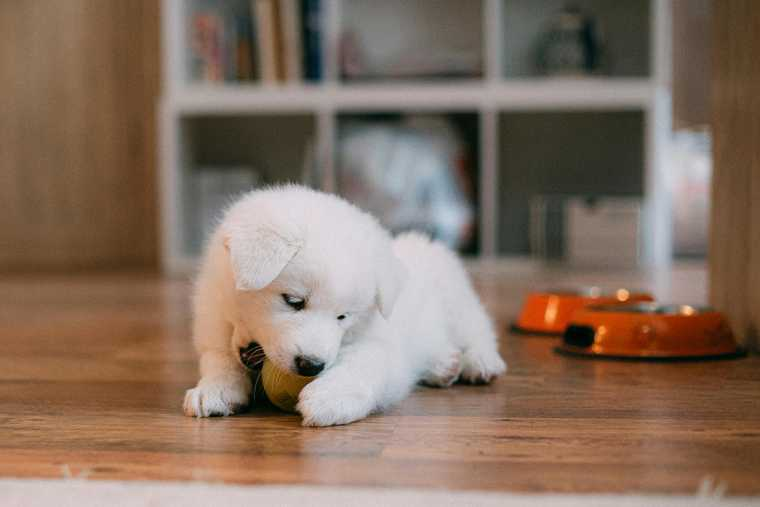
Instead of allowing your puppy to bite hands or furniture, guide them toward things that are okay to chew. When your puppy tries to bite, offer a chew toy right away. This teaches them what they are allowed to bite and chew.
Different puppies enjoy different types of toys, such as rubber toys, rope toys, or safe edible chews. Pick toys that match your puppy’s size and age. Redirection is a key step in How To Stop Your Puppy From Biting without causing fear or stress.
Socialization
Spending time with other puppies and people helps your puppy learn proper behavior. Through socialization, puppies understand how hard is too hard when playing. Puppy classes or safe playdates give them a chance to practice gentle play.
Always watch your puppy during playtime. If things get too rough, step in and guide them toward calmer behavior. Reward gentle interactions so your puppy learns the right way to play.
Use Positive Reinforcement
Positive reinforcement is one of the most effective tools when learning How To Stop Your Puppy From Biting. When your puppy behaves well, reward them right away. This can be done with treats, kind words, or short play sessions.
Avoid shouting or physical punishment. These methods can scare your puppy and make biting worse. Encouraging good behavior helps your puppy feel safe and confident while learning.
Create a Calm Environment
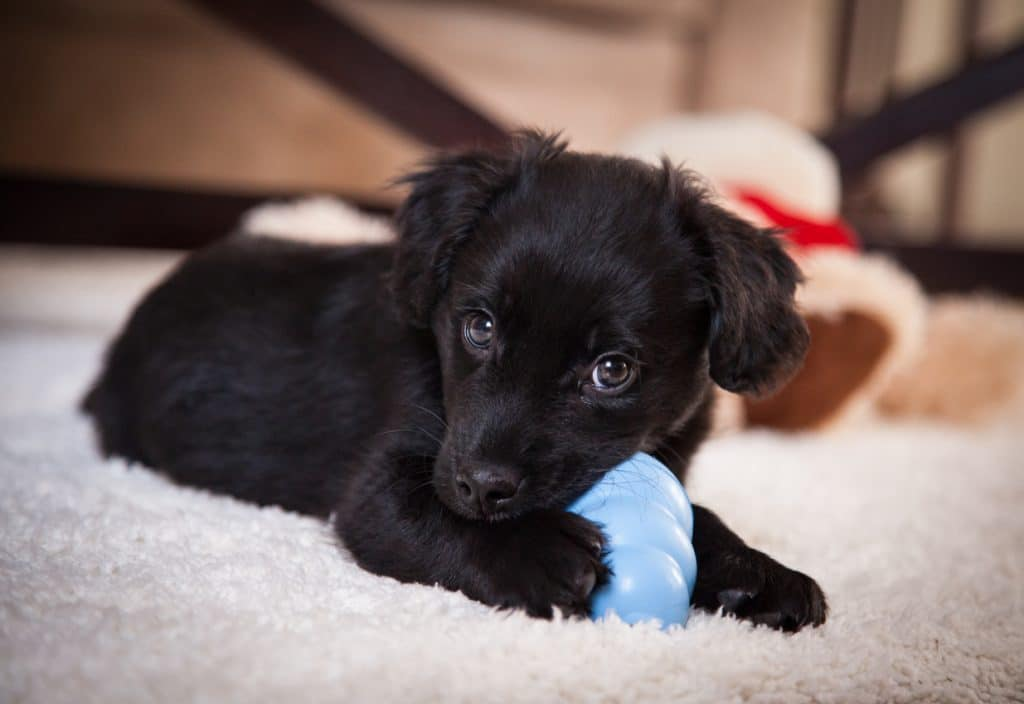
Puppies are more likely to bite when they feel overwhelmed or excited. Keeping your home calm can reduce unwanted behavior. Loud noises, too much activity, or constant excitement can lead to stress and biting.
Give your puppy a quiet place where they can rest. A comfortable bed in a peaceful area helps them relax and feel secure. A calm puppy is easier to train and less likely to bite.
Teach Bite Inhibition
Bite inhibition teaches your puppy to control how hard they bite. If your puppy bites too hard during play, make a sharp sound like “ouch” and stop playing for a short moment. This shows them that the bite was painful.
After a short pause, resume play and reward gentle behavior. Repeating this teaches your puppy to be careful with their mouth. This step is very important when learning How To Stop Your Puppy From Biting safely.
Provide Plenty of Exercise and Mental Stimulation
Puppies with too much energy often bite out of boredom. Daily exercise helps release built-up energy. Walks, playtime, and outdoor activities keep your puppy active and happy.
Mental stimulation is just as important. Puzzle toys and treat-dispensing toys keep your puppy busy and focused. Rotating toys can keep things interesting and reduce unwanted chewing and biting.
Avoid Encouraging Rough Play
Using hands or feet during play can confuse your puppy. They may think biting people is acceptable. Always use toys during playtime instead of your body.
If your puppy becomes rough, stop playing and walk away for a moment. This shows them that rough behavior ends the fun. Clear boundaries help your puppy understand how to behave.
Seek Professional Help
If biting continues despite your efforts, a professional trainer or behavior expert can help. They can observe your puppy and offer guidance that fits your situation. Sometimes extra support makes learning How To Stop Your Puppy From Biting much easier.
Final Thoughts
Teaching a puppy to stop biting takes time, patience, and understanding. Biting is normal, especially at a young age, but it needs guidance. The goal is not to stop all biting overnight but to teach better habits.
By using consistent training, gentle guidance, exercise, and positive reinforcement, your puppy can learn to behave calmly. If needed, professional help is always a good option. With care and effort, you can enjoy a peaceful home and a happy, well-adjusted puppy.