Stop Puppy Jumping on People: Simple Training Steps That Actually Work
Written By:
I’ve learned that puppy jumping is not just playful behavior—it usually comes from excitement, attention-seeking, and natural greeting instincts. In this guide, I explain how I personally handled this issue using simple steps like basic commands, ignoring jumping, leash control, and rewarding calm behavior. I also focus on exercise, socialization, and building a calm environment at home.
Above the Fold Summary
From my experience, consistency is the most important factor. Puppies don’t respond well to punishment, but they learn very fast through repetition and rewards. I’ve seen clear improvement in most puppies within 2–4 weeks when training is done daily and correctly.
Key Takeaways
- Puppies jump mainly due to excitement and attention-seeking behavior
- “Sit” command works better than punishment
- Ignoring jumping teaches calm behavior
- Daily exercise reduces excess energy
- Socialization improves behavior around people
- Positive reinforcement gives long-term results
Understanding Why Puppies Jump on People
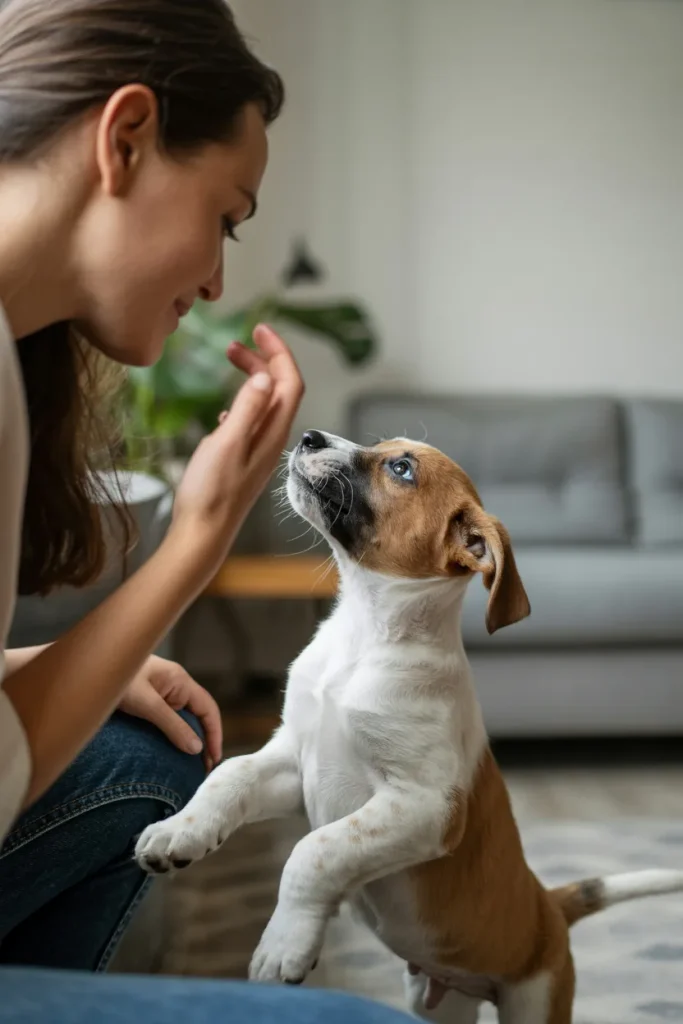
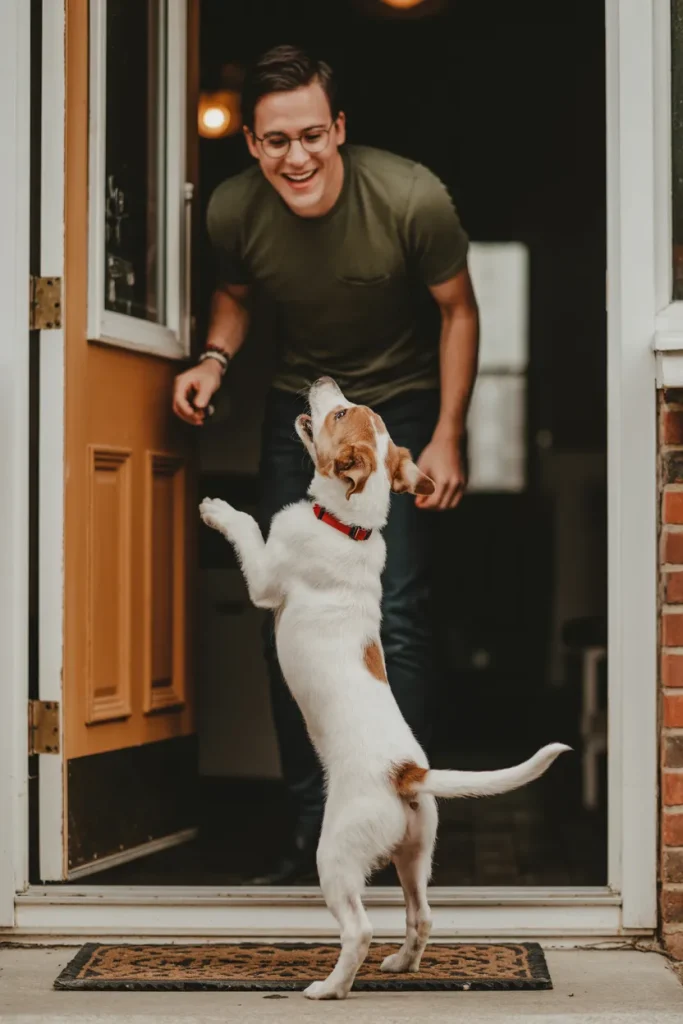
From my experience, puppy jumping is a natural behavior, not a bad habit at first. Puppies usually jump because they want attention or closeness to your face. I’ve also noticed excitement plays a big role, especially when owners return home or new people arrive.
Young dogs have higher energy levels and limited impulse control, which is why jumping is common during early development. I’ve seen that puppies also copy natural dog greeting behavior, where face-to-face contact is normal. They also explore using paws, which adds to the habit.
Once I understood this, I realized stopping jumping is about teaching better habits, not stopping instincts.
Effective Techniques to Stop Your Puppy from Jumping on People
In my experience, there is no single solution. It requires a mix of consistent training methods used every day.
Consistent Training
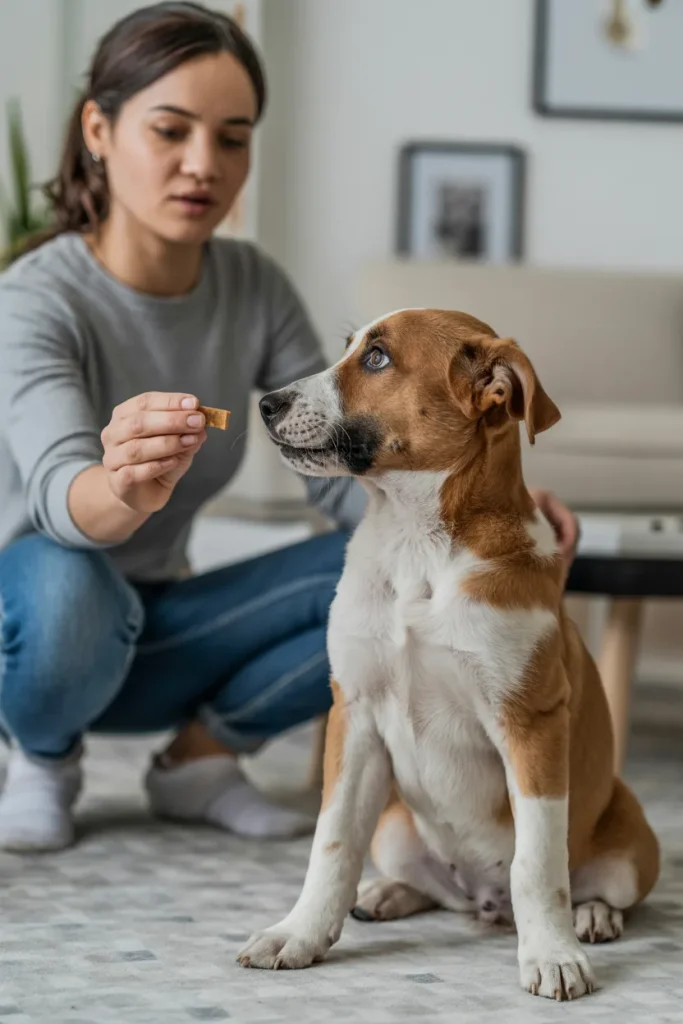
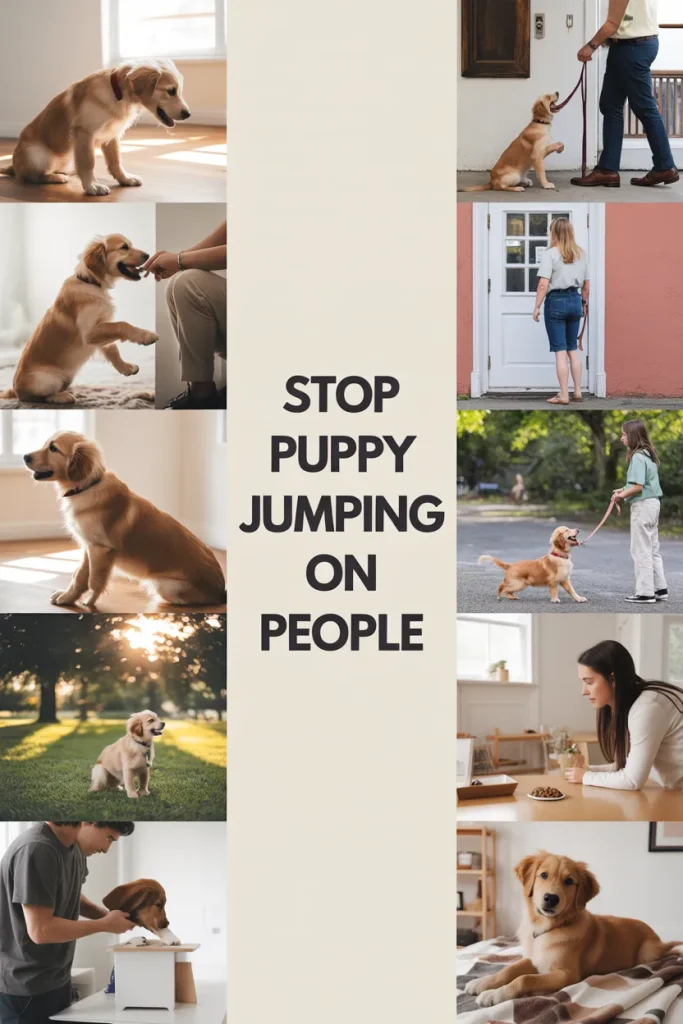
I always start with basic commands like “sit” and “stay.” When my puppy jumps, I calmly repeat the command instead of reacting emotionally.
I’ve found that rewards are more powerful than corrections. When I immediately reward good behavior, the puppy learns faster. I usually use a simple rule: reward within a few seconds so the puppy clearly connects behavior with result.
Ignore the Jumping
One method that worked well for me is ignoring the jumping completely.
When my puppy jumps, I turn away and avoid eye contact. I don’t push or speak because even attention can reinforce the behavior.
Once all four paws are on the ground, I immediately reward calm behavior. This helps the puppy understand that calmness gets attention, not jumping.
Use a Leash
I often use a leash when training, especially with visitors.
It helps me control the puppy without force. I guide the puppy into a sitting position before greeting people.
This method prevents repeated mistakes and helps the puppy learn faster in real situations.
Teach an Alternative Behavior
Instead of only stopping jumping, I teach a replacement behavior like sitting.
I train my puppy to sit when someone enters the room. Over time, the puppy learns that sitting brings attention while jumping does not.
This approach works better because dogs naturally repeat behaviors that bring rewards.
Socialization
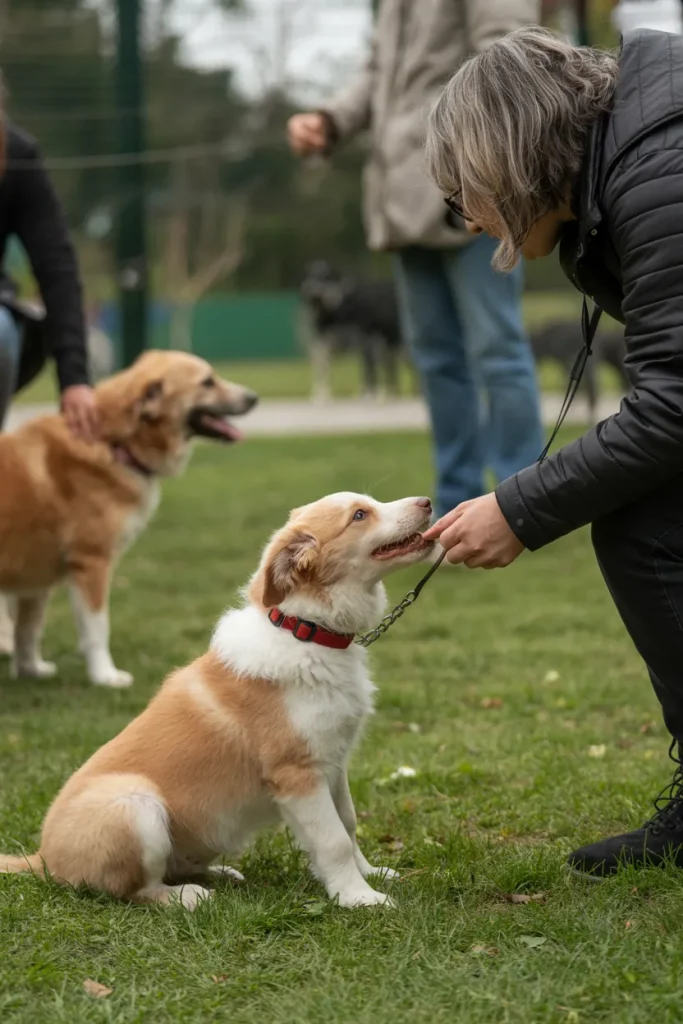
Socialization has been very helpful in my training experience.
When puppies meet different people and dogs early, they learn how to behave calmly in different situations. I usually recommend starting between 8 and 16 weeks of age, which is the key learning stage.
Controlled play and puppy classes reduce excitement-based jumping significantly.
Provide Plenty of Exercise and Mental Stimulation
From my experience, lack of exercise is one of the biggest reasons for jumping.
Most puppies need 30 minutes to 2 hours of activity daily, depending on breed and energy level. Walks, playtime, and puzzle toys all help reduce excess energy.
I also rotate toys every few days to keep the puppy interested and mentally active.
Use Positive Reinforcement
Positive reinforcement has been the most effective method for me.
I always reward calm behavior with treats, praise, or playtime. Puppies learn faster when good behavior is rewarded immediately.
I avoid punishment because it increases fear and often makes behavior worse instead of better.
Create a Calm Environment
I’ve noticed that the environment affects behavior more than people think.
Too much noise or excitement can trigger jumping. I keep a quiet space where my puppy can relax and feel safe.
A calm environment helps reduce overstimulation and improves learning speed.
Seek Professional Help
If progress is slow, I recommend professional help.
A trainer can identify specific triggers and build a customized plan. I’ve seen faster results when expert guidance is added in difficult cases.
FAQ,s
Why does my puppy jump on people?
From my experience, puppies jump because of excitement, attention-seeking, and natural greeting behavior.
How long does it take to stop jumping?
Most puppies show improvement within 2–4 weeks with consistent daily training.
Should I punish my puppy for jumping?
I avoid punishment because it increases fear. Positive reinforcement works better.
Can exercise reduce jumping?
Yes, tired puppies jump less because they have less excess energy.
Is socialization important?
Yes, early socialization helps puppies learn calm behavior around people.
Final Thoughts: Stop Puppy Jumping on People
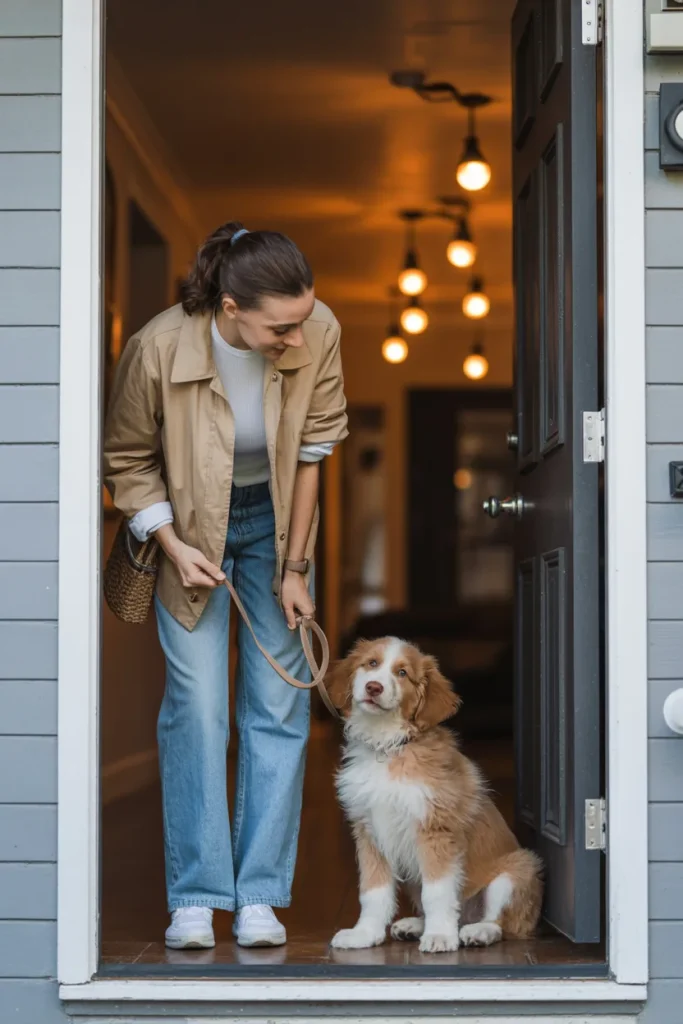
From my experience, stopping puppy jumping is about teaching calm behavior, not stopping energy. I focus on consistency, patience, and daily practice instead of quick fixes.
When I combine training, exercise, and a calm environment, I see steady improvement. Every puppy can learn polite greetings if the right method is used consistently.