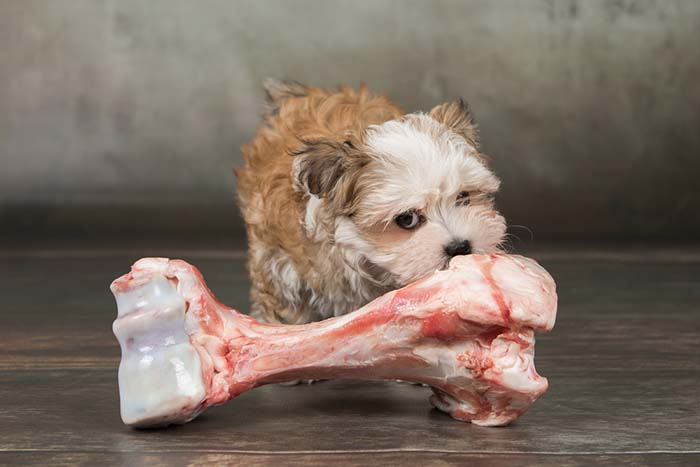

9 Tips To Freshen Your Dog’s Breath
Written By:

I’ve learned that bad dog breath is more than just an annoying smell—it can be a warning sign about dental hygiene, diet, or even deeper health issues. The good news is that in many cases, I can improve my dog’s breath naturally with better oral care, smart food choices, and a few daily habits that actually work.
From brushing and dental treats to crunchy vegetables and hydration, small changes often make a noticeable difference.
Keeping my dog’s mouth healthy does more than improve breath—it can also reduce plaque buildup, lower the risk of gum disease, and support long-term wellness. According to veterinary dental studies, periodontal disease affects most dogs over age three, which makes prevention a major priority. I focus on practical steps that fit real life, not perfection.
Key Takeaways
Bad breath often starts with plaque, diet, or digestive issues, but it can also signal dental disease.
Regular brushing remains the most effective at-home solution for reducing odor-causing bacteria.
Natural options like carrots, parsley, coconut oil, and dental chews can support fresher breath.
Clean water, better nutrition, and routine vet exams all play a major role in oral health.
Severe or sudden bad breath should never be ignored because it may point to medical concerns.
Why Does My Dog’s Breath Smell So Bad?
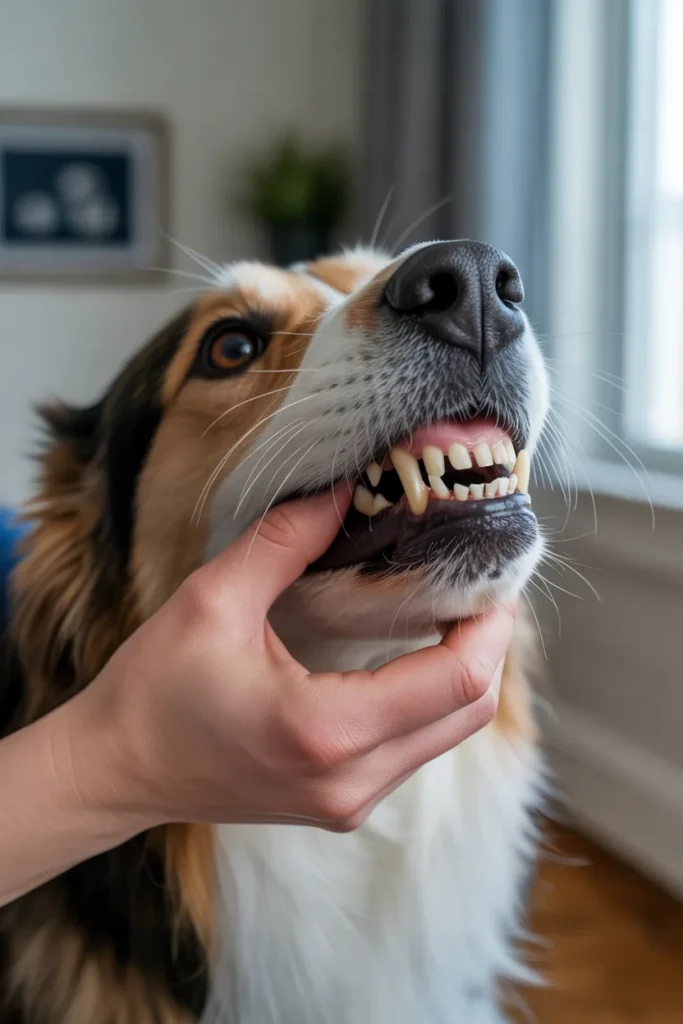
I remind myself that dogs aren’t supposed to smell minty fresh, but extremely foul breath usually means something needs attention. The most common reason is plaque and tartar buildup, which creates bacteria inside the mouth. If left untreated, this can lead to gum inflammation and tooth decay.
I also watch for diet-related causes. Dogs sometimes eat garbage, spoiled food, or worse, which can trigger temporary odor. In some cases, digestive issues or oral infections may be involved. If the smell becomes unusually strong or persistent, I know it’s smart to rule out periodontal disease or other health problems with a vet.
1. Brush Their Teeth (Yes, Really)
Brushing is still the best thing I can do for my dog’s breath because it directly removes plaque before it hardens into tartar. Even a few sessions each week can help reduce bacteria and improve oral hygiene.
I always use dog-safe toothpaste because human toothpaste can be dangerous. Starting slow works best—letting my dog get used to the brush first usually prevents stress. Daily brushing is ideal, but even 2–3 times weekly can make a real difference.
How to Brush Your Dog’s Teeth Without Losing a Finger
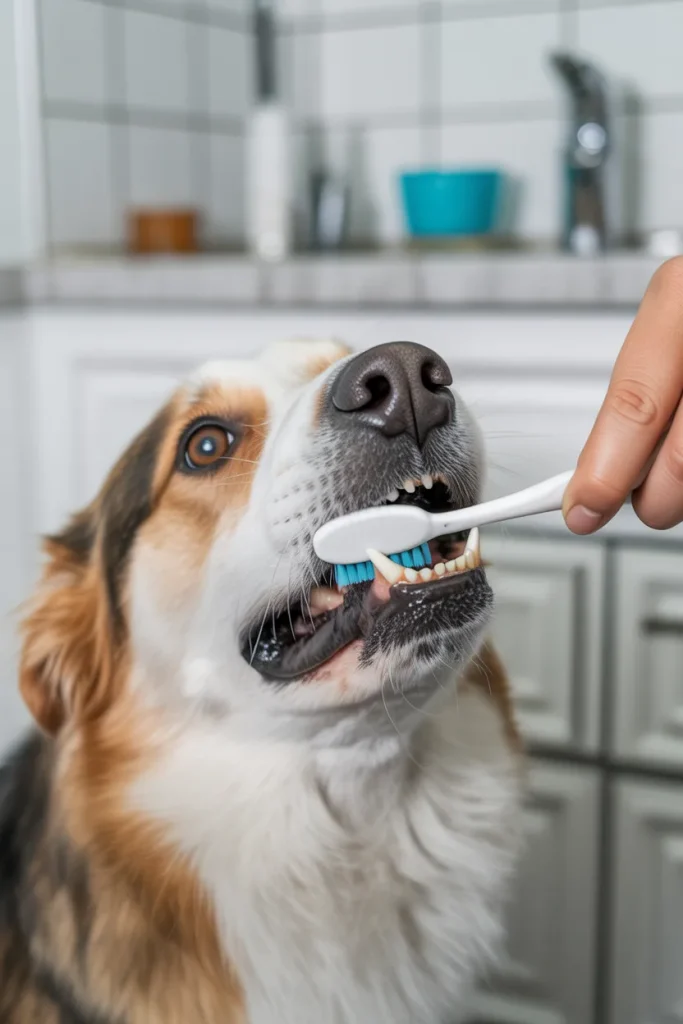
I start by choosing flavored dog toothpaste since many dogs accept poultry or peanut butter flavors better. Then I gently lift the lips and focus on the outer teeth surfaces where plaque often collects.
Short sessions work better than forcing it. I treat it like training, using praise and rewards after each attempt. Over time, consistency matters more than perfection.
2. Try Breath-Freshening Treats
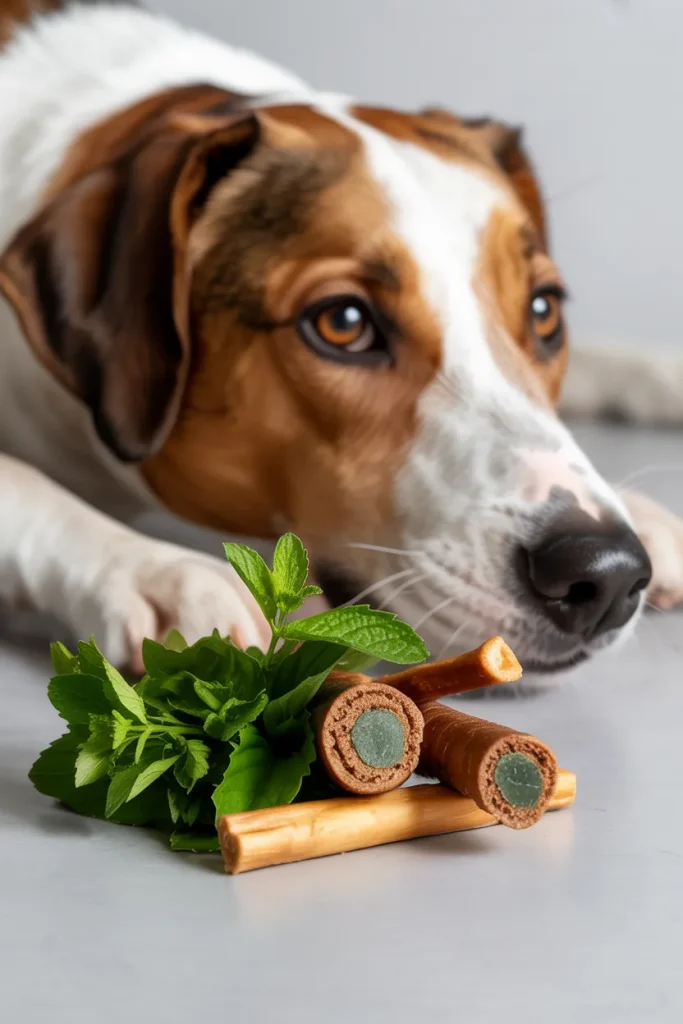
When brushing doesn’t go smoothly, dental treats can help fill the gap. I look for options designed to reduce plaque mechanically while using natural ingredients that support oral health.
Treats with parsley, mint, or coconut oil can help manage odor while satisfying chewing instincts. I also prefer products approved for dental benefits rather than sugary fillers that may worsen buildup.
3. Offer Crunchy Fruits and Veggies
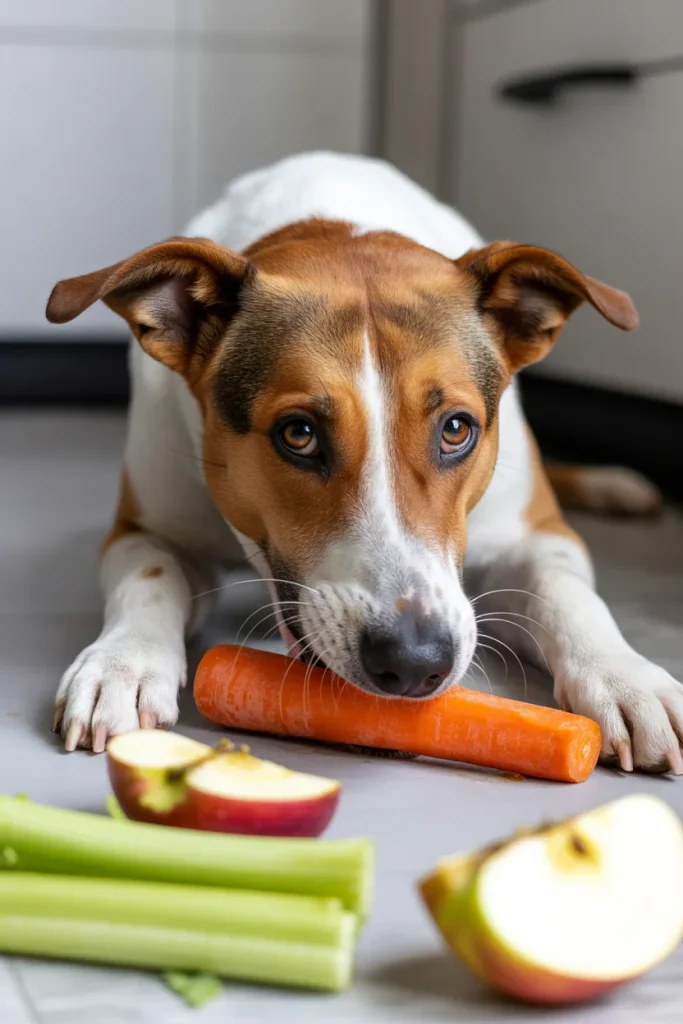
I’ve found that crunchy produce like carrots or celery can act like mild natural scrubbers for teeth. While they don’t replace brushing, they can help reduce surface debris while adding nutrients.
Apple slices can work too, but I always remove seeds first. Frozen carrots are especially useful because they combine dental texture with a longer-lasting chew.
4. Add Coconut Oil to Their Diet

Coconut oil can be a helpful addition because of its antimicrobial properties. I use it in moderation, mixing small amounts into food based on my dog’s size.
Too much can upset digestion, so portion control matters. For some dogs, it may help with both oral bacteria and gut balance, which can improve breath from multiple angles.
How to Give It to Your Dog
I usually mix a small serving into meals or spread a little on treats. Some dogs enjoy it directly, but I always introduce it gradually to avoid stomach issues.
Starting small also helps me monitor for any sensitivity while still testing benefits.
5. Fresh Water, Always
Hydration plays a bigger role than many people realize. I keep water bowls clean because bacteria can build quickly in standing water, especially in warm weather.
Fresh water helps rinse food particles and supports saliva production, which naturally protects the mouth. I clean bowls daily because the bowl itself can become a bacteria source.
6. Dental Chews to the Rescue
Dental chews are one of my favorite low-effort tools because they combine entertainment with oral care. Good chews can reduce plaque through friction while keeping my dog mentally engaged.
I focus on size-appropriate, digestible options with safe ingredients. Supervision matters, especially with harder chews or bones.
7. DIY Dog Breath Spray
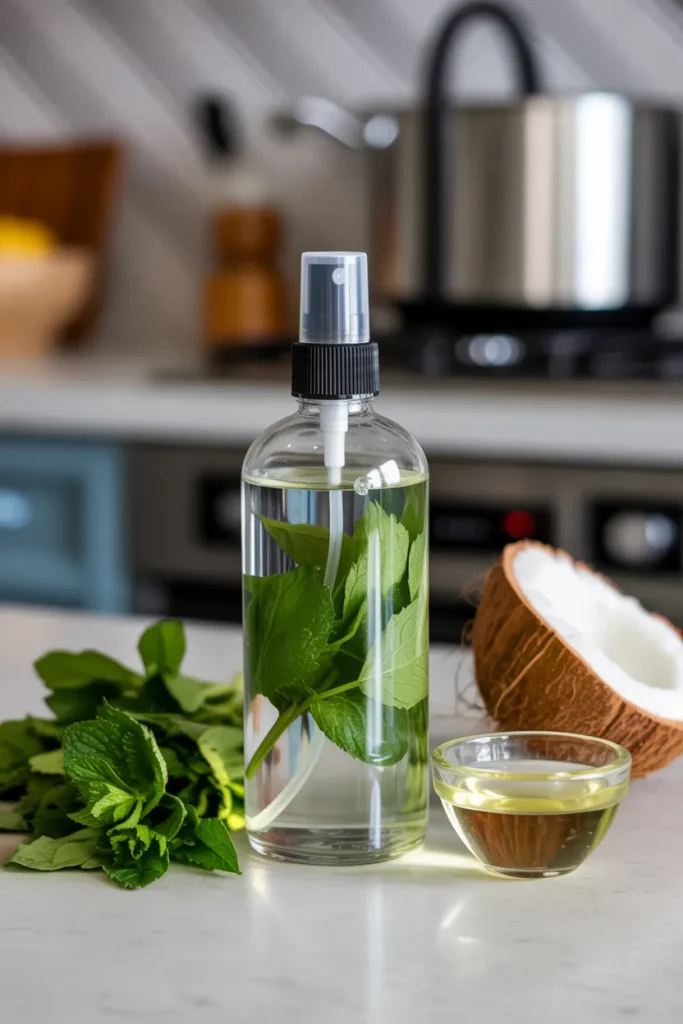
I like simple homemade solutions when ingredients are safe and vet-friendly. A mix of water, parsley, and dog-safe herbs may offer temporary freshness.
Still, I treat sprays as a bonus—not a replacement for real dental care. Covering odor without addressing bacteria won’t solve the root problem.
8. Check Their Diet
What my dog eats shows up in their breath. Diets high in sugars, fillers, or poor-quality carbs may contribute to plaque formation faster than balanced, protein-focused meals.
I prioritize quality ingredients and avoid frequent table scraps. Better nutrition often improves not just breath, but skin, digestion, and energy too.
9. Regular Vet Checkups
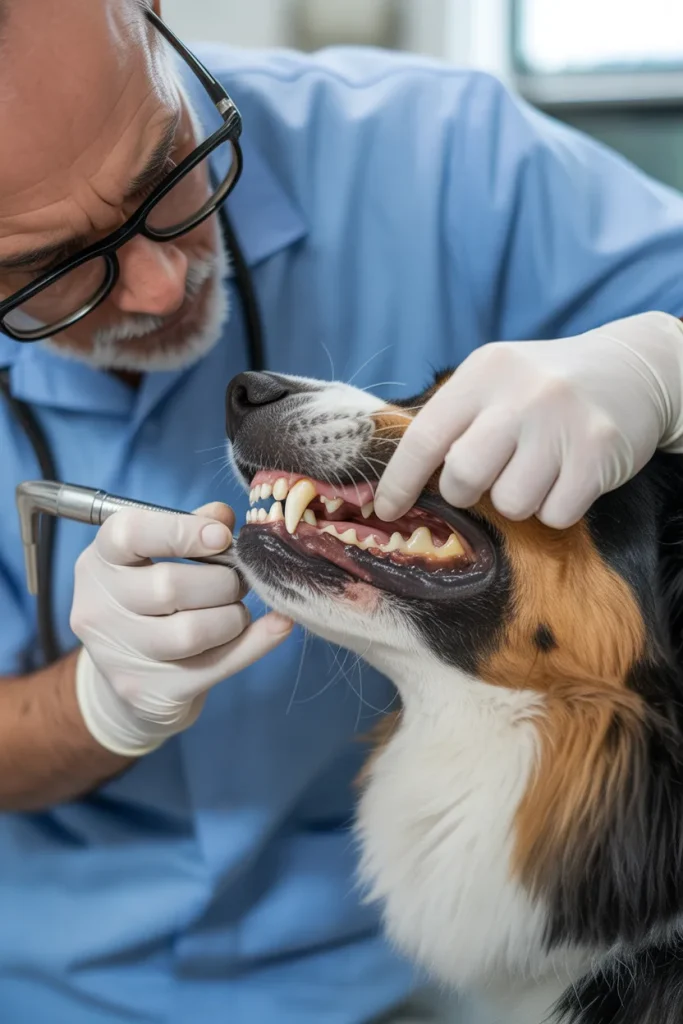
Sometimes bad breath is bigger than home care. If I notice bleeding gums, drooling, difficulty eating, or a sudden smell change, I schedule a veterinary exam.
Professional cleanings and oral exams can catch gum disease early. Since dental disease is extremely common in adult dogs, prevention often saves money and discomfort later.
Final Thoughts: Goodbye Stinky Breath, Hello Fresh Kisses
I’ve found that fresher dog breath usually comes down to consistency, not complicated tricks. Brushing, clean water, better food, natural chews, and regular checkups all work together.
My goal isn’t perfect breath—it’s a healthier mouth and a happier dog. When I stay proactive, I usually get fewer stinky surprises and a lot more enjoyable cuddles.