
How Often Should You Bathe Your Dog? The Right Bathing Schedule Explained
Written By:

IIf you’ve ever stood in your living room wondering whether your dog truly needs a bath or just smells like they do, you’re not alone. I used to think more baths meant a cleaner, healthier dog. Over time, I learned that bathing too often can actually cause skin problems, while not bathing enough can lead to odor, dirt buildup, and discomfort.
The truth is that there isn’t one bathing schedule that works for every dog. Coat type, activity level, skin condition, and even where your dog spends most of their time all play a role. A muddy Labrador that loves swimming has very different grooming needs than an indoor Chihuahua that rarely gets dirty.
In this guide, I’ll explain how often you should bathe your dog, what factors affect bathing frequency, and the signs that tell you it’s time for a good scrub.
Quick Summary & Key Takeaways
- Most healthy dogs need a bath every 4 to 8 weeks.
- Long-haired dogs often require more frequent grooming and bathing.
- Dogs with certain skin conditions may need special bathing schedules.
- Overbathing can strip natural oils and irritate the skin.
- Active outdoor dogs usually need baths more often than indoor dogs.
- A dog that smells bad, feels greasy, or looks dirty may be due for a bath.
- Always use shampoo formulated specifically for dogs.
Why Bathing Your Dog Matters
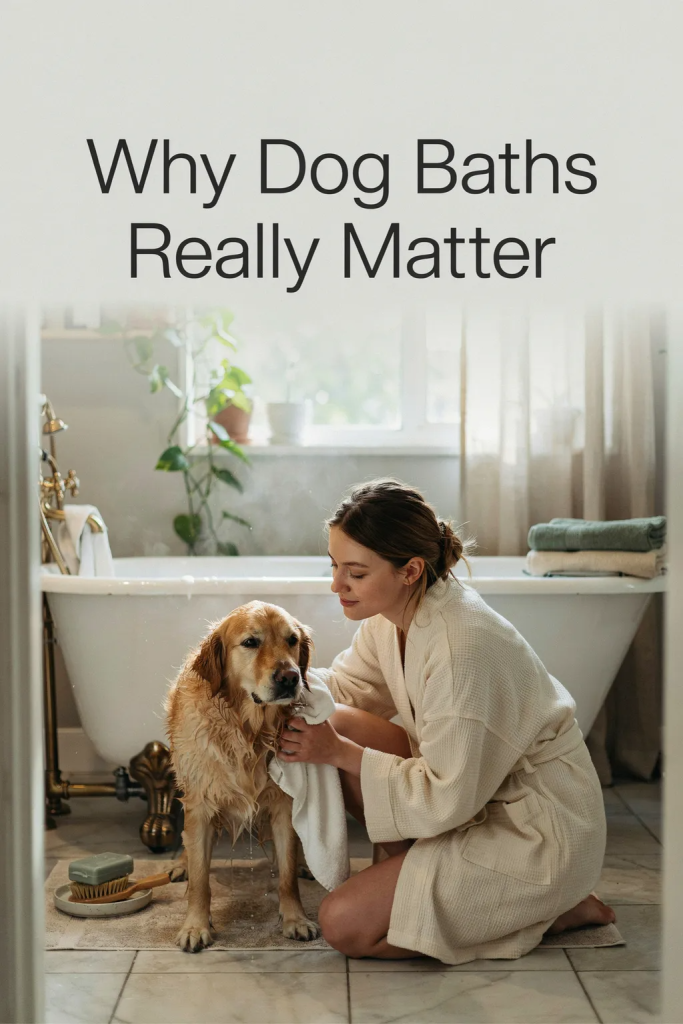
Bathing does more than make your dog smell fresh. It helps remove dirt, allergens, excess oils, and loose hair from the coat. A proper bath can also improve skin health and make it easier to spot lumps, parasites, or skin irritations.
I’ve noticed that regular baths also reduce the amount of dirt tracked into the house. During shedding seasons, a good bath can help remove loose fur before it ends up all over the furniture.
That said, bathing should be part of a broader grooming routine rather than the only form of coat care.
There Is No One-Size-Fits-All Bathing Schedule
One of the biggest mistakes dog owners make is looking for a universal answer. Dogs vary greatly in their grooming needs.
A short-haired indoor dog may stay clean for weeks, while a long-coated dog that spends hours outside may need attention much sooner. The ideal bathing schedule depends on several factors working together.
Instead of following a strict calendar, I prefer paying attention to my dog’s coat condition, smell, and activity level.
Coat Type Plays a Big Role
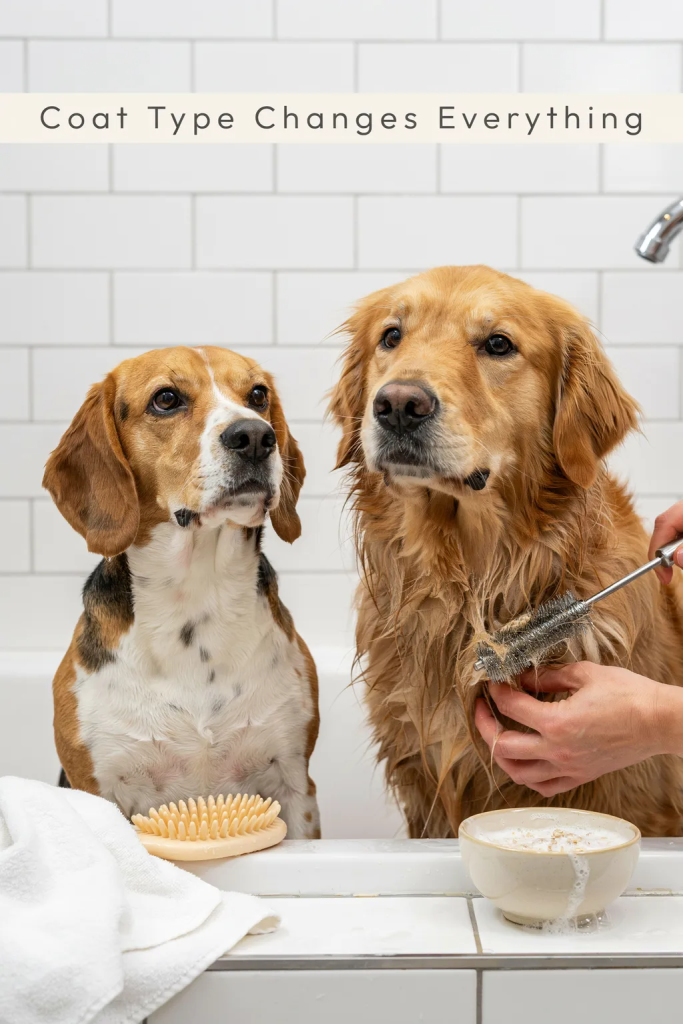
Short-Haired Dogs
Breeds with short coats often require fewer baths because their fur doesn’t trap as much dirt.
Dogs such as Boxers, Beagles, and Dobermans can often go several weeks between baths if they stay relatively clean.
Regular brushing may be enough to keep their coats looking healthy between washes.
Long-Haired Dogs
Long-haired breeds tend to collect dirt, debris, and tangles more easily.
Dogs with flowing coats often benefit from bathing every 4 to 6 weeks, combined with frequent brushing to prevent mats and knots.
I’ve found that consistent grooming reduces the need for emergency baths caused by tangled or dirty fur.
Double-Coated Dogs
Double-coated breeds require special attention.
Their coats naturally regulate temperature and protect the skin. Excessive bathing can interfere with those natural functions. Brushing is often more important than frequent bathing for these dogs.
Your Dog’s Lifestyle Matters
A dog’s daily routine has a major impact on how often baths are needed.
Dogs that spend most of their time indoors generally stay cleaner. They encounter less mud, dust, and outdoor debris, which means fewer baths are necessary.
On the other hand, dogs that love hiking, digging, swimming, or rolling in grass often need more frequent cleaning.
My own experience has shown that a single muddy adventure can instantly change a perfectly planned grooming schedule.
Dogs With Skin Conditions Need Special Care
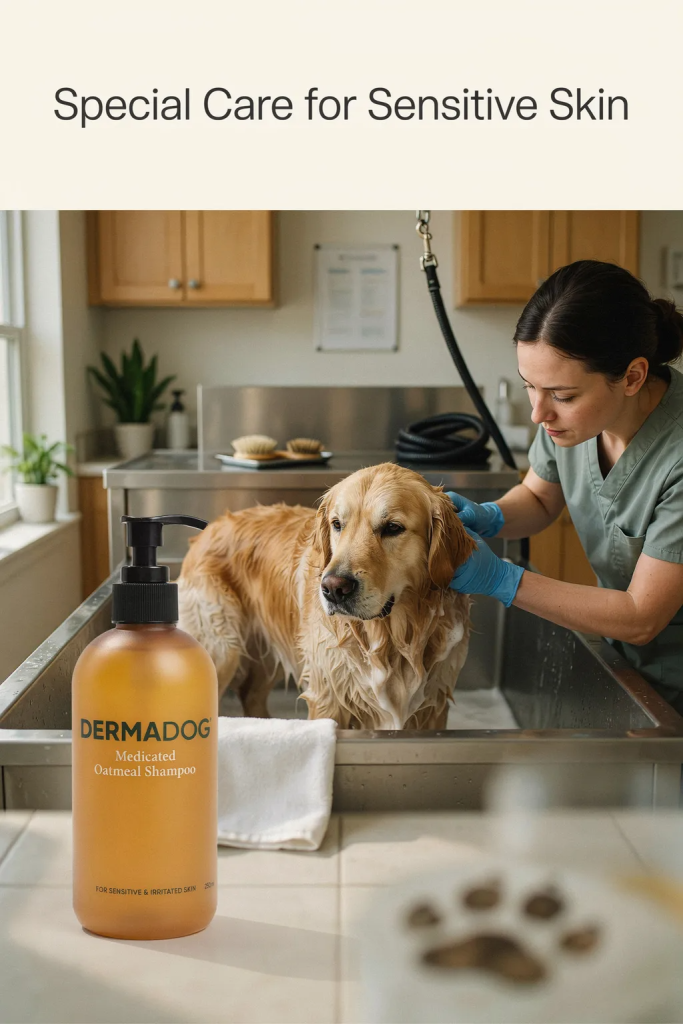
Some dogs require medicated shampoos prescribed by a veterinarian.
Conditions such as dry skin, allergies, fungal infections, or dermatitis may require bathing more often than average. In these situations, the goal isn’t just cleanliness but also treatment and symptom management.
Always follow veterinary recommendations when dealing with skin issues because bathing schedules can vary significantly depending on the condition.
Signs Your Dog Needs a Bath
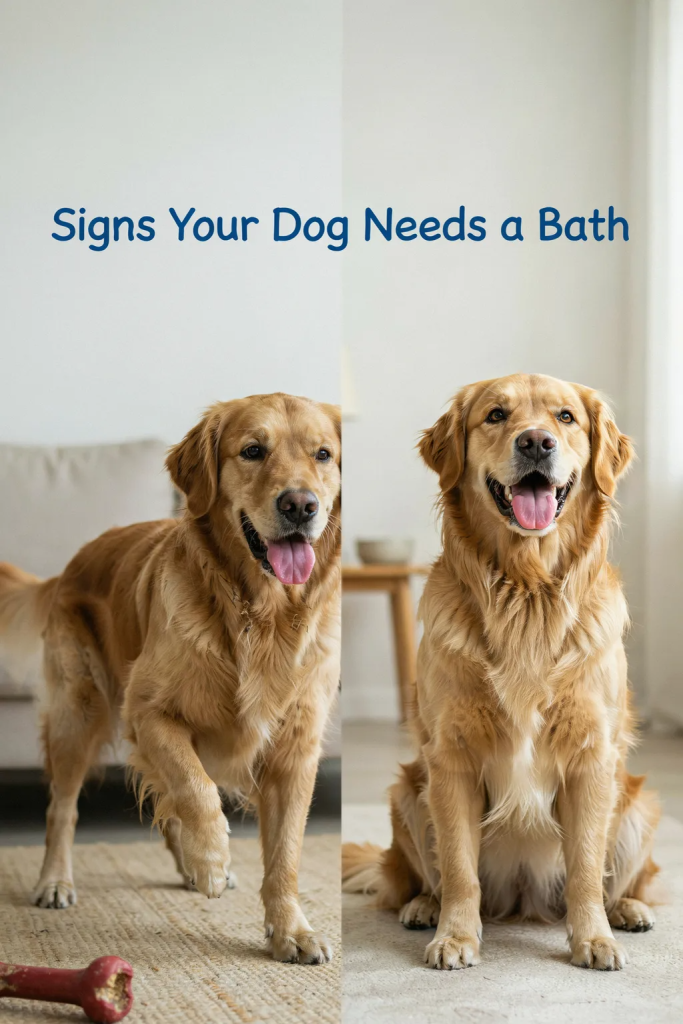
Instead of counting days, watch for these common signs:
Strong Odor
A noticeable dog smell is often the first clue.
While dogs naturally have a scent, a strong or unpleasant odor can indicate that dirt and oils have accumulated on the coat.
Greasy Fur
If your dog’s coat feels oily or sticky, it’s probably time for a bath.
Healthy coats should feel clean and relatively smooth rather than heavy or greasy.
Visible Dirt
Mud, dust, and debris are obvious indicators that your dog needs cleaning.
Even if the dirt seems minor, buildup can eventually irritate the skin.
Increased Scratching
Excess dirt, pollen, and allergens can sometimes contribute to itching.
A bath may help remove irritants and provide relief, though persistent scratching should be evaluated by a veterinarian.
How Often Should Different Dogs Be Bathed?
While every dog is unique, these general guidelines can help:
Indoor Dogs
Every 6 to 8 weeks is often sufficient.
Active Outdoor Dogs
Every 4 to 6 weeks, or sooner if they become dirty.
Long-Haired Dogs
Every 4 to 6 weeks along with regular brushing.
Dogs With Oily Coats
Every 2 to 4 weeks depending on breed and skin condition.
Dogs With Medical Skin Needs
Follow your veterinarian’s instructions.
Remember that these are starting points rather than strict rules.
Common Dog Bathing Mistakes to Avoid
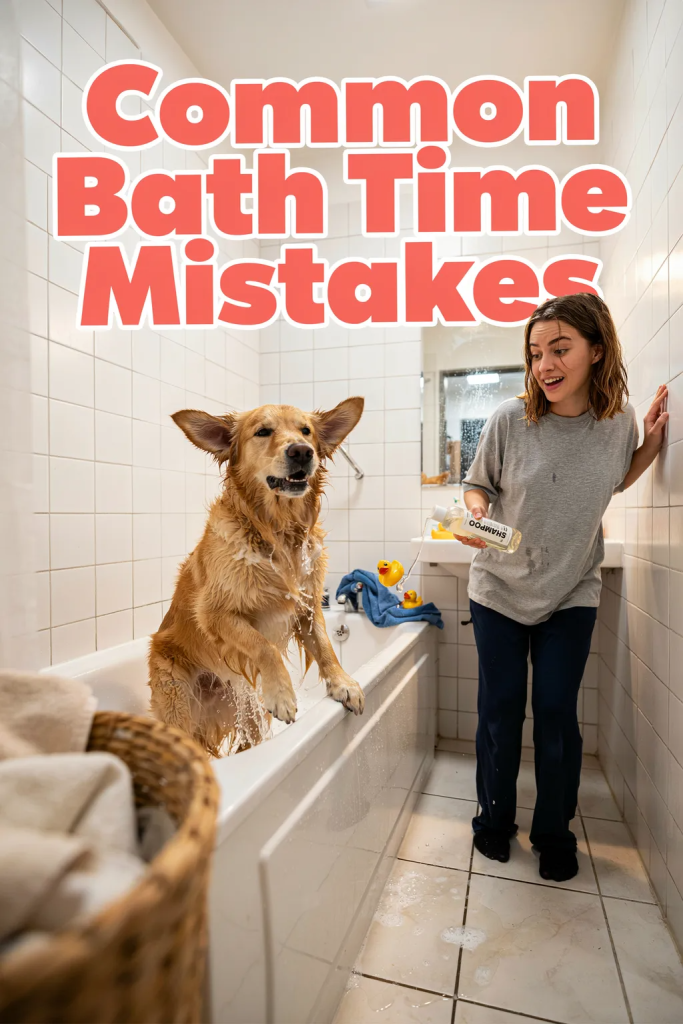
Using Human Shampoo
Human products are formulated for different skin pH levels and may irritate a dog’s skin.
Always choose a shampoo specifically designed for dogs.
Bathing Too Frequently
More baths don’t always mean better hygiene.
Overbathing can strip natural oils, leading to dryness, irritation, and a dull coat.
Skipping Brushing
Bathing a tangled coat often makes knots worse.
Brushing before a bath helps remove loose fur and debris.
Poor Drying
Leaving moisture trapped in the coat can contribute to skin problems and unpleasant odors.
Take time to thoroughly dry your dog after bathing.
Pro Tips for Better Dog Baths
Use Lukewarm Water
Water that’s too hot can irritate your dog’s skin, while cold water may make bath time stressful.
Reward Good Behavior
Treats and praise can transform bath time into a more positive experience.
Protect the Ears
Avoid getting water deep into the ears, as trapped moisture can sometimes contribute to infections.
Keep Supplies Ready
Having towels, shampoo, and brushes within reach makes the process much smoother.
Final Thoughts
So, how often should you bathe your dog? For most dogs, a bath every 4 to 8 weeks works well, but the ideal schedule depends on coat type, lifestyle, and overall health.
I’ve learned that paying attention to the dog’s condition is much more effective than following a rigid calendar. A clean coat, healthy skin, and a comfortable dog are better indicators than any fixed timetable.
When in doubt, focus on regular brushing, use quality dog shampoo, and adjust bath frequency based on your dog’s individual needs. A balanced grooming routine will help keep your dog healthy, comfortable, and smelling much better between adventures.


