
12 DIY Dog Toys You Can Make at Home Easy Cheap and Fun Ideas
Written By:

Creating DIY dog toys at home is not just about saving money—it’s about giving your dog something engaging, safe, and tailored to their play style. I started making these toys when I noticed how quickly store-bought ones wore out. Over time, I realized homemade options can be just as effective, often more durable, and far more customizable.
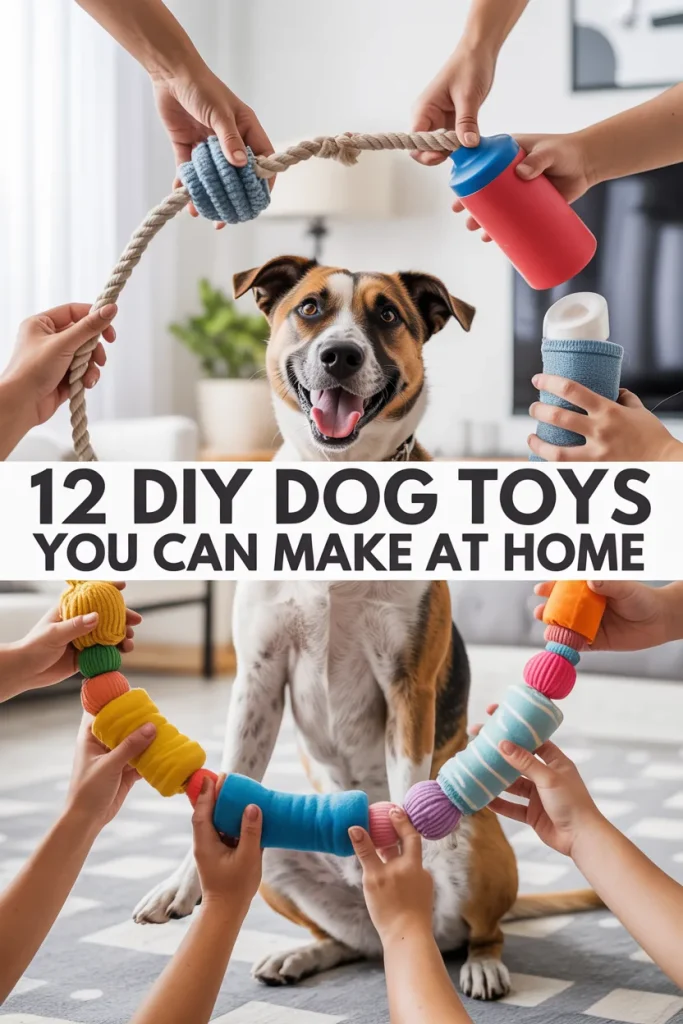
In this guide, I’m sharing practical DIY dog toy ideas that are simple to make and genuinely useful. These are based on hands-on experience, not just theory, so you’ll know what actually works and what to watch out for.
Quick Summary and Key Takeaways
- DIY dog toys reduce costs and minimize waste
- Most designs use common household materials
- Interactive toys help prevent boredom and destructive behavior
- Always supervise your dog during playtime
- Rotate toys regularly to maintain interest
- Match toy durability with your dog’s chewing strength
Knotted Old Blanket Toy
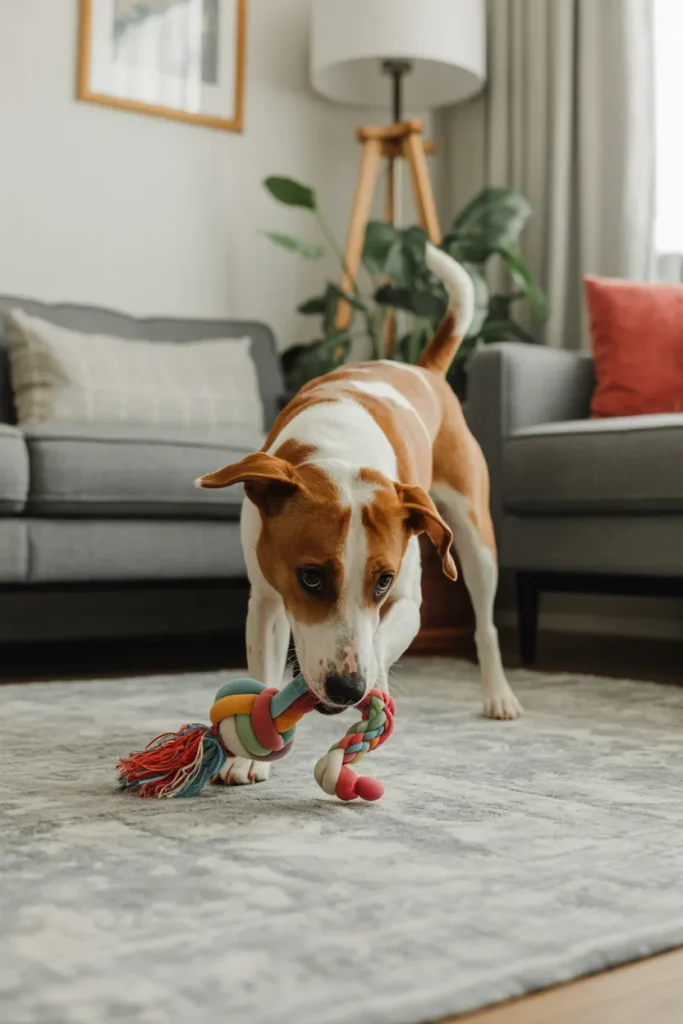
This is one of the easiest and most reliable DIY dog toys I’ve made. Using an old blanket, I cut long strips and tied multiple knots along the length.
The knots add texture and make it easier for dogs to grip during tug games. I’ve found that thicker materials like fleece or heavy cotton last longer, especially with strong chewers.
A common mistake is using thin fabric—it tends to tear quickly under pressure. For better durability, I always double-knot both ends tightly.
Water Bottle Crunch Toy
Dogs are naturally attracted to sound, and the crunch of a plastic bottle keeps them engaged longer than expected.
I usually place an empty bottle inside an old sock to soften the edges while maintaining the noise. This combination makes the toy both safe and stimulating.
It’s important to use a clean, undamaged bottle. Cracked plastic can create sharp edges, which can be unsafe during play.
Upcycled T-Shirt Tug Toy
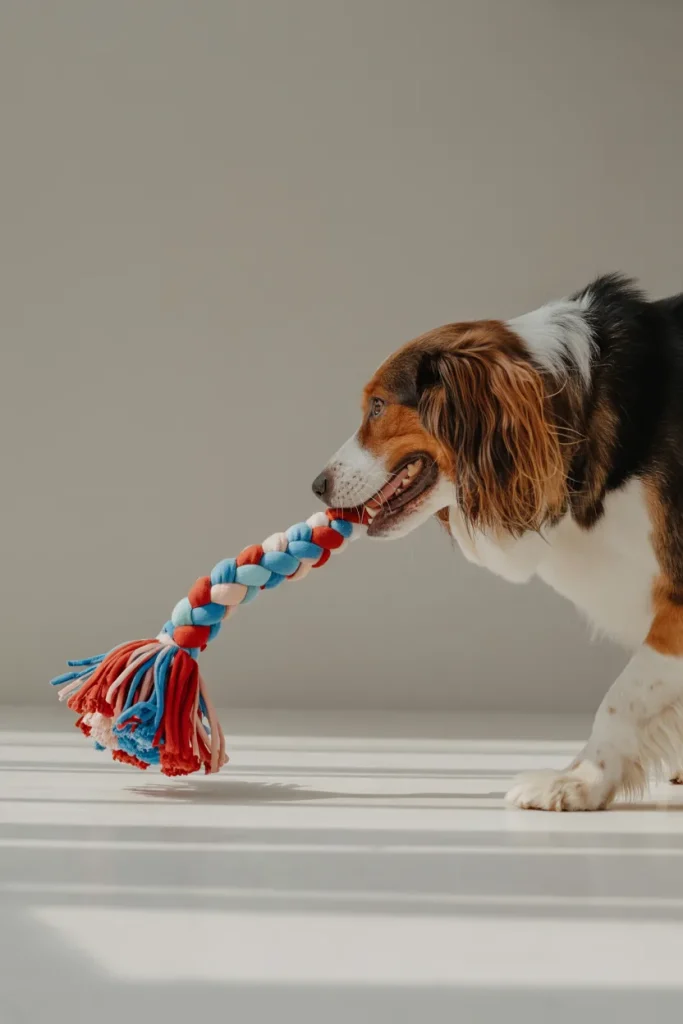
Old t-shirts can easily be turned into a durable tug toy. I cut them into strips and braid them tightly to form a strong rope-like structure.
The key is maintaining tension while braiding. Loose braids don’t last long, especially with energetic dogs.
This toy works particularly well for moderate chewers and is gentle on teeth compared to harder materials.
Tennis Ball Treat Dispenser
This toy adds a problem-solving element to playtime. By cutting a small slit into a tennis ball and inserting treats, you create a simple puzzle.
Dogs need to roll, nudge, and manipulate the ball to release the treats. It’s a great way to keep them occupied indoors.
For best results, I use soft treats that are easy to extract. Hard kibble can make the game frustrating instead of fun.
PVC Pipe Puzzle Feeder
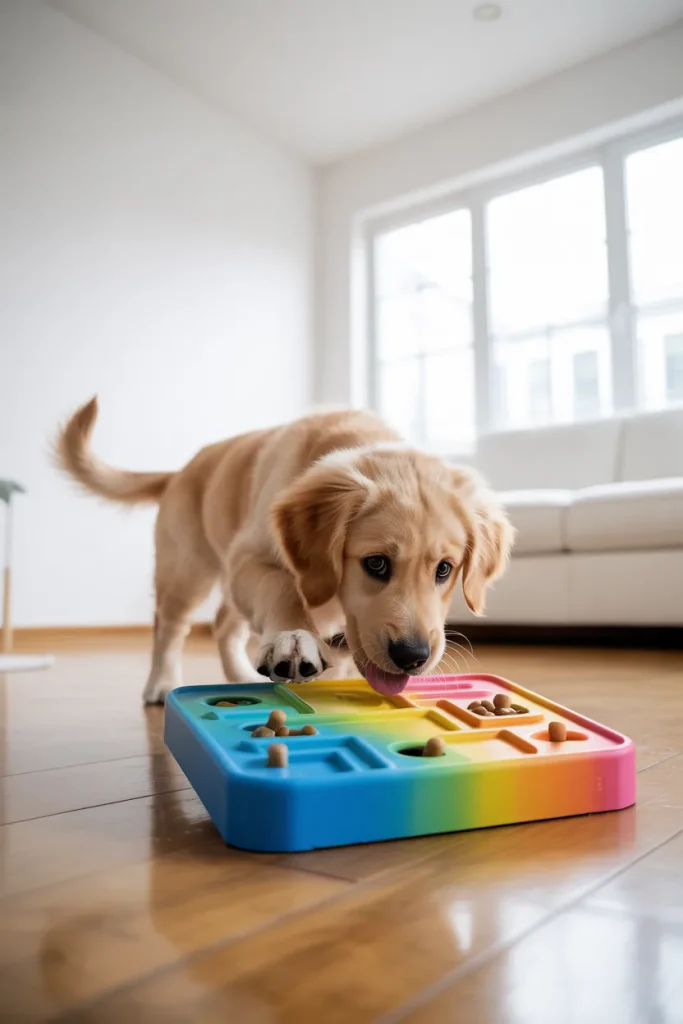
This is a more advanced DIY project but highly effective for mental stimulation. I created a feeder using short PVC pipes connected with openings for treats to fall through.
It slows down fast eaters and turns feeding into an interactive activity. This is particularly useful for dogs that tend to eat too quickly.
From experience, adding different pipe angles increases the challenge and keeps dogs engaged longer.
Rope and Bottle Toy
This design combines chewing and tugging into one toy. I attach a rope securely around a plastic bottle, giving dogs multiple ways to interact with it.
The rope provides durability, while the bottle adds sound and texture. It’s a good option for active dogs that enjoy more physical play.
Using a thick, sturdy rope is essential. Thin rope tends to fray and can become unsafe over time.
Fleece Knot Ball
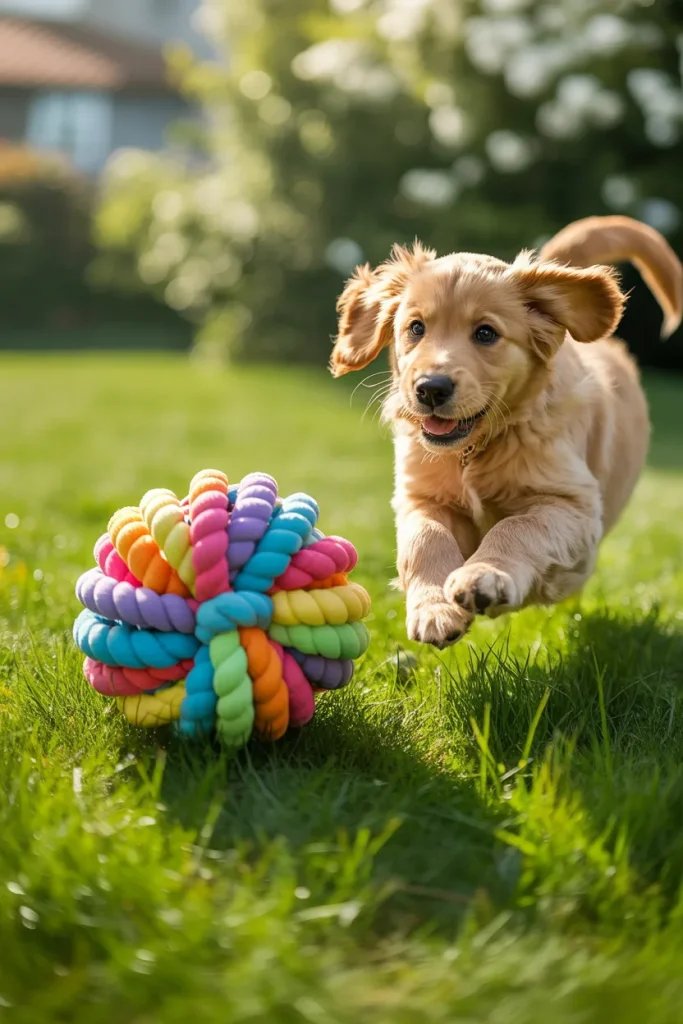
This is a soft and lightweight toy that works well for indoor play. I use fleece strips tied tightly into a compact ball shape.
The soft material makes it safe for dogs that prefer gentler toys, including puppies.
It’s also a good option for smaller spaces, as it won’t damage furniture or surfaces during play.
Sock and Ball Toy
This is one of the simplest DIY dog toys and requires minimal effort. Place a ball inside a sock and tie a secure knot at the open end.
I sometimes hang it at a low height to encourage jumping and pulling, adding an extra layer of activity.
Longer socks generally provide better grip and durability compared to shorter ones.
Squeaky Toy from Fabric Scraps

Repurposing fabric scraps into a squeaky toy is both cost-effective and practical. I usually reuse squeakers from old toys and place them inside newly stitched fabric shapes.
The key here is secure stitching. Weak seams can open quickly, especially with excited play.
Regular inspection is important to ensure the squeaker remains safely enclosed.
Interactive Snuffle Mat
Snuffle mats are excellent for mental stimulation. I made one using a base mat with fleece strips tied throughout, then hid treats within the layers.
This encourages natural foraging behavior and keeps dogs occupied for extended periods.
It’s particularly useful for reducing anxiety and providing a calming activity indoors.
Braided Rope Toy
A classic and highly effective design, the braided rope toy is ideal for tug-of-war and chewing.
I create mine using multiple rope strands braided tightly together. This increases durability and makes it suitable for stronger dogs.
Over time, rope fibers can loosen, so I regularly check for wear and replace the toy when needed.
Cardboard Box Puzzle
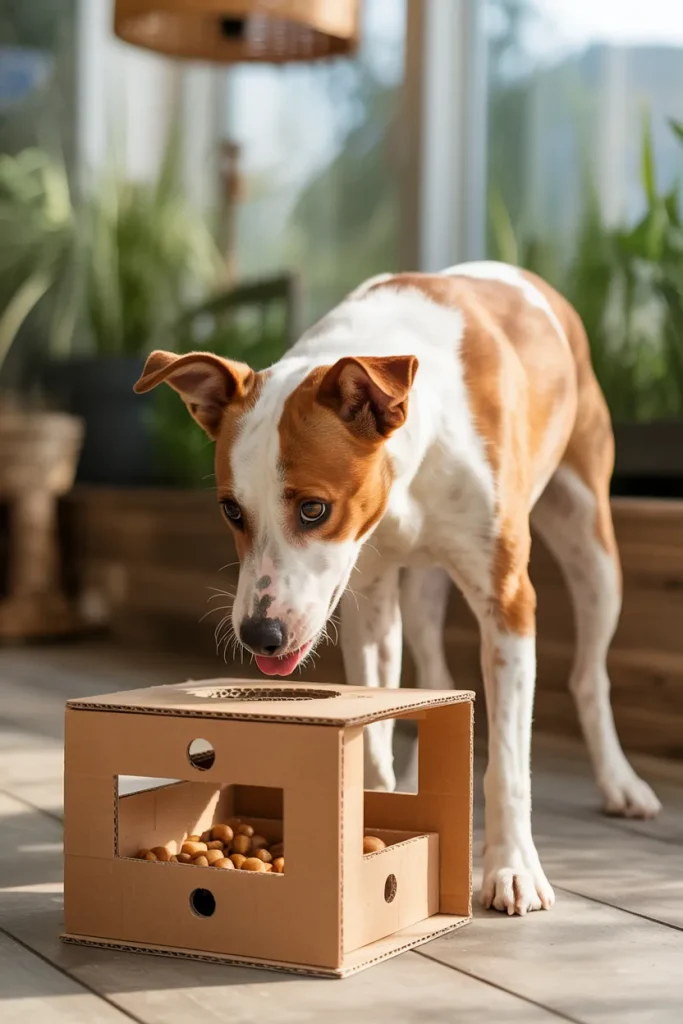
This is a simple yet effective enrichment activity. Using a cardboard box, I cut small openings and place treats inside.
Dogs have to figure out how to retrieve the treats, which keeps them mentally engaged.
Even short sessions with puzzle toys like this can significantly reduce boredom and improve focus.
Final Thoughts
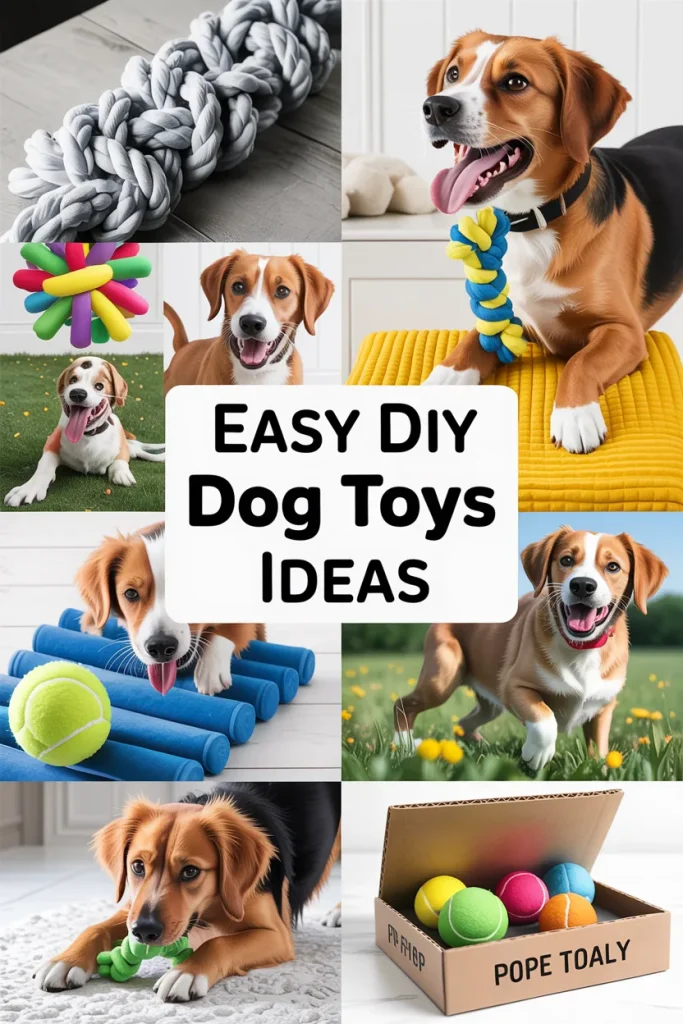
DIY dog toys are not just a budget-friendly alternative—they offer a level of customization that store-bought options often lack. By understanding your dog’s preferences and behavior, you can create toys that are more engaging and longer-lasting.
From my experience, rotating different types of toys—chew, tug, and puzzle—keeps dogs interested and prevents repetitive boredom. Start with a few simple designs and gradually experiment based on what your dog responds to best.


