
15 Modern Eco-Friendly Dog Room Ideas for a Healthier Home
Written By:

Creating an eco-friendly dog room was one of the best upgrades I made for my home. At first, I thought sustainable design was mostly about appearance, but I quickly realized it had a direct impact on my dog’s comfort too. The materials I chose affected air quality, cleanliness, durability, and even how relaxed my dog seemed throughout the day.
Creating an eco-friendly dog room was one of the best upgrades I made for my home. At first, I thought sustainable design was mostly about appearance, but I quickly realized it had a direct impact on my dog’s comfort too. The materials I chose affected air quality, cleanliness, durability, and even how relaxed my dog seemed throughout the day.
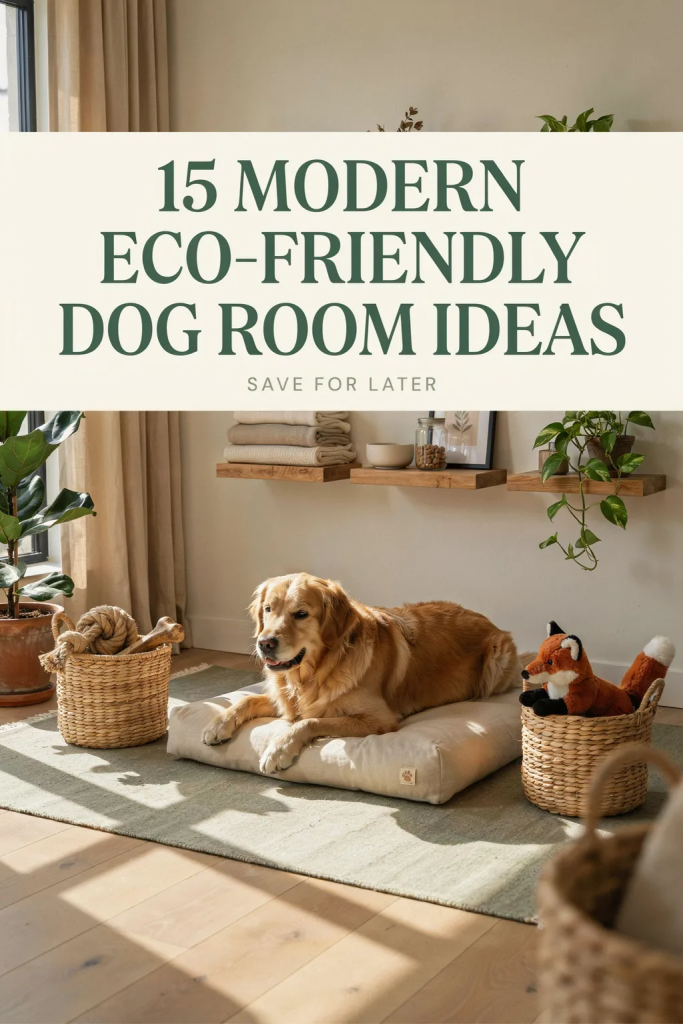
Many traditional pet products contain synthetic materials, chemical treatments, and plastics that wear out quickly. By switching to natural alternatives, I created a space that feels warmer, lasts longer, and requires fewer replacements over time.
Whether you’re designing a dedicated dog room or simply refreshing a corner of your home, these eco-friendly dog room ideas can help you build a healthier environment that looks beautiful and works for everyday life.
Quick Summary
- Natural materials improve comfort and indoor air quality.
- Sustainable products often last longer than cheaper synthetic options.
- Cork and bamboo flooring are practical pet-friendly choices.
- Organic bedding helps reduce exposure to unnecessary chemicals.
- Natural storage and décor create a calmer environment.
- Small changes can make a big difference without a large budget.
Key Takeaways
- Prioritize durability along with sustainability.
- Choose low-toxin materials whenever possible.
- Focus on your dog’s comfort rather than trends.
- Replace plastic items gradually instead of all at once.
- Use natural cleaning products to maintain the space.
Why Eco-Friendly Dog Room Ideas Make a Real Difference
When I started researching sustainable pet spaces, I discovered that dogs spend a large portion of their lives resting indoors. According to veterinary experts, indoor environmental quality can influence comfort, allergies, and overall well-being.
Many mass-produced pet products contain synthetic adhesives, dyes, and materials that can release odors and compounds into the air. Natural alternatives often reduce these concerns while providing greater durability.
The biggest difference I noticed wasn’t visual. The room simply felt fresher, cleaner, and more comfortable every day.
Pro Tip
Focus first on items your dog touches most often, such as bedding, flooring, and feeding areas. These upgrades usually provide the greatest benefit.
Choosing Natural Flooring That Actually Works
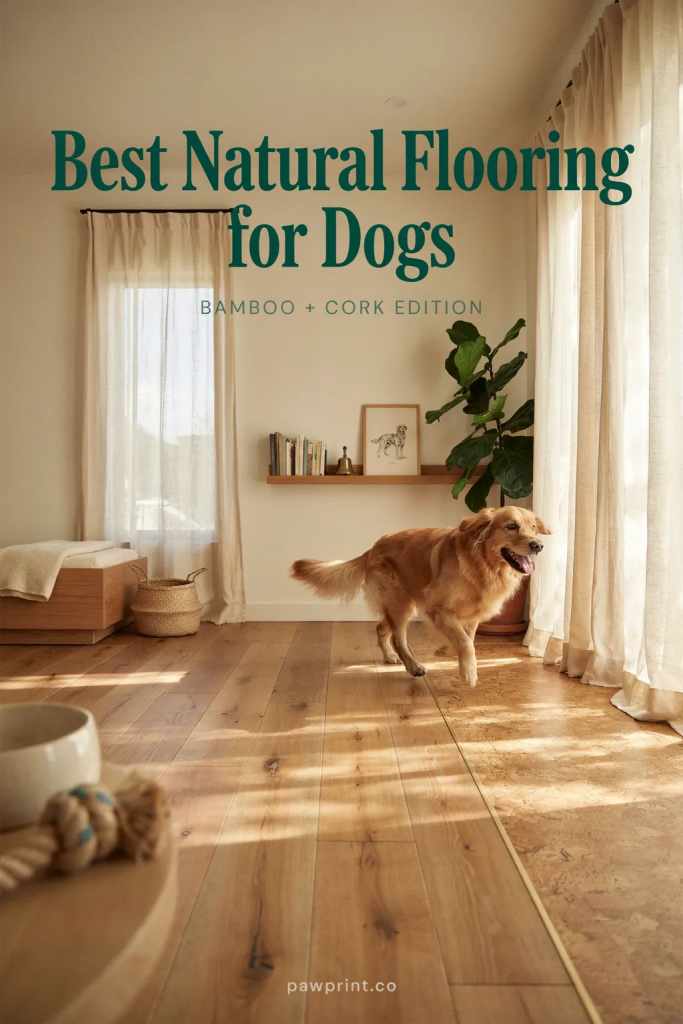
Flooring is one of the most important decisions in a dog room because it experiences constant wear from paws, nails, water spills, and daily activity.
Cork Flooring for Soft, Quiet Comfort
Cork remains one of my favorite sustainable flooring options. It has a natural softness that helps reduce stress on joints while creating a quieter environment.
Benefits of cork flooring include:
- Comfortable under paws
- Excellent sound absorption
- Naturally resistant to mold
- Renewable and sustainable material
Senior dogs often benefit from the extra cushioning cork provides.
Bamboo Flooring for Style and Strength
Bamboo offers the appearance of hardwood while being a rapidly renewable resource.
Advantages include:
- Strong surface durability
- Easy maintenance
- Modern appearance
- Better sustainability than many hardwood options
For active dogs that run and play indoors, bamboo provides an attractive balance between durability and style.
Eco-Friendly Dog Beds That Don’t Flatten in a Month
A dog bed is where your pet spends countless hours every week. Choosing sustainable materials can improve both comfort and longevity.
Organic Cotton Dog Beds
Organic cotton bedding avoids many of the chemicals used during conventional textile production.
Why I prefer organic cotton:
- Breathable material
- Soft against skin and fur
- Easy to clean
- Reduced chemical exposure
Dogs with sensitive skin often seem more comfortable on natural fabrics.
Wool-Filled Beds for Cold Floors
Wool naturally regulates temperature, making it useful throughout the year.
Benefits include:
- Excellent insulation
- Moisture management
- Natural odor resistance
- Long-lasting structure
A quality wool-filled bed may cost more initially, but it often outlasts multiple cheaper alternatives.
Wall Materials That Stay Non-Toxic
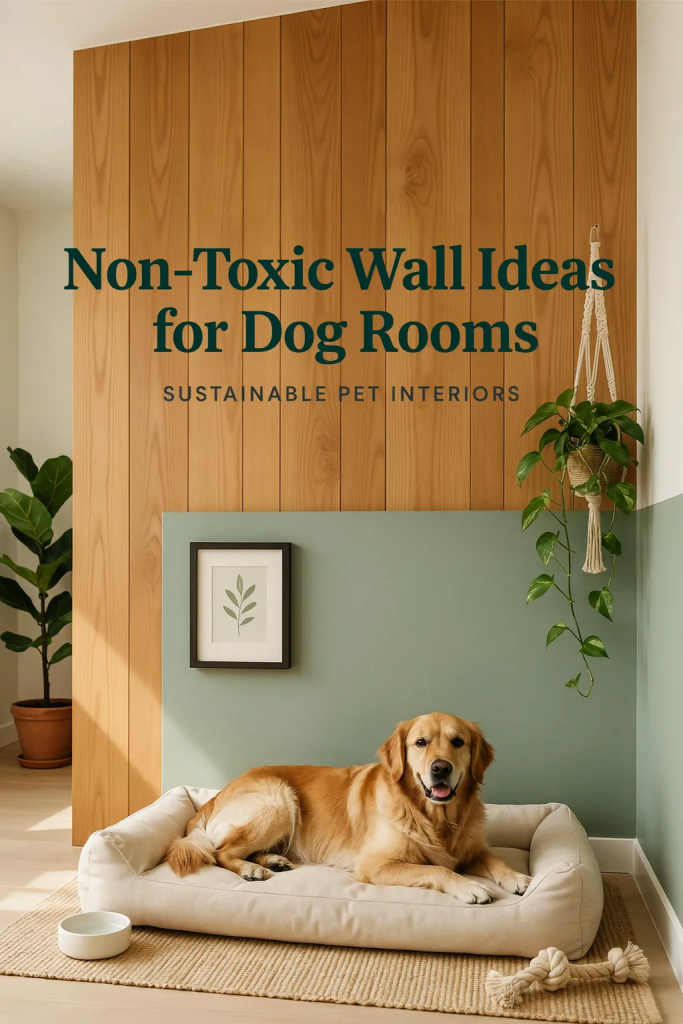
Walls cover a large surface area, making material selection more important than many people realize.
Natural Wood Paneling
Wood adds warmth and character while reducing reliance on synthetic materials.
Good choices include:
- Pine
- Cedar
- Maple
- Reclaimed wood
Properly finished wood can withstand years of use while maintaining its appearance.
Clay-Based & Low-VOC Paints
Traditional paints may release volatile organic compounds (VOCs) for extended periods.
When painting a dog room, I recommend:
- Low-VOC paint
- Zero-VOC paint
- Natural mineral paint
- Clay-based finishes
These products help support better indoor air quality for both pets and people.
Storage Solutions That Skip Plastic Completely
Pet supplies can quickly create clutter. Sustainable storage helps maintain organization without introducing more plastic into the room.
Wicker Baskets for Toys
Wicker baskets provide simple, attractive storage for toys and accessories.
Benefits include:
- Renewable material
- Lightweight design
- Good airflow
- Natural appearance
They also blend easily into most decorating styles.
Wooden Crate Cabinets
Wooden storage cabinets provide long-term durability while keeping supplies organized.
Great for storing:
- Leashes
- Grooming tools
- Treats
- Seasonal accessories
Reclaimed wood options add character while supporting sustainability goals.
Lighting That Feels Natural and Soothes Your Dog
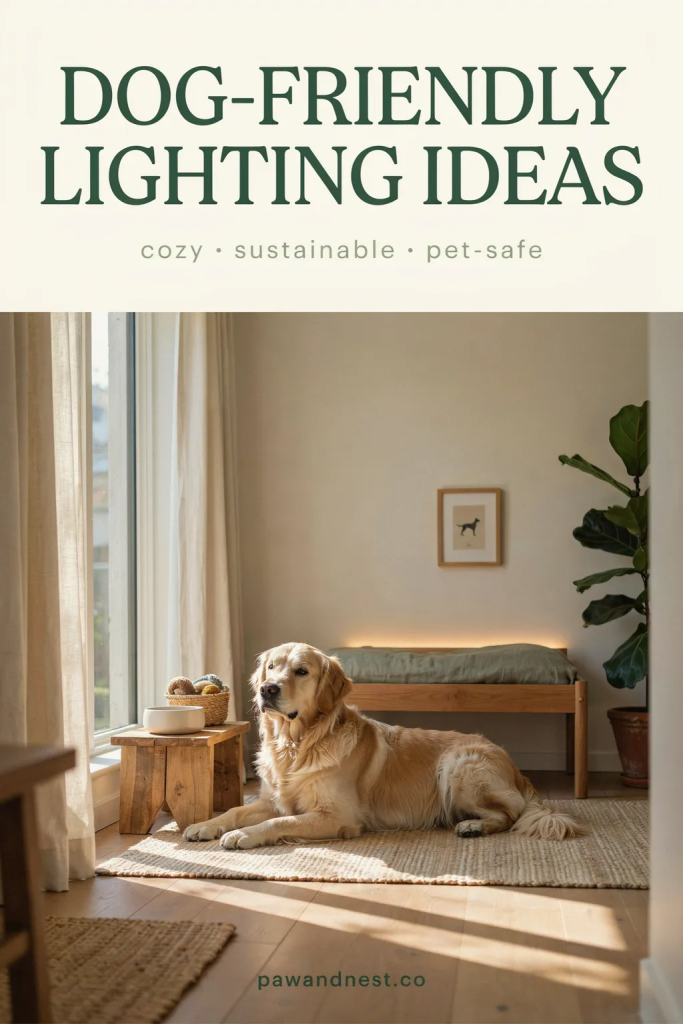
Lighting influences mood, sleep patterns, and overall comfort.
Maximize Natural Light First
Natural daylight should always be the foundation of a dog room whenever possible.
Benefits include:
- Supports natural sleep cycles
- Creates a welcoming environment
- Reduces electricity use
- Enhances room appearance
Position beds and play areas where they can benefit from indirect sunlight.
Soft LED Alternatives at Night
For evening lighting, warm LEDs create a calmer atmosphere than harsh bright bulbs.
Choose:
- Warm white LEDs
- Dimmable fixtures
- Energy-efficient bulbs
Soft lighting helps create a peaceful transition into nighttime routines.
Rugs & Textiles That Stay Safe and Stylish
Textiles bring comfort while helping define different zones within the room.
Jute and Sisal Rugs
Natural fiber rugs offer durability without relying on synthetic materials.
Advantages include:
- Strong fibers
- Minimal processing
- Attractive texture
- Easy maintenance
These rugs work especially well near feeding stations and entry areas.
Linen Curtains for Airflow
Linen remains one of the most practical natural fabrics for pet-friendly spaces.
Benefits include:
- Breathability
- Dust resistance
- Timeless appearance
- Easy coordination with other décor
They help create a light and airy environment throughout the room.
Eco-Friendly Feeding Stations That Don’t Slide or Stink
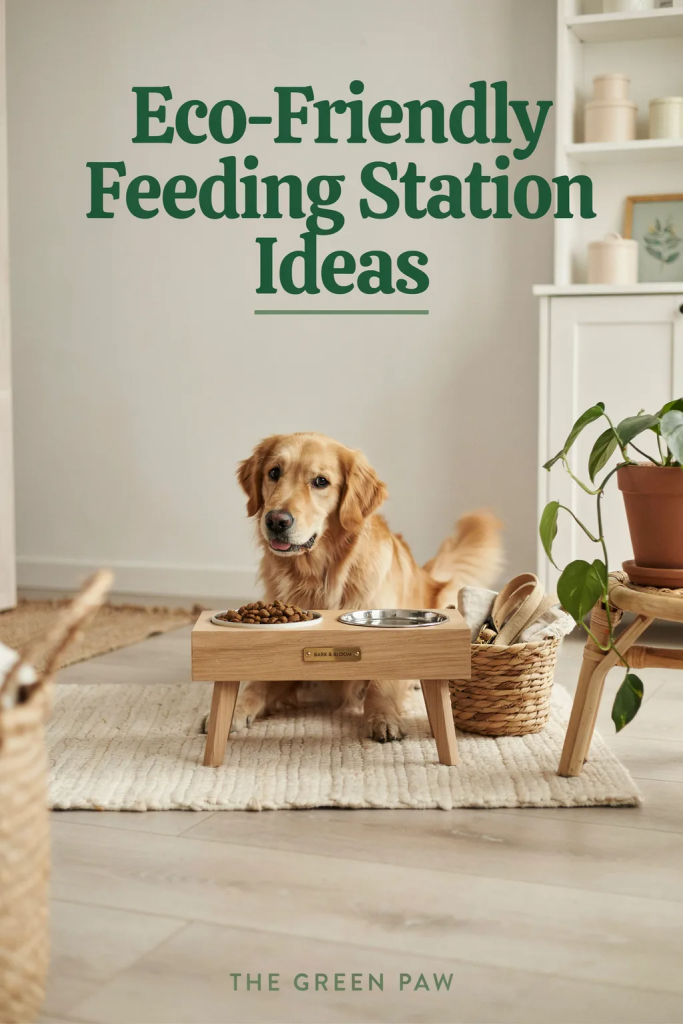
The feeding area deserves special attention because it directly affects your dog’s daily routine.
Ceramic Bowls Over Plastic
I stopped using plastic bowls years ago and haven’t looked back.
Ceramic bowls offer:
- Better hygiene
- Greater durability
- Easy cleaning
- Reduced odor retention
Look for food-safe glazed ceramic products from reputable manufacturers.
Wooden Feeding Stands
Raised feeding stations can improve comfort for many dogs.
Benefits include:
- Better posture
- Cleaner feeding area
- Organized appearance
- Reduced bowl movement
Choose sealed hardwood designs that resist moisture damage.
Sustainable Toy Storage & Enrichment Zones
Dogs need mental stimulation just as much as physical exercise.
An eco-friendly enrichment area might include:
- Natural rubber toys
- Hemp rope toys
- Wool tug toys
- Wooden puzzle toys
Rotating toys regularly keeps them interesting while reducing the need for constant new purchases.
Temperature Control Without Energy Waste
Comfortable temperatures matter year-round.
Wool Insulation for Dog Rooms
Natural wool insulation provides impressive performance.
Benefits include:
- Temperature regulation
- Moisture control
- Sound reduction
- Long lifespan
It’s a strong sustainable alternative to many synthetic insulation products.
Breathable Window Treatments
Natural window coverings can improve energy efficiency.
Popular choices include:
- Bamboo shades
- Linen drapes
- Woven wood blinds
These materials help regulate sunlight while maintaining airflow.
Decorating With Nature Instead of Plastic
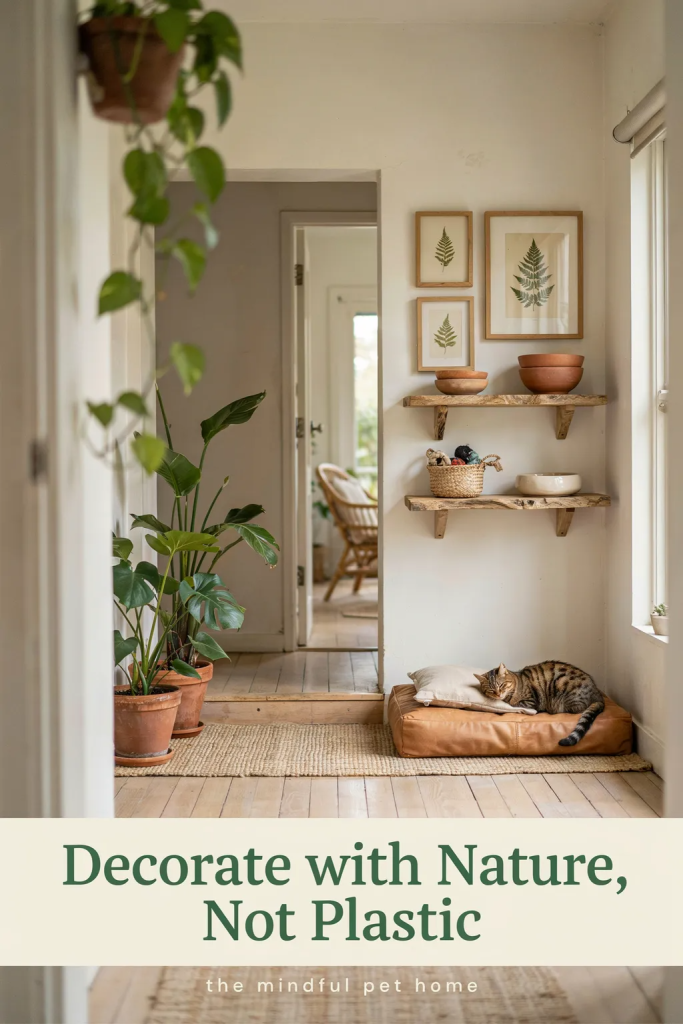
Some of my favorite dog room upgrades are decorative pieces made from natural materials.
Ideas include:
- Wooden shelves
- Botanical artwork
- Stone accents
- Woven wall décor
- Dried floral arrangements
Natural textures often create a more relaxing atmosphere than brightly colored plastic decorations.
What Natural Materials I Avoid (And Why)
Not every natural material belongs in a dog room.
I avoid:
- Fragile untreated wood in chewing areas
- Sharp woven materials around puppies
- Porous stone near water stations
- Delicate fabrics that trap fur
Always consider your dog’s habits before choosing materials.
Budget-Friendly Eco Dog Room Swaps
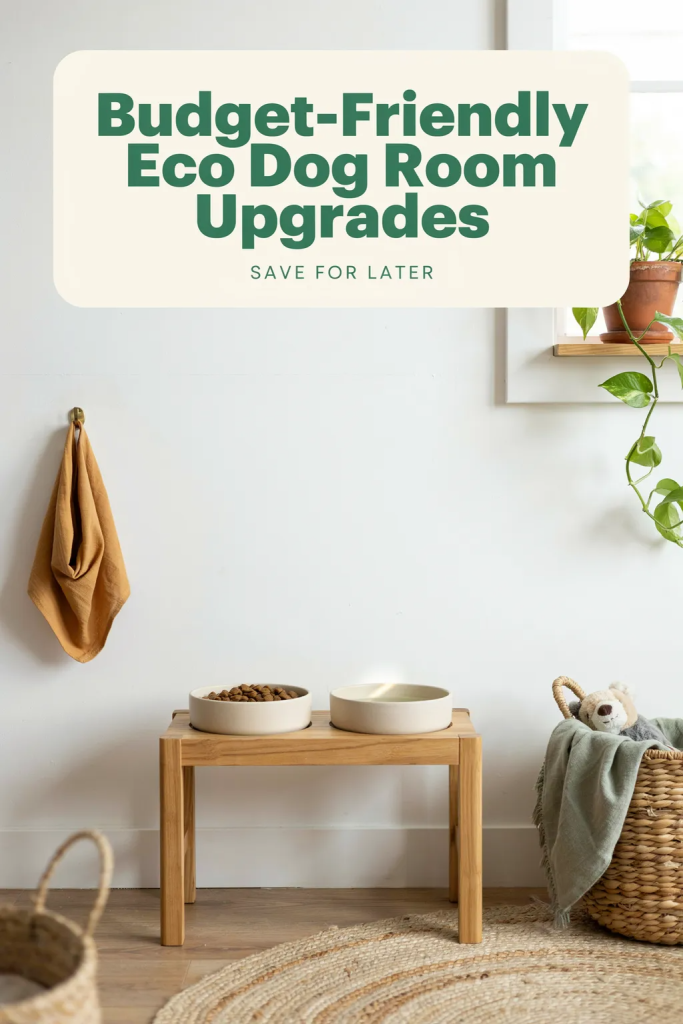
A sustainable dog room doesn’t require a complete renovation.
Start with:
- Ceramic bowls
- Natural-fiber rug
- Organic cotton bed cover
- Wicker toy basket
- Low-VOC paint
Small upgrades gradually transform the room without overwhelming your budget.
My Honest Take After Going Fully Eco
After making these changes, I noticed the room stayed attractive longer and required less frequent replacement of worn-out products.
The biggest advantage wasn’t aesthetics. It was knowing that the materials surrounding my dog every day were chosen with health, durability, and sustainability in mind.
The initial investment can be higher, but the long-term value often makes up for it.
Common Eco Dog Room Mistakes to Avoid
Avoid these common errors:
- Choosing sustainability over durability
- Ignoring your dog’s behavior patterns
- Buying cheap “greenwashed” products
- Overcrowding the room with décor
- Forgetting maintenance requirements
A successful dog room should balance practicality and sustainability.
How to Keep an Eco Dog Room Clean Naturally
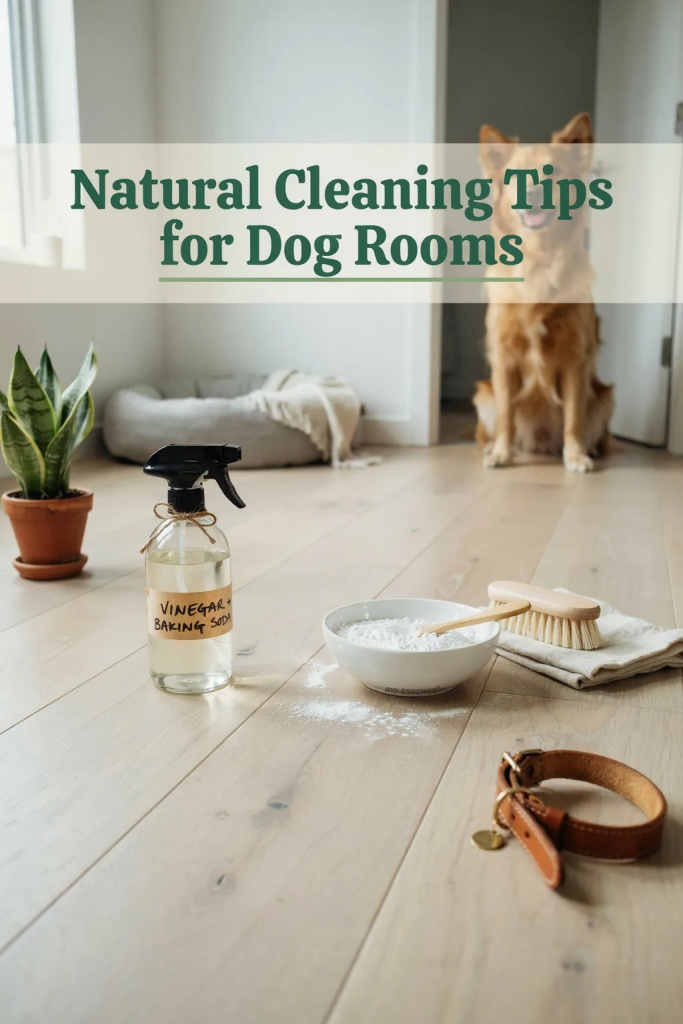
Natural cleaning methods can help maintain a healthier environment.
My favorite options include:
- White vinegar solutions
- Baking soda for odors
- Unscented castile soap
- Microfiber cleaning cloths
Regular maintenance prevents buildup without relying on harsh chemicals.
Final Thoughts: Your Dog Deserves a Healthier Space
Creating an eco-friendly dog room isn’t about perfection. It’s about making thoughtful choices that improve your dog’s daily environment one step at a time.
Start with the basics, focus on materials that matter most, and build gradually. Over time, you’ll create a space that feels comfortable, functional, and naturally inviting.
Your dog may not care whether a rug is sustainable or a basket is handcrafted, but they’ll absolutely appreciate a cleaner, calmer, and more comfortable place to rest, play, and spend their day.


