
6 Dog Bathing Tips Every Owner Should Know for a Cleaner, Healthier Dog
Written By:

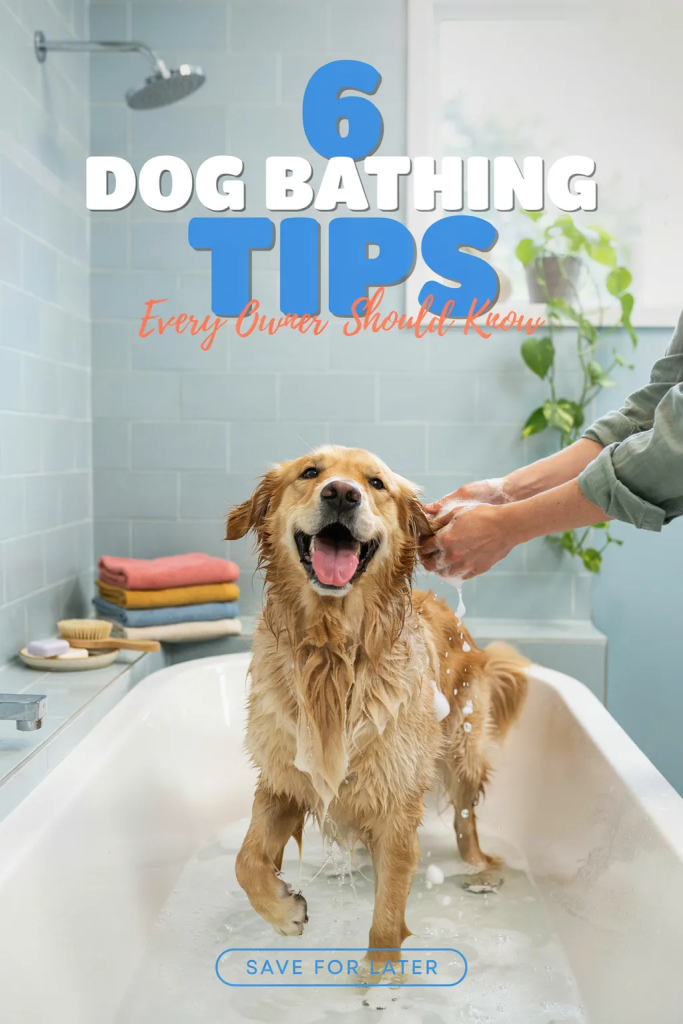
Giving a dog a bath sounds easy until you’re standing in a puddle of water while your dog is trying to escape the tub. I’ve bathed everything from tiny puppies to large double-coated dogs, and one thing I’ve learned is that a little preparation makes a huge difference.
A proper bath does more than keep your dog smelling fresh. It helps remove dirt, allergens, loose fur, and bacteria that can build up in the coat. Regular bathing can also support healthy skin when done correctly. The key is knowing how to make the process comfortable for your dog instead of stressful.
Whether you’re bathing your dog for the first time or looking for ways to make bath day easier, these simple dog bathing tips can save time, reduce mess, and help your pup stay happy.
Quick Summary & Key Takeaways
- Always brush your dog before a bath.
- Use lukewarm water to keep your dog comfortable.
- Choose a shampoo made specifically for dogs.
- Wash from the neck downward for better control.
- Rinse thoroughly to prevent skin irritation.
- Dry your dog properly to avoid discomfort and odors.
- Reward your dog after bath time to create positive associations.
1. Brush First, Bathe Later
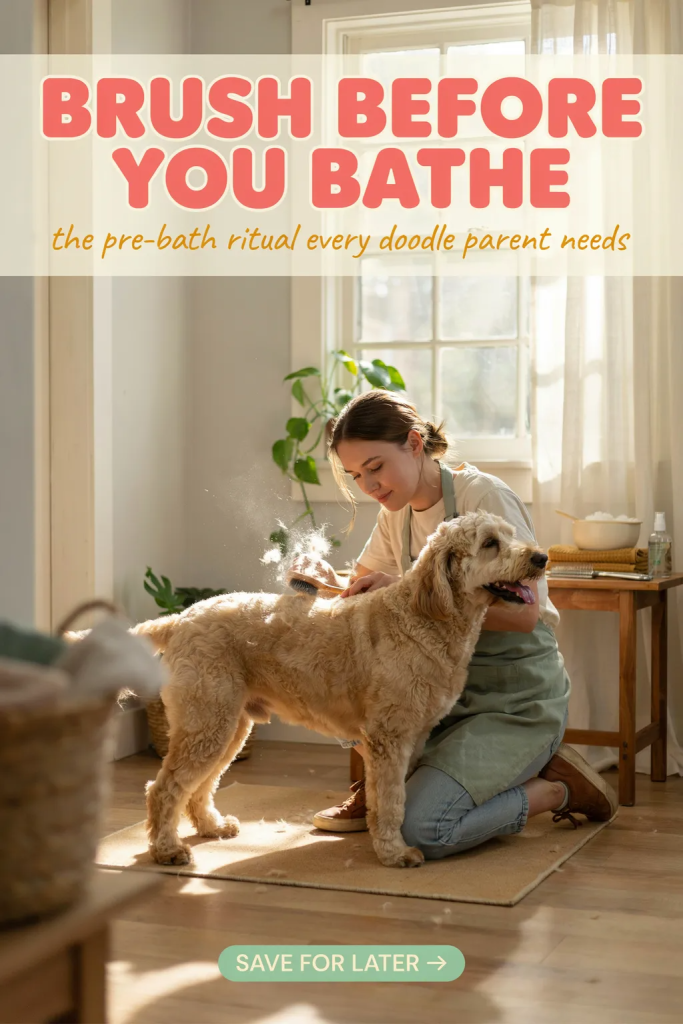
One of the biggest mistakes I see dog owners make is skipping the brushing step.
When loose fur, dirt, and tangles remain in the coat, water can make them even harder to remove. Mats often tighten when they get wet, turning a small grooming issue into a much bigger problem.
Before every bath, I spend a few minutes brushing my dog’s coat. This helps remove debris and allows the shampoo to reach the skin more effectively.
Different coat types need different brushes:
Short-Haired Dogs
A rubber grooming brush or grooming mitt usually works well for removing loose hair.
Medium and Long-Haired Dogs
A slicker brush or pin brush can help eliminate tangles before they become painful mats.
Pro Tip
If you find a stubborn mat, remove it before the bath rather than trying to brush it out afterward.
2. Use Lukewarm Water (Not Arctic or Lava)
Water temperature matters more than many people realize.
Dogs can become uncomfortable quickly if the water is too cold or too hot. Extreme temperatures can create anxiety around future baths and may even irritate sensitive skin.
I always test the water with my wrist before bringing my dog into the bathing area. It should feel comfortably warm but never hot.
Many dogs are also startled by running water. If your dog gets nervous, fill the tub beforehand so the sound isn’t part of the experience.
Common Mistake to Avoid
Don’t assume your dog’s temperature preference matches yours. Water that feels perfect for a long shower may be too warm for your dog.
Extra Comfort Tip
Place a rubber bath mat or towel on the floor of the tub. Dogs often panic when they lose footing on slippery surfaces.
3. Pick the Right Shampoo (And Don’t Use Yours)
Human shampoo and dog shampoo are not interchangeable.
A dog’s skin has a different pH balance than human skin. Using products designed for people can strip natural oils and leave your dog’s skin dry, itchy, or irritated.
I always choose a shampoo based on my dog’s specific needs rather than grabbing the first bottle I see.
Best Shampoo Types for Dogs
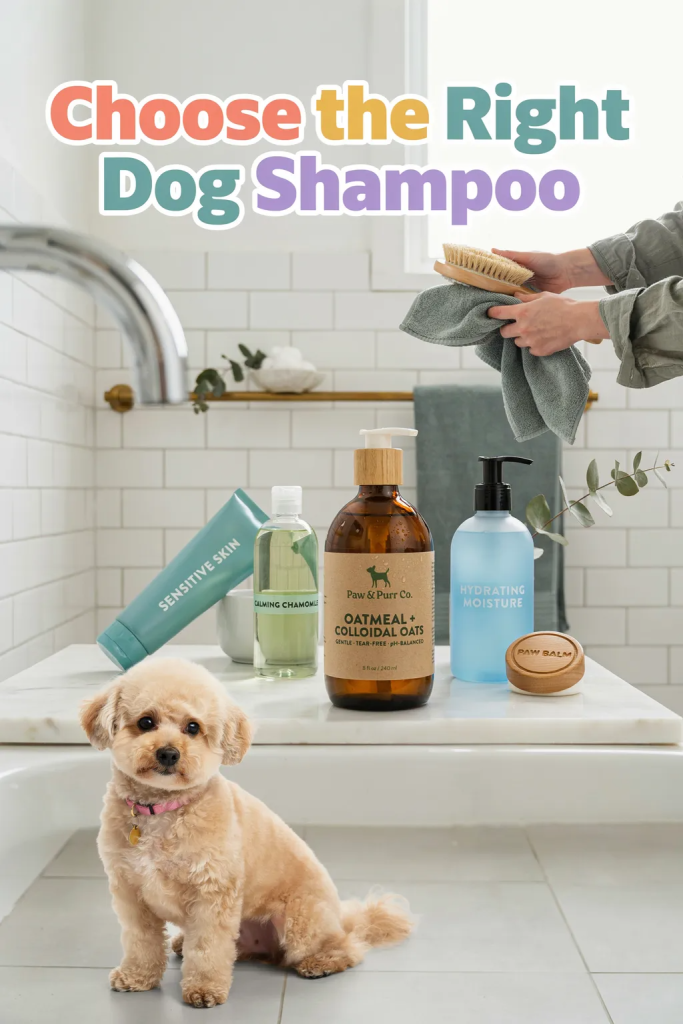
Oatmeal Shampoo
Great for dry, itchy, or sensitive skin.
Hypoallergenic Shampoo
Helpful for dogs with allergies or skin sensitivities.
Deodorizing Shampoo
Useful for active dogs that spend lots of time outdoors.
Medicated Shampoo
Recommended by veterinarians for specific skin conditions.
Ingredients to Be Careful With
Certain essential oils and fragrances may be unsafe for dogs. Always read labels carefully and avoid products that are not clearly intended for canine use.
Pro Tip
If your dog has recurring skin issues, consult your veterinarian before changing grooming products.
4. Start at the Neck, Work Your Way Down
Once your dog is wet, the order in which you wash them can make bath time much smoother.
I always begin at the neck and gradually work toward the tail. This helps keep shampoo moving away from the face and reduces the chance of irritating sensitive areas.
Use your fingertips to gently massage the shampoo into the coat. The goal is to reach the skin without scrubbing aggressively.
Areas That Need Extra Attention
- Under the collar
- Chest area
- Belly
- Legs and paws
- Tail base
These spots often collect dirt and oils that owners overlook.
Cleaning the Face
Instead of pouring water over your dog’s face, use a damp washcloth. This gives you more control and helps avoid getting soap in the eyes.
Common Mistake to Avoid
Don’t rush through the lathering stage. A few extra minutes of gentle massaging helps loosen dirt and distribute shampoo evenly.
5. Rinse Like You Mean It
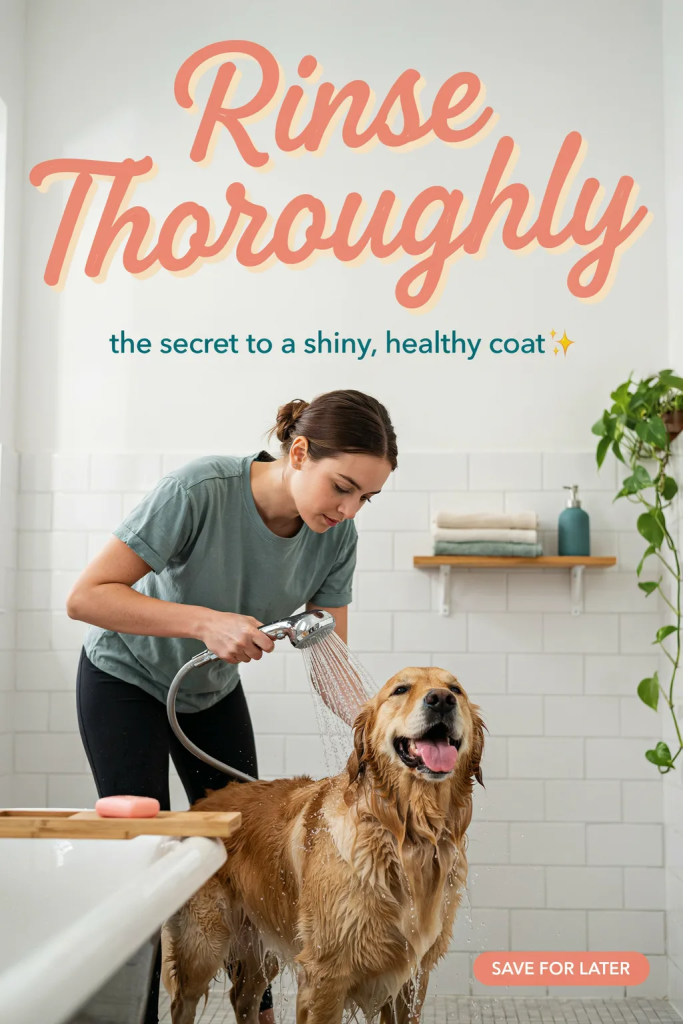
If there’s one bathing tip I wish every dog owner followed, it’s this one.
Most bathing problems happen because shampoo is left behind.
Even a small amount of residue can cause itching, flaky skin, and discomfort. Long-haired dogs are especially prone to hidden soap buildup.
I usually rinse much longer than I think I need to.
How to Know You’re Done Rinsing
Run your hands through the coat while water flows over the fur. If the coat still feels slippery or soapy, keep rinsing.
Pay special attention to:
- Armpits
- Groin area
- Under the neck
- Thick fur around the chest
- Tail area
Pro Tip
A handheld sprayer can make rinsing faster and more effective, especially for larger dogs.
6. Dry Smart (Before the Zoomies Begin)
Many owners focus on the bath itself and forget that drying is just as important.
A damp coat can trap moisture close to the skin, creating unpleasant odors and sometimes contributing to skin irritation.
I like to start with a highly absorbent towel and gently press the water out of the coat rather than rubbing aggressively.
For Short-Haired Dogs
A thorough towel dry is often enough.
For Long-Haired Dogs
A pet-safe dryer on a low setting can help prevent tangles and reduce drying time.
Safety Tip
Never use high heat. Dogs can overheat quickly, and hot air may irritate their skin.
The Famous Post-Bath Zoomies
Many dogs get excited after a bath because they’re releasing energy and responding to the unusual sensation of being clean and damp. It’s completely normal.
Just make sure your dog is mostly dry before they start racing through the house.
Bonus Bathing Tips for Better Results
Don’t Bathe Too Often
Most healthy dogs don’t need weekly baths. Overbathing can remove natural oils and lead to dry skin.
Keep Supplies Ready
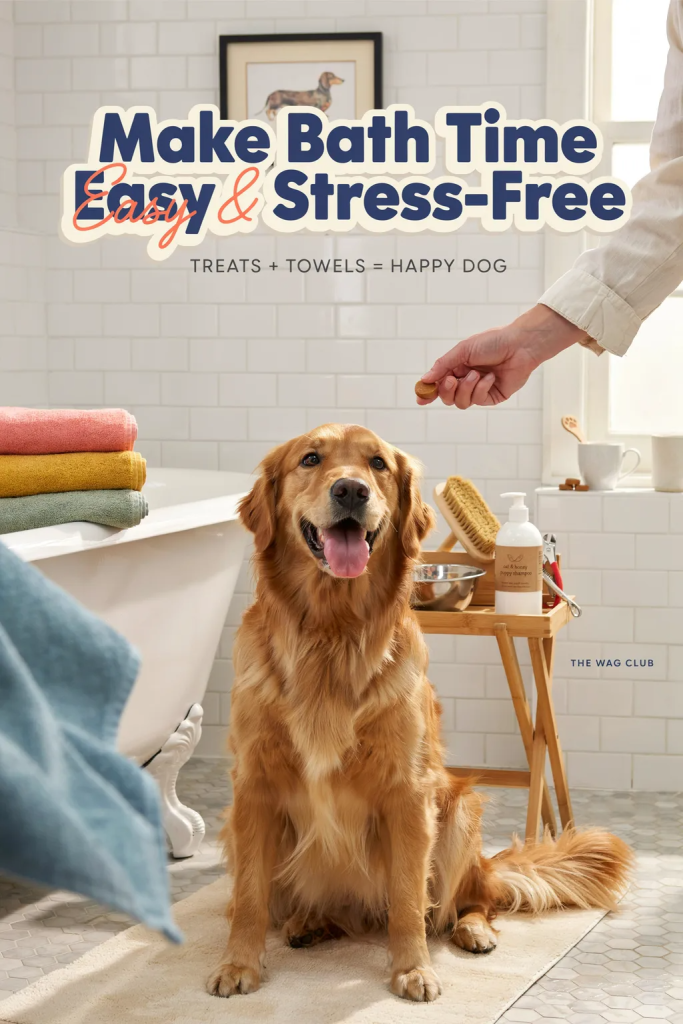
Having shampoo, towels, brushes, and treats within reach prevents unnecessary stress during the bath.
Use Positive Reinforcement
Treats, praise, and calm encouragement can help your dog develop a better relationship with bath time.
Watch for Skin Changes
Bath time is the perfect opportunity to check for lumps, redness, hot spots, or parasites that may need veterinary attention.
Final Thoughts
Bathing your dog doesn’t have to feel like a wrestling match. With the right preparation, proper products, and a little patience, bath time can become much easier for both of you.
The biggest improvements I’ve seen come from simple habits: brushing before the bath, using the right shampoo, rinsing thoroughly, and drying properly afterward.
Remember, every dog is different. Some love water, while others would rather avoid it completely. The goal isn’t perfection—it’s creating a routine that keeps your dog clean, comfortable, and healthy.
And don’t forget the reward at the end. A favorite treat can turn even the most reluctant bath-time participant into a much more cooperative partner next time.


