
Puppy Health 101: What Every Puppy Parent Needs to Know
Written By:

I’ve learned that raising a puppy is a mix of joy, stress, and constant learning. The key things I focus on are getting vaccinations on schedule, feeding proper puppy food, and building routines early for potty training, chewing behavior, and social skills. I also keep regular vet visits, do basic grooming from the start, and puppy-proof my home to avoid accidents. Most importantly, I watch for health changes and stay consistent every day because that’s what really shapes a well-behaved adult dog.

Key Takeaways
- Vaccinations are essential starting around 6–8 weeks to protect against serious diseases
- Puppy-specific food supports healthy growth and energy needs
- Consistent potty training routines reduce accidents over time
- Chewing is normal—redirection and toys are key
- Early socialization helps prevent fear and aggression later
- Regular vet visits catch problems early
- Grooming habits should start young
- Puppy-proofing prevents injuries and damage
- Watch behavior changes as early signs of illness
Vaccinations: Get ‘Em, No Questions
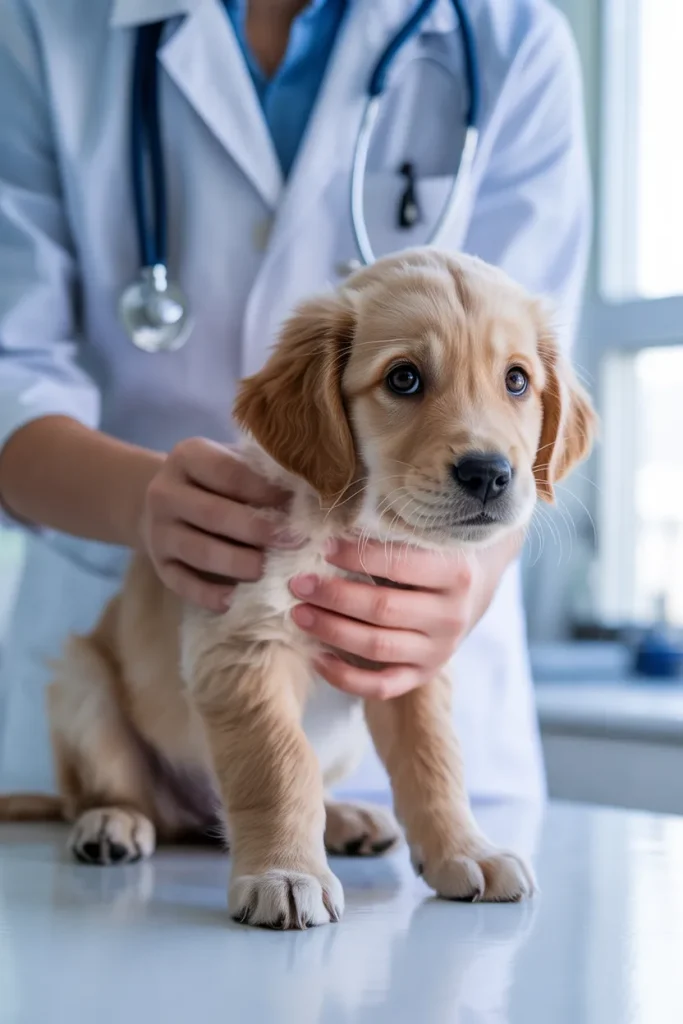
From my experience, vaccinations are the first thing I prioritize with a puppy. They usually start around 6–8 weeks and continue with boosters until about 16 weeks. Core vaccines like parvo, distemper, and rabies are not optional because they protect against serious, sometimes deadly diseases.
I always follow my vet’s schedule closely because skipping shots increases the risk when the puppy is around other dogs or even outside on simple walks.
What To Feed the Little Guy
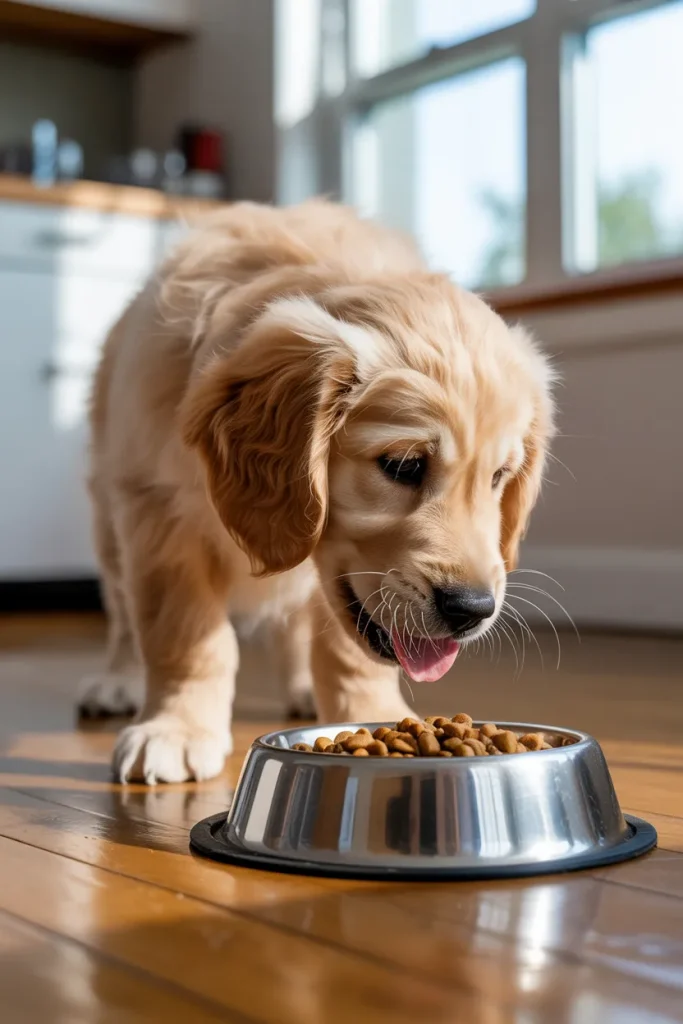
Feeding a puppy feels confusing at first, but I stick to one rule—puppy-specific food only. It has the right balance of protein, fat, and nutrients needed for growth.
I also control treats because overfeeding can lead to fast weight gain, which isn’t healthy for developing joints. When I’m unsure, I always ask my vet since breed and size matter a lot in diet planning.
Potty Training: Welcome to the Madness
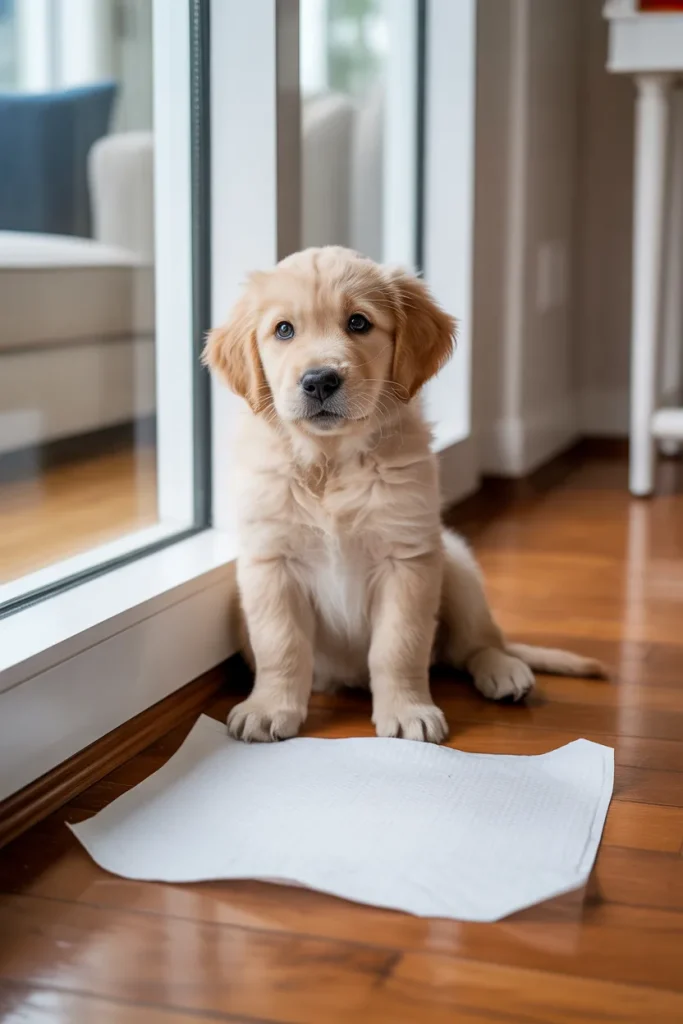
Potty training has been one of the most repetitive parts of puppy care for me. I take my puppy out at the same times daily, especially after eating, drinking, or naps.
When they succeed, I reward them immediately so they connect the behavior with positive results. If accidents happen, I don’t punish after the fact because it only confuses them—I just clean it up and stay consistent.
Pro Tip: I set a timer every 2–3 hours in the early days—it helped me stay consistent, and accidents dropped faster than I expected.
They Chew. A Lot.
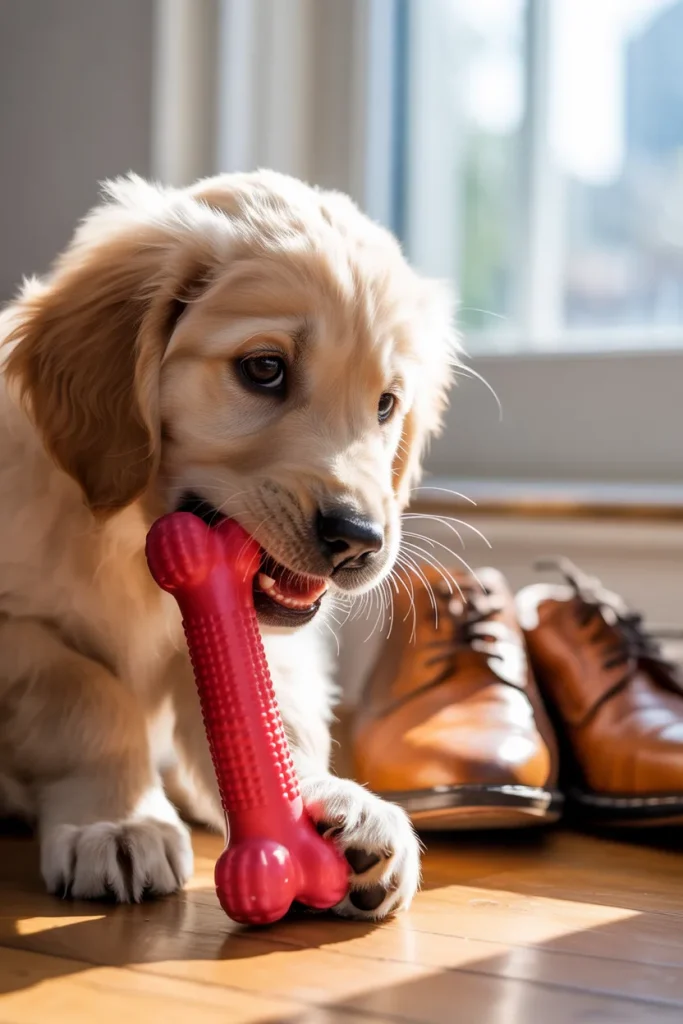
I quickly realized chewing is just part of puppy life. Shoes, furniture, and anything left on the floor become targets.
I always keep safe chew toys available like rubber toys or ropes and redirect them instead of scolding. Frozen carrots also help during teething and are an easy, cheap solution I use often.
Socialization: The Puppy Meet & Greet
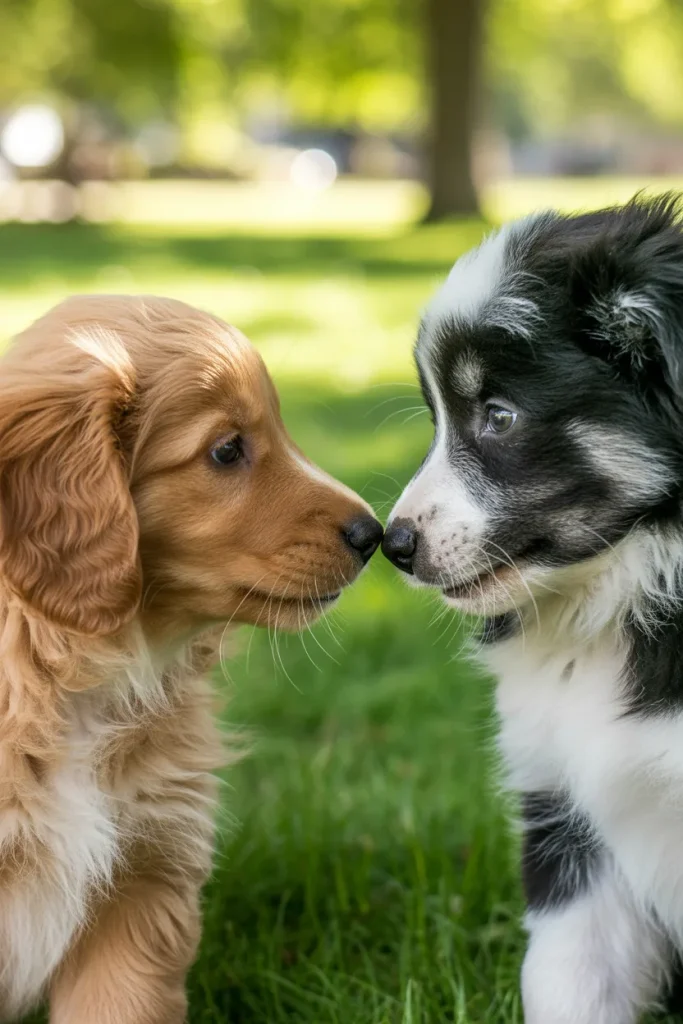
I focus heavily on socialization because it shapes long-term behavior. I slowly introduce my puppy to different people, places, and sounds so they don’t become fearful later.
I also arrange play sessions with vaccinated puppies in safe environments. However, I avoid dog parks until all vaccinations are complete for safety reasons.
Your Vet Is Your Go-To
Regular vet visits are something I treat as essential, not optional. Early check-ups help track weight, growth, and overall health while keeping vaccinations up to date.
I also ask questions whenever I’m unsure because vets provide practical guidance based on real cases they see every day.
Grooming: Not Just for Show Pups
Grooming is something I start early so my puppy gets used to it. Weekly brushing helps manage shedding and keeps the coat healthy.
I also trim nails regularly because overgrown nails can cause discomfort while walking. I take it slow at first so the puppy doesn’t get stressed.
Puppy-Proofing Like a Pro
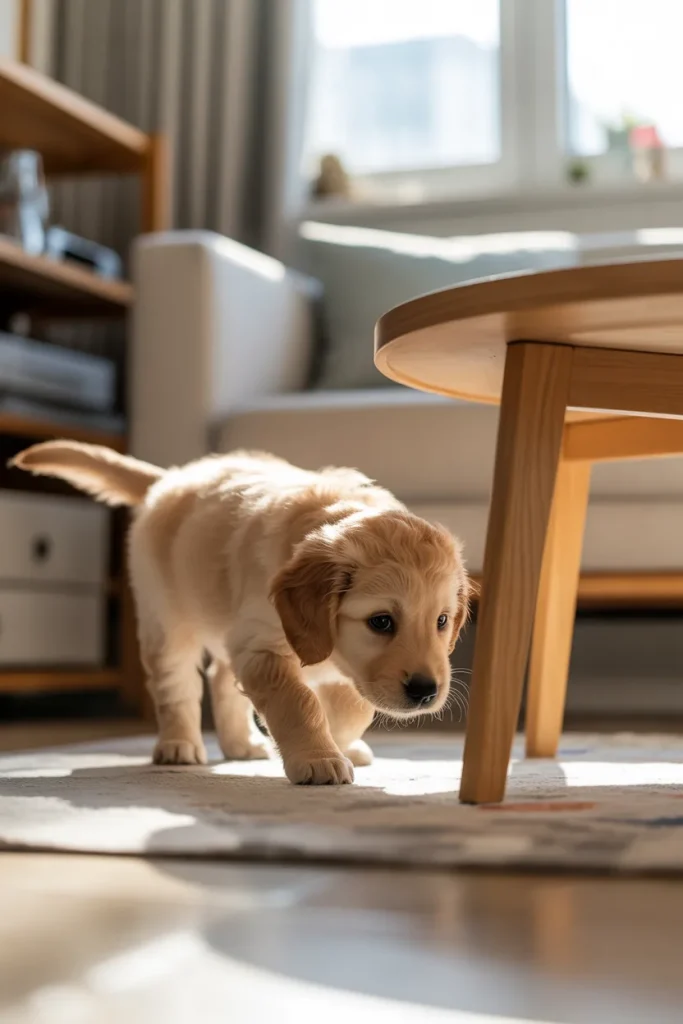
Puppies explore everything with their mouth, so I had to puppy-proof my home quickly. I keep chemicals, wires, and small objects out of reach.
I also block access to anything dangerous because even a few seconds of curiosity can lead to trouble. I learned that getting down to their level helps spot hidden hazards.
Know When Something’s Off
I pay close attention to behavior changes because puppies can’t communicate when something is wrong. Low energy, loss of appetite, or stomach issues like vomiting or diarrhea are warning signs I never ignore.
Even small changes can matter, so I prefer checking with a vet early instead of waiting.
Enjoy the Crazy Ride!
From my experience, raising a puppy is messy but rewarding. There are accidents, sleepless nights, and destroyed items, but there’s also a lot of joy and bonding.
I’ve learned that consistency, patience, and routine make all the difference. The puppy phase goes fast, so I try to enjoy it while it lasts.