
How to Stop Puppy from Nipping: 7 Easy Tricks That Actually Work
Written By:

When I first got my puppy, I expected cuddles and calm moments. Instead, I was dealing with constant nipping that made daily life frustrating. If you’re searching for how to stop puppy from nipping, I’ve been there—and I figured out what actually works.
Intro (Above the Fold Summary)
In this guide, I’ll share practical methods I personally used to reduce biting. These are simple, realistic, and based on how puppies actually learn. With consistency, you’ll see improvement faster than you expect.
Key Takeaways
Puppy nipping is normal but needs early training
Consistency is more important than quick fixes
Redirecting works better than punishment
Exercise reduces biting behavior significantly
Positive reinforcement builds long-term habits
Most puppies improve within weeks with the right approach
Why Do Puppies Nip Anyway? (Hint: It’s Not Because They Hate You)
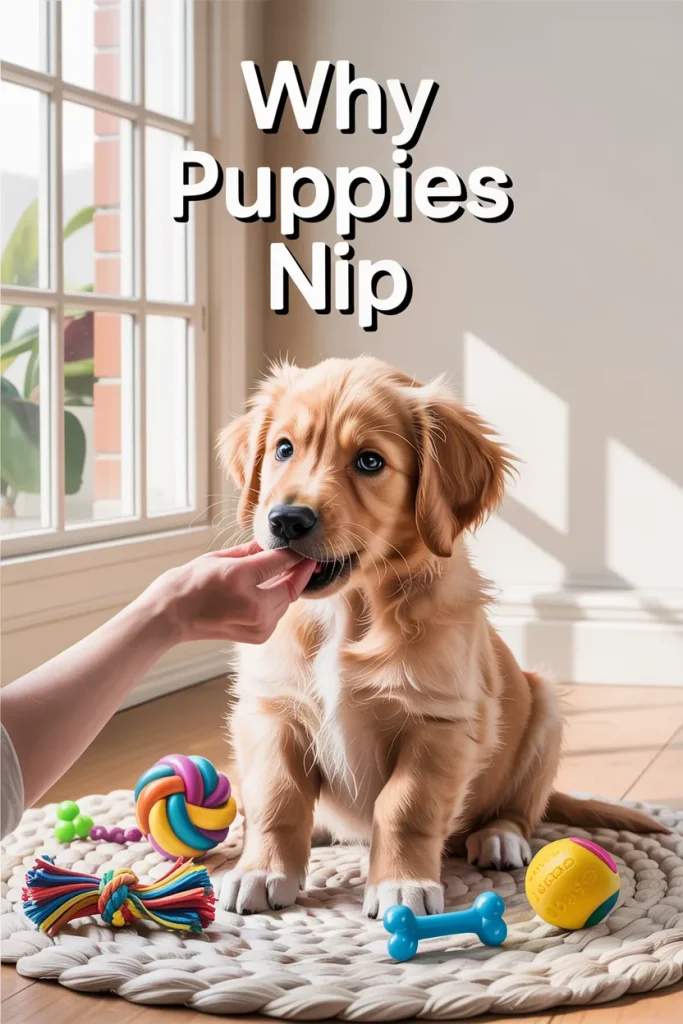
From what I’ve experienced, puppies nip because it’s part of their development—not because they’re aggressive. They use their mouths to explore, play, and deal with teething discomfort.
Most puppies start this behavior between 8–16 weeks. Studies suggest that nearly all puppies go through this phase. When I brought mine home, I became their main play partner, so naturally, the biting shifted toward me.
Once I understood this, I stopped taking it personally and focused on teaching boundaries instead.
1. The Yelping Trick: Speak Their Language (Kind Of)
This was one of the first things I tried. Every time my puppy bit too hard, I made a quick “Ow!” sound. It caught their attention immediately.
Puppies understand this because it mimics how their littermates react. It helped my puppy realize they were being too rough.
When they stopped, I stayed calm. If they didn’t, I walked away. Over time, they connected biting with losing attention.
Pro Tip: Always react instantly after the bite so your puppy understands the cause and effect.
2. Redirect That Energy: Toys to the Rescue
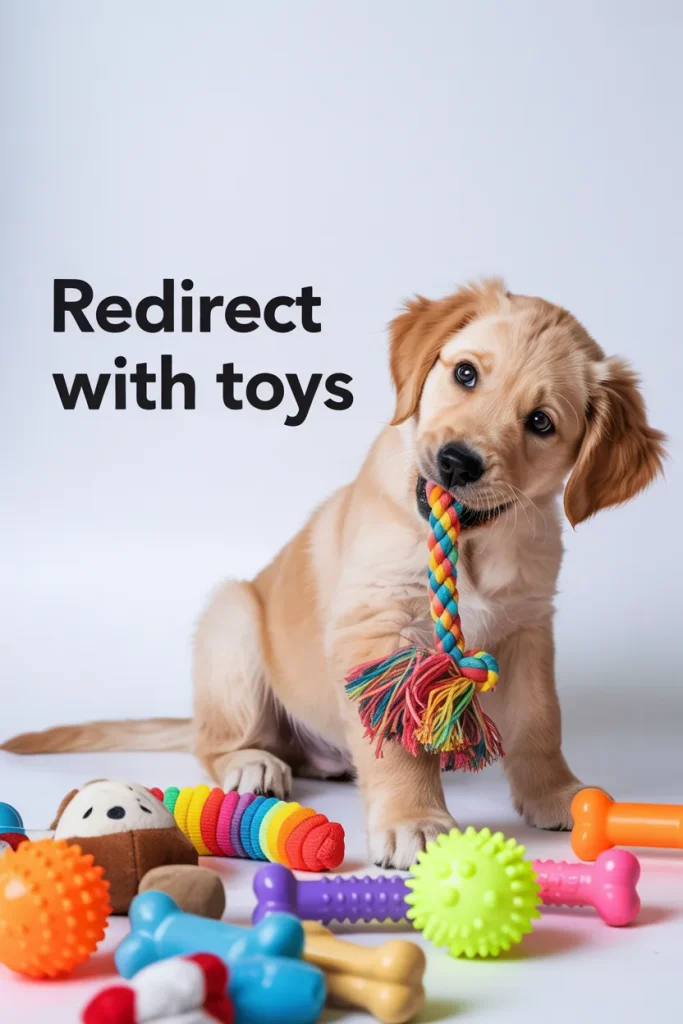
I quickly learned that saying “don’t bite” isn’t enough. Puppies need something else to chew.
So I kept toys nearby at all times. Whenever my puppy went for my hands, I replaced them with a chew toy. This worked better than trying to stop the behavior completely.
Chewing also helps with teething pain. That’s why puppies naturally look for things to bite.
What worked best for me was using durable toys and even freezing some to soothe their gums. When my puppy chose the toy, I praised them right away.
3. Teach the “Gentle” Command: Set Some Boundaries
Teaching “gentle” took effort, but it made a big difference. I used treats to guide the behavior.
I held a treat and waited. If my puppy tried to grab or bite, I didn’t give it. When they approached calmly, I said “gentle” and rewarded them.
Over time, they learned that calm behavior gets results. This built control instead of fear.
From what I’ve seen, dogs trained with rewards tend to learn faster and respond better over time.
4. Exercise, Exercise, Exercise: Burn Off That Puppy Energy!
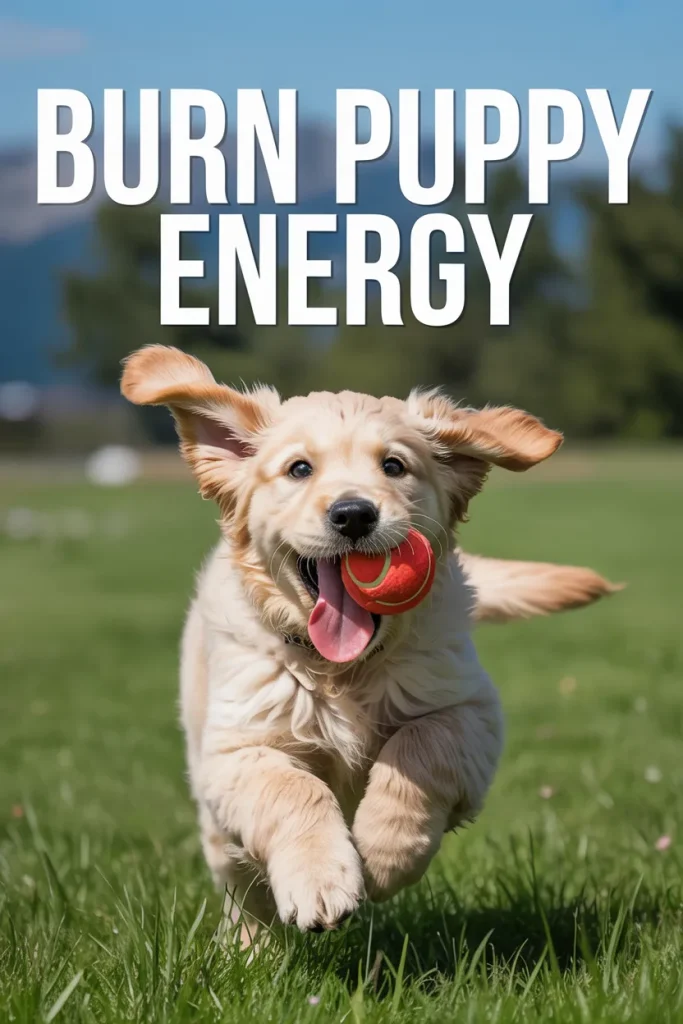
I noticed my puppy bit more when they had extra energy. Once I added more play and activity, the nipping reduced.
Puppies have a lot of energy, and if it’s not used, it turns into unwanted behavior.
I focused on short walks, play sessions, and interactive toys. Even 15–20 minutes of active play made a visible difference.
A tired puppy is simply calmer and less likely to bite.
5. Use a Time-Out: Sometimes, Ignoring Works Wonders
When my puppy didn’t respond to anything else, I used time-outs. I didn’t yell or punish—I just stopped engaging.
If they bit too hard, I turned away and ignored them for a short time. No talking, no eye contact.
They quickly learned that biting ended the fun. Since puppies love attention, this worked well.
I kept time-outs short so they understood the reason without getting confused.
6. Chewable Deterrents: Make Nipping…Not So Fun
In tougher situations, I tried using a bitter spray. It made my hands less appealing to bite.
It’s safe for dogs but tastes unpleasant, so they avoid it after a few tries.
I didn’t rely on this much, but it helped when other methods weren’t enough.
Important: Use this only as support, not as your main solution.
7. Be Patient: Rome Wasn’t Built in a Day…And Neither Are Good Habits
This part was honestly the hardest for me. Training takes time, and results don’t happen overnight.
Some puppies learn quickly, while others take longer. What mattered most was staying consistent every day.
From what I’ve seen, most puppies grow out of heavy nipping by around 4–6 months if trained properly.
I focused on small progress, and over time, the behavior improved naturally.
So, What’s the Bottom Line?
From my experience, puppy nipping can feel overwhelming, but it’s completely manageable. The key is to stay calm and consistent.
By using simple methods like redirection, time-outs, and positive reinforcement, I was able to reduce biting without stress.
If you stick with these techniques, you won’t just stop the nipping—you’ll build better habits that last for life.
Conclusion
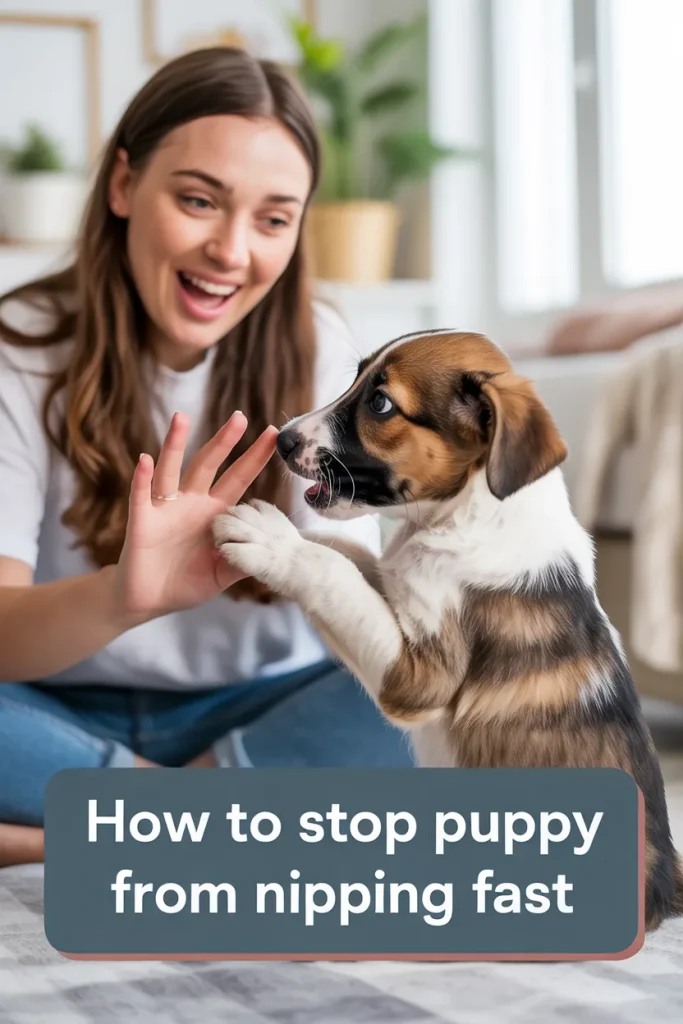
From my experience, dealing with puppy nipping feels overwhelming in the beginning, especially when it happens all day. I remember thinking it would never stop. But once I understood the reason behind the behavior and stayed consistent with training, things slowly started to change.
The biggest shift for me was focusing on teaching instead of reacting. Instead of getting frustrated, I started guiding my puppy with clear signals—redirecting to toys, using short time-outs, and rewarding calm behavior. These small actions, repeated daily, made a noticeable difference within a few weeks.
What I’ve learned is that there’s no single magic fix when it comes to how to stop puppy from nipping. It’s always a mix of patience, consistency, and the right techniques. Some days will feel like progress, and others might feel like setbacks—but that’s completely normal.
If you stay consistent, your puppy will learn. Most puppies naturally reduce this behavior as they grow, especially when they understand boundaries early on. The effort you put in now builds habits that last for years.
In the end, this phase doesn’t last forever. What stays is the bond you build during training. And trust me, once the biting fades, those calm cuddles and relaxed moments finally feel worth it.
FAQs
How long does it take to stop puppy nipping?
From what I’ve seen, most puppies improve within 2–4 weeks if you stay consistent with training. However, the full nipping phase can last until around 4–6 months of age, depending on the breed and energy level.
Is puppy nipping normal or a bad behavior?
It’s completely normal. Puppies use their mouths to explore and play, especially during teething. The goal isn’t to stop it instantly but to teach them what’s acceptable.
What is the fastest way to stop puppy from nipping?
In my experience, the fastest results come from combining three things: immediate reaction (like saying “Ow”), redirecting to a toy, and stopping play when biting continues. Consistency is what makes it work quickly.
Should I punish my puppy for biting?
No, I don’t recommend punishment. It can create fear and confusion. Positive reinforcement and clear boundaries work much better and build trust at the same time.
Why does my puppy bite more at night?
I noticed this too—it usually happens when puppies are overtired or have excess energy. Evening zoomies are common, so adding structured playtime earlier in the day can help reduce this behavior.
Do certain breeds nip more than others?
Yes, some breeds like herding dogs (Border Collies, Australian Shepherds) tend to nip more because it’s part of their instinct. In these cases, training and exercise become even more important.
Can teething make nipping worse?
Absolutely. Teething can increase biting because puppies are trying to relieve gum discomfort. That’s why chew toys, especially cold ones, helped a lot in my case.
When should I worry about aggressive biting?
If the biting feels intense, constant, or is paired with growling and stiff body language, it’s worth consulting a professional trainer or vet. Normal nipping is playful, not aggressive.


