7 Reasons Your Dog Snapped at You and How to Prevent It Happening Again
Written By:

Few things shake a dog owner more than seeing their normally friendly dog suddenly snap. I remember the first time a dog I trusted gave me a quick snap warning. It happened so fast that I felt confused, hurt, and honestly a little scared. But after learning more about canine behavior, I realized that snapping is usually a message, not a random act of aggression.
Dogs don’t wake up one day and decide to become aggressive. In most cases, a snap is their way of saying they’re uncomfortable, stressed, frightened, or dealing with something we haven’t noticed yet. Understanding the reason behind the behavior is the first step toward preventing it from happening again.
If your dog snapped at you for the first time, don’t panic. Let’s look at the most common causes and the best ways to respond.

Quick Summary & Key Takeaways
- A snap is usually a warning, not an attack.
- Pain and illness are common causes of sudden snapping.
- Fear, anxiety, and stress can trigger defensive behavior.
- Resource guarding often involves food, toys, or sleeping areas.
- Puppies and young dogs may snap during normal developmental stages.
- Punishing a dog for snapping can make future incidents worse.
- Identifying the trigger is the key to solving the problem.
- Veterinary and professional behavioral help may be needed if snapping continues.
7 Reasons Why Your Dog Snapped at You

When a dog snaps, there is almost always a reason behind it. In my experience, owners often focus on the snap itself while missing the events that led up to it. Paying attention to the context can reveal a lot.
1. Pain or Discomfort
One of the first things I tell dog owners to consider is whether their dog might be hurting.
Dogs are remarkably good at hiding pain. A sore hip, dental problem, ear infection, arthritis, or even a small injury can make a normally gentle dog react defensively when touched.
I once met a senior dog that started snapping whenever someone reached toward its neck. The owner assumed the dog was becoming aggressive. A veterinary exam later revealed severe neck pain that had gone unnoticed.
Signs pain may be involved:
- Flinching when touched
- Limping or stiffness
- Reduced activity
- Changes in appetite
- Excessive licking of one area
Pro Tip
If the snapping behavior appears suddenly and seems out of character, schedule a veterinary visit before assuming it’s a training problem.
2. Just Woken Up (Sleep Aggression)
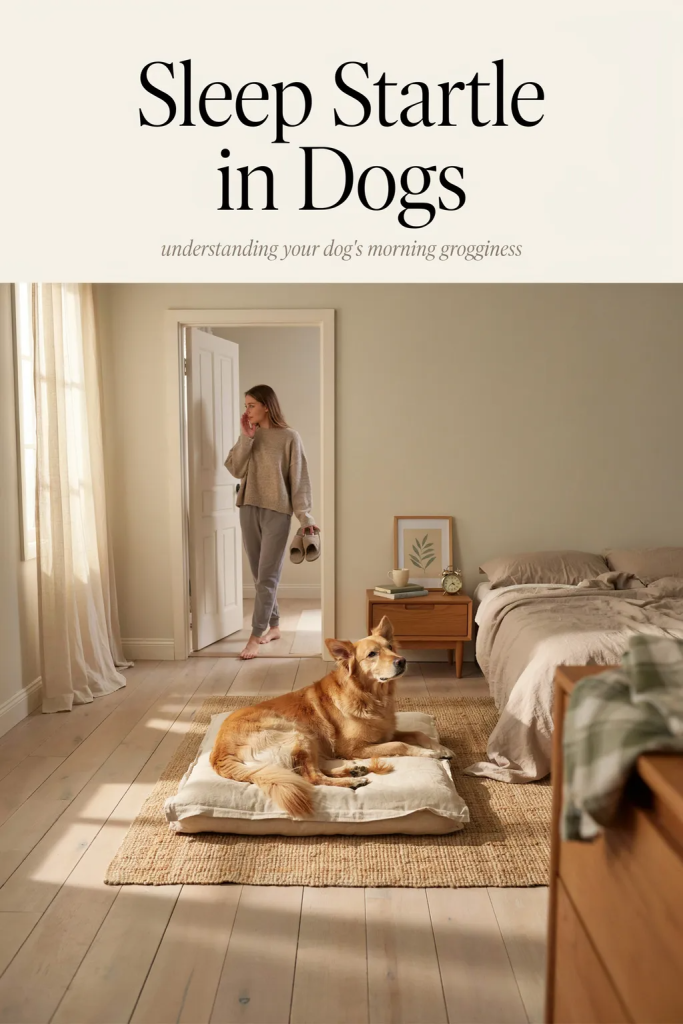
Some dogs become startled when awakened suddenly.
Imagine being deeply asleep and someone grabbing your shoulder unexpectedly. Many dogs react similarly. For a brief moment, they may not fully recognize what’s happening around them.
This reaction is often called sleep startle and can happen even in well-trained dogs.
I’ve noticed this more frequently in older dogs and dogs that sleep very deeply.
How to prevent it:
- Let your dog wake naturally when possible.
- Call their name softly from a distance.
- Avoid touching sleeping dogs unexpectedly.
- Teach children not to disturb sleeping pets.
Giving your dog uninterrupted rest can reduce these incidents significantly.
3. Fear or Anxiety
Fear is one of the biggest drivers of defensive behavior in dogs.
When dogs feel trapped or threatened, they may use snapping as a way to create distance. It’s their version of saying, “Please stop.”
Fear-based snapping can happen during:
- Vet visits
- Grooming sessions
- Loud noises
- Interactions with strangers
- Unfamiliar environments
I always encourage owners to watch for subtle warning signs before a snap occurs. Dogs usually communicate discomfort long before using their teeth.
Common warning signals:
- Lip licking
- Yawning
- Whale eye (showing the whites of the eyes)
- Tucked tail
- Moving away
Recognizing these signs early can prevent many snapping incidents.
4. Food or Resource Aggression
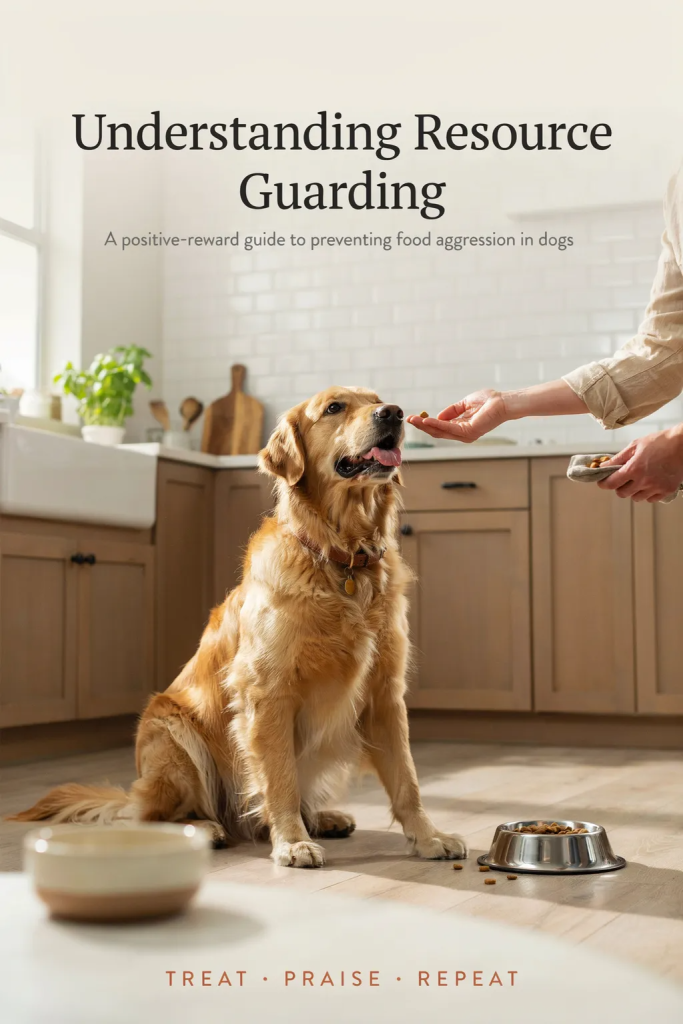
Many dogs place a high value on certain resources.
Food bowls, treats, toys, beds, and even favorite humans can become something a dog feels the need to protect.
This behavior, known as resource guarding, ranges from mild tension to growling and snapping.
In my experience, owners often accidentally worsen guarding by repeatedly taking items away without teaching the dog positive associations.
Common guarded resources:
- Food bowls
- Bones
- Chew toys
- Sleeping spots
- High-value treats
Pro Tip
Instead of taking items away unexpectedly, practice trading. Offer a better reward in exchange for the object. This teaches your dog that giving things up leads to good outcomes.
5. Puppy Biting (Teething)
If your dog is still a puppy, snapping may not be aggression at all.
Puppies explore the world with their mouths. During teething, discomfort can increase chewing and nipping behavior.
Most puppies begin losing baby teeth around 3 to 4 months of age and finish teething around 6 to 7 months.
During this period, some puppies may appear to snap when they’re simply trying to play or relieve gum discomfort.
Helpful solutions:
- Provide safe chew toys
- Freeze puppy-safe treats
- Redirect biting to toys
- Reward calm interactions
Consistency is important. Most puppies naturally improve as they mature.
6. Play Biting (Mouthing)

Not every snap comes from fear or frustration.
Many dogs become excited during play and use their mouths naturally. This behavior is often called mouthing.
Unlike aggressive snapping, playful mouthing usually occurs alongside relaxed body language, loose movements, and obvious enthusiasm.
However, even playful dogs can accidentally become too rough.
Signs it may be play-related:
- Play bows
- Wagging tail
- Relaxed body posture
- Returning for more interaction
- No signs of tension or fear
If play gets too intense, pause the game briefly and resume once your dog settles down.
7. Punishment for Growling
This reason surprises many owners.
Growling is one of the most important warning signals a dog has. Unfortunately, some dogs learn that growling gets them punished.
When that happens, they may stop growling altogether and move directly to snapping.
The problem isn’t solved—it’s hidden.
I would much rather have a dog growl than snap without warning because the growl provides valuable information about the dog’s emotional state.
Common Mistake to Avoid
Never punish growling.
Instead, ask yourself why your dog felt the need to growl. Addressing the cause is far more effective than suppressing the warning sign.
What to Do When Your Dog Snaps at You
The moments immediately after a snap matter.
First, stay calm. Yelling, grabbing your dog, or reacting aggressively can increase stress and make future incidents more likely.
Create some space between you and your dog. Then think about what happened right before the snap.
Ask yourself:
- Was my dog sleeping?
- Was I touching a sensitive area?
- Was food involved?
- Did something scare them?
- Were they feeling trapped?
Documenting the situation can help identify patterns.
If the behavior repeats or seems severe, consult both a veterinarian and a qualified dog behavior professional. Medical issues and behavioral concerns often overlap.
Action Plan
- Stay calm.
- Give your dog space.
- Identify the trigger.
- Rule out medical problems.
- Avoid punishment.
- Seek professional help if needed.
Should I Discipline My Dog for Snapping?
In almost every case, the answer is no.
Discipline focuses on the symptom rather than the cause.
If a dog snaps because they’re afraid, punishing them increases fear. If they snap because they’re in pain, punishment adds stress to an already uncomfortable situation.
Research in canine behavior consistently shows that punishment-based methods can increase anxiety and aggression risks.
A better approach is understanding what triggered the response and teaching your dog safer ways to communicate.
Positive reinforcement training builds trust, which is exactly what you need after a snapping incident.
Conclusion: How to Prevent Future Snapping Incidents

A dog snapping for the first time can feel alarming, but it doesn’t automatically mean your dog is aggressive.
Most snaps happen because a dog feels uncomfortable, frightened, startled, protective, or physically unwell. The behavior is often a warning signal rather than an attempt to harm someone.
The best thing I’ve learned as a dog owner is to treat snapping as information. Instead of asking, “How do I stop my dog from snapping?” ask, “What is my dog trying to tell me?”
By paying attention to body language, respecting boundaries, addressing medical concerns, and using positive training methods, you can reduce the chances of future incidents and strengthen your relationship with your dog.
Patience, observation, and understanding will always take you further than punishment.


