
10 Pet-Safe Air-Purifying Plants That Improve Indoor Air Naturally
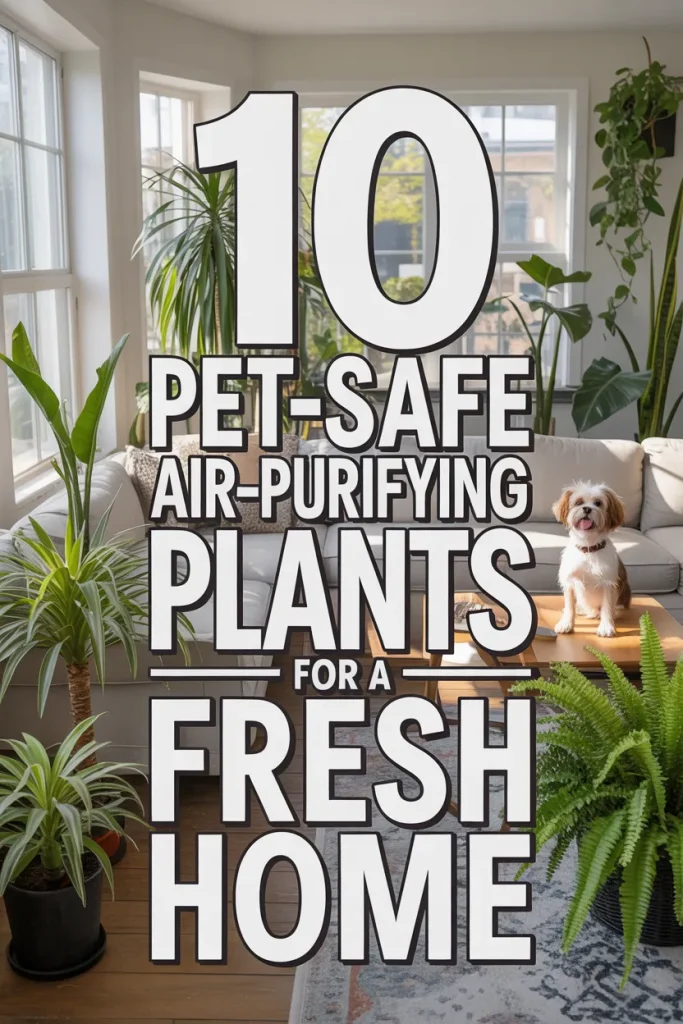
Many people love the idea of filling their home with plants. Plants make a space feel calm, fresh, and welcoming. But if you live with pets, you may worry about safety. Dogs and cats are curious. They often chew leaves or play with anything green they find. Because of this, pet owners must choose plants carefully.
The good news is that some Air-Purifying Plants are both safe for pets and helpful for improving indoor air. These plants can make your home look beautiful while also helping remove common indoor pollutants. Choosing the right plants means you can enjoy greenery without worrying about your pets.
The plants listed below are known for helping clean indoor air while also being safe for homes with cats and dogs. Each plant has its own look, care needs, and benefits. Some are easy to maintain while others need a little more attention, but all of them can fit nicely into a pet-friendly home.
Areca Palm (Dypsis lutescens)
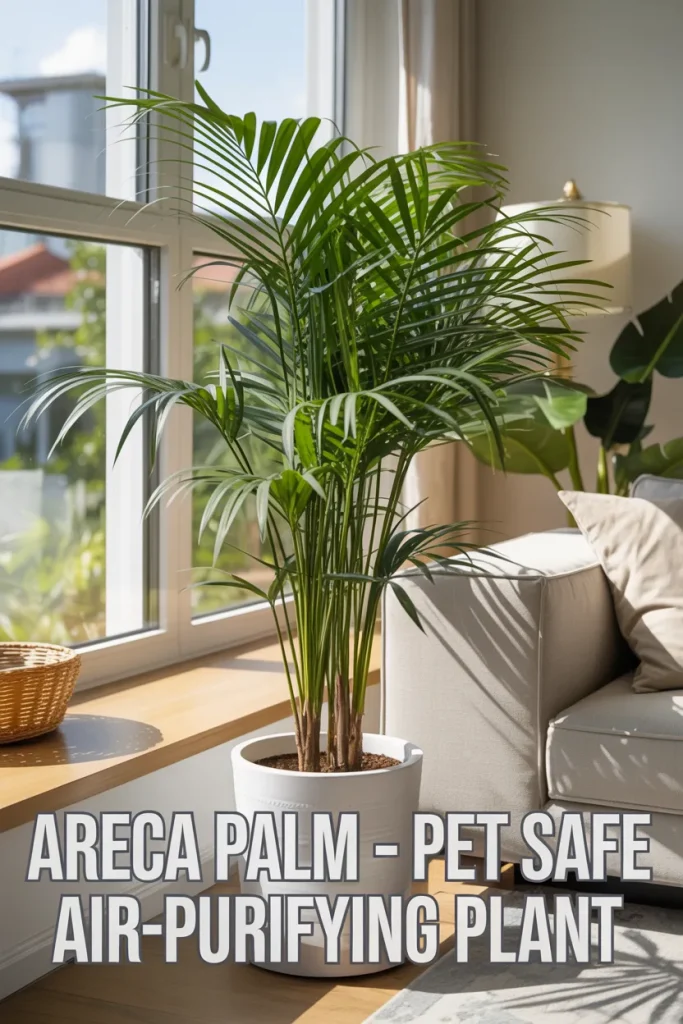
The Tropical Powerhouse
The Areca Palm is known for its soft, feathery leaves and bright green color. It brings a tropical feeling into any room and instantly makes a space feel more lively. Many people like placing this plant in living rooms or bright corners because it grows tall and fills empty spaces nicely.
One reason this plant is popular among Air-Purifying Plants is its ability to help remove toxins such as benzene and carbon dioxide from indoor air. At the same time, it adds moisture to the air, which can help make dry rooms feel more comfortable.
This plant grows best in bright but indirect light. It also needs regular watering so the soil stays slightly moist. The soil should never become completely dry. The Areca Palm is safe for pets, so if a curious cat or dog gets close to it, it does not create the same risk that some other plants do.
Parlor Palm (Chamaedorea elegans)
The Low-Maintenance MVP
The Parlor Palm has been a favorite indoor plant for many years. It has graceful green leaves that grow in thin stems, giving it a soft and elegant look. Because it stays fairly compact, it works well on tables, desks, or small corners.
Among indoor Air-Purifying Plants, this one is loved for its simplicity. It can help improve indoor air while also being easy to care for. Even people who forget to water their plants sometimes can usually keep this one alive.
The Parlor Palm does well in medium or low light, which makes it perfect for homes that do not get strong sunlight. It also does not need frequent watering. Pet owners often choose this plant because it is safe for both cats and dogs.
Spider Plant (Chlorophytum comosum)
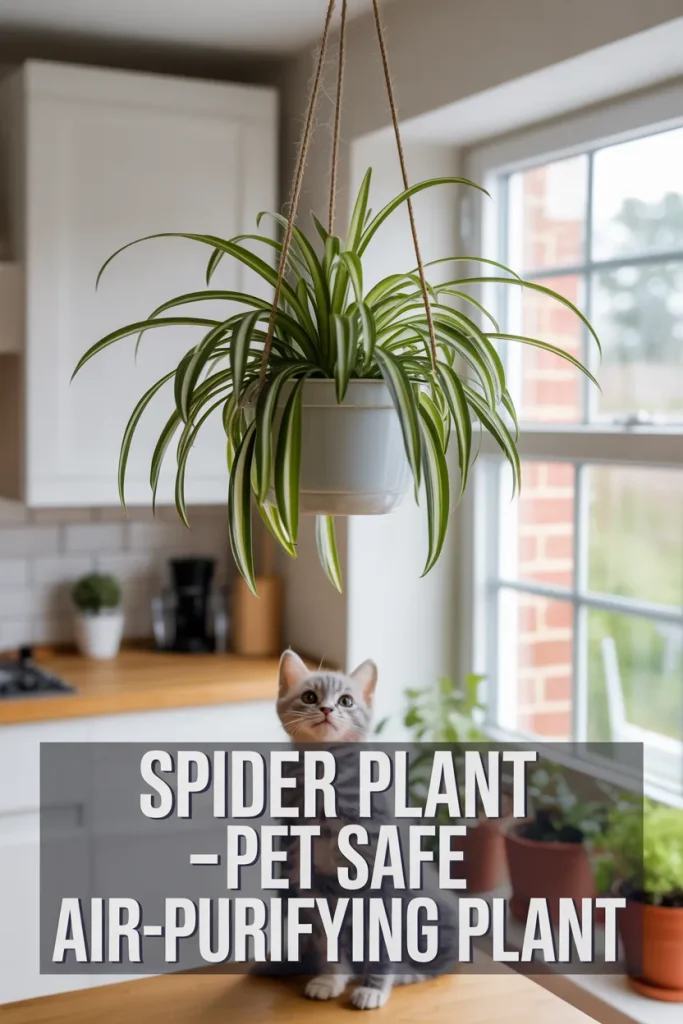
The Comeback Classic
The Spider Plant is one of the most recognized houseplants. It has long striped leaves that grow outward in a flowing shape. Small baby plants often grow from the main plant, which makes it look unique and interesting.
This plant is known for helping remove pollutants like carbon monoxide and formaldehyde from indoor air. Because of this, it is often included in lists of useful Air-Purifying Plants for homes and apartments.
Spider Plants are also very strong and forgiving. They can survive in indirect light and do not mind if watering is not perfect. Many pets enjoy playing with the hanging baby plants, but the plant itself is non-toxic, which makes it a safe choice for homes with animals.
Calathea (Calathea spp.)
The Instagram Darling
Calathea plants are known for their beautiful and patterned leaves. Some varieties have stripes, while others have deep green colors mixed with lighter shades. Because of their unique appearance, they are often used as decorative plants in modern homes.
Although they are not the strongest among Air-Purifying Plants, they still help maintain fresh indoor air while adding strong visual beauty to a room. Their bold leaves make them stand out compared to many other houseplants.
Calatheas need a bit more care than some other plants. They prefer humid environments and bright but indirect sunlight. Regular watering helps keep them healthy. The good news for pet owners is that these plants are safe for cats and dogs.
Bamboo Palm (Chamaedorea seifrizii)
The Air-Cleaning Giant
The Bamboo Palm is another plant that adds height and greenery to indoor spaces. Its tall stems and full leaves create a natural look that works well in living rooms, hallways, or offices.
This plant is often mentioned when talking about Air-Purifying Plants because it can help remove toxins like formaldehyde from the air. It also releases moisture, which can make indoor air feel less dry.
Bamboo Palms prefer bright, indirect sunlight. The soil should stay slightly moist, but it should not become overly wet. Pet owners appreciate this plant because it is considered safe for animals.
Boston Fern (Nephrolepis exaltata)
The Humidity Hero
Boston Ferns have soft, full leaves that create a thick and lush appearance. Many people place them in hanging baskets where their leaves can spread outward and downward.
These plants help improve indoor air by removing toxins while also adding humidity to the air. This can be helpful in homes where heating or air conditioning makes the air dry. Because of this benefit, Boston Ferns are often included in collections of Air-Purifying Plants.
They prefer environments with high humidity and regular watering. Bathrooms or kitchens can be good locations for them. Boston Ferns are also safe for pets, which makes them a comfortable choice for animal-friendly homes.
Cast Iron Plant (Aspidistra elatior)
The Indestructible Wonder
The Cast Iron Plant has earned its name because it is extremely tough. It can survive in conditions where many other plants struggle. This makes it a good choice for people who do not have much time to care for plants.
While it may not be the most powerful among Air-Purifying Plants, it still helps improve indoor air while providing greenery inside the home. Its dark green leaves are strong and long-lasting.
This plant tolerates low light, low humidity, and occasional neglect. Because it is also pet-safe, it can be placed in homes where animals move freely.
Baby Tears (Soleirolia soleirolii)
The Soft and Sweet Ground Cover
Baby Tears plants are small but very charming. They grow many tiny leaves that form a soft green surface. Because of their size, they are often placed in small pots or decorative containers.
Even though they are smaller than many other Air-Purifying Plants, they still contribute to a healthier indoor environment. They also add a gentle and fresh look to shelves, tables, or terrariums.
Baby Tears grow best in bright, indirect light and need soil that stays moist. This plant is also considered safe for pets, which makes it a nice decorative option for pet owners.
Peperomia (Peperomia spp.)
The Cute Air Cleaner
Peperomia plants come in many different shapes and leaf styles. Some have thick round leaves while others have textured patterns. Their compact size makes them perfect for desks, shelves, and small spaces.
These plants are sometimes included among helpful Air-Purifying Plants because they support better indoor air quality. They are also known for being easy to grow indoors.
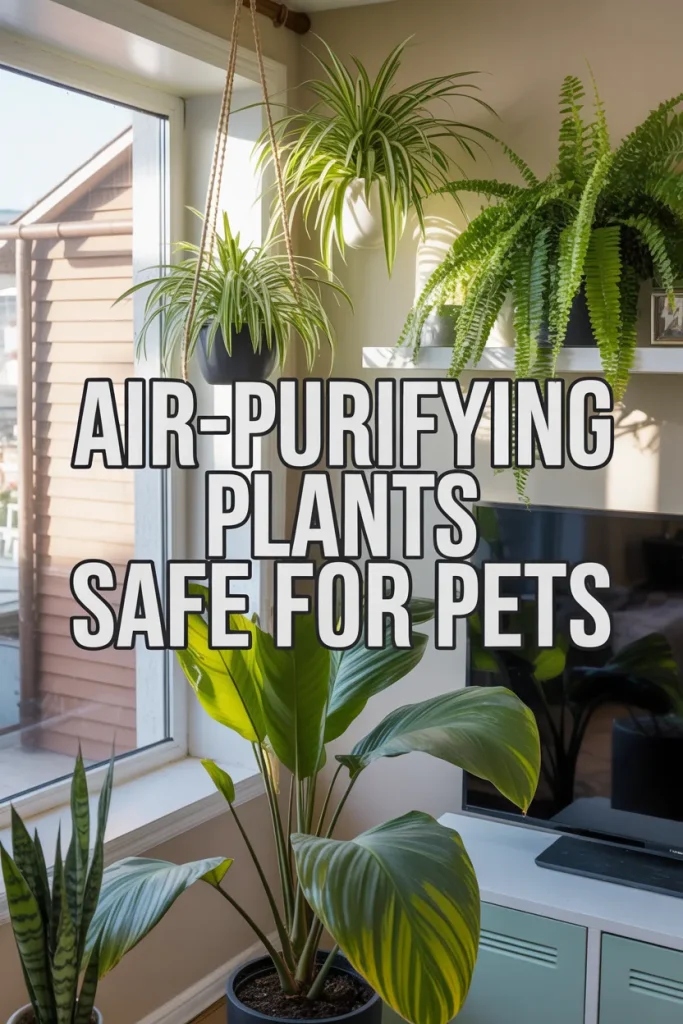
Peperomia plants prefer bright indirect light. Their soil should dry slightly between watering. Because they are safe for pets, they are a simple and attractive option for homes with animals.
Prayer Plant (Maranta leuconeura)
The Plant with Personality
The Prayer Plant is known for a unique behavior. During the evening, its leaves fold upward, almost like hands in prayer. This movement makes the plant interesting to watch throughout the day.
Like many other Air-Purifying Plants, it helps support cleaner indoor air while also adding beauty to a room. Its leaves often have striking patterns that make it visually appealing.
Prayer Plants grow best in humid environments with bright but indirect light. They need consistent watering but should not sit in overly wet soil. They are also safe for pets, making them suitable for animal-friendly homes.
Tips for Keeping Your Plants and Pets Happy Together
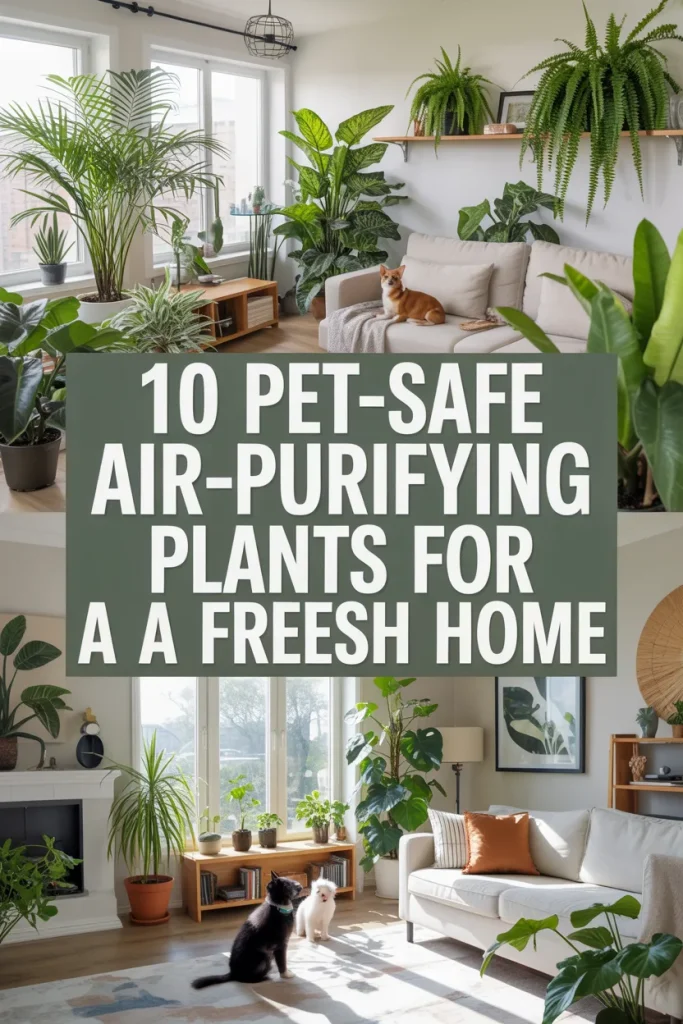
Living with both pets and plants is possible with a little planning. Even plants that are considered safe should be placed carefully.
Keeping plants on shelves or stands can prevent pets from chewing them. Creating a special area in the home just for plants can also help keep pets away. Some pet owners use natural scents like citrus to discourage animals from exploring plant pots.
By choosing safe plants and placing them thoughtfully, you can enjoy greenery while keeping your pets comfortable.
Final Thoughts
Adding Air-Purifying Plants to your home can improve the feeling of your indoor space while also supporting healthier air. The plants listed above offer a combination of beauty, safety, and usefulness for people who share their homes with pets.
Each plant has its own style and care needs, but all of them provide a way to bring nature indoors without putting animals at risk. With the right choices, your home can feel greener, fresher, and welcoming for every member of the family.