
Healthy Dog Food Recipes Made with Simple Ingredients
Written By:

I started making homemade meals for my dog after noticing how often commercial food upset his stomach. Some brands looked healthy on the label, but the ingredient lists told a different story. Once I switched to simple homemade recipes using real meat, vegetables, and pantry staples, I saw a huge difference in his energy, coat, and digestion.
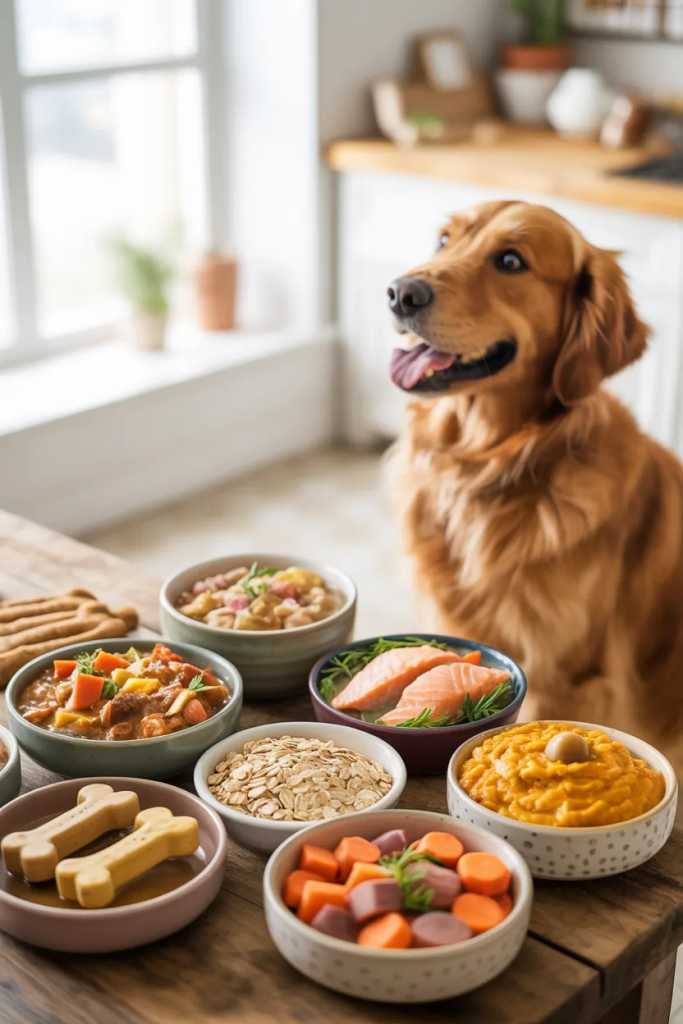
I started making homemade meals for my dog after noticing how often commercial food upset his stomach. Some brands looked healthy on the label, but the ingredient lists told a different story. Once I switched to simple homemade recipes using real meat, vegetables, and pantry staples, I saw a huge difference in his energy, coat, and digestion.
The best part is that healthy dog food recipes don’t have to be expensive or complicated. Most of these meals come together with ingredients already sitting in your kitchen. You also get peace of mind knowing exactly what goes into your dog’s bowl.
In this guide, I’m sharing the homemade dog meals and treats that worked best in my own routine. These recipes are simple, budget-friendly, and easy to rotate throughout the week so your pup never gets bored at mealtime.
Quick Summary
- Homemade dog food gives you full control over ingredients
- Simple whole foods can support digestion and coat health
- Lean proteins and vegetables make balanced meals
- Homemade treats avoid artificial preservatives and fillers
- Batch cooking saves time and money
- Always avoid toxic foods like onions, grapes, and chocolate
1. Chicken and Sweet Potato Stew
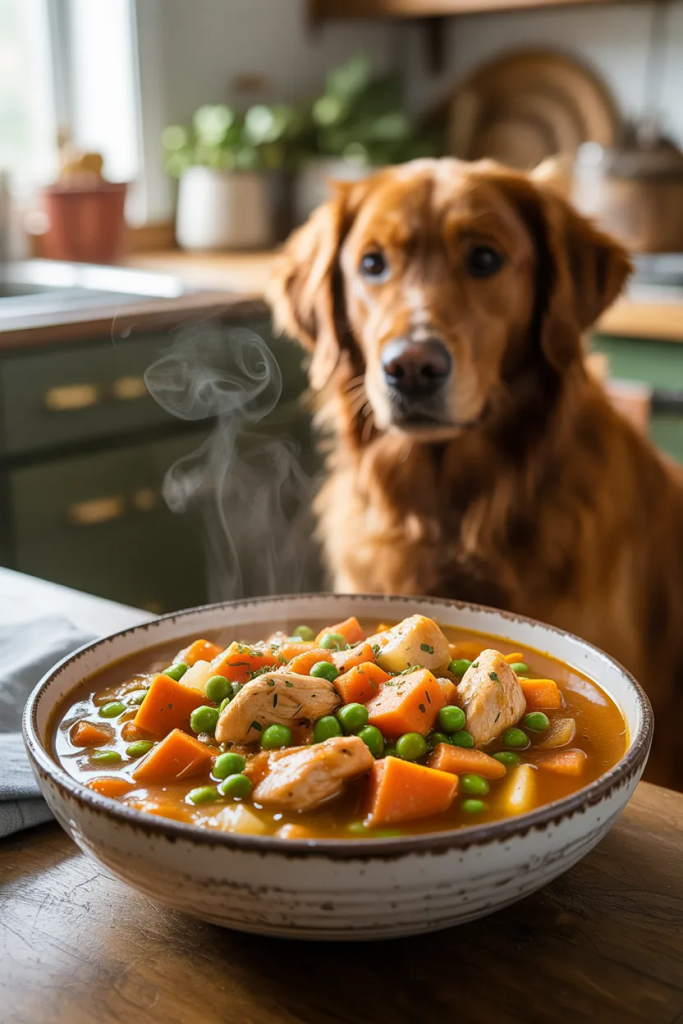
This is one of the first homemade meals I made for my dog, and it instantly became a favorite. The soft texture works especially well for older dogs or pups with sensitive stomachs.
Chicken provides lean protein while sweet potatoes add fiber, vitamin A, and slow-digesting carbs that help keep dogs full longer.
Ingredients
- 2 boneless chicken breasts
- 1 large sweet potato
- 1 cup carrots
- 1 cup peas
- 4 cups low-sodium chicken broth
- 1 tablespoon olive oil
Instructions
- Dice the chicken and cook it in olive oil over medium heat.
- Chop the vegetables into small pieces.
- Add vegetables and broth to the pot.
- Simmer for 25–30 minutes until everything softens.
- Let it cool completely before serving.
Pro Tip
I usually make a double batch and freeze portions in airtight containers for busy days.
2. Beef and Pumpkin Recipe
Whenever my dog has mild digestion issues, pumpkin is the ingredient I reach for first. Plain pumpkin puree contains fiber that can help regulate digestion naturally.
The combination of beef and pumpkin creates a rich, filling meal that picky eaters usually love.
Ingredients
- 1 pound lean ground beef
- 1 cup plain pumpkin puree
- 1 cup diced carrots
- 1/2 cup peas
- 1/4 cup beef broth
Instructions
- Brown the beef in a skillet.
- Add carrots and peas.
- Stir in pumpkin puree and broth.
- Cook for another 8–10 minutes.
- Cool before serving.
Common Mistake to Avoid
Never use pumpkin pie filling because it often contains sugar and spices that are unsafe for dogs.
3. Turkey and Cauliflower Mash
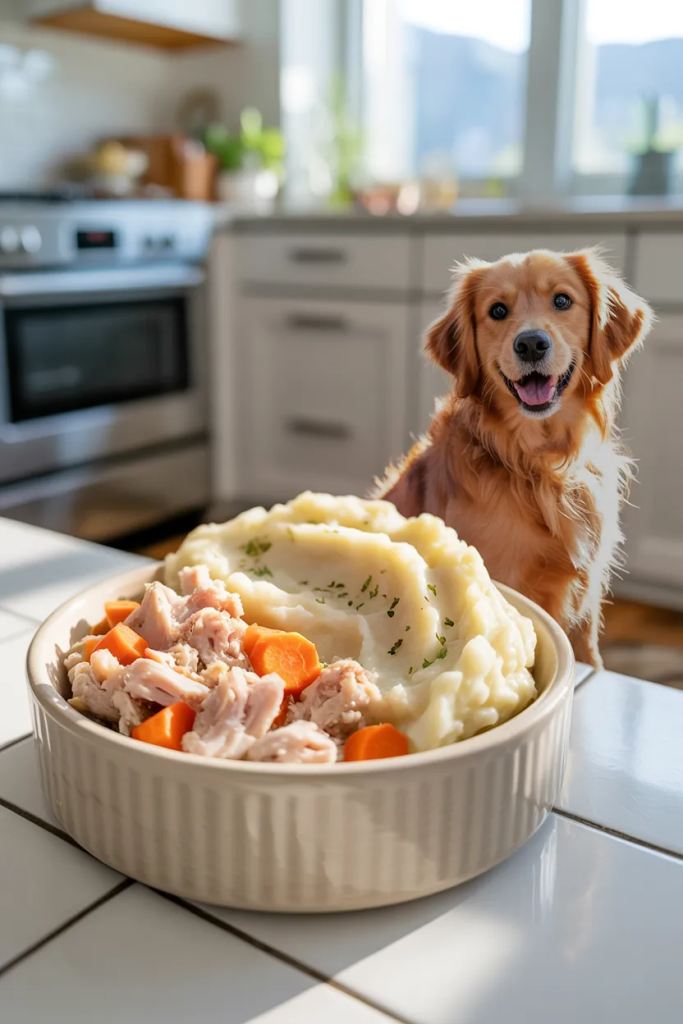
This recipe works great for dogs that need lower-carb meals. The cauliflower creates a creamy texture without relying on grains or potatoes.
I started making this when my vet recommended reducing heavier carbs in my dog’s diet.
Ingredients
- 1 pound ground turkey
- 2 cups cauliflower florets
- 1/2 cup chopped carrots
- 1/4 cup chicken broth
- 1 tablespoon olive oil
Instructions
- Steam cauliflower until soft.
- Cook turkey in olive oil until browned.
- Add carrots and cook until tender.
- Blend cauliflower into a mash.
- Mix everything together with broth.
Why It Works
Turkey is easier for many dogs to digest compared to fattier meats, especially senior dogs.
4. Salmon and Spinach Delight
This recipe helped improve my dog’s dry skin during winter. Salmon contains omega-3 fatty acids that support skin, joints, and coat health.
According to the American Kennel Club, omega-3-rich foods may also help reduce inflammation in dogs.
Ingredients
- 1 can salmon in water
- 2 cups spinach
- 1/2 cup chopped carrots
- 1 tablespoon olive oil
Instructions
- Heat olive oil in a pan.
- Cook carrots for 3–4 minutes.
- Add spinach until wilted.
- Stir in salmon and mix well.
- Allow to cool before serving.
Pro Tip
Check canned salmon carefully for large bones before mixing it into your dog’s meal.
5. Quinoa and Veggie Bowl
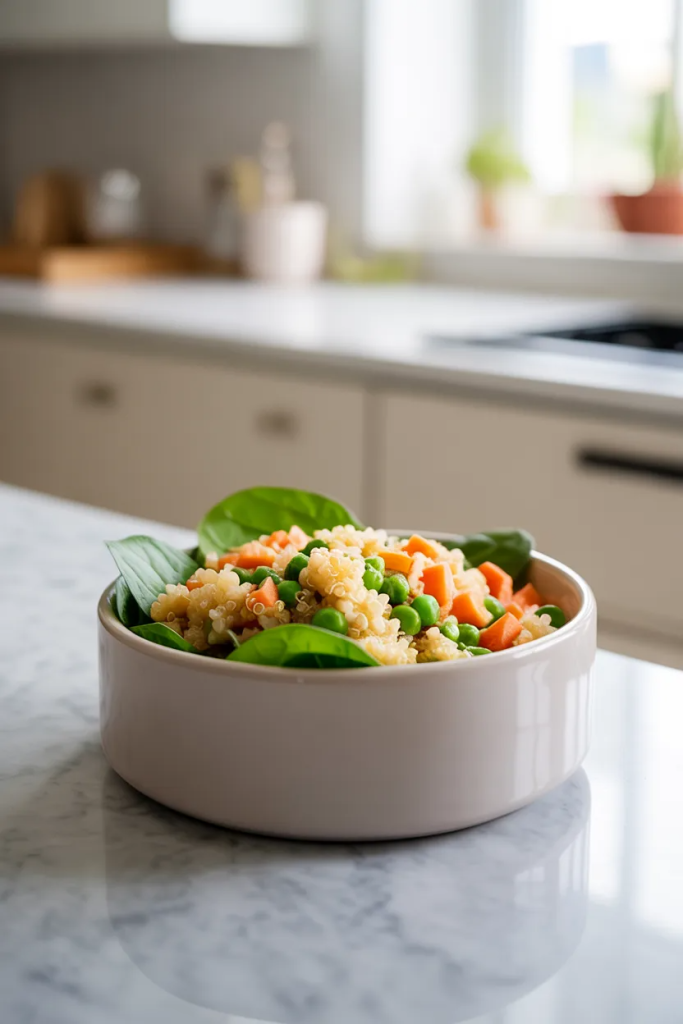
I was skeptical about quinoa at first, but it turned out to be a great addition for dogs needing extra fiber and plant-based nutrients.
This bowl is light, filling, and surprisingly budget-friendly.
Ingredients
- 1 cup quinoa
- 1 cup chopped spinach
- 1/2 cup diced carrots
- 1/2 cup peas
- 2 cups water
Instructions
- Rinse quinoa thoroughly.
- Cook it in boiling water for about 15 minutes.
- Add vegetables during the last few minutes.
- Let everything cool completely.
Helpful Note
Quinoa is naturally gluten-free, making it useful for dogs with grain sensitivities.
6. Lamb and Brown Rice Medley
Some dogs react better to lamb than chicken or beef. I noticed fewer stomach issues after rotating lamb into my dog’s meals once a week.
Brown rice adds gentle carbohydrates and helps make the meal more satisfying.
Ingredients
- 1 pound ground lamb
- 1 cup brown rice
- 1 cup spinach
- 1 cup carrots
- 2 cups water
Instructions
- Cook brown rice according to package instructions.
- Brown the lamb in a skillet.
- Add spinach and carrots.
- Combine with cooked rice.
- Cool before serving.
Common Mistake to Avoid
Avoid adding seasoning, garlic, or onions when cooking for dogs.
7. Chicken and Carrot Biscuit Treats
Store-bought treats can contain preservatives and artificial flavors that many dogs don’t need. These homemade biscuits are simple, crunchy, and affordable.
I use these mostly for training rewards.
Ingredients
- 1 cup shredded cooked chicken
- 1/2 cup grated carrots
- 1 egg
- 2 cups oat flour
- 1/4 cup chicken broth
Instructions
- Preheat oven to 350°F.
- Mix all ingredients into dough.
- Roll out and cut into shapes.
- Bake for 25 minutes.
- Cool completely before serving.
Storage Tip
Keep these in an airtight container for up to 10 days.
8. Peanut Butter and Banana Chews
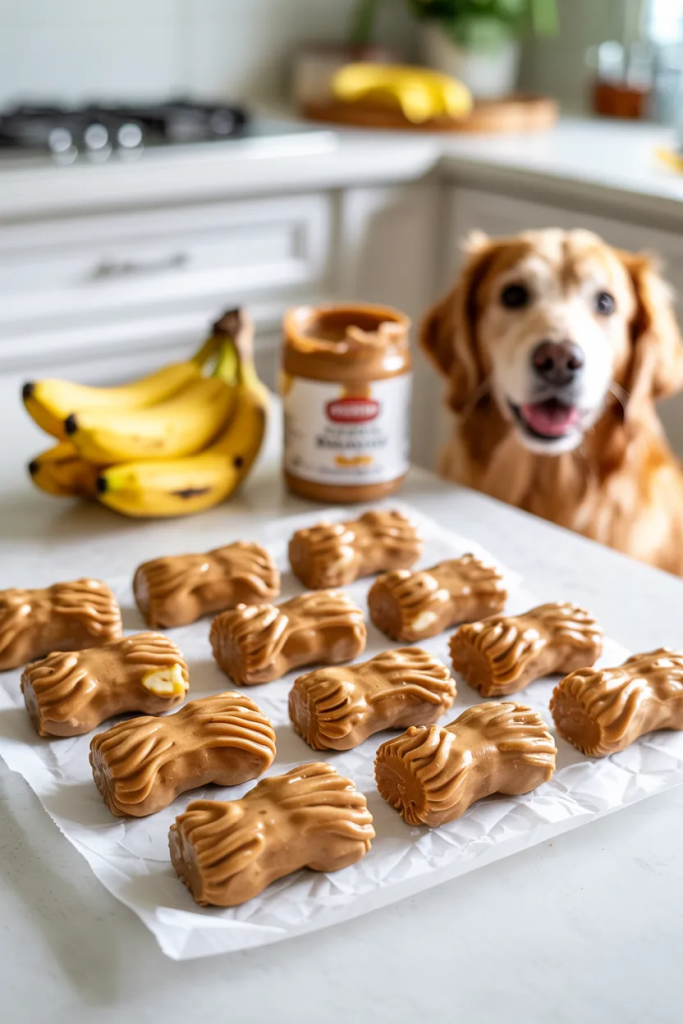
This is probably the easiest homemade dog treat on the list. Most dogs go crazy for peanut butter, and bananas add natural sweetness without refined sugar.
Ingredients
- 1 cup unsweetened peanut butter
- 1 ripe banana
- 1 cup oat flour
- Water if needed
Instructions
- Mix peanut butter, banana, and oat flour.
- Add a splash of water if dough feels dry.
- Shape into small treats.
- Bake at 350°F for 15 minutes.
Important Safety Tip
Always check peanut butter labels for xylitol, which is toxic to dogs.
9. Sweet Potato and Green Bean Crunchies
I started making these after spending way too much money on packaged dog chews. They’re crunchy, low-cost, and surprisingly easy.
They also work well for dogs on lower-fat diets.
Ingredients
- 1 large sweet potato
- 1 cup green beans
- 1 tablespoon coconut oil
Instructions
- Slice sweet potatoes thinly.
- Toss vegetables with coconut oil.
- Bake at 250°F for about 30 minutes.
- Cool completely before serving.
Pro Tip
For extra crunch, leave them in the oven with the heat turned off for another 20 minutes.
10. Apple and Oat Dog Treats
These are perfect when I want a quick homemade snack without meat. Apples provide natural sweetness while oats support digestion.
My dog especially likes these slightly warm right after baking.
Ingredients
- 1 cup grated apple
- 2 cups rolled oats
- 1 egg
- 1/4 cup water
Instructions
- Mix all ingredients in a bowl.
- Form small balls and flatten slightly.
- Bake at 350°F for 25 minutes.
- Cool before serving.
Common Mistake to Avoid
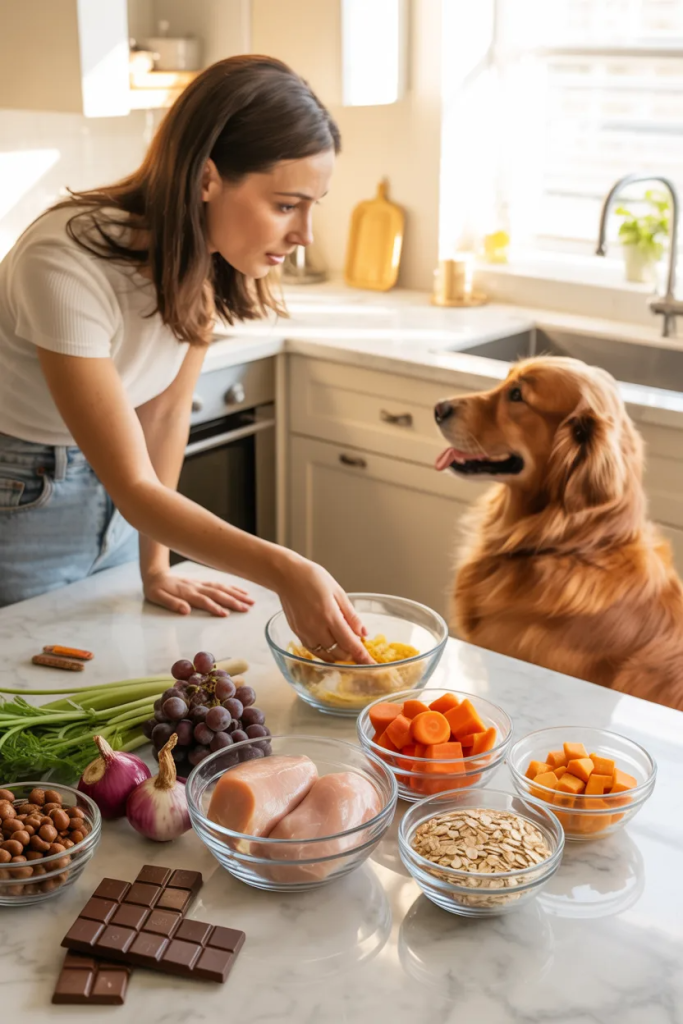
A concerned dog owner in a kitchen accidentally reaching for unsafe ingredients like onions, chocolate, grapes, and heavily seasoned food while preparing homemade dog food, healthy dog-safe ingredients like chicken, carrots, pumpkin, and oats placed separately on the counter, curious dog watching nearby, realistic lifestyle photography, bright kitchen lighting, educational Pinterest-style composition, highly detailed, clear contrast between safe and unsafe foods, warm natural colors
Homemade Dog Food Safety Tips
Making healthy dog food recipes at home can be incredibly rewarding, but balance matters. Dogs need protein, healthy fats, vitamins, and minerals in proper amounts.
A few things I always follow:
- Introduce new foods slowly
- Store meals in the refrigerator for no longer than 3–4 days
- Freeze extra portions immediately
- Avoid excessive salt and seasoning
- Talk with your vet before changing your dog’s full diet
If your dog has allergies, kidney disease, or other medical conditions, customized nutrition advice is important.
Conclusion
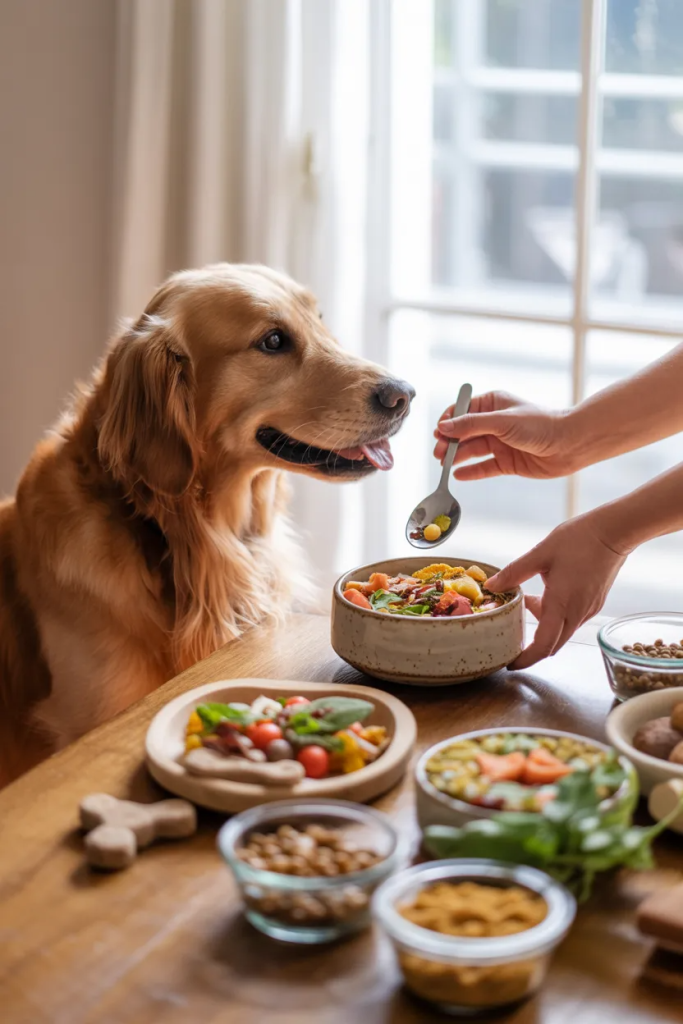
Switching to homemade meals completely changed how I think about feeding my dog. I noticed better digestion, healthier skin, and much more excitement around mealtime.
The good news is you don’t need fancy ingredients or complicated cooking skills to make healthy dog food recipes at home. Simple proteins, vegetables, and wholesome ingredients can go a long way toward supporting your dog’s health.
Start with one recipe, see what your dog enjoys most, and build a rotation from there. Homemade meals can be one of the easiest ways to give your dog fresher, more nourishing food every day.
Frequently Asked Questions
Can dogs eat homemade food every day?
Yes, but meals should be balanced properly with enough protein, healthy fats, vitamins, and minerals.
How long does homemade dog food last?
Most homemade dog meals stay fresh for 3–4 days in the refrigerator or up to 3 months in the freezer.
Is grain-free homemade dog food better?
Not always. Some dogs do well with grains like brown rice or oats, while others may benefit from grain-free recipes.
What foods should never be added to dog food?
Avoid onions, garlic, grapes, raisins, chocolate, xylitol, and heavily seasoned foods.
Can puppies eat these recipes?
Puppies have different nutritional needs, so it’s best to check with your veterinarian before feeding homemade meals regularly.


