
11 Homemade Dental Chew Recipes for Fresh Dog Breath (From My Own Kitchen Routine)
Written By:

When I first noticed my dog’s breath turning unpleasant, I honestly thought it was just “dog smell” getting worse with age. But one short car ride later, when he leaned in too close, I realized it was something I couldn’t ignore anymore.
A vet check confirmed early plaque buildup, nothing severe—but enough to change how I handled his daily treats.
That’s when I started experimenting with homemade dog dental chews. What surprised me most wasn’t just the improvement in his breath, but how simple ingredients from my kitchen made a real difference in his chewing habits and oral routine.
Quick Summary
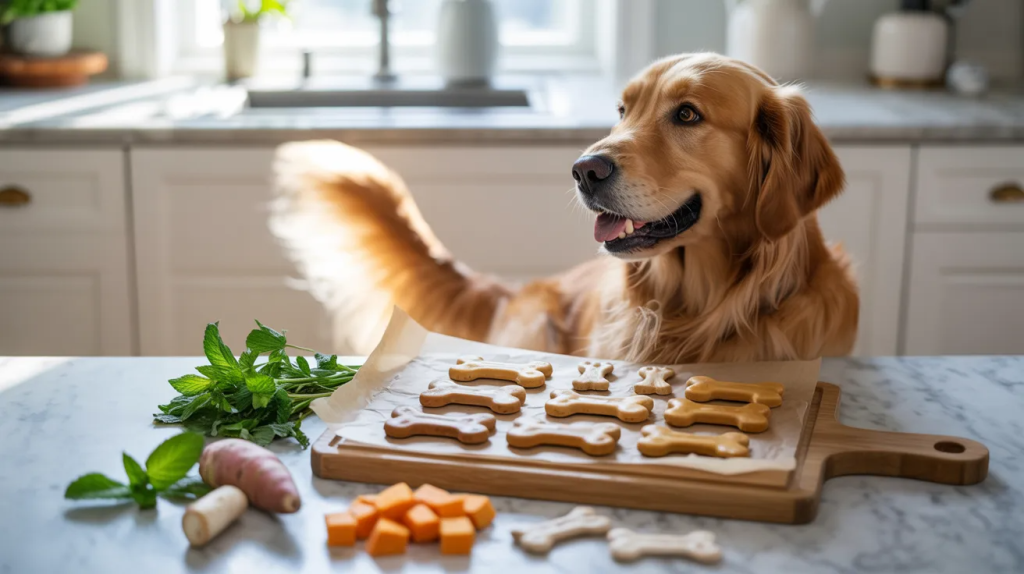
Homemade dental chews can help support fresher breath and better oral hygiene using natural, dog-safe ingredients like parsley, mint, pumpkin, and sweet potato. They work mainly through chewing action and texture, not magic ingredients.
Key Takeaways
Why Homemade Dental Chews Work
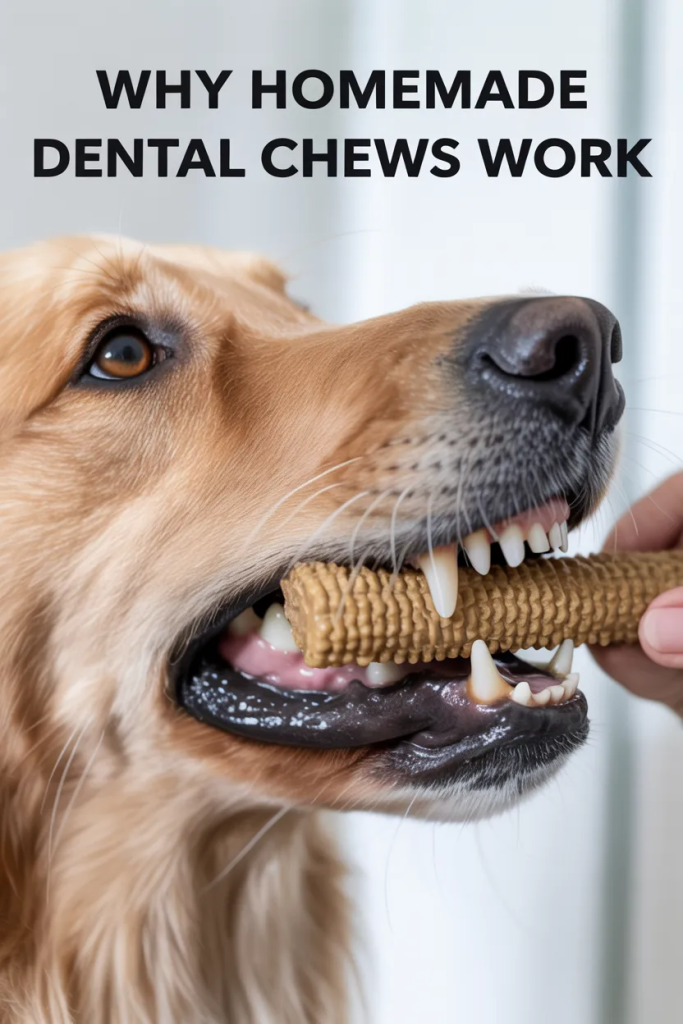
From my experience, the biggest difference between homemade and store-bought dental chews is control. I know exactly what goes into each batch, and I can adjust texture based on how my dog chews.
Dental health in dogs is mostly about reducing plaque before it hardens into tartar. Chewing creates natural scraping action along the teeth, especially the back molars where buildup usually starts first.
I also noticed something simple but important: when treats are more satisfying to chew, my dog spends more time working on them instead of swallowing them instantly.
Quick Recipe Comparison
I like to think of these recipes as different tools, not one-size-fits-all solutions.
| Recipe | Texture | Best For | Prep Time |
|---|---|---|---|
| Mint Parsley Crunch Sticks | Crunchy | Fresh breath | 20 mins |
| Pumpkin Coconut Chews | Soft chewy | Sensitive stomach | 25 mins |
| Frozen Yogurt Mint Bones | Frozen | Summer cooling | 10 mins |
| Sweet Potato Strips | Firm chewy | Strong chewers | 2 hrs |
| Oat & Herb Biscuits | Crunchy | Daily use | 25 mins |
Each one fits a different need depending on age, chewing style, and even weather.
1. Mint Parsley Crunch Sticks
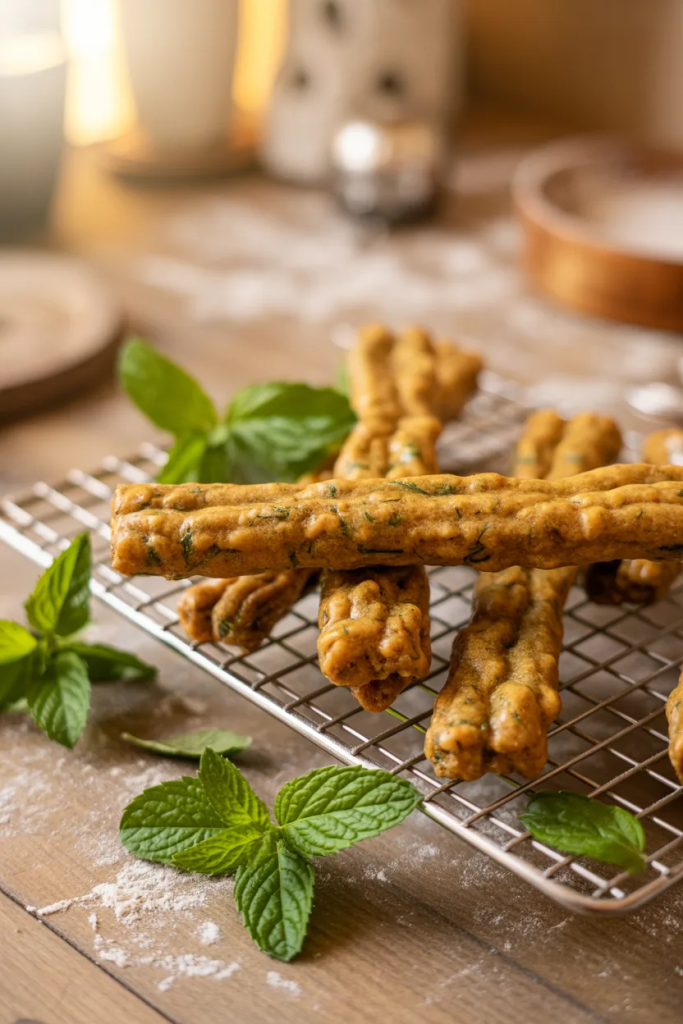
This is the recipe I still make the most often because it keeps well and smells fresh straight out of the oven.
I’ve found that thinner sticks work better than thick ones because they get crunchier and last longer during chewing.
What I learned:
- Crunch matters more than size
- Herbs should be finely chopped so they distribute evenly
- Overbaking slightly improves dental effect (more texture friction)
Best for dogs with mild bad breath or those transitioning from soft treats.
2. Pumpkin Coconut Chews
These came out softer than I expected the first time, but that turned out to be a good thing. My dog prefers them after meals when he’s not in “hard chewing mode.”
Pumpkin adds fiber, which I noticed helps with digestion too, while coconut gives a mild structure without making the treat too hard on teeth.
Common mistake:
People often overbake these and make them too dry. They’re meant to stay slightly chewy.
3. Frozen Yogurt Mint Bones
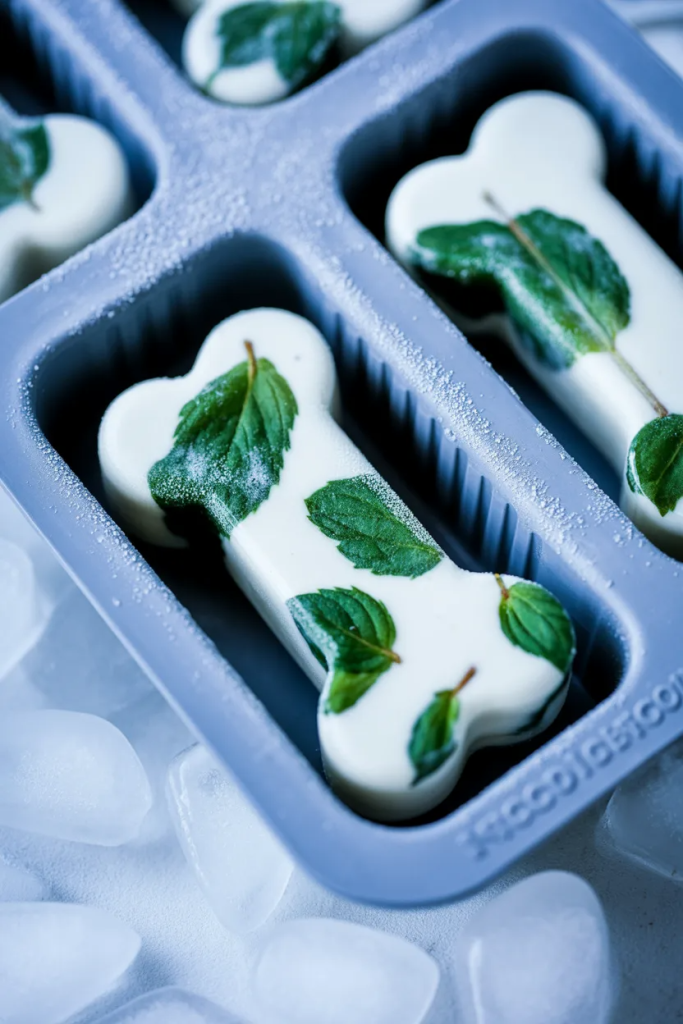
This one is almost too easy to call a recipe, but it’s one of the most useful during hot weather.
I usually blend everything and freeze it in silicone molds. My dog now recognizes the freezer sound and shows up instantly.
Pro tip:
Use small molds. Large frozen treats take too long to finish and lose interest halfway.
4. Sweet Potato Dental Strips
These take longer to prepare but are worth it if you have a strong chewer.
Slow baking turns sweet potatoes into naturally chewy strips that keep dogs busy for a while. I noticed this helps reduce random chewing on furniture too.
Tip from experience:
Slice them evenly. Uneven thickness leads to some burning while others stay soft.
5. Oat & Parsley Biscuits
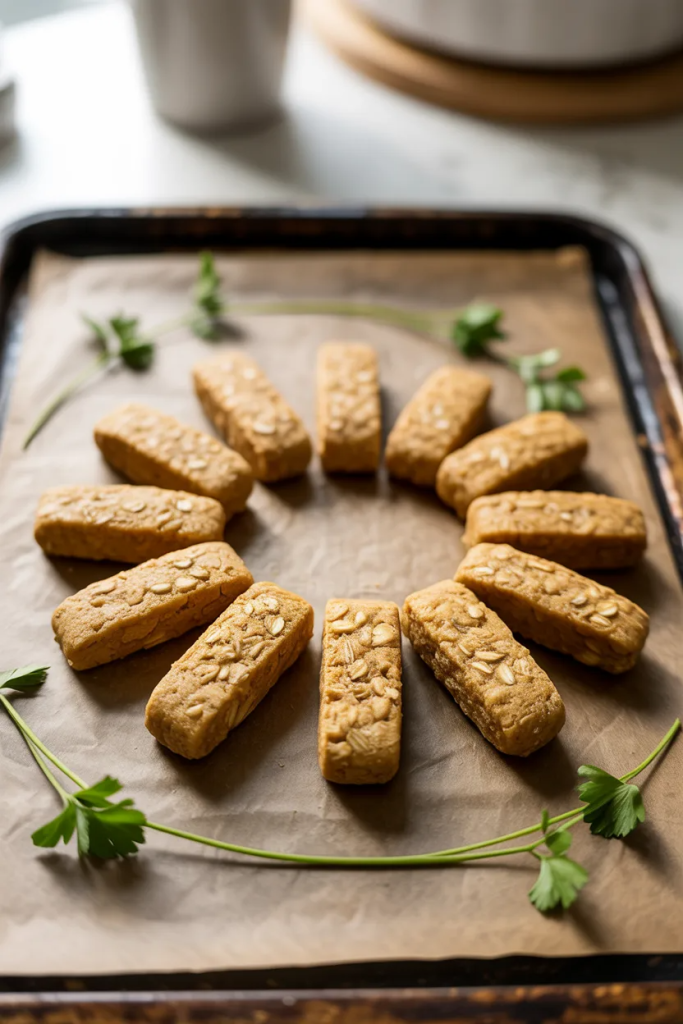
This is my “backup” recipe when I want something simple and predictable.
Nothing fancy here—just a clean crunch that works well as a daily treat. I often use these as training rewards too.
Mistake to avoid:
Rolling dough too thick. Thick biscuits don’t provide the same dental scraping effect.
6. Carrot Apple Crunch Bites
These smell surprisingly good while baking, almost like something I’d eat myself.
Carrots add natural crunch, which helps lightly clean teeth during chewing. Apples add sweetness that keeps dogs interested without needing additives.
I’ve noticed these work best for smaller breeds or light chewers.
7. Peanut Butter Dental Rings
These are a hit in my home every single time. The smell alone gets immediate attention.
But I learned early on that not all peanut butter is safe—xylitol-free is absolutely non-negotiable.
Pro tip:
Make rings thin so they bake evenly. Thick ones stay soft in the center.
8. Frozen Parsley Coconut Cubes
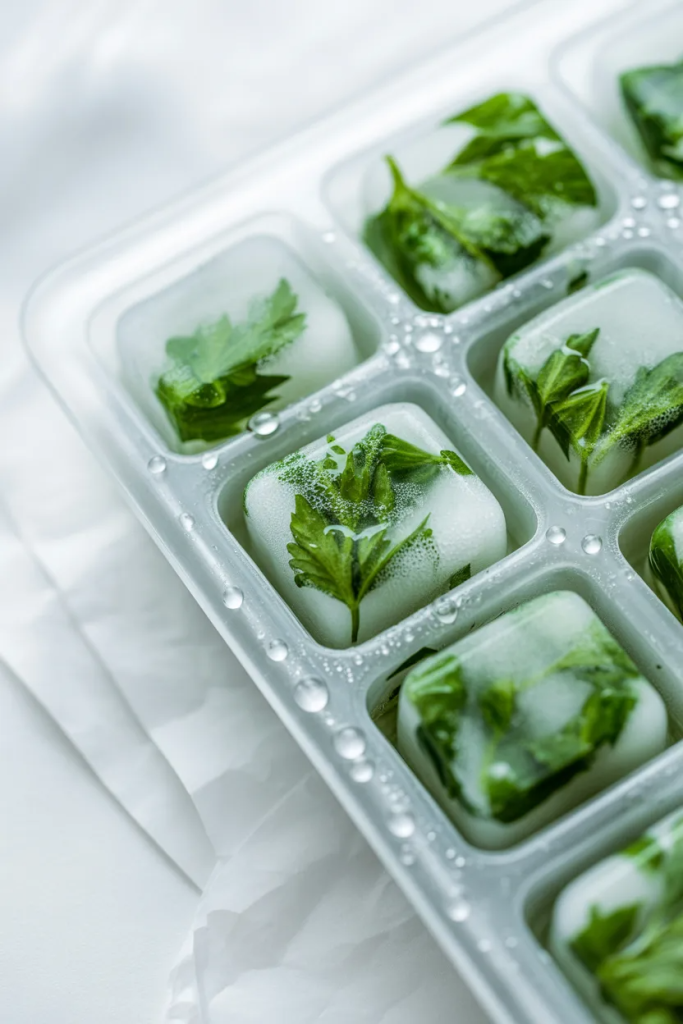
This is my fastest “fresh breath fix” option.
I just mix ingredients with water and freeze them into cubes. It’s not a full chew, but it helps refresh breath quickly after meals.
Perfect for summer routines or quick cooling snacks.
9. Turkey Dental Meatballs
This recipe helped when my dog started rejecting vegetable-heavy treats.
Adding lean turkey made everything more appealing while still keeping parsley for breath support.
Key insight:
Protein-based treats tend to get eaten faster, so portion control matters here.
10. Apple Cinnamon Crunch Biscuits
These are slightly different because of the cinnamon, which adds a warm aroma while baking.
I use a very small amount since dogs don’t need strong spice exposure. The result is a crisp biscuit that stores well for several days.
11. Spinach Herb Dental Chews
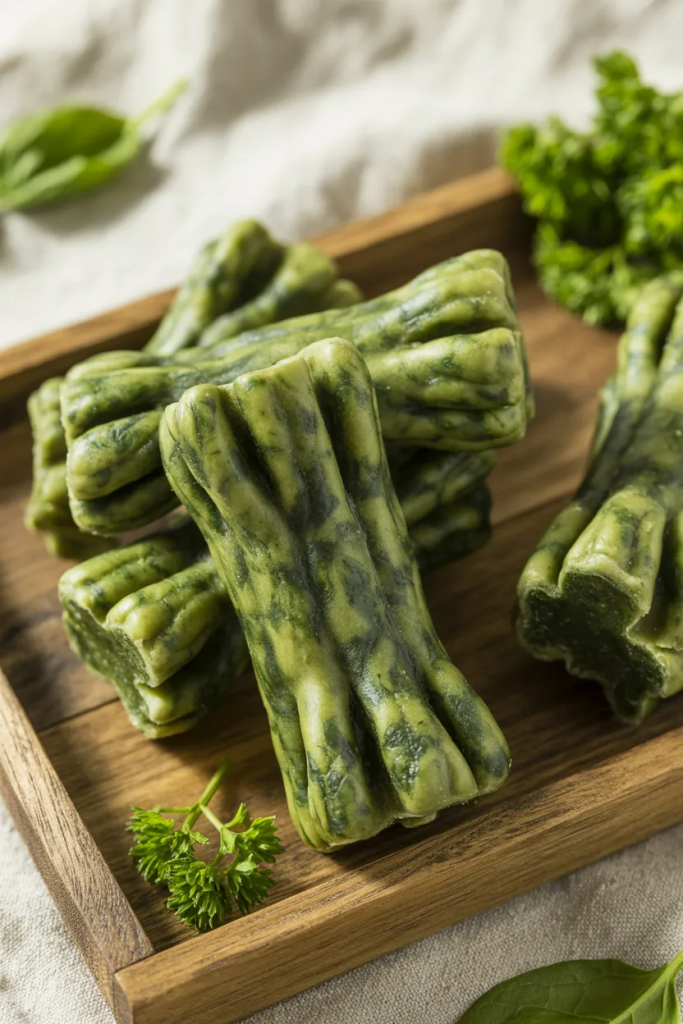
These are probably the healthiest-looking treats I make—very green and very noticeable.
My dog was unsure at first, but after a few tries, they became part of his rotation.
Spinach and parsley together seem to work well for freshness support while oat flour gives structure.
Ingredients That Actually Help Dog Breath
After trying multiple combinations, I noticed a few ingredients consistently show better results:
Parsley is the most noticeable. It helps reduce odor and adds freshness when used regularly. Mint also works well in small amounts, especially in frozen treats.
Coconut oil adds texture and mild oral support. But the biggest factor is still chewing time—longer chewing equals better cleaning action.
Ingredients to Avoid in Homemade Dental Chews
I made mistakes early on by assuming “natural” always means safe.
Some ingredients that must be avoided:
- Onion and garlic
- Xylitol (extremely toxic)
- Chocolate or raisins
- Excess salt or sugar substitutes
Even small amounts of these can be dangerous for dogs.
Storage Tips
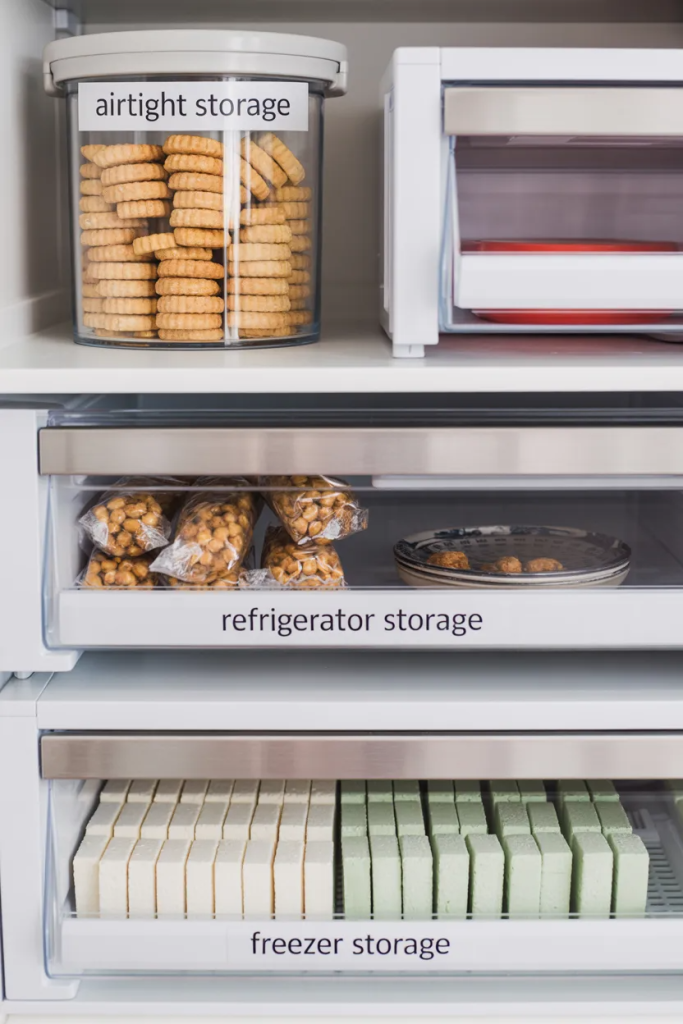
Homemade treats don’t last as long as commercial ones, so storage matters.
Crunchy biscuits last about a week in airtight containers. Chewy treats need refrigeration and should be used within a few days. Frozen treats are the most forgiving and can last months.
If anything smells off, I don’t take chances—I throw it away immediately.
Helpful Dental Products Worth Adding
Even with homemade treats, I noticed better results when combining them with basic dental care tools.
Products like enzymatic toothpaste, chew toys, and dental-focused rubber toys help extend the effect of homemade routines. I don’t rely on one method alone anymore.
Do Homemade Dental Chews Replace Brushing?
Short answer: no.
From experience, chewing helps reduce buildup, but brushing still does the heavy lifting when it comes to plaque control.
That said, not every dog tolerates brushing easily. In my case, homemade chews became a practical middle ground that actually fits into daily life.
Final Thoughts

What started as a simple fix for bad breath turned into a consistent routine I now rely on.
I didn’t expect homemade dental chews to become something my dog actually looks forward to, but that’s exactly what happened. The excitement when he hears baking trays or the freezer door says everything.
It’s not about perfection. It’s about small, consistent habits that improve comfort and health over time.
And in my experience, that’s what really makes the difference.


