
Is Your German Shepherd Mad at You? Signs, Reasons, and How to Fix It

If you feel like your German Shepherd is acting different, you may be wondering, Is Your German Shepherd Mad at You? This breed is very smart and very emotional. They notice changes in your behavior and can react when they feel ignored, hurt, or confused. Before trying to fix things, it helps to understand what your dog is showing you and why.
Signs Your German Shepherd Is Giving You the Cold Shoulder
German Shepherds are usually close to their people. When something is wrong, their behavior often changes in clear ways. These signs can help you understand their mood.
The Ultimate Silent Treatment
When a German Shepherd is upset, they may stop responding to you. They might avoid eye contact, not come when you call them, or walk away when you try to get close. This is unusual for a breed that normally wants to stay near its owner.
How to Fix It:
Give your dog some space and time to calm down. Do not force attention or affection. Let them approach you when they feel ready. Offering their favorite treats as positive reinforcement can also help rebuild the connection.
The Dramatic Sighs and Heavy Pouting
Some German Shepherds show their feelings through deep sighs, groans, or dramatic body language. They may lie down heavily and look disappointed while still making sure you notice them. This behavior often means they are upset but still want your attention.
How to Fix It:
Speak to your dog gently and calmly. Using a soft, caring voice can help them feel safe again. Spending time together, going for a walk, playing a game, or giving belly rubs can help lift their mood.
Ignoring Commands (Even Though They Know Them)
If your well-trained German Shepherd suddenly stops following commands, it may not be confusion. Sometimes they ignore commands when they feel upset or disconnected from you.
How to Fix It:
Pay attention to your tone when giving commands. Avoid sounding angry or frustrated. Focus on positive reinforcement instead of scolding. Short, fun training sessions and playtime can help rebuild trust.
Why Is Your German Shepherd Mad in the First Place?
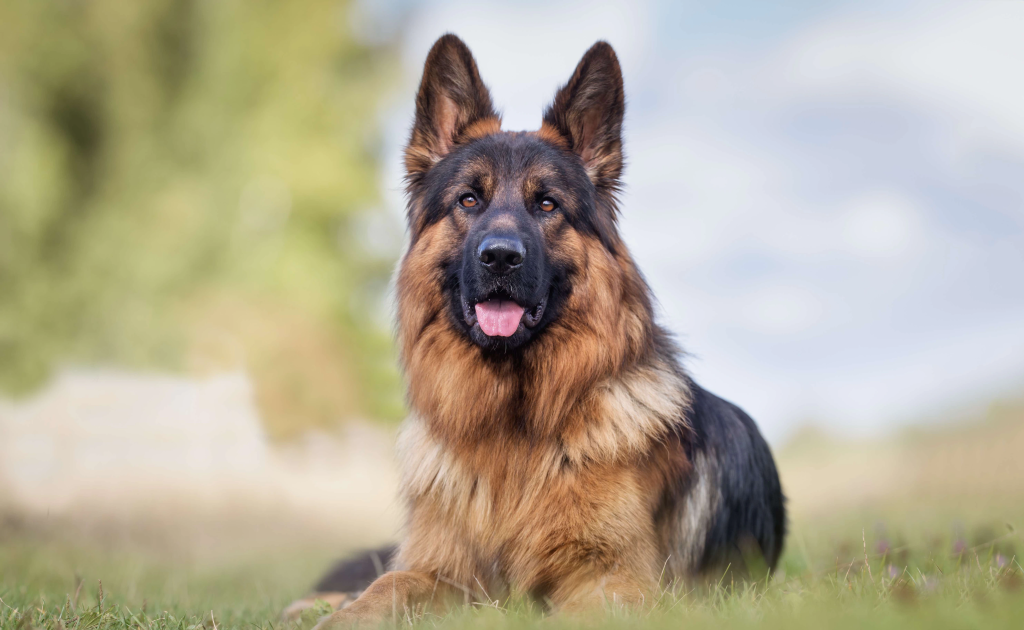
Once you notice the signs, the next step is understanding the reason. There are several common causes behind this behavior.
You Left Them Alone for Too Long
German Shepherds form strong bonds with their owners. Being left alone for long hours can make them feel lonely and upset. When you return, they may act distant because they missed you.
Solution:
Provide mental stimulation like puzzle toys or chew toys. If you are away all day, a dog walker can help. When you are home, spend quality time with your dog to make up for the time apart.
You Raised Your Voice or Scolded Them Harshly
This breed is very sensitive to tone. Yelling or harsh scolding can hurt their feelings and cause them to shut down emotionally.
Solution:
Correct behavior using a calm and firm voice. Focus on rewarding good behavior instead of only pointing out mistakes. Being kind again helps your dog feel safe and understood.
You Didn’t Give Them Enough Exercise
German Shepherds need both physical and mental activity. When they do not get enough exercise, frustration can build up. This may show as destructive behavior or a bad attitude.
Solution:
Increase daily exercise with long walks, fetch, or agility activities. Mental challenges like training, scent work, or puzzle toys are just as important. Make interactive play a daily habit.
You Gave Attention to Another Dog
German Shepherds can feel jealous. If they smell another dog on you or see you giving attention elsewhere, they may react by pulling away or acting cold.
Solution:
Reassure your dog with extra affection and attention. Giving them special time, treats, or cuddles helps remind them they are still important to you.
How to Get Back in Your German Shepherd’s Good Graces
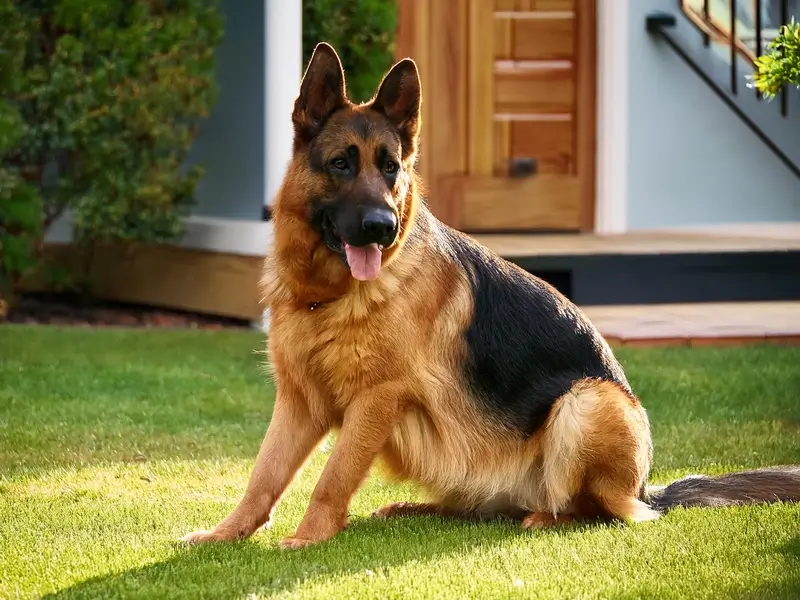
If you believe Is Your German Shepherd Mad at You, the good news is that trust can be rebuilt with patience and care.
Be Patient
Dogs need time to process emotions. Do not rush your dog to forgive you. Let them relax and come back to you naturally.
Speak Their Love Language
Every German Shepherd has preferences. Some love physical affection, others enjoy play or quiet time together. Pay attention to what makes your dog happiest and focus on that.
Stick to a Routine
German Shepherds feel secure with routines. Feeding times, walks, and play schedules should be consistent. Returning to a steady routine can help calm their emotions.
Apologize with Actions (and Treats!)
Kind actions speak louder than words. Treats, toys, and shared activities show your dog that things are okay again.
Be a Better Human
If your dog seems upset often, it may help to reflect on your behavior. Learning to read your dog’s signals, respecting their needs, and treating them with patience can strengthen your bond.
Final Thoughts
German Shepherds do not truly hold grudges, but they do have strong feelings. If you are asking yourself, Is Your German Shepherd Mad at You, it usually means something has affected their trust or routine. With patience, understanding, and positive actions, your dog will return to being the loyal and loving companion they are known to be.