

Beef Liver and Chicken for Cats – A Simple, Nutritious Homemade Meal
Written By:

Making fresh cat food at home helped me pay closer attention to what actually goes into my cat’s bowl. This Beef Liver and Chicken for Cats recipe keeps things simple with real meat, moisture-rich texture, and important nutrients cats need to thrive. I like that it uses lean chicken for protein and small amounts of beef liver for natural vitamins like A, B12, and iron without relying on fillers or artificial ingredients.

When I prepare this recipe, I focus on balance—not just meat. Cats need taurine, calcium, and proper portion control to stay healthy long term. This meal can be a smart homemade option when made carefully, portioned right, and approved by a veterinarian. It’s easy to batch cook, freezer-friendly, and a practical way to add fresh food to your cat’s routine.
Key Takeaways
Homemade Beef Liver and Chicken for Cats can provide high-quality protein, moisture, and essential nutrients when properly balanced.
Beef liver should stay around 10–20% of the recipe to avoid excess vitamin A.
Taurine and calcium are non-negotiable for homemade cat food safety.
Light cooking improves food safety while preserving strong nutritional value.
Proper storage, gradual diet changes, and veterinary guidance matter for long-term success.
What Makes This Recipe So Good
I like this recipe because it combines two nutrient-dense animal proteins cats naturally enjoy. Chicken offers complete protein for muscle support, while beef liver delivers concentrated vitamins and minerals in small but useful amounts.
One of the biggest benefits I’ve noticed with homemade meals is ingredient control. There are no mystery by-products, artificial preservatives, or unnecessary carbohydrates. Since cats are obligate carnivores, protein-rich meals often align better with their biological needs.
The soft texture and savory smell also tend to appeal to picky eaters. For many cat owners, that alone can make mealtime easier.
What You’ll Need
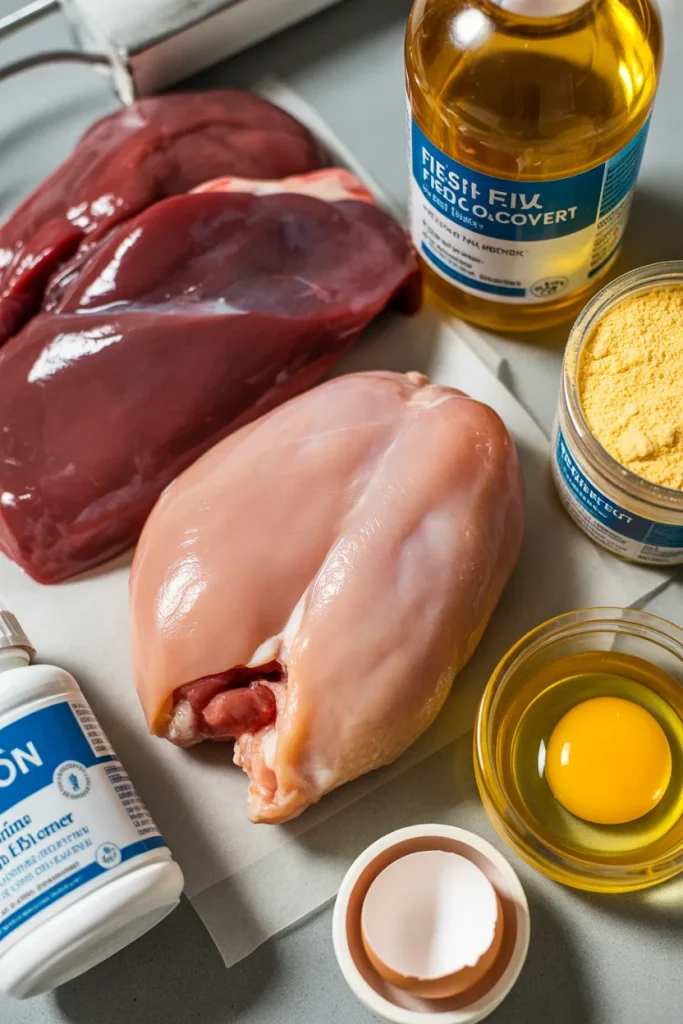
I keep this recipe straightforward with cat-safe basics that support both nutrition and safety.
Boneless chicken thigh usually works better than breast because it contains more fat, which supports flavor and energy. Beef liver should be limited but included for nutrient density. Water or plain broth helps maintain moisture, which may support hydration and urinary health.
I always prioritize taurine and calcium because homemade meat-only meals are incomplete without them. According to veterinary nutrition guidance, taurine deficiency can contribute to serious heart and eye issues in cats.
Optional add-ins like egg yolk or fish oil can support healthy skin, brain function, and coat quality.
Instructions
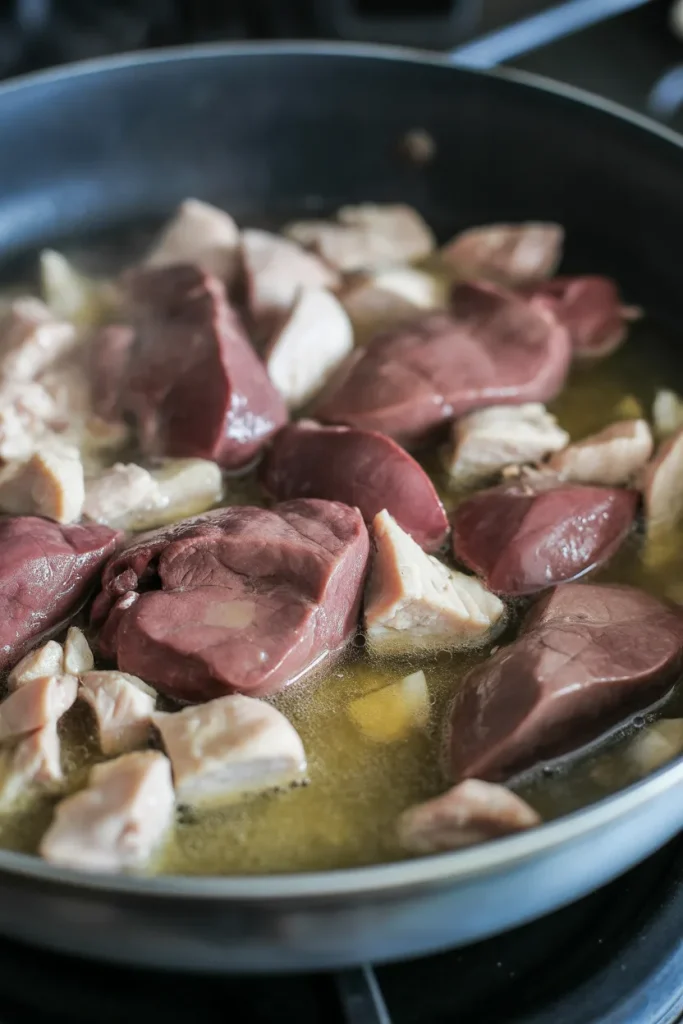
When I make this meal, gentle cooking is my priority. I avoid browning because excessive heat can reduce nutrient quality and create a texture some cats dislike.
I cook the chicken thoroughly to 165°F for food safety, then lightly cook the liver just until no longer raw. This approach lowers bacterial risk while helping preserve nutritional value.
Once cooled slightly, I mix in taurine, calcium, and optional supplements evenly. This step matters because nutritional gaps in homemade cat food often come from skipped supplementation—not the meat itself.
Portioning into daily servings makes feeding easier and reduces waste.
Pro Tip: I always use low heat and add supplements after cooling slightly so I protect key nutrients while keeping every portion balanced and safe.
Keeping It Fresh
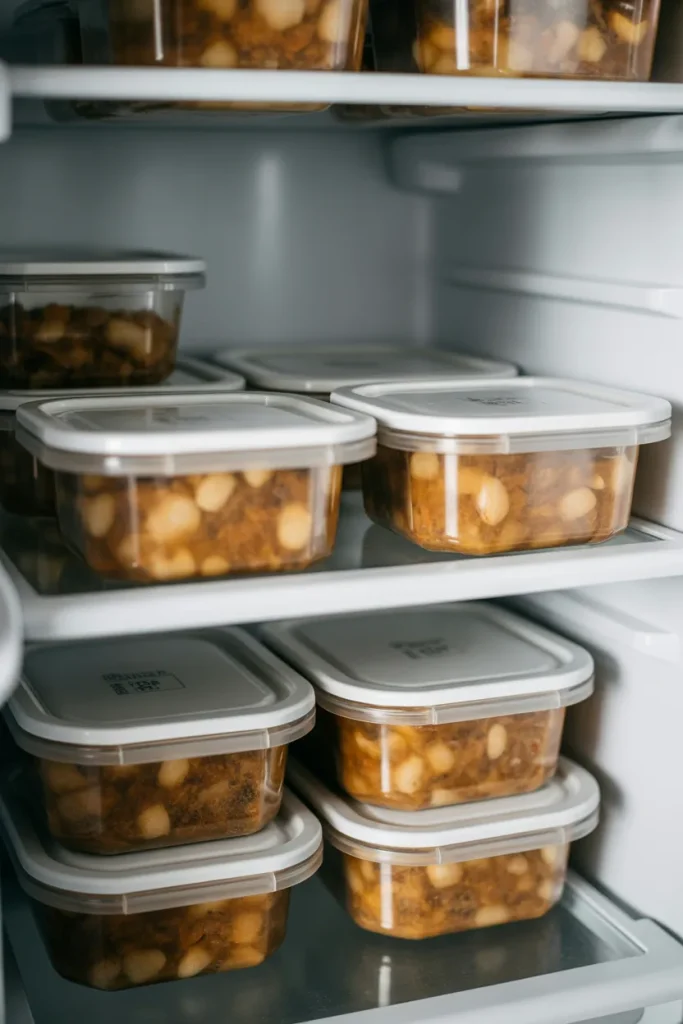
Fresh homemade cat food doesn’t contain preservatives, so storage matters a lot in my experience.
I refrigerate meals for up to 2–3 days and freeze extra portions for up to 3 months. Freezing in meal-sized containers saves time and keeps portions consistent.
Safe thawing in the refrigerator is important. I never leave meat on the counter because bacteria can multiply quickly at room temperature.
Health Benefits
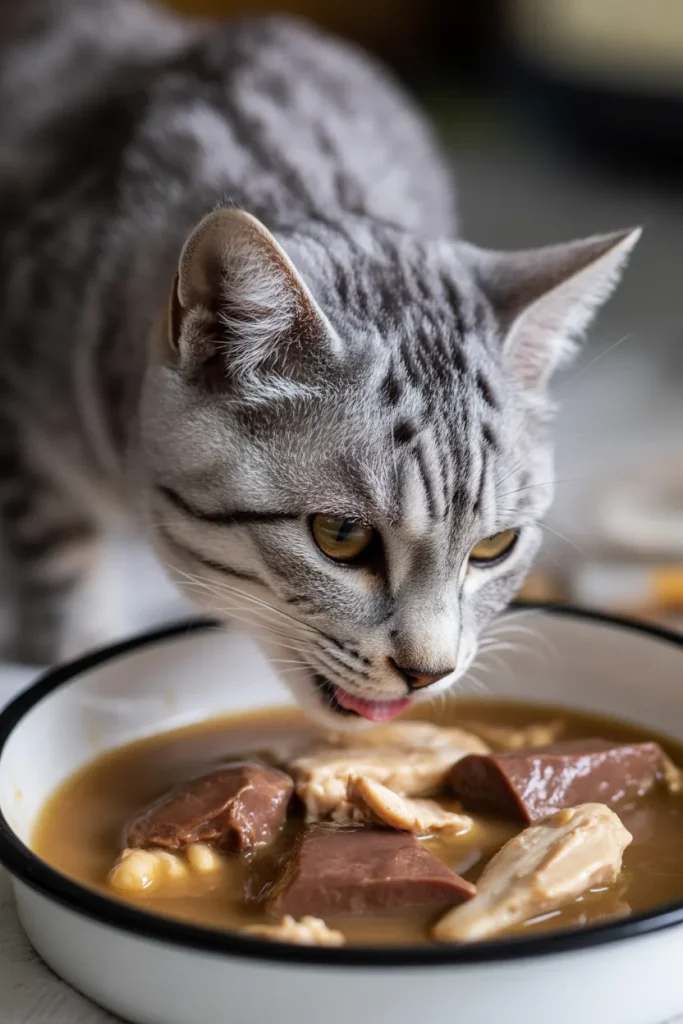
This recipe can offer several real nutritional advantages when prepared correctly.
Chicken supports lean muscle maintenance with complete amino acids. Beef liver adds iron, copper, folate, and vitamin A, which support metabolism and red blood cell health.
The added moisture may also benefit cats who naturally drink less water, which can be helpful for urinary tract support.
Taurine remains one of the biggest benefits when supplemented properly because cats cannot produce enough on their own. Research consistently links taurine deficiency to dilated cardiomyopathy and retinal degeneration.
Common Mistakes to Avoid
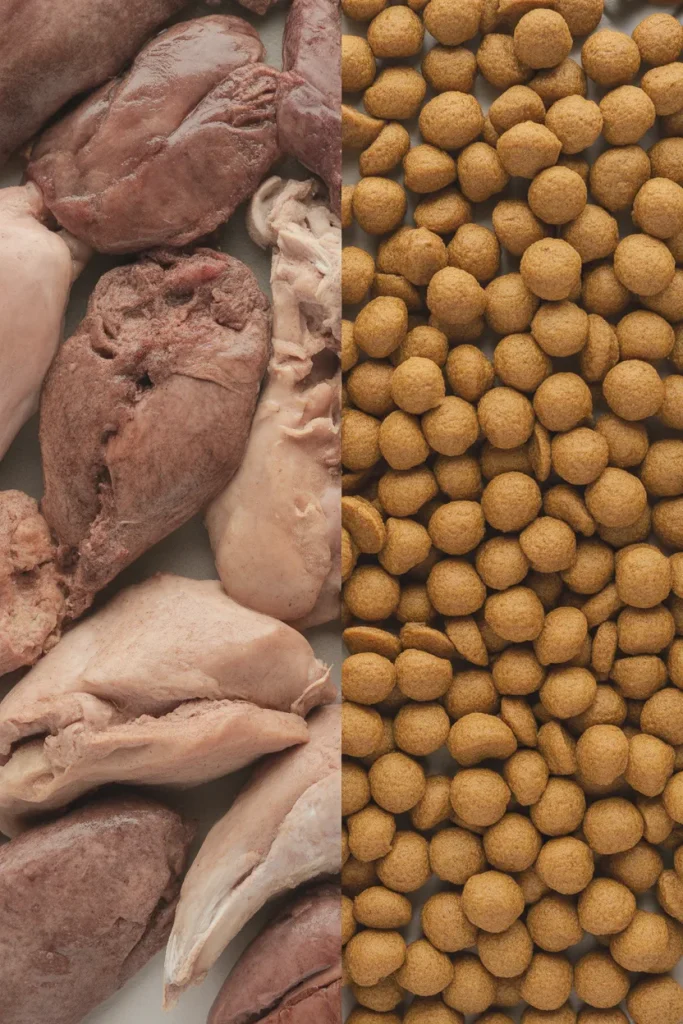
The most common mistake I see is assuming meat alone equals balanced nutrition. It doesn’t.
Too much liver can cause vitamin A toxicity over time, while too little calcium can create dangerous mineral imbalances. Homemade cat food without supplementation may lead to long-term nutritional deficiencies.
I also avoid seasoned broths completely. Ingredients like onion and garlic are toxic to cats, even in small amounts.
Gradual food transitions are another major factor. Sudden diet shifts can trigger digestive upset, especially in sensitive cats.
Variations You Can Try
I sometimes rotate proteins to keep meals interesting and potentially reduce food sensitivities.
Turkey thigh works similarly to chicken, while rabbit or duck may help some cats with specific protein intolerances.
For texture preferences, blending the mixture into a pâté can improve acceptance. Some cats strongly prefer smoother food, and small texture changes can make a big difference.
Any variation still needs taurine, calcium, and liver balance.
FAQ
Can I serve this raw?
I personally see lightly cooked as the safer option because raw diets carry bacterial risks like Salmonella or E. coli. Raw feeding can work for some owners, but it requires strict hygiene and veterinary oversight.
How much should I feed my cat?
Most adult cats eat roughly 2–4% of body weight daily, though age, activity, and metabolism all matter. Monitoring body condition is often more useful than relying only on ounces.
Is beef liver safe for cats?
Yes, but moderation matters. I keep liver controlled because overfeeding can create vitamin A overload.
Do I really need taurine and calcium?
Yes—these are essential. Without them, homemade cat food can become nutritionally incomplete.
What if my cat refuses it?
Warming food slightly often improves aroma. I’ve also found gradual mixing with current food over 5–7 days can improve acceptance.
In Conclusion
Making Beef Liver and Chicken for Cats at home can be a practical way to offer fresh, protein-focused nutrition while controlling ingredients more closely. I’ve found the key is balance: proper liver portions, taurine, calcium, safe cooking, and storage all matter more than simply using fresh meat.
Homemade cat food can absolutely be part of a healthy feeding plan, but precision matters. When I’m unsure, I always recommend checking with a veterinarian or veterinary nutritionist. Done right, this recipe can be a nutritious addition that supports both feline health and owner peace of mind.