

Beef and Sardine Cat Food – Protein-Rich, Simple, and Cat-Approved
Written By:

I like making homemade cat food when I want full control over what my cat eats. This beef and sardine recipe is one of my go-to meals because it is simple, protein-rich, and ready in under 30 minutes. It combines lean beef for steady energy with sardines for omega-3 fatty acids that support skin and coat health.
I also find it helpful for picky eaters because sardines naturally have a strong aroma that encourages cats to eat.
I can adjust the texture depending on my cat’s preference, from soft pâté to chunkier bites.
Beef and Sardine Cat Food

Beef and sardine cat food recipe packed with protein and omega-3s for healthy skin, coat, and energy. Easy homemade cat meal guide.
Ingredients
- 1 lb (450 g) lean ground beef (90–95% lean)
- 1 can sardines in water (3.75–4.4 oz), drained
- 1 large egg (optional, cooked)
- 1/4 cup pumpkin or carrot (cooked, finely chopped)
- 1/4 cup spinach or zucchini (cooked, finely chopped)
- 1 tbsp pumpkin puree (optional)
- 1–2 tsp fish oil (optional, if needed)
- 1/4 cup water or low-sodium, onion-free broth
- Taurine + feline multivitamin (vet-recommended dose)
Instructions
- Cook ground beef in a pan over medium heat until fully browned. Drain excess fat if needed
- Steam or lightly cook vegetables until soft.
- Drain sardines and mash them into a smooth texture.
- Cook egg fully (scrambled or boiled), then chop finely if using.
- Mix beef, sardines, vegetables, egg, and pumpkin puree in a large bowl.
- Add water or broth to create a moist, soft texture.
- Let mixture cool completely, then add taurine and vitamin supplements.
- Adjust texture (smooth pâté or chunky mix) based on your cat’s preference.
- Serve in small portions and introduce gradually over 3–5 days.
Key Takeaways
- I use beef for protein and energy support
- Sardines provide omega-3s for skin and coat health
- Taurine is essential in homemade cat food
- Proper storage keeps meals fresh for days or months
- Gradual food transition helps avoid digestive issues
What Makes This Special
I prefer this recipe because it balances nutrition and simplicity. Beef provides high-quality protein, while sardines add omega-3 fatty acids that help support skin health and reduce dryness. These fats are important for overall feline wellness.
It is also practical for weekly meal prep. I can make a larger batch and store portions, which saves time and keeps feeding consistent. The strong smell of sardines also helps when my cat becomes picky.
Ingredients
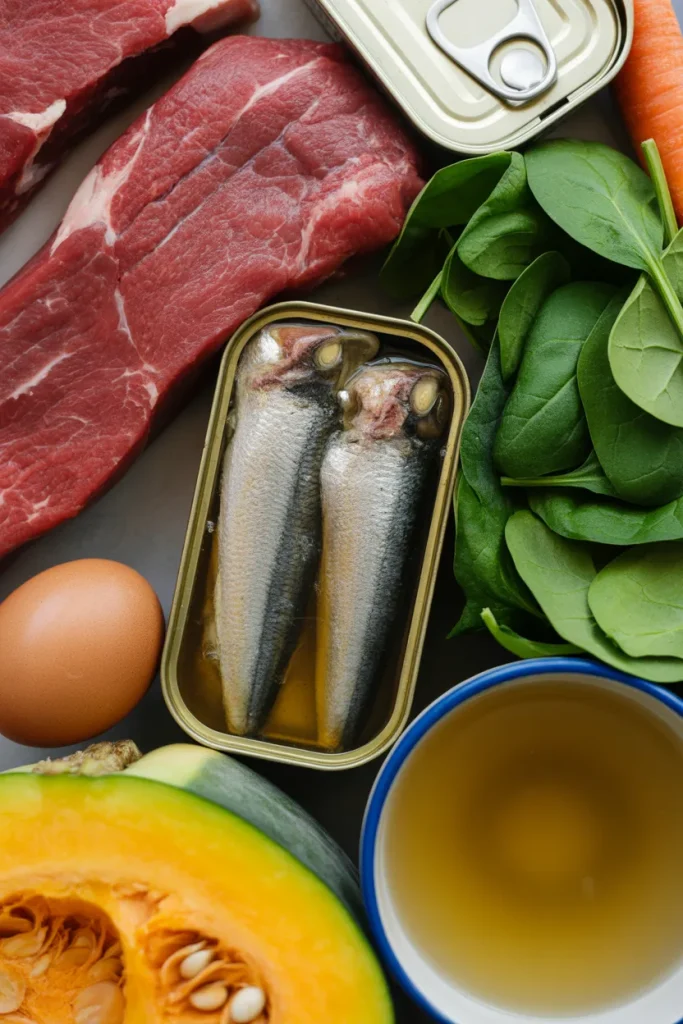
I keep the ingredients simple and cat-safe to avoid digestive issues.
- 1 lb lean ground beef (90–95% lean)
- 1 can sardines in water (drained, no salt)
- 1 egg (optional for extra protein)
- 1/4 cup cooked carrot or pumpkin
- 1/4 cup cooked spinach or zucchini
- 1 tbsp pumpkin puree (optional for fiber)
- 1–2 tsp fish oil (optional depending on sardines)
- 1/4 cup water or low-sodium broth (no onion/garlic)
- Taurine + feline multivitamin (vet-approved)
I always avoid seasoning, onions, garlic, and salt because they are harmful to cats.
Step-by-Step Instructions
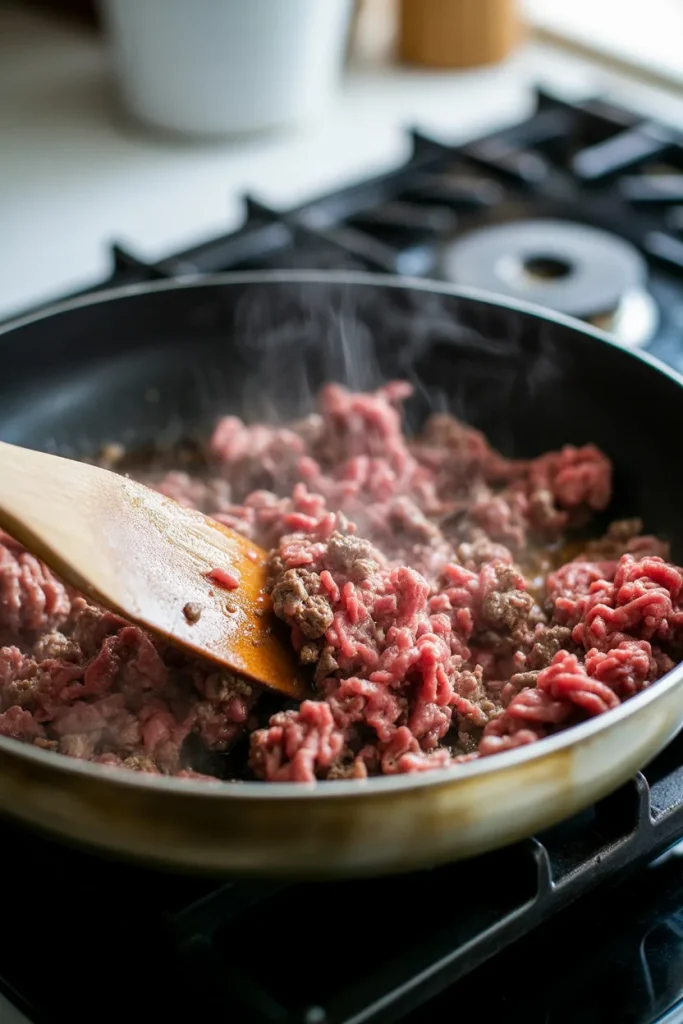
I follow a simple cooking process that keeps nutrients and flavor intact.
First, I cook the ground beef in a pan until it is fully browned. I drain excess fat if needed to keep it lean. Then I lightly steam the vegetables until soft, which makes them easier to digest.
Next, I drain and mash the sardines so they mix evenly. If I use eggs, I cook them fully before adding.
After that, I combine everything in a bowl and add water or broth to create a soft texture. Once the mixture cools, I stir in taurine and vitamin supplements.
Finally, I adjust texture depending on my cat’s preference—either smooth or slightly chunky.
How to Store
I store the food carefully to keep it fresh and safe.
- Refrigerator: 3–4 days in an airtight container
- Freezer: up to 2 months in small portions
- Thawing: overnight in the fridge
I never serve it hot. I usually bring it to room temperature before feeding.
Health Benefits
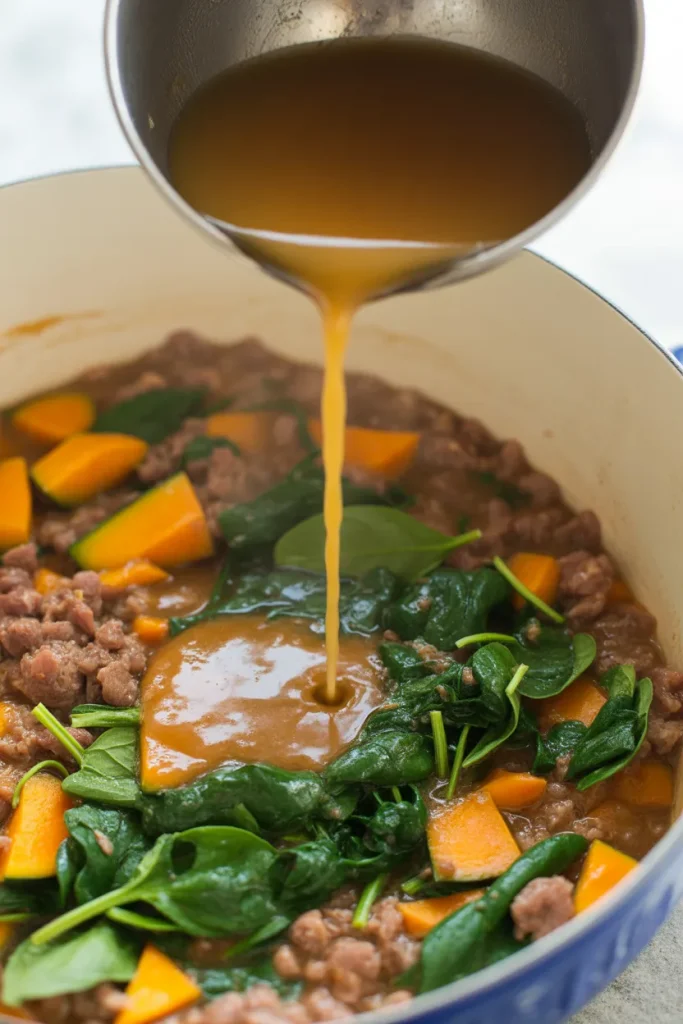
I like this recipe because it supports multiple areas of cat health.
Beef gives strong muscle-building protein and steady energy. Sardines provide omega-3 fatty acids that help with coat shine and joint health. Pumpkin and vegetables support digestion and stool quality.
I also make sure taurine is included because cats cannot produce enough on their own. Hydration improves when I add broth or water, which supports urinary health.
Common Mistakes to Avoid
I avoid a few key mistakes when preparing this food.
I never skip taurine because it is essential for heart and eye health. I also avoid onions, garlic, and spices since they are toxic to cats.
Too much fat can upset digestion, so I stick to lean beef. I also avoid serving cold food because it reduces appetite in picky cats. Lastly, I transition slowly when introducing new food.
Variations You Can Try
I sometimes change the recipe based on availability or my cat’s preference.
- Replace half beef with ground turkey for a lighter meal
- Add beef heart for extra taurine
- Use quail eggs for added nutrients
- Swap water with bone broth for better flavor
- Adjust texture between pâté and chunk style
These variations help keep meals interesting and balanced.
FAQ
Can I use sardines in oil?
Yes, but I drain them well and skip extra oil to avoid too much fat.
Is raw beef safe?
I prefer cooked beef for safety unless my vet recommends raw feeding.
How much should I feed?
Most cats eat about 2–4 oz per meal, depending on size and activity.
Do I still need taurine?
Yes. Cooking and ingredient variation can reduce taurine levels.
How long does it last?
About 3–4 days in the fridge or up to 2 months frozen.
Can kittens eat this?
Yes, but only with vet guidance for proper nutrient balance.
Wrapping Up
I find this beef and sardine cat food recipe practical, nutritious, and easy to maintain. It gives my cat high-quality protein, healthy fats, and moisture in one balanced meal.
When I prepare it in batches and store it properly, feeding becomes simple and consistent. I always watch my cat’s reaction and adjust texture or portions based on preference and health needs.
