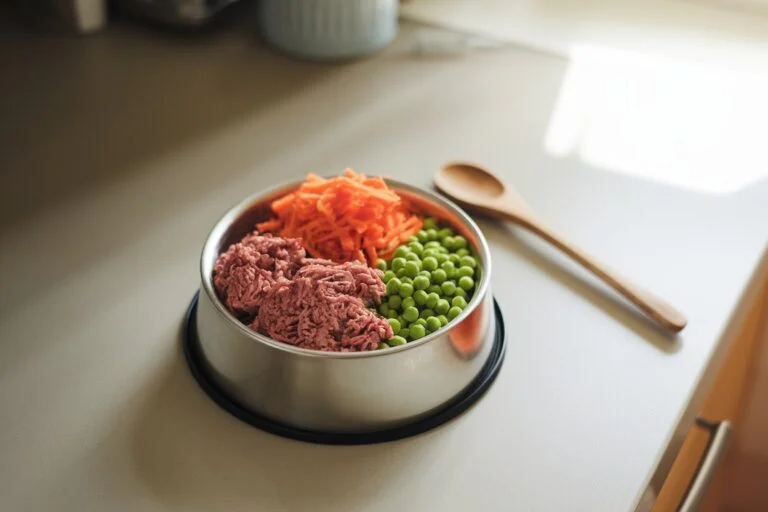

Ground Beef and Turkey Cat Food – A Simple, Protein-Rich Homemade Meal
Written By:

Making homemade cat food felt overwhelming to me at first, but this ground beef and turkey recipe made it realistic. It uses affordable ingredients, gives me full control over what goes into my cat’s bowl, and skips fillers often found in processed food. With the right taurine, calcium, and moisture balance, this meal can be a practical rotational option for cat owners who want fresher feeding.

Cats are obligate carnivores, which means protein is not optional—it’s essential. Animal-based protein supports muscle maintenance, organ health, and energy. This recipe focuses on that need while also addressing hydration, which matters because many cats naturally have a low thirst drive. When prepared carefully, homemade meals can improve ingredient transparency while still supporting nutritional goals.
Key Takeaways
- I use ground beef and turkey for high-quality animal protein cats biologically need
- Taurine and calcium are essential—meat alone is not nutritionally complete
- Moisture-rich meals may better support urinary tract health than dry-only diets
- Liver should stay limited to around 5–7% to avoid excess vitamin A
- Homemade cat food works best as rotational feeding unless a veterinary nutritionist confirms full balance
- Safe storage and gradual food transitions help reduce digestive issues
What Makes This Recipe So Good
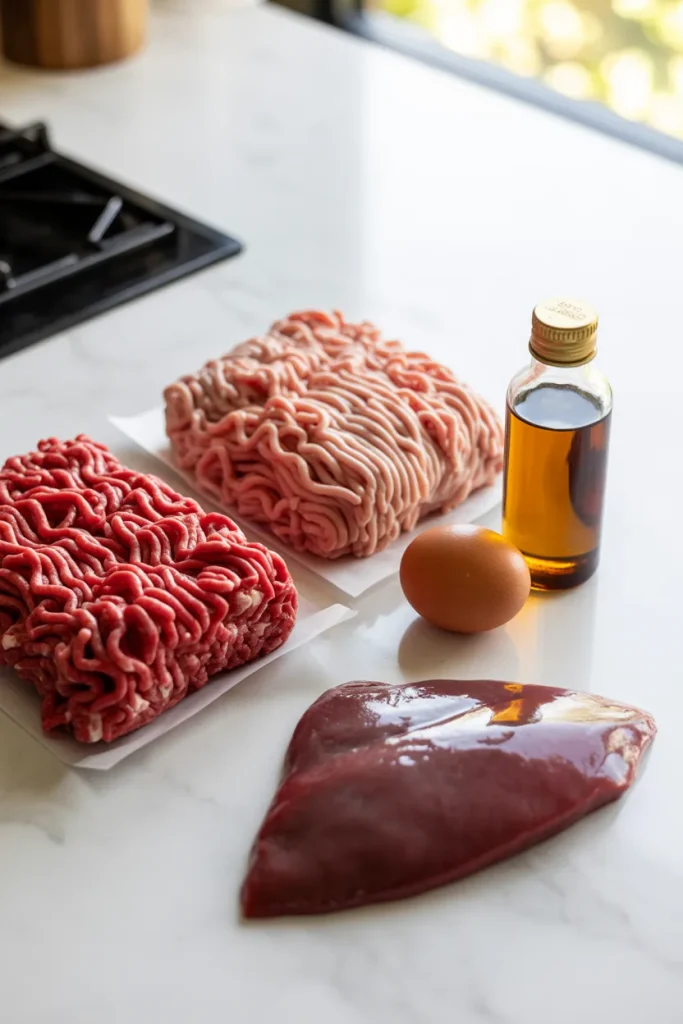
What I like most is how simple this recipe is without sacrificing nutritional purpose. Ground turkey provides lean protein, while beef adds flavor and fat many cats find appealing. This combination can improve palatability, especially for picky eaters.
It’s also practical. Most ingredients are easy to source, and preparation usually takes under 30 minutes. Compared to premium fresh cat food subscriptions, homemade versions can cut feeding costs by 30–50% depending on local grocery prices.
The biggest advantage for me is ingredient control. I can avoid artificial preservatives, mystery by-products, and unnecessary carbohydrates while adjusting texture and moisture based on my cat’s preferences.
What You’ll Need
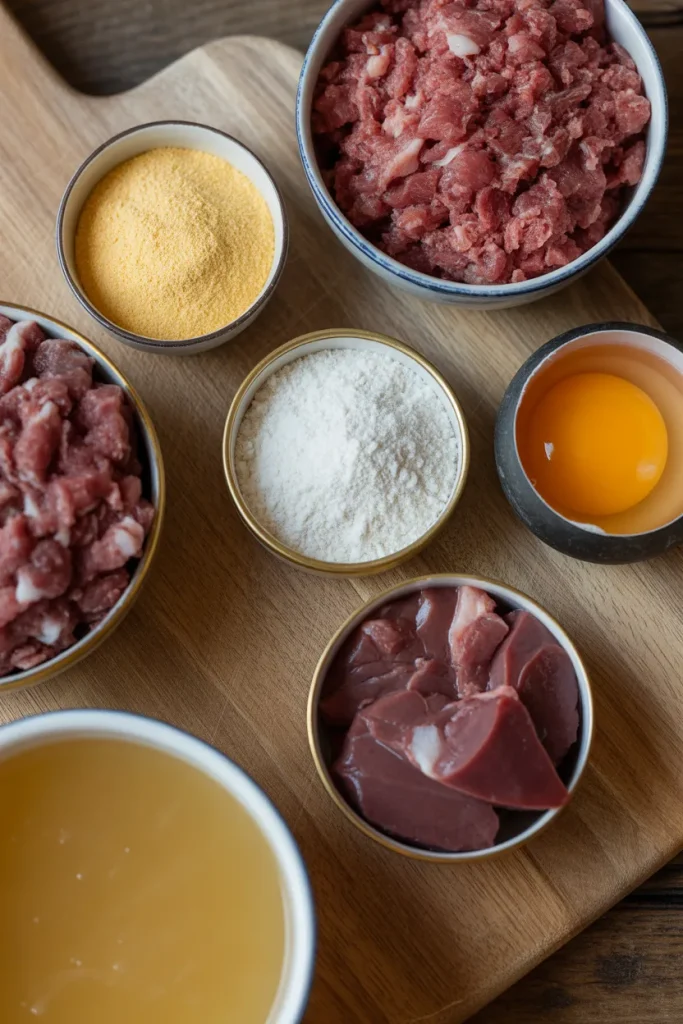
I focus on protein first, but balance matters just as much. Ground turkey and beef create the base, while liver adds critical nutrients in controlled amounts. Egg contributes choline and additional protein.
Taurine is one ingredient I never skip because cats require it daily for heart, vision, and reproductive health. According to veterinary nutrition guidance, taurine deficiency can lead to serious health complications over time.
Calcium is equally important because boneless meat alone contains too much phosphorus and not enough calcium. I use eggshell powder or calcium carbonate to help correct that ratio.
How to Make It
I always start by keeping prep sanitary. Clean surfaces and proper cooking temperatures reduce bacterial risks, especially when handling poultry.
Cooking the beef and turkey over medium heat works best because overly high heat can reduce moisture and make the food less appealing. Cats often prefer softer textures over dry crumbles.
Once the meat is cooked, I add broth or water to improve hydration. This matters because increased water intake may help support urinary health, which is especially relevant since urinary tract issues are common in cats.
After cooling slightly, I mix in taurine, calcium, salmon oil, and other supplements. Adding these after cooking helps preserve nutrient quality.
Storage Instructions
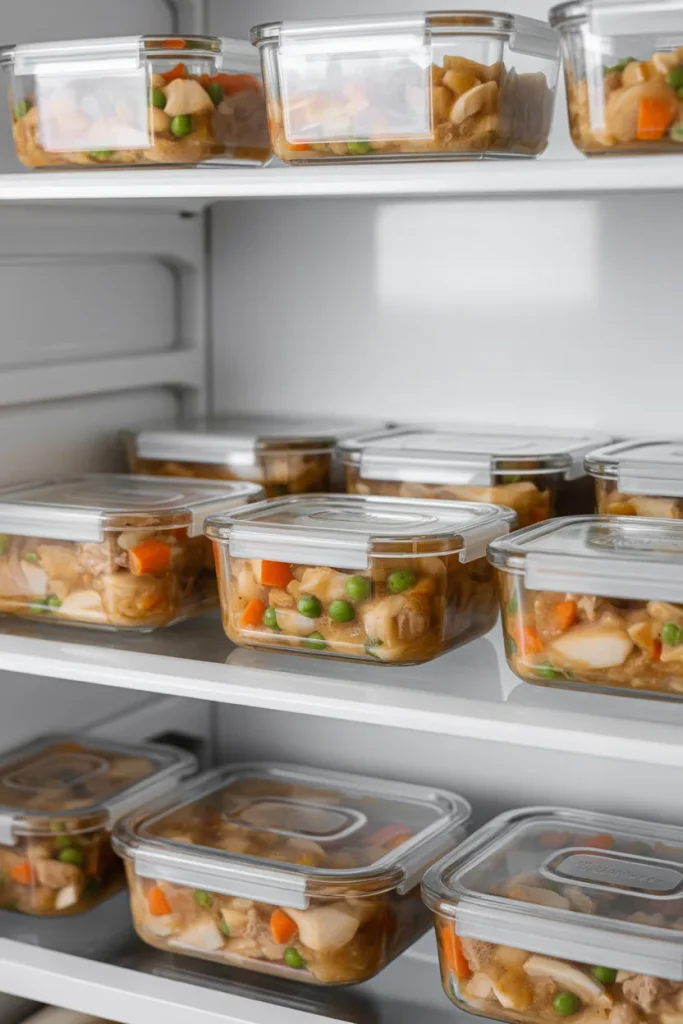
Fresh homemade cat food requires stricter storage than kibble. I refrigerate small portions for up to three days in airtight containers to maintain freshness.
For batch prep, freezing works well for up to 2–3 months. Portioning into meal-sized servings saves time and reduces waste.
I avoid microwaving directly when possible because uneven heating can create hot spots. Gentle warming with warm water usually keeps texture more consistent.
Why This Is Good for You
For me, “good for you” really means good for my cat’s daily wellness and my peace of mind. I know exactly what protein sources, fats, and supplements are included.
Higher moisture meals can help support hydration, and hydration plays a role in urinary and kidney health. Since cats naturally evolved from desert animals, many don’t drink enough water on their own.
Fresh food aroma can also improve food acceptance. This can be especially useful for older cats or selective eaters who ignore dry food.
Pitfalls to Watch Out For
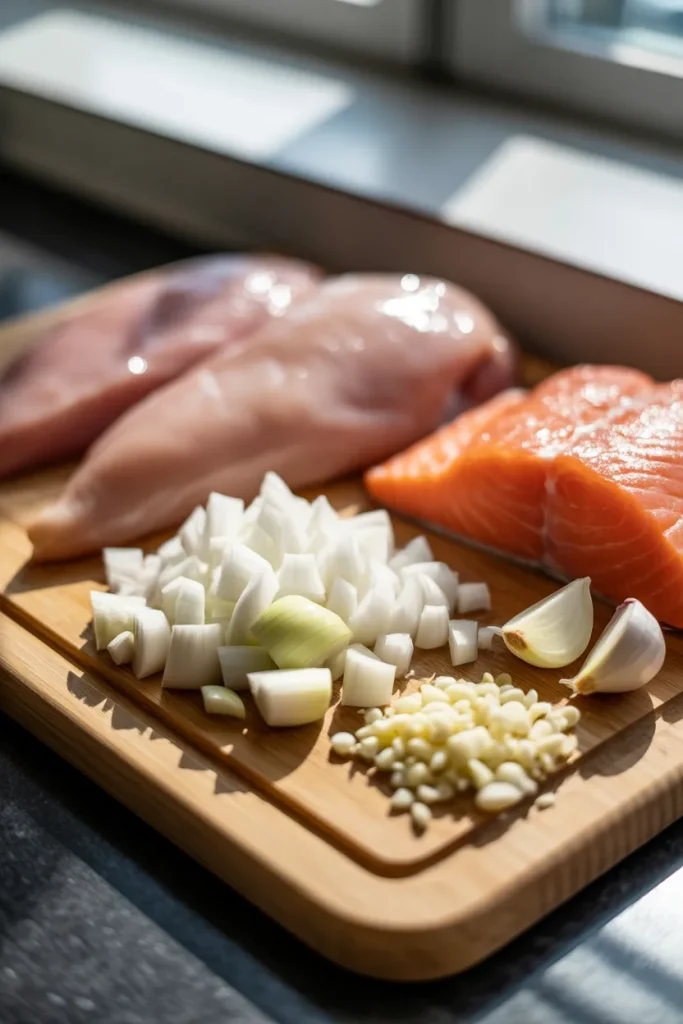
The biggest mistake I see is assuming cooked meat alone equals a balanced diet. It doesn’t. Without taurine and calcium, nutritional gaps can develop quickly.
Liver is another area where moderation matters. Too much may contribute to vitamin A excess, which can become harmful over time.
I also stay away from onion, garlic, and chives completely. Even small amounts can be toxic to cats.
Fast food changes can upset digestion, so I transition slowly over about a week by mixing homemade food with the current diet.
Alternatives
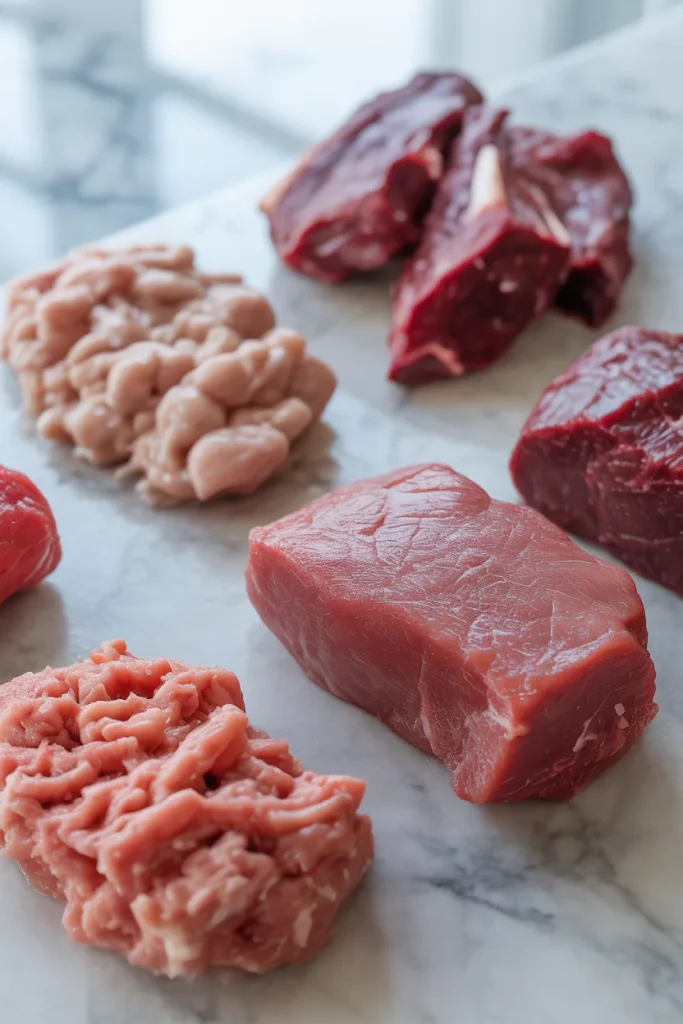
I like that this recipe is flexible. Ground chicken and rabbit can work well for cats needing different proteins or food sensitivities.
For calorie control, leaner meats may suit indoor or overweight cats better. More active cats may benefit from slightly higher fat ratios, but I always monitor body condition.
If salmon oil doesn’t work, sardine or anchovy oil can often provide similar omega-3 support. The goal is maintaining skin, coat, and anti-inflammatory benefits.
FAQ
Can I feed this exclusively?
I treat this more as part of a rotation unless a veterinary nutritionist confirms complete nutritional adequacy. Long-term homemade feeding without professional guidance can risk deficiencies.
Do I have to add taurine?
Yes, absolutely. Taurine is one of the most critical nutrients for cats, and deficiency can affect heart and eye health.
Can I serve it raw?
Raw feeding carries bacterial risks, including Salmonella and E. coli exposure. I prefer lightly cooked for safer handling while still keeping texture appealing.
How much should I feed per day?
A practical starting point is 2–4% of body weight daily, but age, metabolism, and activity all matter. Kittens and active cats usually need more calories.
Is pumpkin necessary?
Not always. I use it only when stool consistency or hairball support seems helpful.
What if my cat won’t eat it?
I’ve had better success by warming it slightly, increasing moisture, or mixing it gradually with familiar food.
Can I use multivitamins instead of individual supplements?
Sometimes, but feline-specific formulas are essential. Not all cover taurine and calcium properly.
Is ground beef safe for cats?
Yes, when cooked plain and balanced correctly. I choose moderate fat levels for better nutritional flexibility.
Wrapping Up
Making ground beef and turkey cat food has been one of the easiest ways I’ve found to add fresh nutrition to my cat’s routine without overspending. It gives me ingredient control, supports protein needs, and can improve moisture intake when done right.
The real key is balance. Protein matters, but taurine, calcium, safe prep, and portion control matter just as much. With thoughtful planning and veterinary input for long-term use, homemade cat food can be a smart and rewarding addition to a cat’s feeding routine.