

Can Dogs Eat Yogurt? All You Need To Know
Written By:

Let me be honest—yogurt is one of those foods I often reach for when I want something quick, tasty, and “somewhat healthy.” Naturally, I’ve wondered if my dog can enjoy it too. The short answer is yes—but not without a few important rules.
I’ve learned that yogurt can offer some real benefits for dogs, especially for digestion and overall nutrition.
But at the same time, the wrong type or too much of it can cause problems like stomach upset or even toxicity in extreme cases.
In this guide, I’ll walk you through exactly when yogurt is safe, how much to give, and when it’s better to skip it altogether.
Key Takeaways
- I only give plain, unsweetened, full-fat yogurt to my dog
- Small portions work best—yogurt should never replace meals
- Some dogs are lactose intolerant, so I always monitor reactions
- Xylitol (artificial sweetener) is dangerous and must be avoided
- Yogurt can support digestion, but it’s not a daily essential
Why Yogurt? The Good, the Bad, and the Gassy

From my experience, yogurt isn’t just hype—it actually contains useful nutrients like calcium, protein, and probiotics. These probiotics are live bacteria that can help support gut health, which is especially helpful if a dog has mild digestive issues.
Studies suggest probiotics may improve digestion in dogs with sensitive stomachs, though results vary depending on the individual dog. I’ve personally noticed that small amounts can help when my dog has occasional tummy trouble.
But here’s the downside I always watch for: many yogurts come loaded with sugar, artificial additives, or ingredients that dogs don’t handle well. And yes, too much dairy can lead to gas, bloating, or diarrhea—something I’ve learned the hard way.
The Golden Rule: Plain, Unsweetened, and Full-Fat
If I’m giving yogurt to my dog, I stick to one simple rule—keep it clean and basic.
- No sugar: Dogs don’t need added sugar. Too much can lead to weight gain and even increase the risk of diabetes over time.
- No artificial sweeteners: Xylitol is extremely toxic to dogs. Even small amounts can cause serious health issues like low blood sugar or seizures.
- Watch dairy tolerance: Some dogs simply can’t digest lactose properly. If I notice gas or loose stools, I stop immediately.
In my routine, plain yogurt works best because it avoids all the unnecessary extras that can cause harm.
How Much Yogurt Can Your Dog Eat?
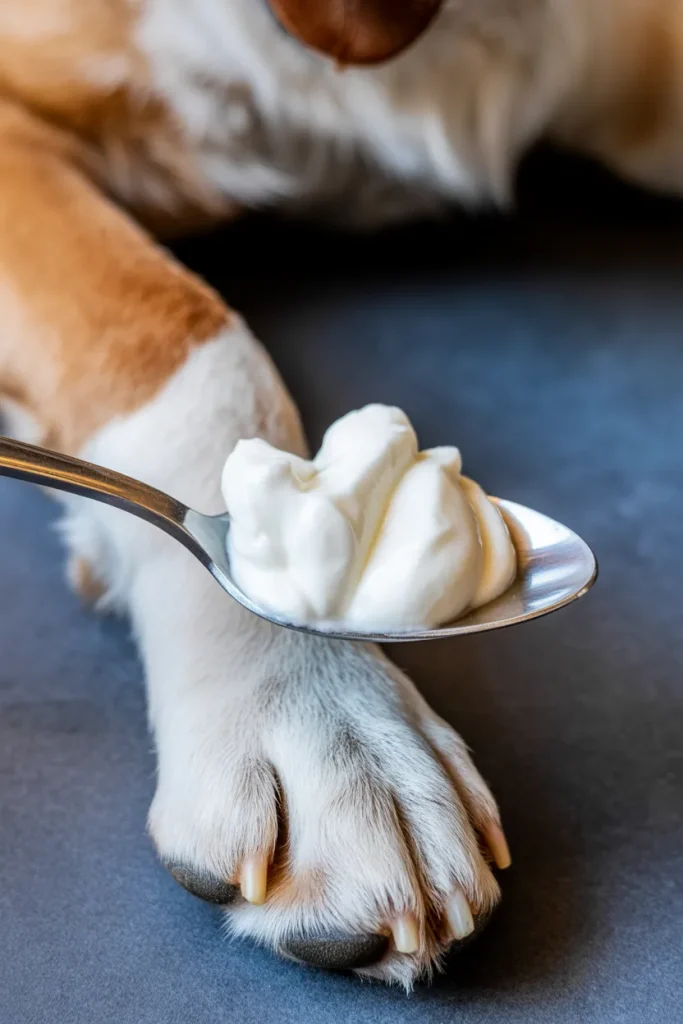
I treat yogurt like a snack—not a regular part of meals. Moderation really matters here.
- Small dogs: I stick to 1–2 teaspoons
- Medium dogs: Around 1 tablespoon
- Large dogs: Up to 2 tablespoons
Giving more than this can upset digestion. I’ve seen cases where overfeeding leads to diarrhea within hours, so I always start small and adjust carefully.
A good rule I follow: treats (including yogurt) should make up no more than 10% of a dog’s daily calories.
When Yogurt Can Be a Hero
There are a few situations where I’ve found yogurt genuinely helpful.
- Digestive support: A small amount can help settle mild stomach upset
- Medication trick: Mixing pills with yogurt works great for picky dogs
- Skin and coat: While not a miracle fix, better gut health can sometimes reflect in improved coat condition
Some vets recommend probiotics for dogs, and yogurt can be a natural (though mild) source.
When to Skip the Yogurt

I don’t give yogurt blindly—there are clear situations where I avoid it completely.
- Lactose intolerance: If my dog shows signs like gas or diarrhea, I stop
- Allergies: Dairy allergies are rare but possible
- Puppies: Their digestive systems are still sensitive
- Medical conditions: I always check with a vet if my dog has ongoing health issues
From what I’ve seen, not every dog reacts the same, so observation is key.
FAQs About Dogs and Yogurt
1. Can dogs eat Greek yogurt?
Yes, I sometimes use plain Greek yogurt because it has more protein and less lactose. I still keep portions small.
2. Can yogurt fix bad breath?
Not really. It may help gut health slightly, but for bad breath, I rely on proper dental care.
3. What about frozen yogurt?
I only consider it if it’s plain and free from harmful ingredients. Otherwise, I skip it.
4. Can I give yogurt every day?
I prefer not to. Even though small amounts are safe, I rotate treats to keep my dog’s diet balanced.
The Bottom Line
So, can dogs eat yogurt? From my experience, yes—but only when I choose the right type and control the portion.
Plain, unsweetened yogurt can be a simple and beneficial treat, especially for digestion. But it’s not something I rely on daily, and I always watch how my dog reacts.
When I’m unsure, I check with a vet. It’s always better to be safe than deal with preventable issues later.


