

Dog Food With Lamb and Rice for Sensitive Stomachs – Gentle, Simple, and Tasty
Written By:

When my dog started having stomach issues, I quickly learned that complicated meals usually made things worse. Many packaged dog foods contained fillers, artificial ingredients, and heavy proteins that upset digestion even more. That is why I started making simple homemade meals with ingredients I could trust and control myself.
This lamb and rice dog food recipe is gentle, soft, and easy on sensitive stomachs.
Lamb provides a high-quality protein source that many dogs tolerate better than chicken or beef, while white rice helps calm digestion and supports firmer stools. The pumpkin and vegetables also add moisture and fiber without making the meal too rich.
I also like that this recipe keeps things practical for daily feeding. Veterinary nutrition experts often recommend limited-ingredient meals during digestive flare-ups because they are easier for dogs to process. With homemade food, I can monitor every ingredient closely and adjust portions depending on how my dog responds.
Dog Food With Lamb and Rice for Sensitive Stomachs

Homemade Dog Food With Lamb and Rice for Sensitive Stomachs made with gentle ingredients to support healthy digestion and easy feeding.
Ingredients
- 1 lb lean ground lamb
- 1 cup white rice
- 2 1/2 cups water or low-sodium onion-free broth
- 1/2 cup plain pumpkin puree
- 1 medium carrot, finely diced or shredded
- 1/2 cup green beans, finely chopped
- 1 tbsp olive oil or salmon oil
- 1 egg, cooked separately (optional)
- 1/2 tsp plain ground ginger (optional)
- Vet-approved canine multivitamin
- Dog-safe probiotic powder (optional)
Key Takeaways
- Lamb is often easier for sensitive dogs to digest than common proteins.
- White rice may help settle upset stomachs and improve stool consistency.
- Pumpkin provides gentle fiber support for digestion.
- Soft homemade meals can help dogs stay hydrated.
- Slow food transitions reduce the risk of diarrhea or vomiting.
- Vet-approved supplements help balance homemade diets properly.
What Makes This Special
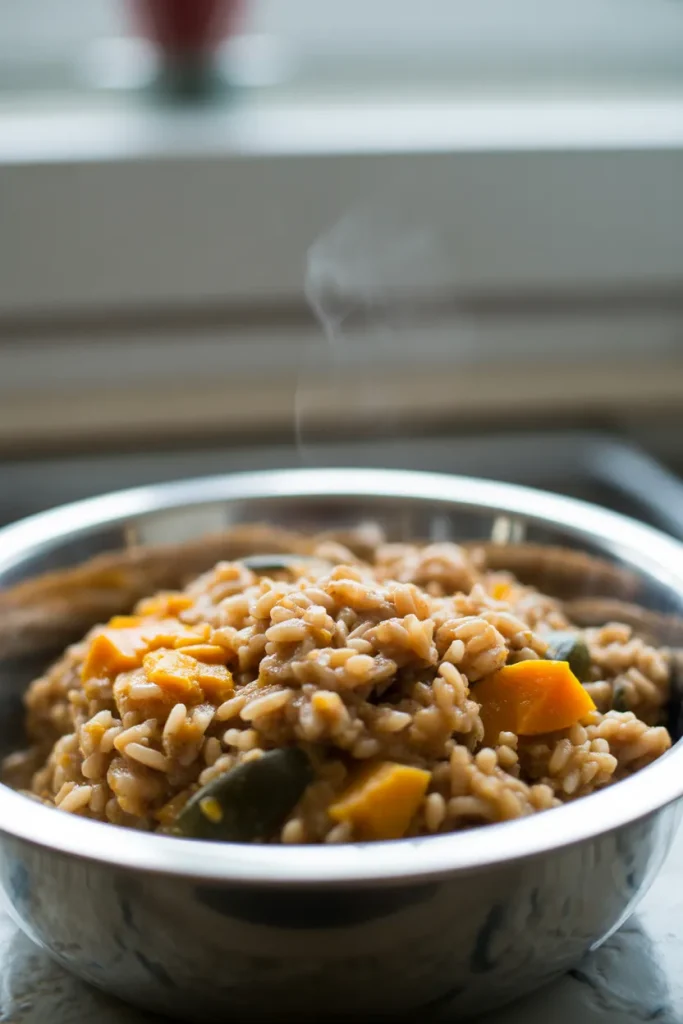
What makes this recipe different for me is the simplicity. A lot of commercial sensitive stomach foods still contain several proteins, preservatives, and additives that can trigger digestive problems. This recipe focuses on basic ingredients that are easier to digest and less likely to irritate the stomach.
The texture also plays a big role in why this meal works well. Soft, moisture-rich food is often easier for dogs with sensitive digestion to tolerate compared to dry kibble. Adding broth and pumpkin keeps the mixture gentle while also helping support hydration during stomach upset.
Another thing I appreciate is the ingredient control. I know exactly what goes into my dog’s bowl, and I can adjust the recipe if certain ingredients do not work well. That flexibility can make a huge difference for dogs dealing with recurring digestive issues.
Single main protein
Lamb works well for many dogs that struggle with chicken or beef sensitivities. Since this recipe uses one primary protein source, it becomes easier to identify possible food triggers. Limited-protein meals are commonly recommended when testing food sensitivities or allergies.
I also prefer using lean lamb because high-fat meat may upset digestion even more. Lean protein provides nutrition without making the meal overly greasy or heavy on the stomach.
Simple carbs
White rice is one of the most commonly used ingredients in bland diets for dogs with stomach upset. It digests quickly and provides energy without adding too much fiber. That is one reason many veterinarians recommend white rice during temporary digestive problems.
I always cook the rice until very soft because softer textures tend to be gentler on digestion. Properly cooked rice also mixes more evenly with the lamb and vegetables.
Digestive support
Pumpkin contains soluble fiber that may help regulate bowel movements and improve stool consistency. I have noticed many dogs do better with small amounts of pumpkin because it supports digestion without being too harsh on the stomach.
The added olive oil or salmon oil can also help support skin and coat health. Healthy fats in moderation may improve appetite while keeping the recipe balanced and easy to tolerate.
Moist and soft
One reason this recipe works so well for sensitive dogs is the moisture level. Added broth or water helps create a softer texture that many dogs digest more comfortably than dry food. Soft meals may also encourage better hydration during stomach flare-ups.
I usually add extra warm broth if the mixture starts looking dry. Keeping the food moist makes it easier to chew and gentler for digestion overall.
No common irritants
This recipe avoids onions, garlic, spicy seasonings, fried fats, and heavy sauces that may irritate a dog’s stomach. Keeping ingredients simple lowers the risk of digestive reactions and helps sensitive dogs tolerate meals better.
I also avoid artificial flavors and preservatives whenever possible. Cleaner ingredients often lead to fewer stomach problems over time.
Shopping List
- 1 lb lean ground lamb
- 1 cup white rice
- 2 1/2 cups water or low-sodium onion-free broth
- 1/2 cup plain pumpkin puree
- 1 medium carrot, finely diced or shredded
- 1/2 cup chopped green beans
- 1 tbsp olive oil or salmon oil
- 1 egg (optional)
- Small amount of plain ginger (optional)
- Vet-approved canine multivitamin
- Dog-safe probiotic powder (optional)
Instructions

Cook the rice
I always rinse the rice before cooking because it helps remove extra starch and improves texture. Cook the rice until soft and tender so it becomes easier for sensitive dogs to digest. Softer rice usually blends much better with the rest of the ingredients.
After cooking, let the rice sit covered for a few minutes to absorb remaining moisture. This helps create a softer and more even texture for the final meal.
Brown the lamb gently
Cook the lamb over medium heat and break it into small pieces while cooking. I avoid high heat because overly browned meat can become harder for sensitive dogs to digest. Gentle cooking keeps the protein softer and easier on the stomach.
If too much grease builds up, drain most of it before moving to the next step. Excess fat may trigger diarrhea or digestive discomfort in some dogs.
Soften the veggies
Add the carrots and green beans to the lamb mixture and cook until tender. Soft vegetables are usually easier for dogs to process than raw vegetables, especially during digestive flare-ups. Finely chopped vegetables also mix more evenly into the meal.
If the mixture looks dry while cooking, I add a little warm water or broth. Extra moisture helps maintain the soft texture that sensitive dogs often tolerate better.
Add pumpkin and moisture
Stir in the pumpkin and broth slowly until everything becomes creamy and evenly mixed. Pumpkin helps add moisture and gentle fiber support without making the food too heavy. The smoother texture can also make the food more appealing for picky eaters.
I usually keep the consistency soft rather than thick. Moist meals are often easier for sensitive dogs to digest and may support hydration as well.
Combine with rice
Once the lamb mixture is ready, fold in the cooked rice carefully until fully combined. I always check the texture at this stage because sensitive dogs generally do better with softer meals. If needed, I add extra warm broth.
The goal is to keep the food moist but still balanced enough to hold together. Texture can make a bigger difference in digestion than many owners realize.
Finish with healthy fats
After removing the mixture from heat, stir in olive oil or salmon oil. Healthy fats can support coat health, skin condition, and appetite when used in moderation. I prefer adding oils after cooking to help preserve nutrients.
If I use egg in the recipe, I cook it separately before mixing it in. Fully cooked eggs are usually safer and easier for dogs to digest.
Cool completely
I never serve homemade dog food while it is hot because hot food may upset a sensitive stomach. Allowing the meal to cool fully makes it safer and gentler for dogs to eat comfortably.
Most dogs tolerate room-temperature meals much better than food that is too hot or too cold. Cooling also helps the texture settle properly before serving.
Add supplements at serving
Supplements should always be added after the food cools down. Heat can reduce the effectiveness of probiotics and certain vitamins, which may lower their nutritional value.
Homemade dog food can miss important nutrients if fed long term without balancing supplements. That is why I always recommend using a vet-approved canine multivitamin.
Serve slowly
Whenever I switch foods, I start slowly by mixing small amounts into the current diet first. Sudden food changes are one of the biggest causes of diarrhea and stomach upset in dogs. Slow transitions help the digestive system adjust more comfortably.
I normally increase portions gradually over several days while watching for stool changes or signs of discomfort. Monitoring reactions closely helps prevent bigger digestive problems.
Storage Instructions
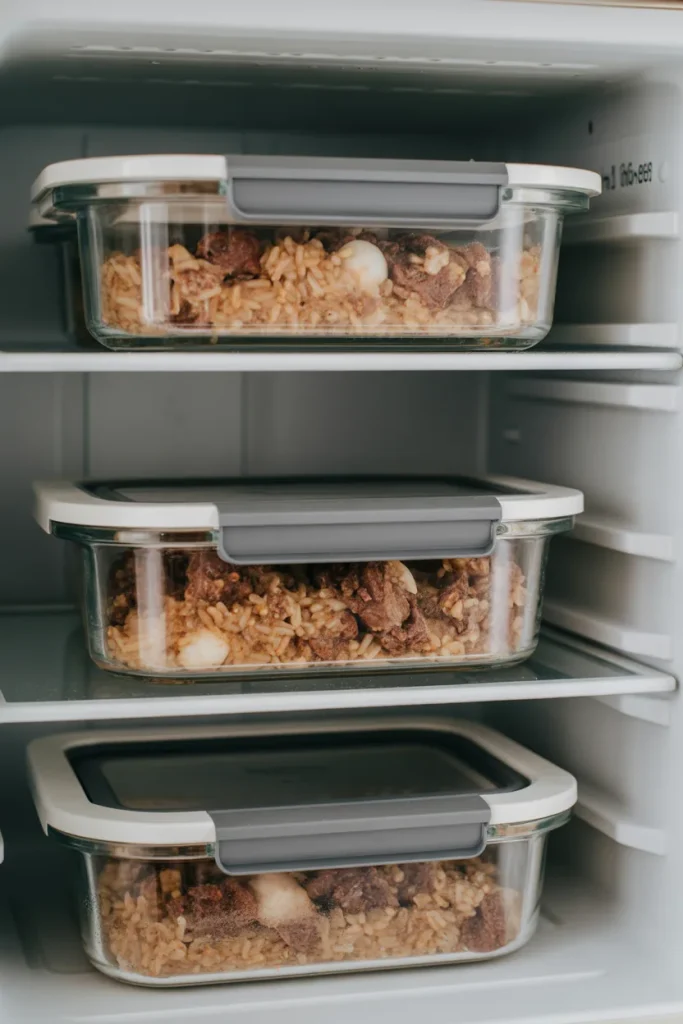
Refrigerate
Store the food in airtight containers in the refrigerator for up to four days. Homemade dog food spoils faster than dry kibble because it does not contain preservatives. Proper storage helps maintain freshness and food safety.
I usually separate meals into individual portions before refrigerating. This makes feeding easier and reduces repeated reheating.
Freeze
Freezing meal-sized portions works very well for long-term storage and meal prep. I often use silicone molds or freezer-safe containers to keep portions organized. Smaller portions also thaw faster later.
Most homemade dog food keeps good quality in the freezer for around two months. Labeling containers with dates helps avoid waste and confusion.
Thaw safely
I prefer thawing frozen portions overnight in the refrigerator instead of leaving them out at room temperature. Slow thawing helps maintain food quality and reduces the risk of bacteria growth.
After thawing, I sometimes mix in a little warm water before serving. This helps restore moisture and improve texture for sensitive dogs.
Discard if unsure
If the food smells sour, changes color, or develops a slimy texture, throw it away immediately. Sensitive dogs can react badly to spoiled food, especially when their digestive systems are already irritated.
I never take chances with questionable homemade food. Fresh ingredients and proper storage are extremely important for digestive health.
Why This is Good for You

This recipe focuses on simple digestion support while still providing balanced nutrition. Lamb delivers protein needed for muscle maintenance, while rice and pumpkin help support healthier stools and calmer digestion. The softer texture also makes meals easier to tolerate during stomach upset.
I also like that the recipe avoids many common irritants found in heavily processed dog foods. Fewer ingredients make it easier to identify food sensitivities and monitor reactions over time. That can be very helpful for owners dealing with recurring digestive issues.
Another major benefit is hydration support. Moist homemade meals with added broth may help dogs maintain better fluid intake, especially during vomiting or diarrhea episodes when dehydration becomes a concern.
Digestive ease
Limited-ingredient recipes are usually easier for sensitive dogs to digest. They also make it simpler to identify possible food triggers and monitor how the dog responds to each ingredient.
Simple meals reduce unnecessary stress on the digestive system. Avoiding fillers and artificial additives can make a noticeable difference for some dogs.
Moisture-forward
Dogs with digestive issues sometimes struggle to stay hydrated properly. Meals with extra moisture may help increase fluid intake naturally through food, which can support recovery and comfort.
I have noticed many dogs prefer soft homemade meals over dry kibble during stomach flare-ups. Better appetite can help maintain energy levels and overall health.
Customizable
One thing I appreciate most about homemade dog food is flexibility. I can adjust texture, vegetables, portion size, or moisture depending on what works best for my dog. That level of control is difficult with commercial foods.
Custom recipes also make it easier to work around sensitivities or allergies. Small changes can sometimes improve digestion significantly.
Balanced with supplements
Homemade meals can lack important nutrients like calcium, zinc, and vitamin D if they are not balanced properly. That is why I always recommend using a veterinarian-approved supplement for long-term feeding.
Balanced nutrition is essential for maintaining bone health, energy, immune function, and overall wellness. Supplements help fill nutritional gaps that homemade diets may miss.
What Not to Do
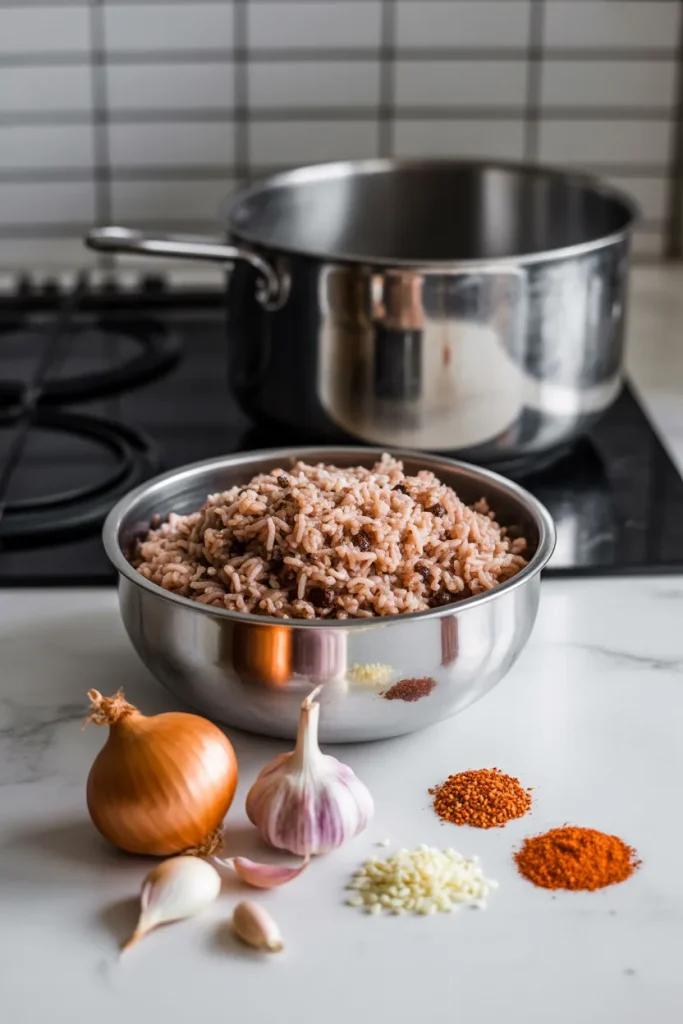
Do not add onions, garlic, salt, or heavy seasoning blends to homemade dog food. Some ingredients that are harmless for humans can be toxic or irritating for dogs. Keeping the recipe plain is usually the safest option for sensitive stomachs.
Avoid using fatty lamb trimmings or greasy leftovers because excess fat may trigger vomiting, diarrhea, or pancreatitis. Lean protein is much safer and easier for digestion.
Do not switch foods too quickly or skip supplements during long-term feeding. Sudden diet changes often cause stomach upset, while nutritional deficiencies may develop slowly over time without proper balancing.
Variations You Can Try
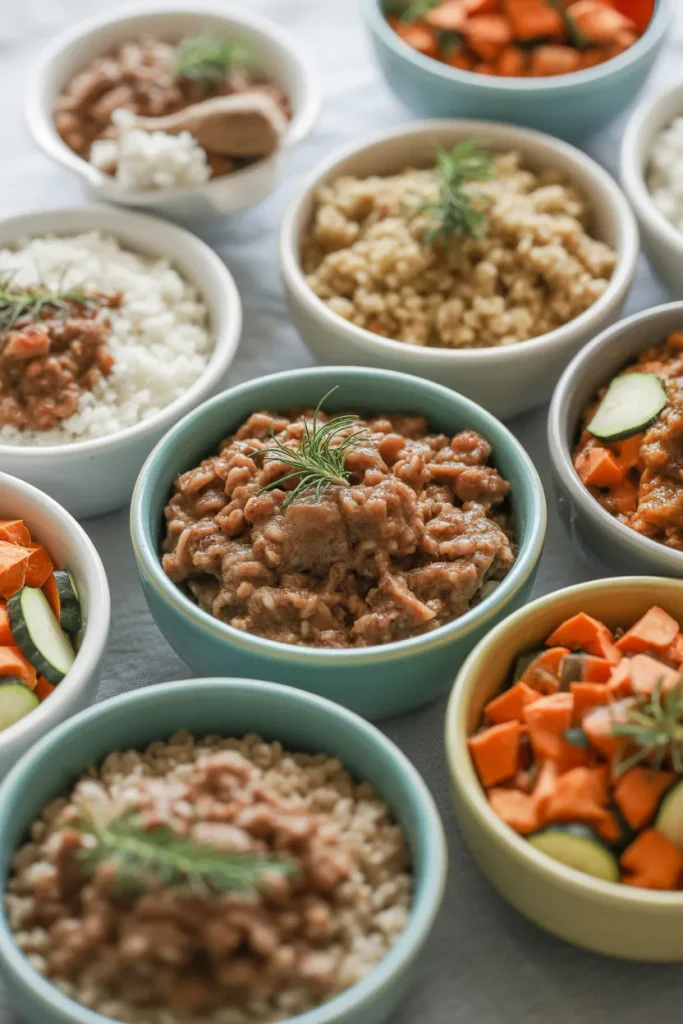
Swap the carb
Sometimes I replace white rice with cooked potatoes or quinoa if my dog tolerates them well. Different dogs react differently to carbohydrates, so small adjustments may improve digestion for some pets.
I always cook replacement carbs until very soft because texture matters for sensitive stomachs. Softer foods are generally easier to digest.
Different gentle veggie
Cooked zucchini or peeled sweet potato can work well as mild vegetable options. Both are soft, easy to digest, and commonly used in homemade dog food recipes for sensitive stomachs.
I introduce new vegetables slowly and in small amounts first. Too much fiber at once may upset digestion even more.
Bone broth boost
Adding a little onion-free bone broth can improve flavor and increase moisture. Some dogs become more interested in food when broth is added, especially during recovery from digestive upset.
I always check ingredient labels carefully because many store-bought broths contain onion or garlic powder. Dog-safe broth is important.
For extra fiber
Some dogs benefit from small amounts of psyllium husk for additional fiber support. Fiber may help improve stool consistency when recommended by a veterinarian.
Too much fiber can sometimes worsen digestive discomfort, so gradual adjustments are best. Monitoring stool quality helps guide portion changes.
For extra omegas
Salmon oil is another good option for adding omega-3 fatty acids to the recipe. These healthy fats may support skin health, coat condition, and inflammation control.
I always follow dosage recommendations carefully because excessive oil may upset digestion. Moderation matters with fats and supplements.
FAQ
How much should I feed my dog?
Portion sizes depend on weight, activity level, age, and metabolism. Many adult dogs do well eating about 2% to 3% of their body weight daily in cooked food divided into two meals.
I always monitor body condition instead of relying only on general guidelines. Weight changes and energy levels help determine whether adjustments are needed.
Can I use brown rice instead of white rice?
Brown rice can work, but white rice is usually easier for sensitive stomachs to digest. Brown rice contains more fiber, which may irritate digestion during flare-ups or diarrhea episodes.
If using brown rice, cook it thoroughly and introduce it slowly. Watching stool consistency can help determine tolerance.
Is lamb safe for dogs with allergies?
Some dogs tolerate lamb better than chicken or beef, but every dog reacts differently. Food allergies and sensitivities can still happen with lamb, so careful monitoring is important.
Watch for symptoms like itching, ear infections, vomiting, or diarrhea after introducing new proteins. If problems appear, contact your veterinarian.
Can I make this recipe in a slow cooker?
Yes, this recipe works well in a slow cooker because it softens the ingredients thoroughly. I still prefer browning the lamb first to remove excess grease before combining everything together.
Cook until the rice and vegetables become very soft. Softer textures are usually easier for sensitive dogs to digest comfortably.
Do I need the multivitamin?
For long-term homemade feeding, yes, supplements are very important. Homemade diets may lack calcium, trace minerals, and vitamins needed for complete canine nutrition.
Short-term feeding during temporary stomach upset is less concerning, but balanced nutrition still matters. Vet guidance is always recommended for homemade diets.
What if my dog still has diarrhea or vomiting?
If symptoms continue longer than one or two days, contact your veterinarian immediately. Persistent digestive issues can point to infections, parasites, allergies, or more serious health conditions.
Watch for warning signs like blood in stool, lethargy, dehydration, or loss of appetite. Those symptoms may require urgent medical care.
Can I freeze individual portions?
Yes, freezing individual portions makes feeding much easier and helps reduce waste. I usually portion meals into freezer-safe containers or silicone molds before freezing.
Label containers with dates to keep track of freshness. Homemade dog food generally keeps best quality for around two months frozen.
Is pumpkin always necessary?
Pumpkin helps many dogs because it provides moisture and gentle fiber support. However, not every dog needs the same amount, and some may do better with smaller portions.
I usually adjust pumpkin slowly depending on stool consistency and digestion. Watching how the dog responds is the best way to guide changes.
In Conclusion
This Dog Food With Lamb and Rice for Sensitive Stomachs is simple, gentle, and practical for dogs dealing with digestive issues. I like that it uses clean ingredients, soft textures, and balanced moisture without unnecessary fillers or harsh additives. That combination often works very well for sensitive dogs.
The biggest thing I have learned is that slow transitions and consistency matter. Introducing food gradually, monitoring reactions carefully, and using balanced supplements can make a major difference in digestion and comfort.
With proper preparation and veterinary guidance, homemade meals like this can help make feeding less stressful for both dogs and owners. Simple ingredients and careful adjustments often go a long way in supporting healthy digestion.


