
What and How to Feed Pregnant and Nursing Dogs
When you’re thinking about breeding your female dog, you can’t just focus on the excitement of puppies. You have to look at her body first. I’ve seen far too many people overlook this part. If she isn’t in good shape before pregnancy, those nine weeks can be much harder on her than they need to be.
Pregnancy and nursing take a real physical toll. If she’s underweight, she may struggle to eat enough to nourish both herself and the growing puppies. If she’s overweight, labor can become difficult and risky. You want her strong, fit, and at a healthy weight before you even consider breeding.
A properly balanced diet in the right portions before pregnancy sets the foundation. When you take the time to get her into good condition beforehand, you prevent many of the common complications that show up later. Good preparation truly makes everything smoother.
What to Feed a Pregnant Dog

Understanding Her Changing Needs
A pregnant dog doesn’t need the same amount of food from day one to day sixty-three. Her needs change week by week, and you need to adjust with her.
For the first four weeks, you can usually feed her normal portions of her regular high-quality food. Nothing dramatic needs to change yet. But once she reaches week five, that’s when you start increasing her intake—typically by about 20 to 30 percent. At this stage, her body is working harder, and she needs extra calories.
By week six, the puppies are growing quickly. Her abdomen is expanding, and her stomach has less room for large meals. This is when I recommend shifting to smaller, more frequent meals. Instead of two larger portions, feed her at least three times a day—sometimes even four or five smaller meals work better. Keep gradually increasing the total daily amount.
By week eight, she may need roughly 50 percent more food than she ate before pregnancy. Maintaining her weight is extremely important now because very soon her appetite will drop. As labor approaches, many dogs eat less, and some stop eating completely in the final day or two. That decrease is normal, but it makes the earlier nutritional buildup even more important.


Feeding After Delivery
Once the puppies arrive, everything shifts again. She will likely lose some weight after giving birth, but her nutritional needs will jump significantly.
If she has a large litter, she may need two to three times her normal food intake to maintain milk production. This surprises many owners. They see her slimming down and assume she needs less, when in reality she needs more fuel than ever.
And don’t forget water. Milk production depends heavily on hydration. Fresh water must always be available, and she should be drinking frequently. If she isn’t, you need to encourage her.
Important Nutrients
Before making major changes, it’s always wise to speak with your veterinarian. Still, you should understand what her body is asking for during this time.
If you’re preparing homemade meals, pay close attention to what she enjoys eating. Appetite can fluctuate, and you need her consistently consuming enough nutrients.
Protein
Protein is the backbone of her pregnancy diet. It provides the amino acids needed for proper puppy development. I always prioritize high-quality animal protein sources.
Chicken, turkey, beef, lamb, and fish are excellent options, as long as she tolerates them well. Eggs are another strong addition, and certain dairy products can provide supplemental protein too. During pregnancy and nursing, I never cut corners on protein quality.
Fat
As her calorie requirements increase, fat becomes extremely important. Around week six, I often shift toward slightly fattier cuts of meat. Red meats like beef, lamb, or pork help meet those rising energy demands better than very lean options.
Fat isn’t the enemy here. It’s fuel.
Omega-3 Fatty Acids
Omega-3 fatty acids support brain and nerve development in the puppies. They also contribute to healthy vision. Fatty fish such as salmon are excellent sources. If needed, fish oil supplements can help, but avoid products that are excessively high in vitamin A.
Vitamins
Vitamin C supports iron absorption, tissue development, and immune strength. Many fruits, vegetables, and organ meats naturally contain it.
Vitamin D plays a critical role in calcium absorption. Foods like salmon, canned mackerel, eggs, and certain dairy products help provide it.
Folate (vitamin B9) is particularly important because it supports healthy fetal development and helps reduce the risk of birth defects. Pork, poultry, and liver contain folate, but liver must be fed carefully. It’s also rich in vitamin A, and excessive vitamin A can harm developing puppies. Large dogs should not exceed about 5,000 mg daily, medium dogs around 2,000 mg, and small dogs around 1,000 mg.
Minerals
Calcium, iron, and phosphorus are especially important during pregnancy and nursing.
Iron supports red blood cell production and helps prevent anemia, which can occur during pregnancy. Beef, pork, and organ meats such as heart, liver, and kidneys are strong sources.
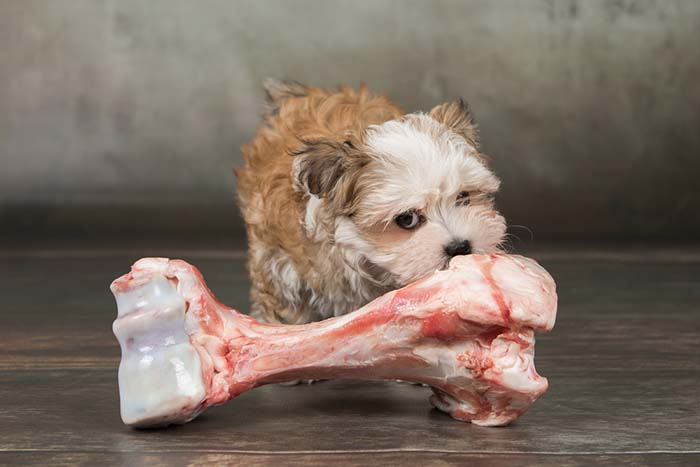
Calcium supports proper bone and tooth development in the puppies and is essential for milk production once they’re born. Meaty bones are a natural calcium source. However, during the final weeks of pregnancy—after week seven—it’s best to limit bones to avoid complications like uterine inertia.
Phosphorus works alongside calcium for skeletal health. Animal tissues, eggs, and fish naturally provide it.
Structuring a Pregnant Dog’s Diet
Planning her meals during pregnancy isn’t about reinventing everything. It’s about building on a balanced foundation and adjusting amounts, timing, and specific nutrients as her body changes.
Keep her diet well-balanced. Increase total intake gradually. Shift to smaller, more frequent meals in later weeks. After delivery, increase food even more to support lactation.
Consistency, quality, and observation are key. Watch her body condition, energy levels, and appetite closely.
Foods to Include
High-quality meat should remain the center of her diet. Raw meaty bones or minced meat containing bone can supply protein, fats, and calcium together. Beef is often an excellent primary choice.
Organ meats are incredibly nutrient-dense and should be included regularly. After pregnancy, continuing organ meats and appropriate calcium sources supports recovery and milk production.
Eggs are one of my favorite additions. Adding an egg to a homemade meal boosts protein and mineral intake significantly.
Dairy products such as yogurt or certain cheeses can be helpful. A spoonful of yogurt not only improves taste but can also support digestion due to its probiotic content.
Healthy grains like oats, flaxseeds, and brown rice provide fiber, iron, and folate. They can round out a balanced meal when used appropriately.
Fatty fish such as salmon contribute essential omega-3 fatty acids. Some holistic practitioners also use red raspberry leaf to support smoother labor and fennel to encourage milk production, though these should be used thoughtfully.
Foods to Avoid
While omega-3 sources are beneficial, avoid cod liver oil because of its extremely high vitamin A content. Monitor total vitamin A from all foods, including fish, eggs, carrots, and sweet potatoes.
In the final three weeks of pregnancy, calcium intake should be managed carefully rather than over-supplemented.
Beyond that, variety remains important. Appetite may decrease as delivery approaches, so offering balanced, appealing foods helps ensure she continues eating adequately.
Homemade Dog Food for Pregnant Dogs
If you’re confident in preparing nutritionally balanced homemade meals and have consulted your veterinarian, a well-planned homemade diet can work beautifully during pregnancy and nursing.
The most important thing is tracking nutrients and calories carefully. Guesswork isn’t good enough here. Her body and her puppies depend on precision.
High-Calorie Beef Snacks
These snacks are energy-dense and useful when she needs additional calories.
Ingredients
1 pound ground beef
12 eggs
1 cup ground flaxseed
1 cup cooked oatmeal
1/8 oz creamed cheese
1 cup peanut butter
1 tablespoon molasses
Preparation
Cook the ground beef thoroughly and scramble the eggs. Combine them, then mix in the flaxseed, oatmeal, creamed cheese, peanut butter, and molasses until fully blended.
Form the mixture into tablespoon-sized balls. For smaller dogs, make them teaspoon-sized. Place them on a cookie sheet and freeze. Once thawed, they’re ready to serve.
These are treats, not full meals. Limit them to no more than three per day.