
Teddy Bear Dogs, Popular Small Fluffy Mixes
Written By:

The first time I met a teddy bear dog, I honestly thought someone was carrying a stuffed toy. The fluffy coat, round eyes, and tiny face looked almost unreal. After spending years around different dog breeds, I’ve noticed that few dogs attract as much attention as these adorable little companions.
Teddy Bear Dogs: Popular Small Fluffy Mixes
The first time I met a teddy bear dog, I honestly thought someone was carrying a stuffed toy. The fluffy coat, round eyes, and tiny face looked almost unreal. After spending years around different dog breeds, I’ve noticed that few dogs attract as much attention as these adorable little companions.
Their popularity has exploded over the past decade, especially among families, apartment dwellers, and first-time dog owners looking for a small, affectionate pet. According to pet industry reports, Poodle mixes and companion designer breeds continue to rank among the most searched dog types worldwide because of their friendly personalities and cute appearance.
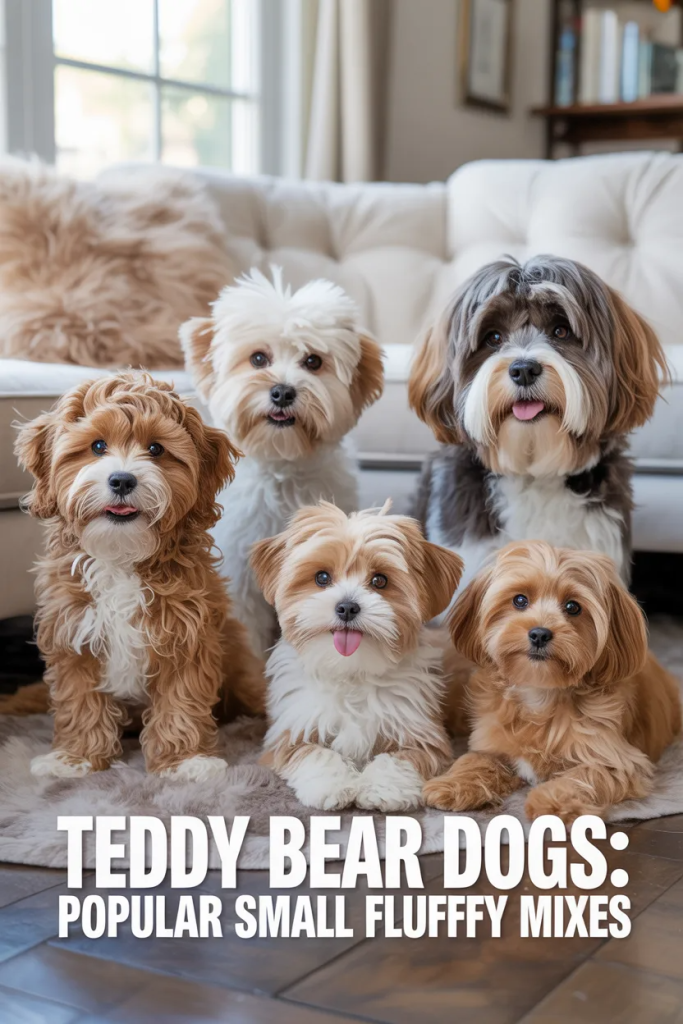
What many people don’t realize is that teddy bear dogs are not an official breed. Instead, they are a group of small mixed-breed dogs bred to have a soft, plush appearance and a loving temperament. While their looks win people over instantly, their care requirements often surprise new owners.
In this guide, I’ll share everything I’ve learned about teddy bear dogs, including popular mixes, personality traits, grooming needs, health considerations, and how to decide if one fits your lifestyle.
Quick Summary
Teddy bear dogs are small companion mixes known for their fluffy coats, round faces, and affectionate personalities. Popular examples include the Cavapoo, Maltipoo, Shichon, Shih-Poo, and Mini Goldendoodle. Most inherit intelligence from Poodles and companionship traits from breeds such as Shih Tzus, Bichons, Maltese, and Cavalier King Charles Spaniels.
Although many people choose them for their low-shedding coats, they require frequent grooming and regular attention. These dogs thrive in homes where they can spend plenty of time with their families and receive consistent training.
Key Takeaways
- Teddy bear dogs are designer mixes, not a single breed.
- Most remain small enough for apartment living.
- Poodle genetics often contribute intelligence and lower shedding.
- Regular grooming is essential to prevent matting.
- Many teddy bear dogs are highly social and dislike being left alone.
- Early training helps prevent behavioral issues common in small breeds.
- Adoption can be a great alternative to purchasing from breeders.
- Health testing is important when choosing a puppy.
What Exactly is a “Teddy Bear Dog”?
When people ask me what a teddy bear dog is, I explain that it describes a look rather than a specific breed. These dogs typically share several physical features that make them resemble plush toys.
Most have round eyes, compact bodies, soft coats, and short to medium-length muzzles. Their appearance often stays puppy-like long after they reach adulthood, which is one reason they remain so popular.
Unlike working breeds developed for herding, hunting, or guarding, teddy bear dogs were primarily bred to be companions. Their main job is simple: stay close to their people and provide affection.
Many owners choose these dogs because they combine attractive looks with manageable size and family-friendly personalities.
The Role of the Poodle
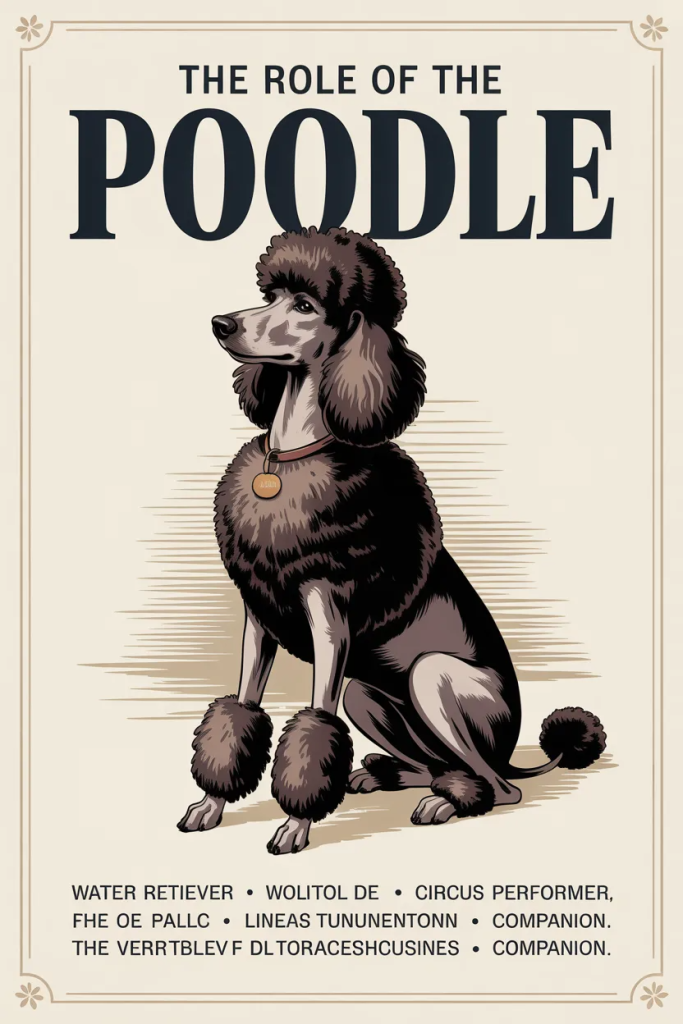
One thing I’ve noticed when researching teddy bear dogs is how often Poodles appear in their family tree.
Toy and Miniature Poodles bring several desirable traits to these mixes. Their intelligence makes training easier, while their curly coats contribute to the fluffy teddy bear appearance many owners want.
Poodles consistently rank among the smartest dog breeds. In practical terms, this means many teddy bear mixes learn commands quickly and respond well to positive reinforcement training.
Another reason breeders frequently use Poodles is their low-shedding coat. While no dog is completely allergy-friendly, Poodle genetics can reduce the amount of loose hair around the home.
Why Poodle Genetics Matter
- High intelligence
- Easier trainability
- Lower shedding
- Longer lifespan compared to many breeds
- Friendly and adaptable temperament
The Role of the Bichon Frise
The Bichon Frise plays a major role in creating the classic teddy bear appearance that so many people love.
These cheerful little dogs have naturally fluffy coats, dark eyes, and a happy personality. Whenever I meet a Bichon or Bichon mix, they seem eager to make friends with everyone around them.
Their sturdy build also helps create a balanced companion dog. While small, they are often less fragile than some toy breeds, making them suitable for many family environments.
Bichons also contribute confidence and sociability, traits that help many teddy bear mixes become excellent companion animals.
Top Teddy Bear Breeds You Should Know
Over the years, certain teddy bear mixes have become especially popular because they consistently combine attractive looks with wonderful personalities.
While every dog is unique, these breeds are among the most common choices for people seeking a fluffy companion.
The Zuchon (Shichon)
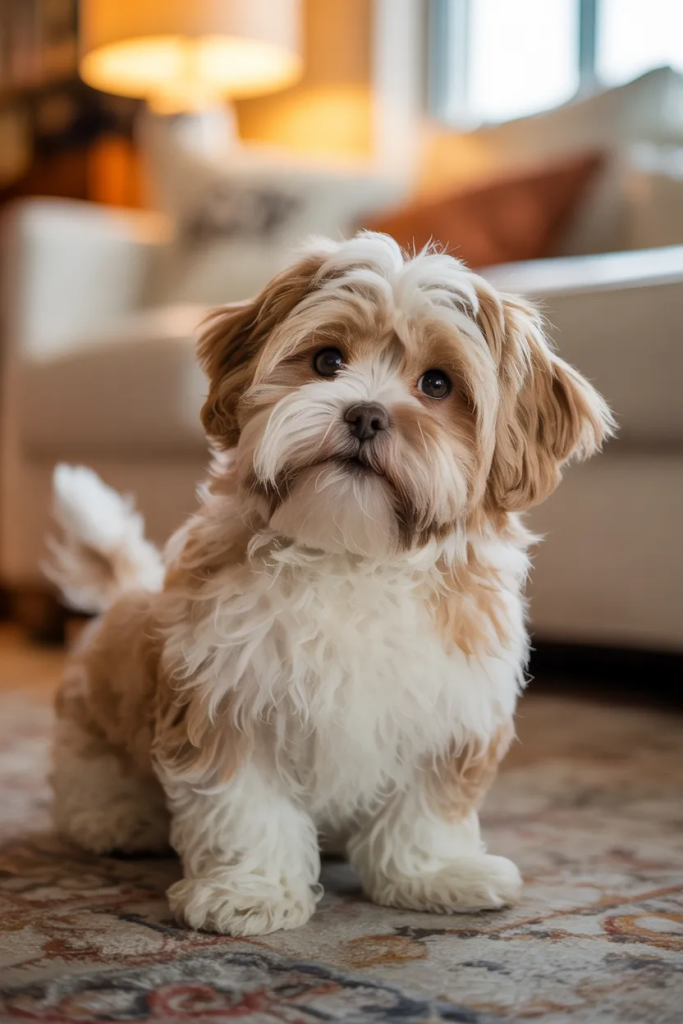
The Zuchon, often called a Shichon, combines the Shih Tzu and the Bichon Frise.
Whenever I meet a Shichon, their friendly attitude stands out immediately. They tend to enjoy human interaction and often form strong bonds with family members.
Why They Look Like Teddy Bears
The Bichon’s fluffy coat combines with the Shih Tzu’s large eyes and compact face to create a remarkably plush appearance. Many maintain this puppy-like look throughout adulthood.
Personality
Shichons are generally calm, affectionate, and adaptable. They usually enjoy spending time with children and seniors alike.
Quick Facts
- Weight: 9–15 pounds
- Height: 9–12 inches
- Lifespan: 12–16 years
- Energy Level: Moderate
Pro Tip
I’ve found that early socialization helps Shichons become exceptionally confident and friendly adults.
The Cavapoo
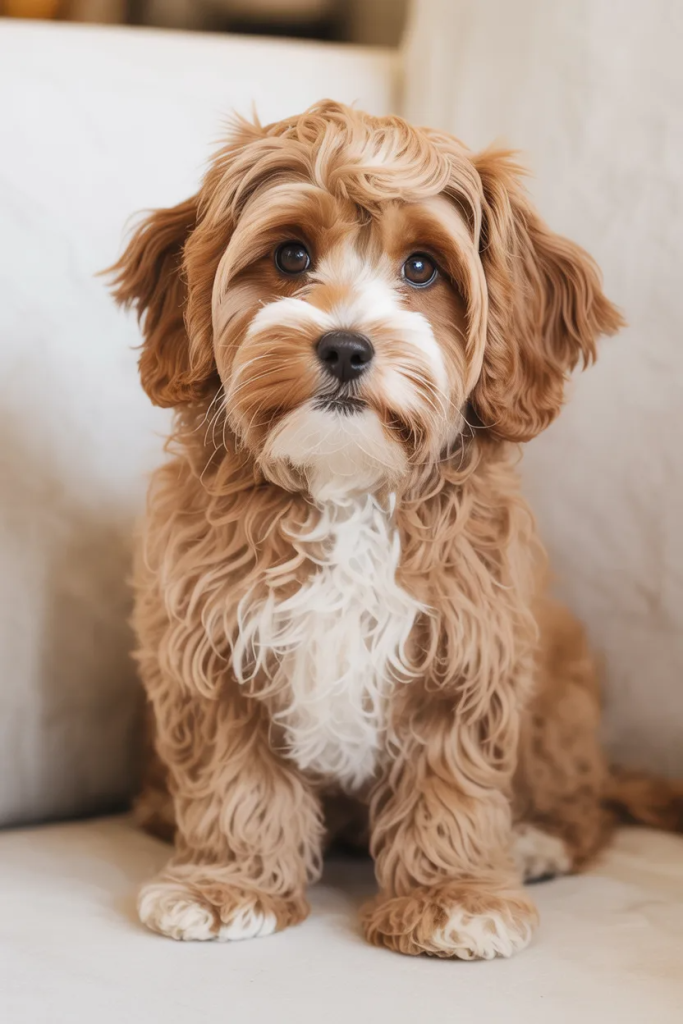
The Cavapoo is one of the most popular teddy bear breeds today. This mix combines the Cavalier King Charles Spaniel and the Poodle.
In my experience, Cavapoos often have a natural ability to connect with people. They are among the most affectionate companion dogs I’ve encountered.
Why They Look Like Teddy Bears
Their soft ears, expressive eyes, and wavy coats create the classic stuffed-animal appearance many families want.
Personality
Cavapoos tend to be playful, gentle, and eager to please. They usually get along well with children, other dogs, and even cats when introduced properly.
Quick Facts
- Weight: 10–25 pounds
- Height: 9–14 inches
- Lifespan: 12–15 years
- Energy Level: Moderate
Pro Tip
Because Cavapoos love companionship, I recommend providing puzzle toys or interactive games when you’re away from home.
The Shih-Poo
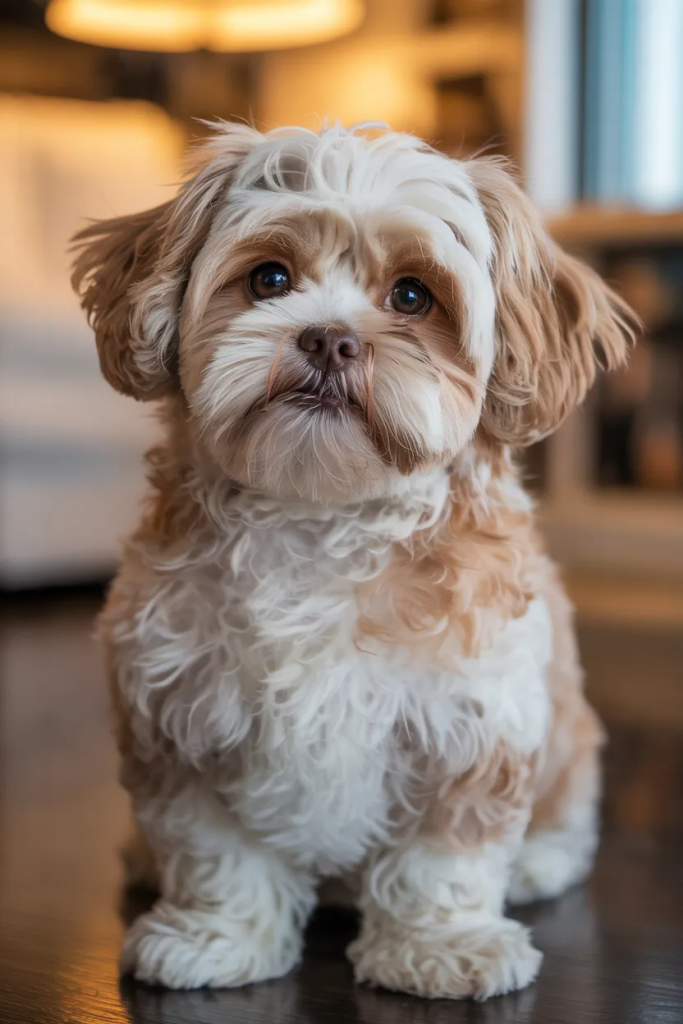
The Shih-Poo combines the Shih Tzu and Toy Poodle.
I often recommend this mix to people who want a small dog with a lot of personality packed into a compact body.
Why They Look Like Teddy Bears
Most Shih-Poos inherit soft coats, large eyes, and rounded facial features that give them a plush appearance.
Personality
These dogs are loyal, intelligent, and often quite entertaining. While they can occasionally show a stubborn streak, they respond well to patient, reward-based training.
Quick Facts
- Weight: 8–18 pounds
- Height: 8–13 inches
- Lifespan: 13–17 years
- Energy Level: Moderate
Pro Tip
Short training sessions work best. Keeping lessons fun helps maintain their focus and enthusiasm.
The Maltipoo
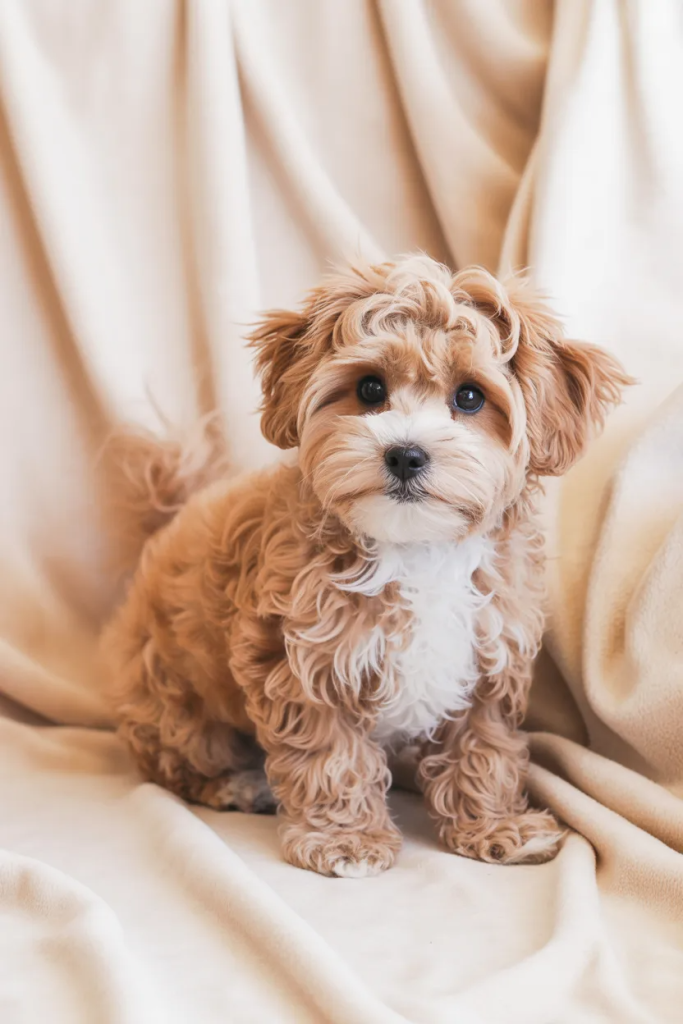
The Maltipoo is a cross between the Maltese and Toy Poodle.
Among all teddy bear dogs, I’ve noticed Maltipoos are often chosen by people looking for a devoted companion who enjoys staying close to family members.
Why They Look Like Teddy Bears
Their soft coats, compact size, and bright eyes create a classic stuffed-animal appearance.
Personality
Maltipoos are affectionate, intelligent, and highly people-oriented. They often develop strong attachments to their owners and enjoy being included in daily activities.
Quick Facts
- Weight: 5–20 pounds
- Height: 8–14 inches
- Lifespan: 12–16 years
- Energy Level: Moderate
Pro Tip
Maltipoos can become overly dependent on their owners. Teaching independence early can help reduce separation-related behaviors.
The Goldendoodle (Miniature)
Many people think of Goldendoodles as large dogs, but Mini Goldendoodles have become increasingly popular among families seeking a smaller companion.
This mix combines the Golden Retriever’s friendly personality with the Poodle’s intelligence.
Why They Look Like Teddy Bears
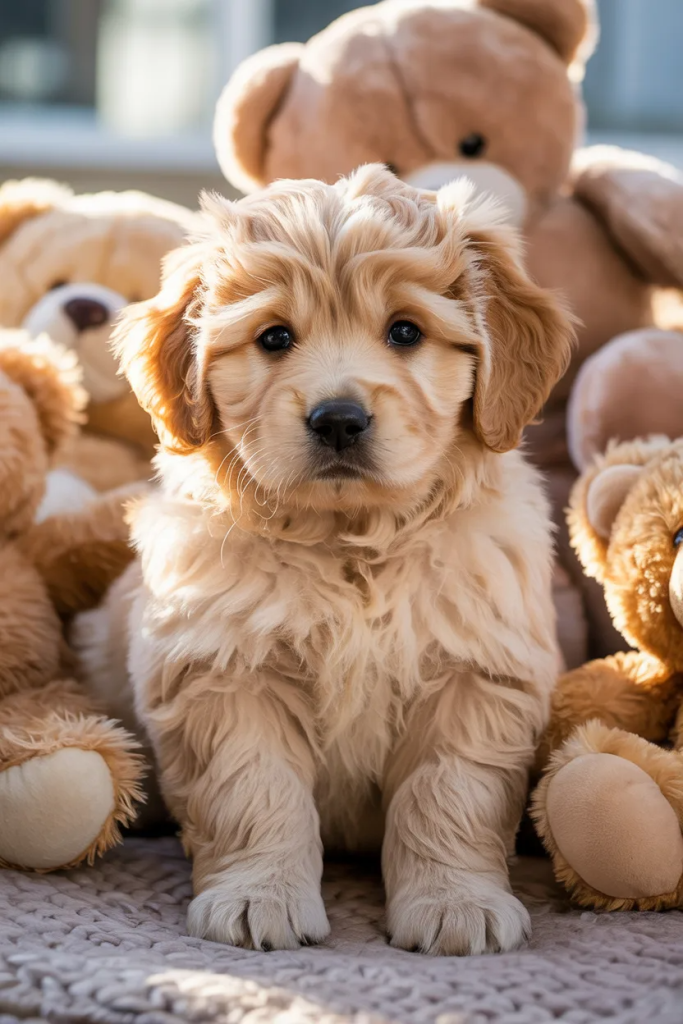
Their fluffy coats, rounded faces, and sturdy build often make them resemble oversized plush toys.
Personality
Mini Goldendoodles are energetic, social, and highly trainable. They generally enjoy outdoor activities and thrive in active households.
Quick Facts
- Weight: 15–35 pounds
- Height: 13–20 inches
- Lifespan: 10–15 years
- Energy Level: Moderate to High
Pro Tip
Mental stimulation is just as important as physical exercise. Interactive games and training sessions can help prevent boredom.
The Temperament of Teddy Bear Dogs: Popular Small Fluffy Mixes
One thing I’ve consistently noticed about teddy bear dogs is that their personalities often match their adorable appearance. Most of these mixes were bred to be companion animals first and foremost, which means they genuinely enjoy being around people.
While every dog is different, many teddy bear breeds share a few common traits: affection, intelligence, and adaptability. They typically want to be involved in whatever their family is doing, whether that’s watching television, working from home, or taking a walk around the neighborhood.
Affectionate and Social
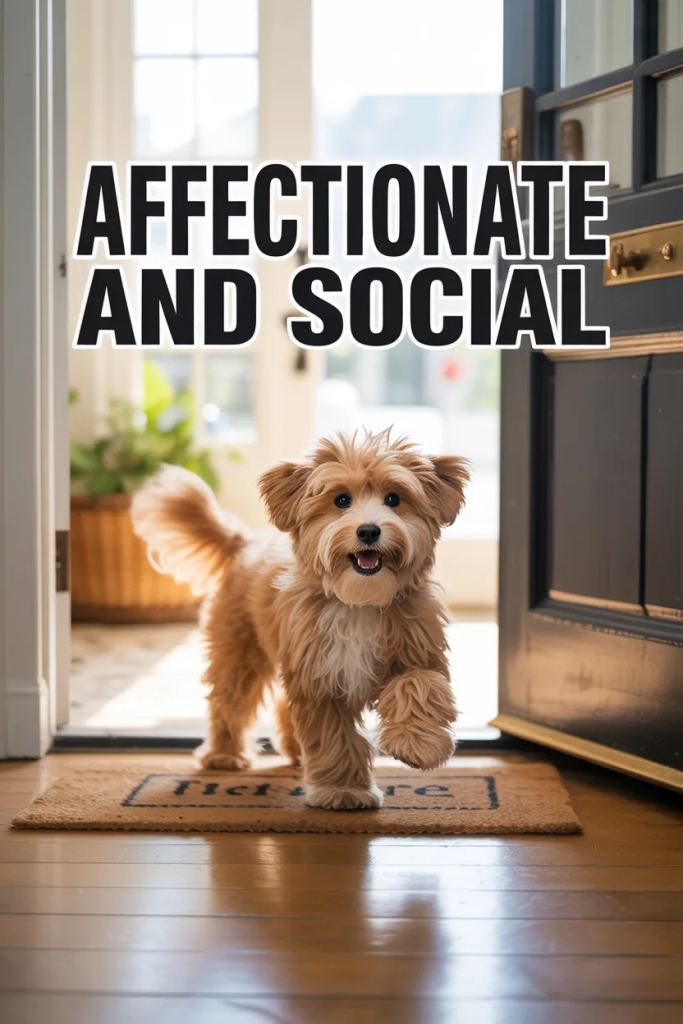
If you’re looking for a dog that enjoys spending time alone, a teddy bear dog may not be the best fit.
Most of these breeds thrive on human interaction. I’ve seen many owners describe them as “shadow dogs” because they tend to follow family members from room to room.
This affectionate nature makes them excellent companions for:
- Families
- Seniors
- Couples
- First-time dog owners
- Remote workers
Because they form strong bonds, many teddy bear dogs become excellent emotional support companions.
Intelligence and Trainability
Thanks to the influence of breeds like the Poodle, many teddy bear dogs learn quickly.
I’ve found that positive reinforcement works especially well with these dogs. Treats, praise, and consistency often produce better results than strict corrections.
The challenge comes when owners excuse bad behavior because the dog is small and cute. Behaviors such as excessive barking, jumping, and resource guarding can become bigger problems if ignored.
Energy Levels
Most teddy bear dogs fit somewhere in the middle when it comes to activity levels.
They usually don’t require intense exercise, but they still need daily activity to stay healthy and mentally stimulated.
A typical routine may include:
- One or two daily walks
- Indoor play sessions
- Puzzle toys
- Basic training exercises
- Social interaction
Many remain playful well into their senior years, which is one reason families enjoy them so much.
The Hypoallergenic Myth and Reality
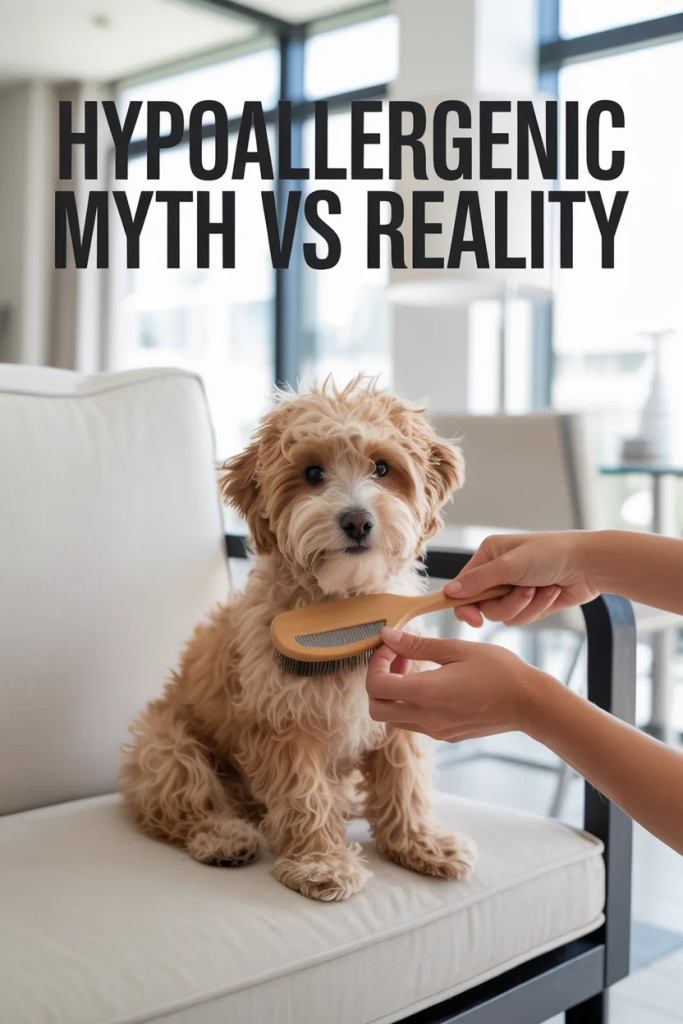
One of the biggest misconceptions I hear about teddy bear dogs is that they are completely hypoallergenic.
The truth is more complicated.
No dog breed is truly 100% hypoallergenic. People with pet allergies typically react to proteins found in saliva, skin cells, and dander rather than fur itself.
However, many teddy bear dogs shed less than other breeds because of their Poodle, Bichon, or Maltese ancestry.
What Low-Shedding Really Means
A low-shedding coat can help reduce the amount of hair and dander circulating through the home.
This may make symptoms more manageable for some allergy sufferers, but it does not guarantee an allergy-free experience.
My Recommendation
Whenever possible, spend time with the specific dog before bringing them home.
I’ve known people who reacted strongly to one Poodle mix but had no issues with another. Individual dogs can produce different levels of allergens.
Grooming: The Price of the Fluff
The fluffy coat that makes teddy bear dogs so attractive also creates their biggest maintenance requirement.
In my experience, many first-time owners underestimate how much grooming these dogs need.
Matting Is the Biggest Problem
Soft coats tangle easily.
Without regular brushing, mats can form close to the skin. These tangles are not just cosmetic issues. Severe matting can cause discomfort, skin irritation, and infections.
Brushing Schedule
I recommend brushing most teddy bear dogs at least three to four times each week.
Dogs with curlier coats may require daily brushing.
Helpful grooming tools include:
- Slicker brush
- Metal comb
- Detangling spray
- Grooming scissors for minor touch-ups
Professional Grooming
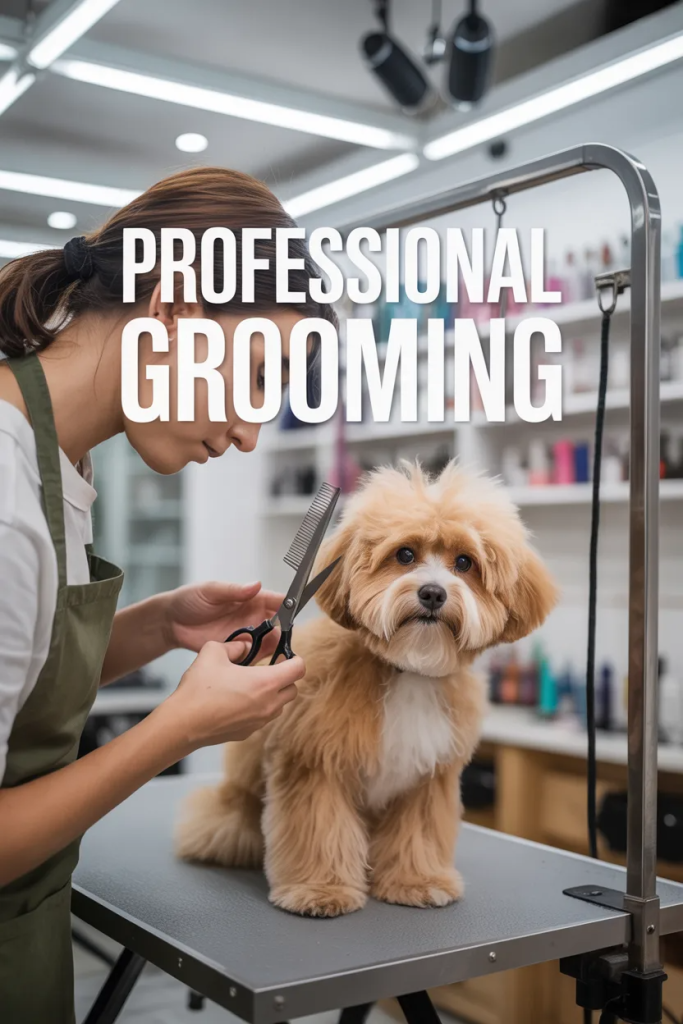
Most teddy bear dogs need professional grooming every four to eight weeks.
The exact schedule depends on coat type and length.
Professional grooming typically includes:
- Bathing
- Hair trimming
- Nail trimming
- Ear cleaning
- Coat maintenance
Eye Care Matters
Many light-colored teddy bear dogs develop tear stains beneath their eyes.
I’ve found that gently cleaning the area each day helps keep the face looking neat and reduces buildup around the eyes.
Pro Tip
Budget for grooming before bringing home a puppy. Grooming expenses often become one of the largest ongoing costs after food and veterinary care.
Health Considerations for Small Mixes
Mixed-breed dogs can benefit from genetic diversity, but they are not automatically free from inherited health conditions.
Understanding potential health concerns helps owners make informed decisions.
Dental Disease
Small dogs often have crowded teeth.
This crowding creates ideal conditions for plaque buildup, gum disease, and tooth loss.
According to veterinary dental organizations, dental disease affects a large percentage of dogs over three years of age, making routine dental care extremely important.
Prevention Tips
- Daily tooth brushing
- Dental chews approved by veterinarians
- Regular dental examinations
- Professional cleanings when recommended
Luxating Patella
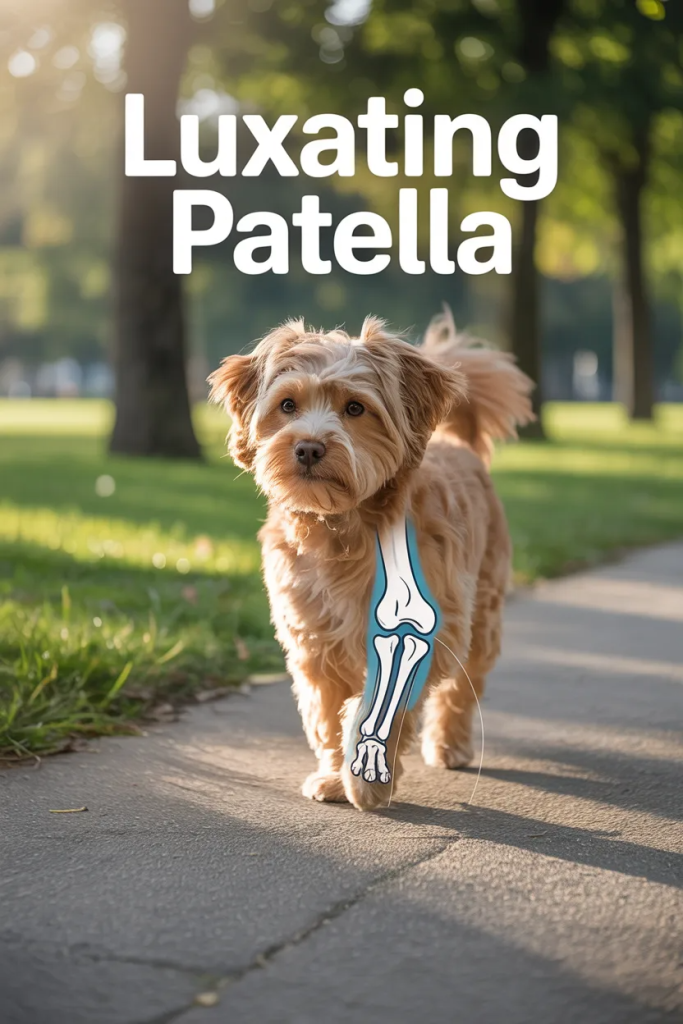
This condition occurs when the kneecap shifts out of place.
It is common among many small breeds used in teddy bear dog mixes.
Symptoms may include:
- Skipping while walking
- Occasional limping
- Reluctance to jump
Maintaining a healthy weight can help reduce stress on joints.
Breathing Challenges
Some teddy bear dogs inherit shorter muzzles from breeds such as the Shih Tzu.
Dogs with flatter faces may experience:
- Snoring
- Heat sensitivity
- Exercise intolerance
- Breathing difficulties
Extra caution is necessary during hot weather.
Ear Infections
Floppy ears and dense coats can trap moisture.
Regular ear cleaning and grooming help reduce infection risk.
Finding a Reputable Breeder vs. Puppy Mills
Choosing where your puppy comes from may be the most important decision you’ll make.
Unfortunately, teddy bear dogs are frequently targeted by irresponsible breeders because demand remains high.
Warning Signs to Avoid
Whenever I’m researching breeders, I pay close attention to red flags.
Avoid breeders who:
- Always have puppies available
- Offer multiple designer mixes at once
- Refuse health documentation
- Won’t allow visits
- Prioritize rare colors over health
- Advertise extremely tiny “teacup” puppies
Why Teacup Marketing Is Risky

Dogs intentionally bred to be unusually small often face increased health challenges.
These may include:
- Low blood sugar
- Heart problems
- Fragile bones
- Organ issues
Healthy breeding practices should always take priority over size.
What Responsible Breeders Do
A quality breeder typically:
- Performs health testing
- Raises puppies indoors
- Provides veterinary records
- Offers ongoing support
- Screens potential owners carefully
Good breeders care about where their puppies go.
Adoption Is Worth Considering
Many people assume teddy bear dogs only come from breeders.
That’s not true.
Rescue groups and shelters frequently receive Poodle mixes, Maltipoos, Cavapoos, and other similar dogs.
Adoption can provide a loving home to a dog in need while reducing overall costs.
Is a Teddy Bear Dog Right for You?

I always encourage people to evaluate their lifestyle honestly before choosing any dog.
Teddy bear dogs make wonderful companions, but they are not ideal for everyone.
A Teddy Bear Dog May Be Perfect If:
- You want a companion-focused pet
- You enjoy spending time at home
- You can commit to grooming
- You want a small dog
- You value affection and interaction
- You can provide consistent training
You May Want to Reconsider If:
- You’re rarely home
- You dislike grooming
- You want a highly independent dog
- You have limited time for training
- Your budget is extremely tight
Cost Expectations
While costs vary, owners should prepare for:
- Veterinary visits
- Vaccinations
- Grooming appointments
- Food
- Toys
- Pet insurance
- Emergency expenses
Planning ahead helps avoid surprises later.
Living with a Living Toy
Living with a teddy bear dog is often as rewarding as people imagine.
What stands out most to me isn’t their appearance—it’s how much joy they bring into everyday life.
These dogs seem to have a talent for making ordinary moments feel special. Whether they’re curled beside you during a movie or greeting you at the door after a long day, their companionship becomes part of your routine.
Many owners say the same thing: they originally fell in love with the look, but they stayed in love with the personality.
The fluffy coat may attract attention, but the loyalty and affection are what make these dogs unforgettable.
Frequently Asked Questions
What is the most popular teddy bear dog breed?
The Cavapoo, Maltipoo, and Shichon are currently among the most popular teddy bear dog mixes because of their friendly personalities and manageable size.
Are teddy bear dogs good for apartments?
Yes. Most teddy bear dogs adapt well to apartment living as long as they receive daily exercise, mental stimulation, and companionship.
Do teddy bear dogs shed?
Many shed less than traditional breeds, but no teddy bear dog is completely non-shedding.
How often should teddy bear dogs be groomed?
Most require brushing several times per week and professional grooming every four to eight weeks.
Are teddy bear dogs good with children?
Many teddy bear breeds do well with respectful children when properly socialized from a young age.
How long do teddy bear dogs live?
Depending on the mix, most live between 10 and 17 years with proper care, nutrition, and veterinary support.
Conclusion
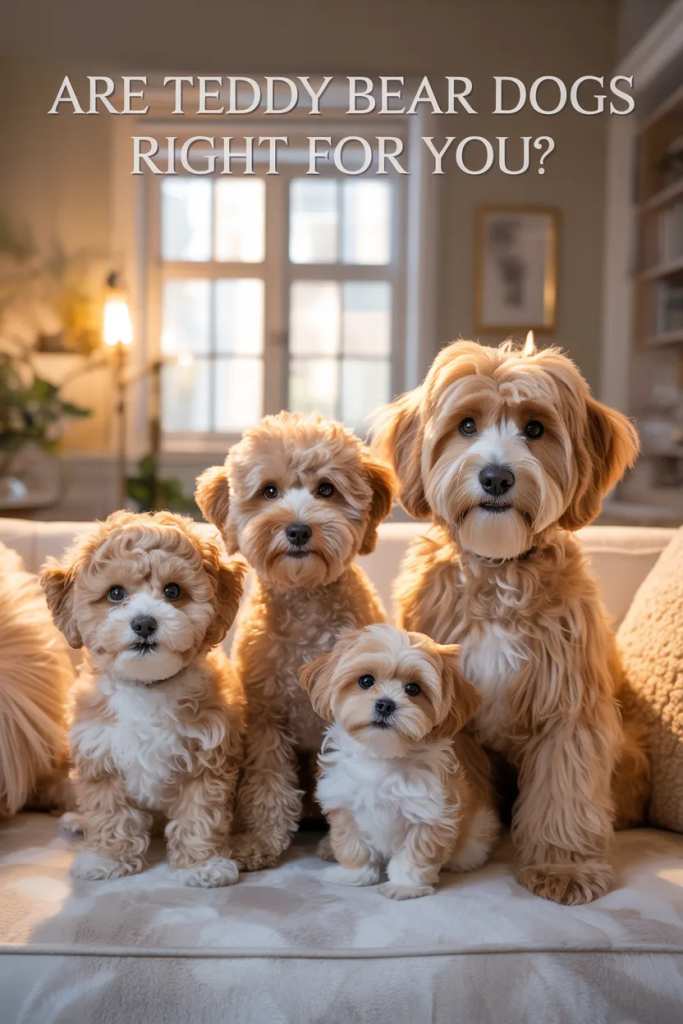
After spending years around companion breeds and speaking with countless owners, I’ve learned that teddy bear dogs offer much more than a cute appearance. Their affectionate personalities, intelligence, and adaptability make them excellent companions for the right households.
That said, their fluffy coats come with responsibility. Regular grooming, training, and social interaction are essential parts of ownership. These dogs thrive when they’re treated as family members rather than decorative pets.
Whether you’re drawn to the playful Cavapoo, the loyal Shih-Poo, the gentle Shichon, or the affectionate Maltipoo, choosing a teddy bear dog should be about more than appearance alone.
If you’re prepared for the commitment, you’ll likely gain a devoted friend who fills your home with companionship, entertainment, and plenty of cuddles for many years to come.


