
What to Do If Your Dog Gets Too Fat (Real Owner Tips)
Written By:
When I realized my dog had gained more weight than expected, I knew I had to make changes before it affected their health. Extra weight in dogs can increase the risk of joint problems, heart disease, diabetes, breathing difficulties, and a shorter lifespan. According to the Association for Pet Obesity Prevention, more than half of pet dogs are overweight or obese, making it one of the most common health concerns for dog owners.
Above the Fold
In this guide, I share the practical steps that helped my dog return to a healthier weight. I’ll explain how to recognize the warning signs, identify the cause, adjust feeding habits, increase activity safely, and monitor progress without creating unnecessary stress. These simple habits made a noticeable difference in my dog’s energy, mobility, and overall happiness.
Introduction
The day I noticed my dog struggling to keep up on our usual walk, I knew something had changed. At first, I thought it was simply getting older, but after paying closer attention, I realized the extra weight was making everyday activities harder.
If you’re wondering what to do if your dog gets too fat, don’t feel discouraged. Many loving owners go through the same situation. The good news is that healthy weight loss doesn’t require extreme diets or exhausting exercise. With patience, consistency, and guidance from your veterinarian, you can help your dog feel active again.
Key Takeaways
- More than half of pet dogs are overweight, making weight management an important part of long-term health.
- Early action helps prevent joint, heart, and mobility problems.
- A veterinary checkup should always come before major diet changes.
- Measuring meals accurately prevents accidental overfeeding.
- Healthy weight loss happens gradually through balanced nutrition and daily activity.
- Exercise should increase slowly based on your dog’s age and fitness level.
- Progress is best measured over weeks and months, not every day.
Recognize the Signs of Dog Weight Gain
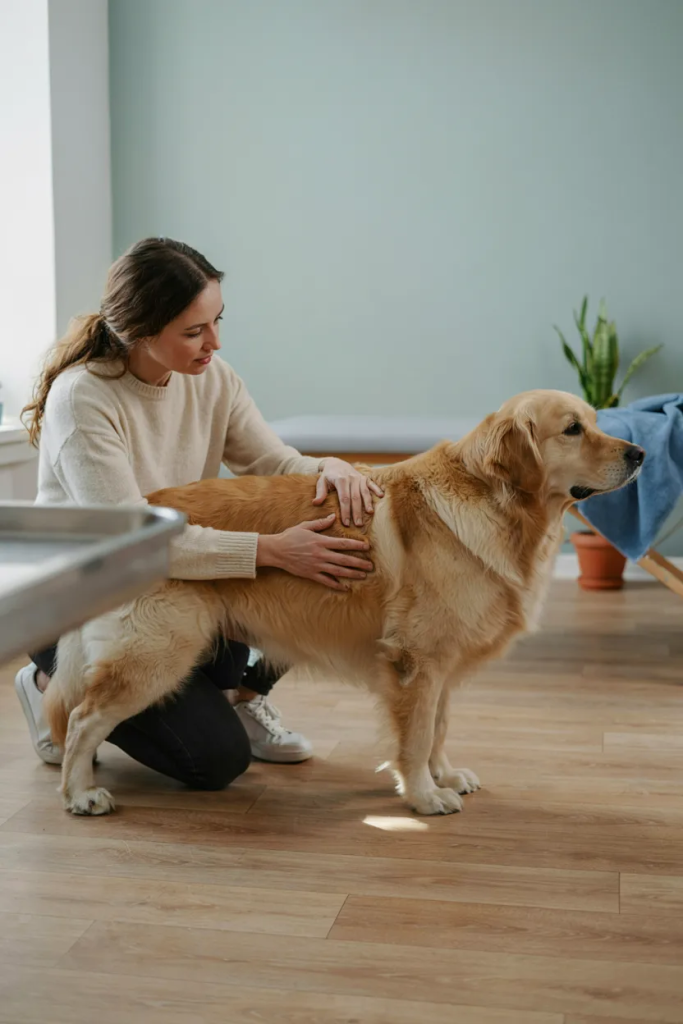
The first thing I noticed wasn’t the number on a scale. My dog seemed less interested in long walks, became tired sooner, and spent more time resting during the day. Those small changes were easier to spot than physical weight gain.
I also found it harder to feel my dog’s ribs without pressing firmly, and the waistline wasn’t as visible from above. These are common body condition changes that veterinarians use when checking a dog’s weight. Catching these signs early can make weight management much easier.
Pro Tip: Take a full-body photo of your dog every month from the side and above. Comparing pictures often reveals gradual weight changes that are easy to miss day to day.
Understand Why the Weight Gain Happened
I realized my dog’s extra weight wasn’t caused by one single habit. A few extra treats, leftovers from family meals, less outdoor time during bad weather, and fewer active play sessions slowly added up.
Sometimes weight gain can also be linked to aging, neutering, medications, or medical conditions like hypothyroidism. That’s why I found it helpful to look at my dog’s entire routine instead of blaming one specific factor.
Talk to Your Vet Before Making Changes
Before changing my dog’s food, I scheduled a veterinary visit. That appointment gave me peace of mind because it ruled out medical conditions and provided a realistic target weight.
My veterinarian also recommended a safe weekly weight-loss goal. In many cases, experts suggest gradual weight loss rather than rapid changes, since losing weight too quickly can create additional health concerns.
Measure Food Portions Properly
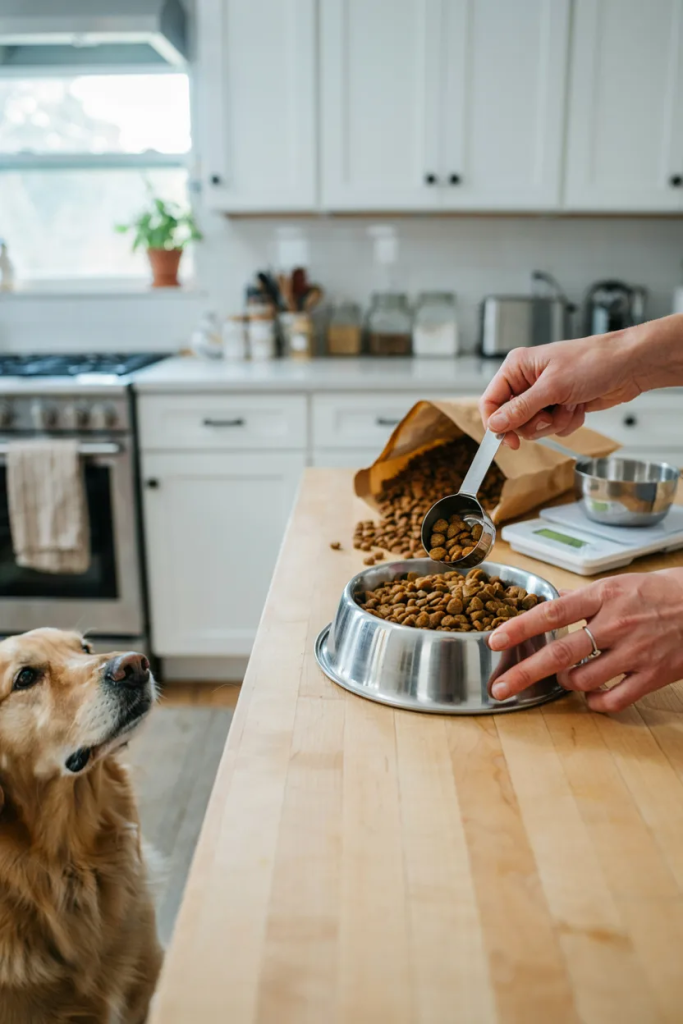
I was surprised to learn that I had been estimating meal sizes instead of measuring them. Even a small extra scoop twice a day can lead to significant weight gain over several months.
Using a measuring cup or kitchen scale made feeding much more consistent. Once I followed the recommended serving size based on my dog’s ideal weight, I noticed steady improvements without making my dog feel deprived.
Pro Tip: Everyone in the household should follow the same feeding plan so meals and treats don’t accidentally get doubled.
Switch to Healthier, Lower-Calorie Food
Rather than feeding less of the same food, my veterinarian recommended switching to a balanced weight-management formula designed for overweight dogs. The transition happened gradually over about a week to avoid digestive problems.
Many quality weight-control foods contain extra fiber and protein, which help dogs stay full while reducing unnecessary calories. Choosing a complete and balanced diet is much safer than creating homemade calorie restrictions without professional advice.
Cut Back on Treats Without Cutting Love
This change felt emotional because giving treats had become part of our daily routine. I didn’t want my dog to think I was showing less affection.
Instead, I started rewarding good behavior with praise, belly rubs, short games, and occasional healthy treats like small pieces of carrot or green beans when approved by my veterinarian. My dog quickly learned that attention mattered just as much as food.
Increase Daily Movement Gradually
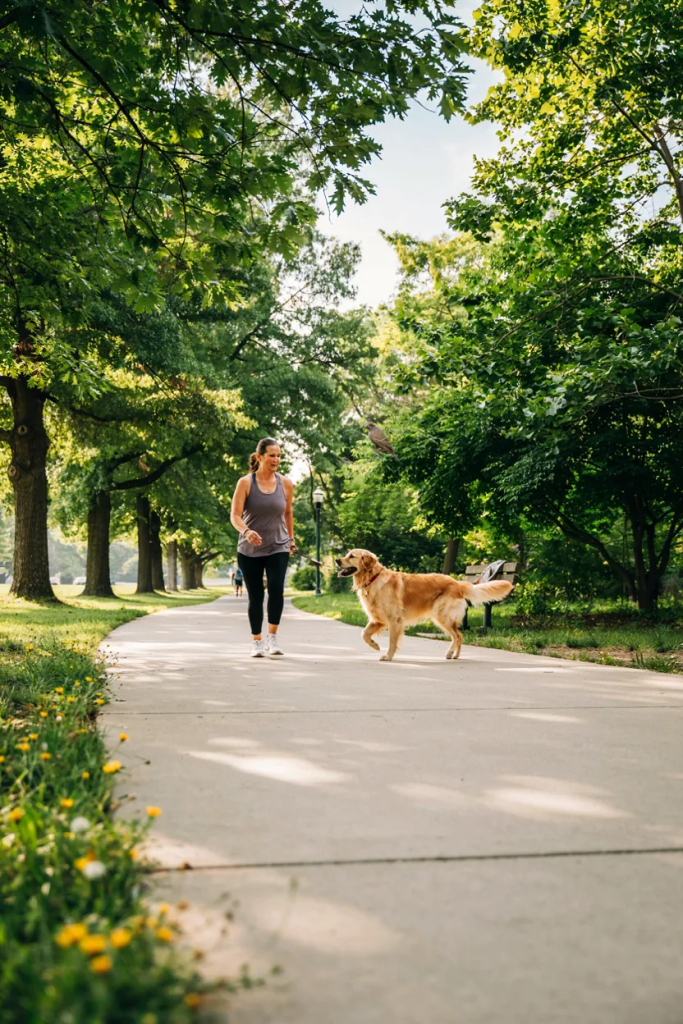
I avoided making sudden changes because overweight dogs can put extra stress on their joints. We began with short walks and slowly added a few extra minutes each week.
As fitness improved, my dog became more enthusiastic about exercise. Consistency mattered much more than intensity, and regular daily walks became part of our routine again.
Use Playtime as Exercise
Exercise didn’t always have to feel like a workout. Playing fetch, gentle tug games, scent activities, and food puzzle toys encouraged movement while keeping my dog mentally engaged.
Interactive play also strengthened our bond, making healthy habits something we both looked forward to instead of treating them like a chore.
Pro Tip: Rotate toys every few days to keep your dog interested and excited during play sessions.
Track Progress Without Obsession
Instead of checking weight constantly, I monitored progress once every few weeks. I paid attention to energy levels, easier movement, improved endurance, and body shape rather than focusing only on numbers.
Healthy weight loss is usually gradual. Staying patient helped me avoid making unnecessary changes and allowed my dog to improve at a comfortable pace.
My Honest Experience Helping My Dog Lose Weight
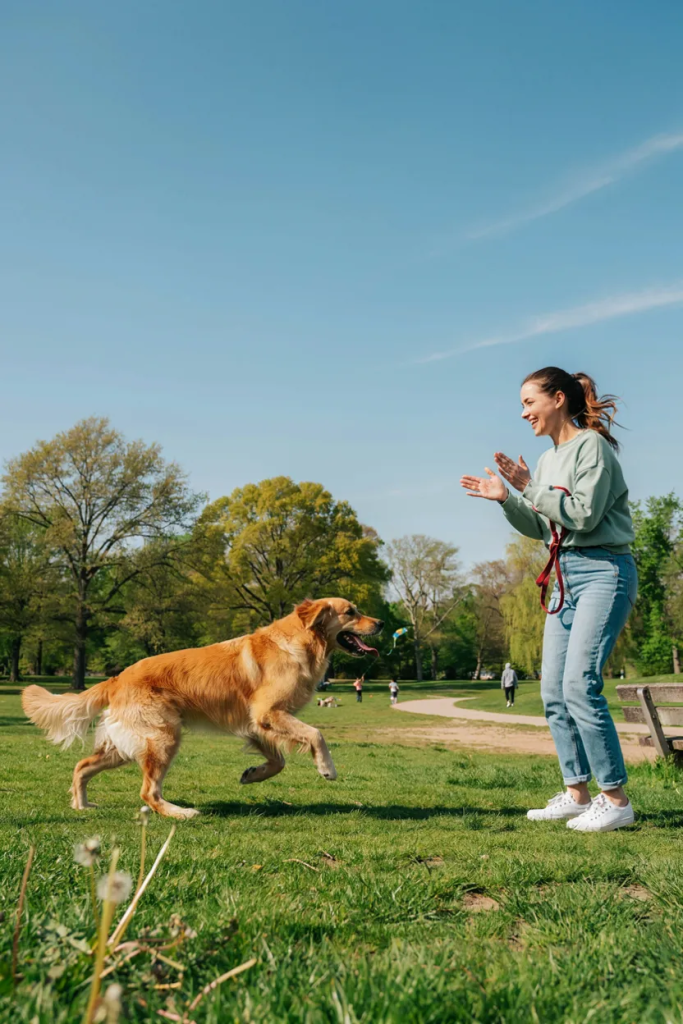
Helping my dog lose weight taught me that small habits make the biggest difference. I didn’t need expensive products or complicated routines. I simply became more consistent with meals, exercise, and regular veterinary guidance.
Today, my dog enjoys longer walks, plays with more enthusiasm, and seems happier overall. If you’re wondering what to do if your dog gets too fat, remember that every healthy choice you make adds up over time. Progress may be slow, but every step brings your dog closer to a healthier and more active life.
FAQs
How can I tell if my dog is overweight?
I check whether I can easily feel my dog’s ribs, look for a visible waist from above, and watch for reduced energy. Your veterinarian can also perform a body condition assessment.
Can overweight dogs lose weight safely?
Yes. Gradual weight loss through proper nutrition, portion control, and regular exercise is considered the safest approach.
Should I feed my dog less food immediately?
I recommend speaking with your veterinarian first. Suddenly reducing food without guidance can leave your dog lacking important nutrients.
Are treats completely off-limits?
No. I simply reduced the number of treats and chose healthier alternatives while keeping treats below about 10% of daily calorie intake.
How long does healthy dog weight loss take?
Every dog is different, but healthy weight loss usually happens gradually over several months rather than just a few weeks.
Conclusion
Watching my dog return to a healthy weight reminded me that lasting results come from small, consistent habits instead of quick fixes. By measuring meals, choosing balanced nutrition, encouraging daily movement, and working closely with my veterinarian, I helped my dog become healthier without making life stressful. If your dog has gained extra weight, start with one simple improvement today. Those small changes can lead to a happier, healthier future for both of you.


