14 Best Teddy Bear Dog Breeds You’ll Fall in Love With
Written By:

I’ve always believed that a dog’s personality matters just as much as its appearance, but there’s something truly special about dogs that look like cuddly teddy bears. Their fluffy coats, round faces, and gentle expressions instantly make people smile. While these breeds are incredibly adorable, each one has unique traits, energy levels, grooming needs, and family compatibility.
Above the Fold
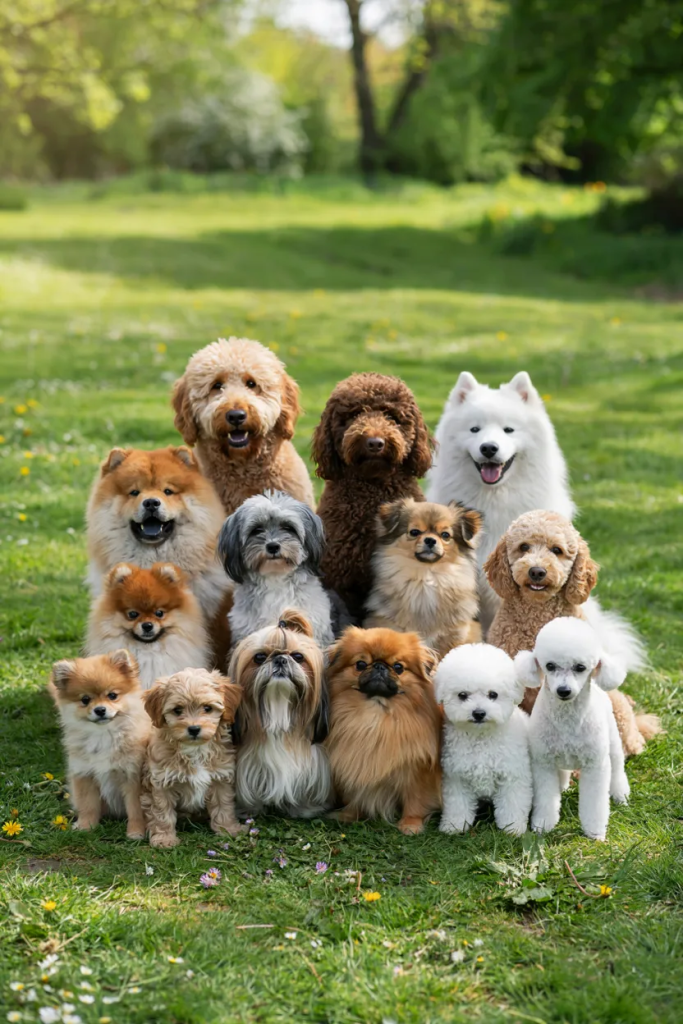
In this guide, I’m sharing my favorite teddy bear dog breeds based on their appearance, temperament, and what I’ve learned from breed standards, experienced owners, and years of observing different dogs. Whether you’re looking for a small lap dog or a larger fluffy companion, you’ll find a breed that perfectly matches your lifestyle.
Introduction
Whenever I meet a fluffy dog with bright eyes and a soft coat, I understand why people call them teddy bear dogs. Their appearance makes them look like living stuffed animals, but what makes them truly special is their affectionate nature and loyal companionship.
According to the American Pet Products Association (APPA), over 66% of U.S. households own a pet, with dogs remaining the most popular companion animal. It’s easy to see why teddy bear dog breeds continue growing in popularity—they combine adorable looks with loving personalities that fit many different homes.
Key Takeaways
- Teddy bear dog breeds are loved for their fluffy coats and friendly personalities.
- Every breed has different grooming, exercise, and training requirements.
- Some breeds are ideal for apartments, while others need larger spaces.
- Regular grooming keeps these dogs looking healthy and comfortable.
- Choosing a breed based on temperament is just as important as appearance.
- Many teddy bear breeds make excellent family pets because of their affectionate nature.
1. Shih Tzu
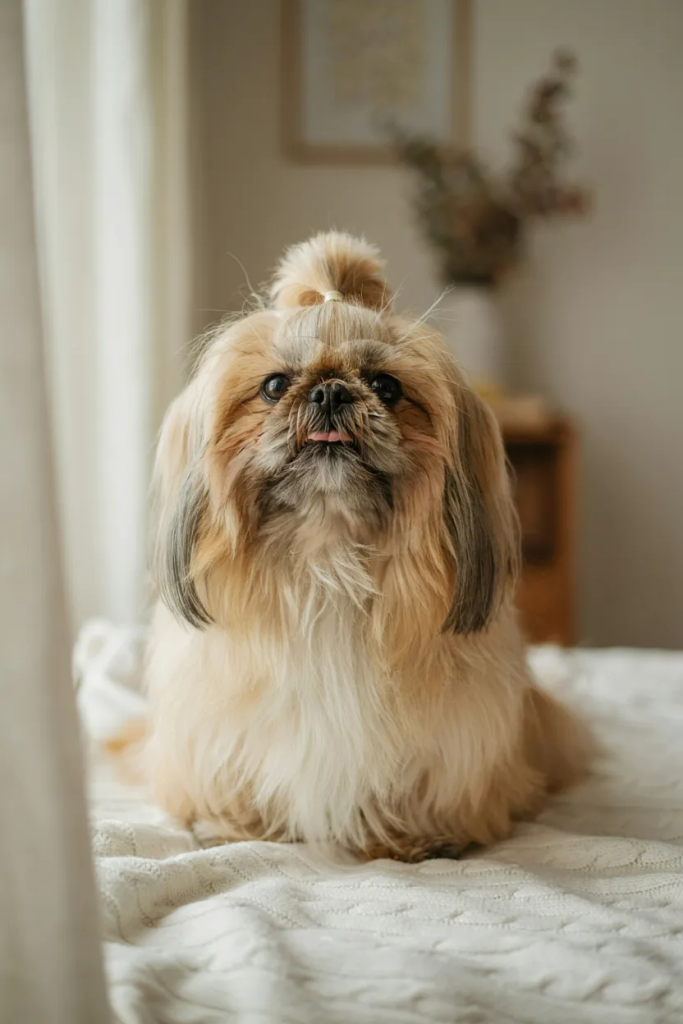
Whenever I think about classic teddy bear dogs, the Shih Tzu is always one of the first breeds that comes to mind. Their round face, long silky coat, and gentle expression make them look like soft plush toys.
I’ve noticed that Shih Tzus enjoy staying close to their families. They don’t need excessive exercise, making them excellent companions for apartment living, seniors, and families looking for a calm indoor dog.
Pro Tip: Daily brushing helps prevent mats and keeps their beautiful coat soft and healthy.
2. Pomeranian
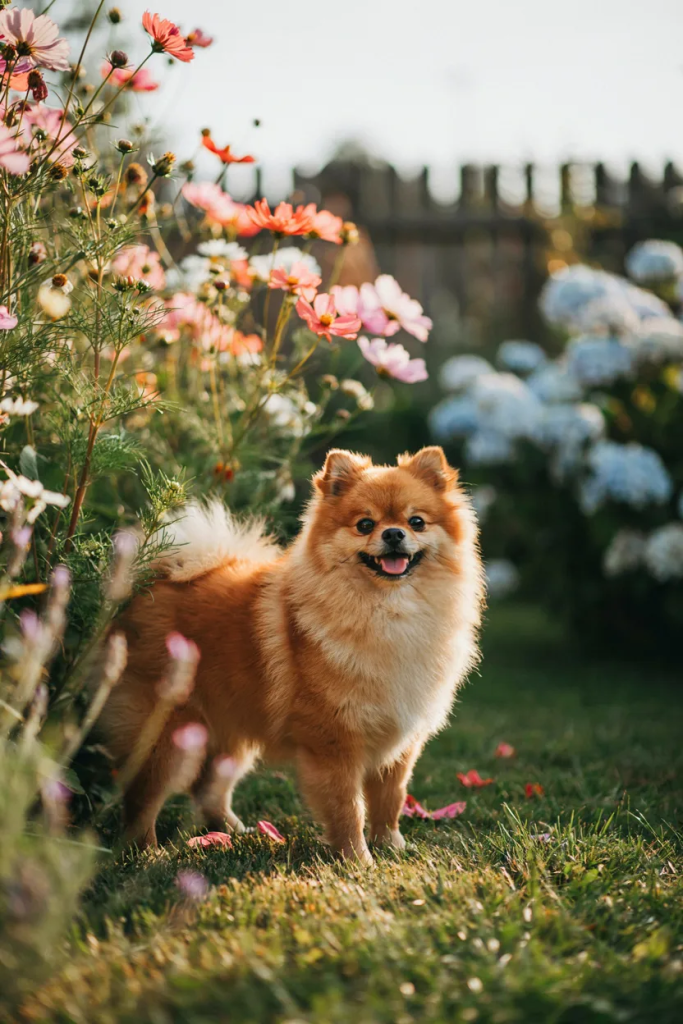
Pomeranians may be tiny, but their fluffy double coat gives them an oversized teddy bear appearance. Their fox-like face mixed with their thick fur creates an irresistibly cute look.
From what I’ve seen, these little dogs are confident, energetic, and surprisingly fearless. They love attention and enjoy learning tricks that show off their intelligence.
3. Bichon Frise
The Bichon Frise has one of the softest and fluffiest coats among companion breeds. Their white curls create a cloud-like appearance that perfectly matches the teddy bear nickname.
I appreciate how cheerful and social these dogs are. They enjoy spending time with people and usually get along well with children and other pets.
Pro Tip: Professional grooming every 4 to 6 weeks helps maintain their signature rounded appearance.
4. Maltipoo
The Maltipoo combines the gentle nature of the Maltese with the intelligence of the Poodle. Their fluffy coat, small size, and expressive eyes make them incredibly charming.
I’ve found that Maltipoos build strong emotional bonds with their owners. They’re affectionate companions who enjoy both playtime and relaxing on the couch.
5. Cavapoo
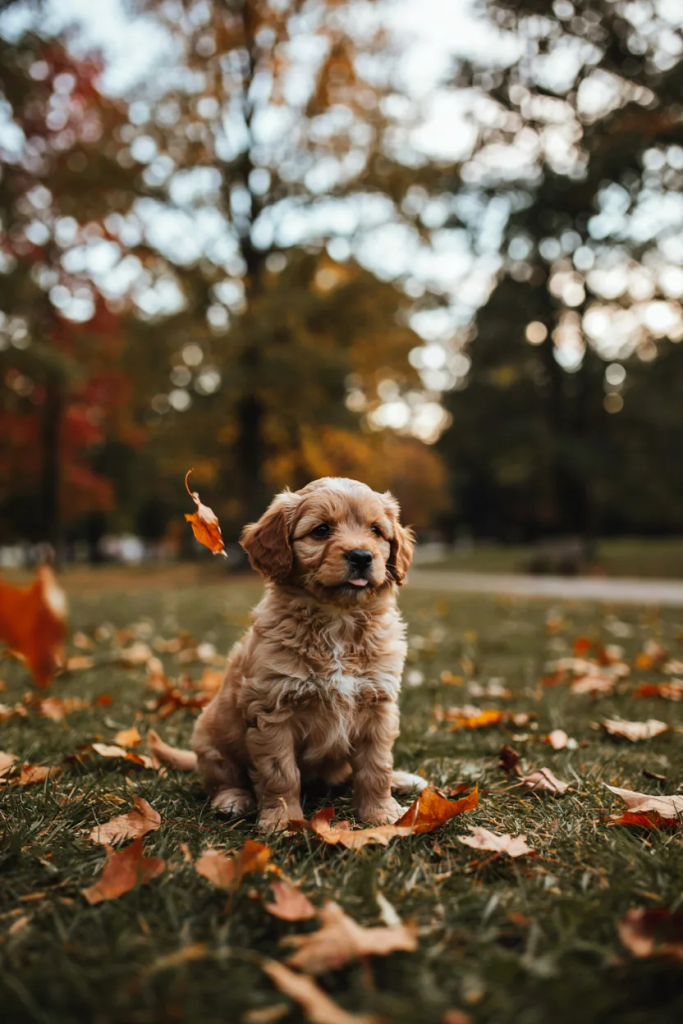
The Cavapoo has soft curls, warm eyes, and a naturally friendly personality that wins people over almost instantly.
I like recommending this breed to families because they adapt well to different lifestyles. Whether living in a house or apartment, they simply want to spend time with the people they love.
6. Cockapoo
Cockapoos have a naturally fluffy coat that gives them a relaxed teddy bear appearance. Every dog has slightly different curls, making each one unique.
I’ve seen Cockapoos thrive in active families because they’re playful, intelligent, and eager to participate in everyday activities.
Pro Tip: Early obedience training helps this smart breed become an exceptionally well-behaved companion.
7. Chow Chow
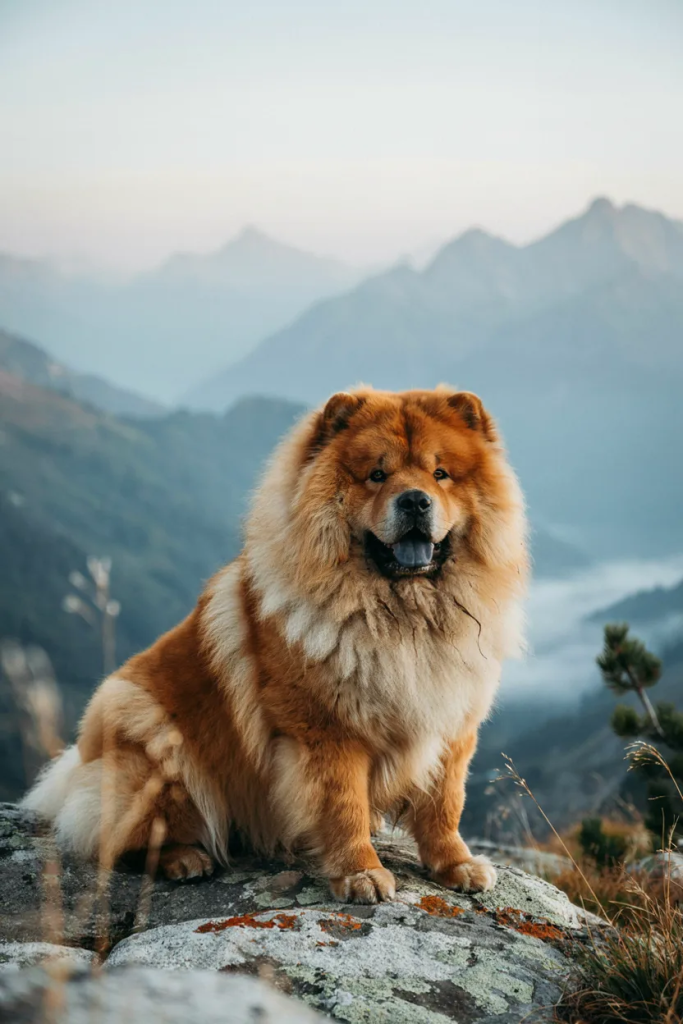
The Chow Chow has one of the most recognizable teddy bear appearances thanks to its thick mane, broad head, and plush coat.
Although they may appear reserved around strangers, I’ve learned they’re incredibly devoted to the people they trust. Early socialization helps them grow into confident adult dogs.
8. Goldendoodle
Goldendoodles combine the intelligence of the Poodle with the friendly personality of the Golden Retriever. Their fluffy coat makes them look like oversized teddy bears.
I’ve met many Goldendoodles that enjoy being involved in every family activity. They’re playful, affectionate, and highly trainable, making them popular family pets.
9. Labradoodle
Labradoodles are another favorite among teddy bear dog lovers. Their soft curly coats and friendly expressions give them an adorable appearance.
I appreciate how energetic and affectionate they are. They usually enjoy outdoor adventures, games, and spending quality time with children.
10. Toy Poodle
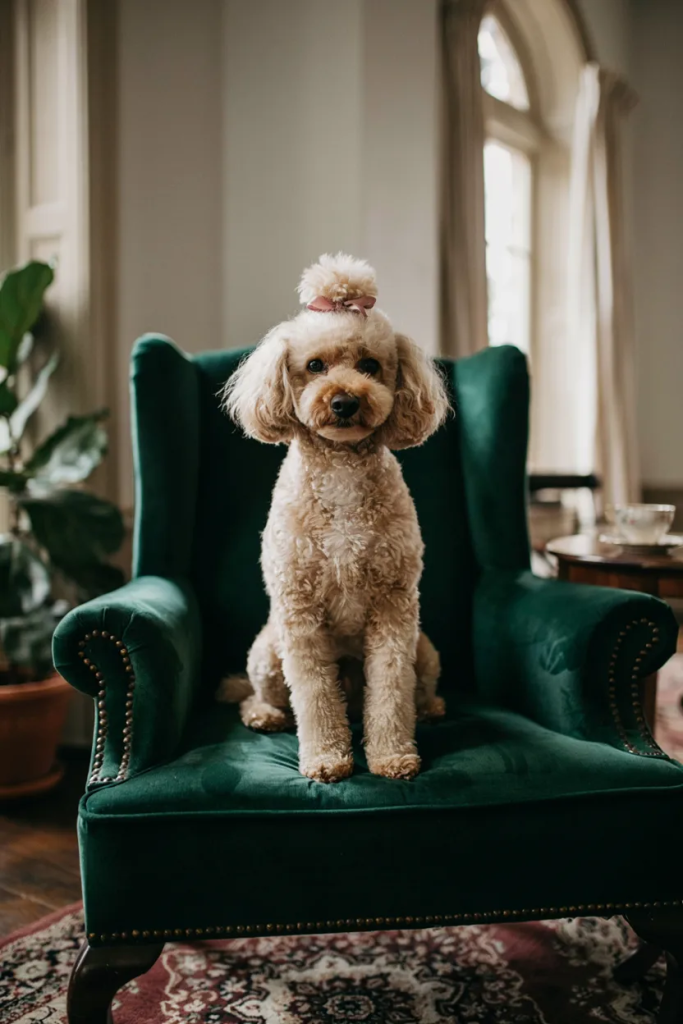
Toy Poodles prove that intelligence and cuteness can exist together. Their curly coat creates a fluffy teddy bear look while remaining elegant.
I’ve always admired how quickly they learn commands and routines. Mental stimulation is just as important as physical exercise for this clever breed.
11. Havanese
The Havanese has a silky coat, bright personality, and affectionate temperament that make it an outstanding companion dog.
From my experience, these dogs enjoy being around people throughout the day. They’re adaptable, gentle, and fit comfortably into many family environments.
12. Tibetan Spaniel
The Tibetan Spaniel has expressive eyes and a soft coat that give it a comforting teddy bear appearance.
I’ve noticed they tend to be observant rather than overly energetic. They enjoy quiet companionship while still remaining playful with their families.
13. Samoyed
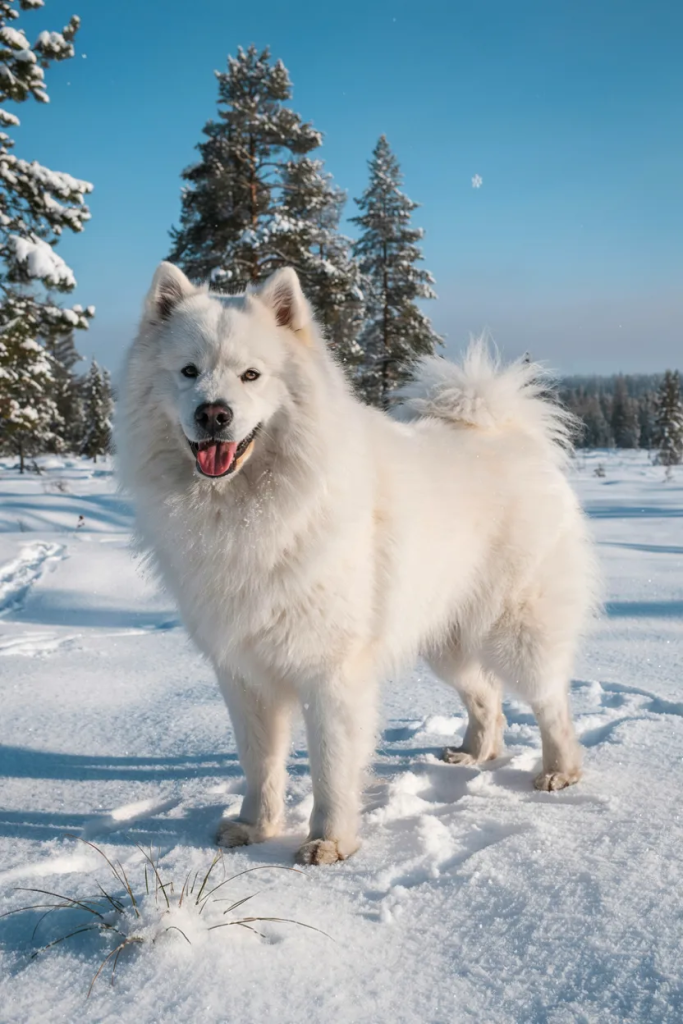
The Samoyed stands out with its brilliant white coat, famous smile, and incredibly fluffy appearance. They resemble giant snow-colored teddy bears.
These dogs are naturally social and enjoy being part of family life. Because of their thick double coat, they do especially well in cooler climates.
Pro Tip: Frequent brushing helps reduce shedding and keeps the dense coat healthy year-round.
14. Pekingese
The Pekingese has a luxurious coat and a proud personality that gives it a distinctive teddy bear appearance.
I’ve found that they form deep attachments to their owners and appreciate calm environments where they can relax and receive plenty of affection.
Conclusion
To me, the best teddy bear dog breeds offer much more than adorable looks. They provide companionship, loyalty, comfort, and years of unforgettable memories. Whether you prefer the tiny Pomeranian, the affectionate Cavapoo, or the majestic Samoyed, every breed brings something unique to the family.
Before bringing one home, I always recommend researching grooming needs, exercise requirements, health considerations, and temperament. Choosing the right breed based on your lifestyle will lead to a happier dog and a stronger lifelong bond.
Frequently Asked Questions
1. What is a teddy bear dog breed?
A teddy bear dog breed is a dog with a fluffy coat, round face, and soft features that make it resemble a stuffed teddy bear. Some are purebred, while others are designer crossbreeds.
2. Which teddy bear dog breed is the cutest?
I think cuteness depends on personal preference, but Shih Tzus, Pomeranians, Cavapoos, and Bichon Frises are among the most popular choices because of their adorable appearance.
3. Are teddy bear dog breeds good family pets?
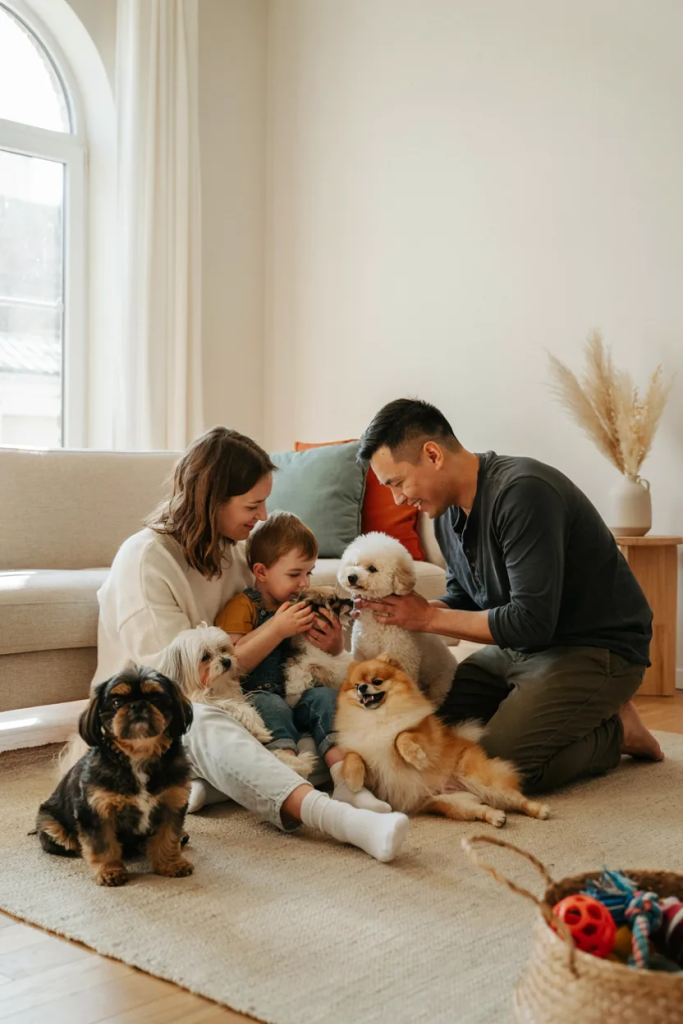
Yes. Many teddy bear dog breeds are affectionate, friendly, and enjoy spending time with children and adults, making them excellent family companions.
4. Which teddy bear dog breed is best for apartment living?
From my experience, Shih Tzus, Maltipoos, Toy Poodles, Havanese, and Pekingese adapt very well to apartment life because they don’t require large living spaces.
5. Do teddy bear dogs shed a lot?
It depends on the breed. Bichon Frises, Poodles, and many Poodle mixes tend to shed less, while Samoyeds, Chow Chows, and Pomeranians shed more throughout the year.
6. Are teddy bear dog breeds easy to train?
Most are eager to learn, especially Toy Poodles, Goldendoodles, Labradoodles, and Cockapoos. Starting training early with positive reinforcement usually produces the best results.
7. Which teddy bear dog breed is best for first-time owners?
I often recommend the Cavapoo, Maltipoo, or Havanese because they are friendly, adaptable, and generally easier for beginners to care for.
8. How often should teddy bear dogs be groomed?
Most fluffy breeds need brushing several times a week and professional grooming every 4 to 8 weeks to keep their coats healthy and free from tangles.
9. Are teddy bear dog breeds good with children?
Yes. Many of these breeds are gentle and patient with kids, although it’s always important to supervise interactions between young children and any dog.
10. Which teddy bear dog breed lives the longest?
Smaller breeds like the Shih Tzu, Toy Poodle, Havanese, and Maltipoo often live between 12 and 16 years with proper care, a healthy diet, and regular veterinary checkups.


