
Long-Haired Wiener Dogs: Grooming and Temperament
Written By:
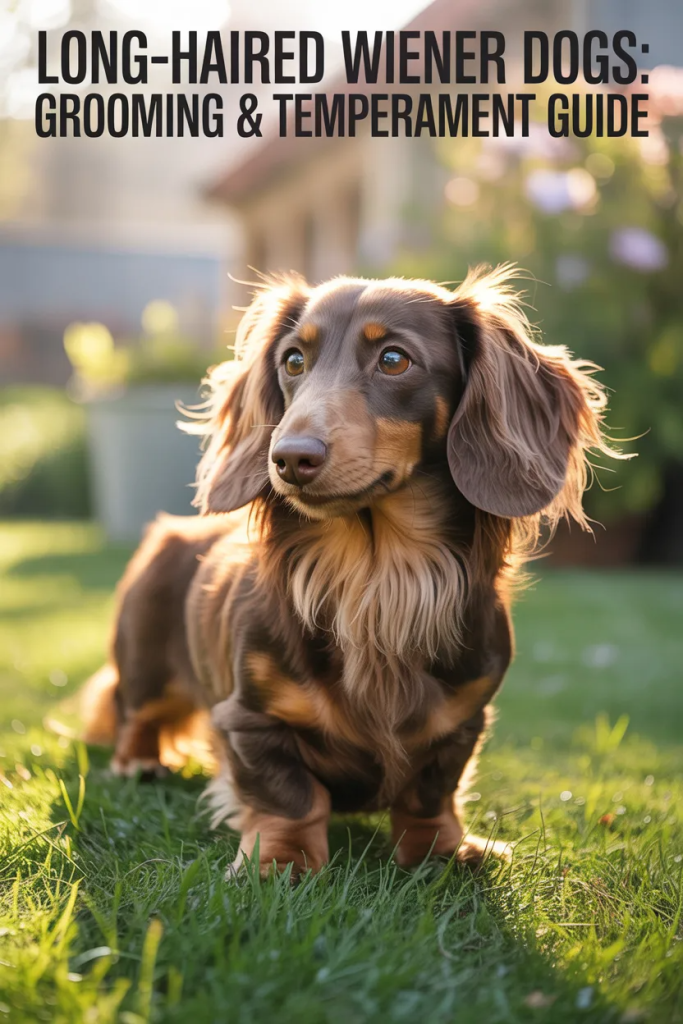
Long-Haired Wiener Dogs have always stood out to me because they combine the playful personality of a dachshund with a soft, elegant appearance. Their flowing coats may look fancy, but these dogs are still energetic hunters at heart. Over the years, I have noticed that many people choose them because they want a small companion that is affectionate, loyal, and full of character.
While their beautiful coat attracts attention, there is much more to living with a long-haired dachshund than appearance alone. Proper grooming, weight management, training, and socialization all play an important role in helping them live a healthy life. According to breed health organizations, maintaining a healthy body weight can significantly reduce the risk of back problems, which remain one of the breed’s biggest health concerns.
In this guide, I will cover everything I believe new and experienced owners should know about Long-Haired Wiener Dogs. From their history and personality to grooming routines and family life, this article provides a complete overview to help you decide whether this charming breed is the right fit for your home.
Quick Overview
Long-Haired Wiener Dogs are a coat variation of the dachshund known for their silky fur, friendly nature, and strong bond with their families. They generally require brushing several times per week, moderate daily exercise, and special attention to spinal health. While they are often considered calmer than other dachshund coat types, they still have an independent streak and need consistent training.
Key Takeaways
- Long-Haired Wiener Dogs are often considered the gentlest dachshund coat variety.
- Regular brushing helps prevent mats and keeps the coat healthy.
- Back protection should be a daily priority due to the risk of spinal issues.
- Positive reinforcement works best during training.
- Early socialization helps create a confident and friendly adult dog.
- They thrive in homes where they receive plenty of companionship and attention.
The Origins of the Long-Haired Coat
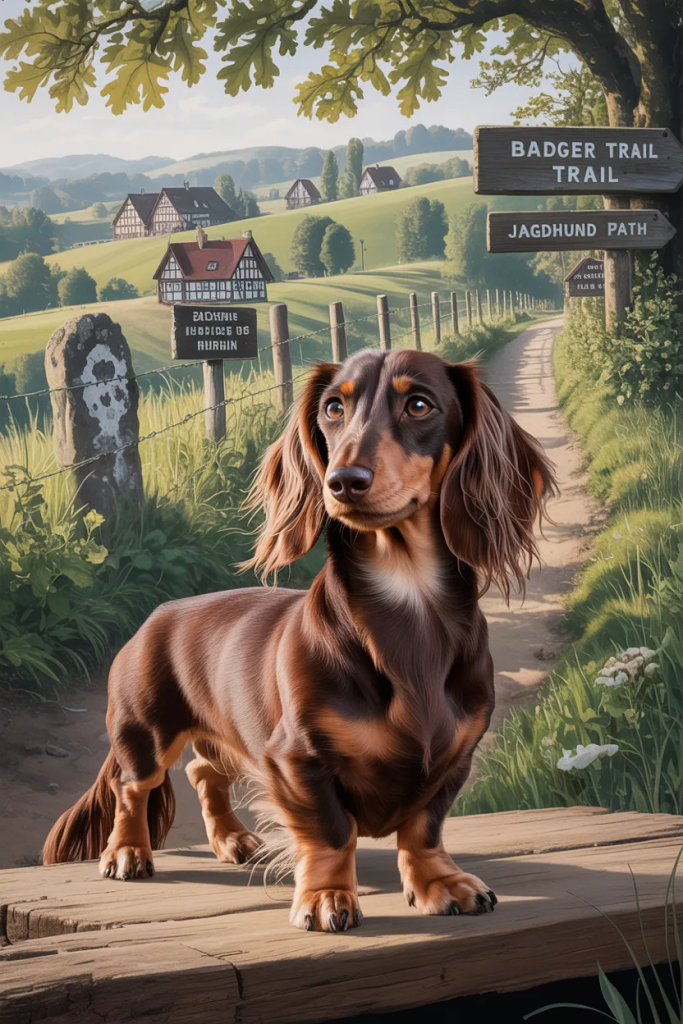
Whenever I look at a long-haired dachshund, I can still see the hunting dog hidden beneath the beautiful coat. The breed’s roots go back hundreds of years to Germany, where dachshunds were developed to track and hunt badgers in underground tunnels. Their long bodies and fearless attitude made them highly effective working dogs.
The long-haired version appeared later when breeders wanted a dog that could handle cooler weather and rougher terrain. Historical records suggest that early breeders introduced spaniel-type dogs into breeding programs, which helped create the silky coat seen today.
What I find especially interesting is that this influence may have affected more than appearance. Many owners, trainers, and breeders believe the long-haired variety inherited a slightly softer and more social temperament compared to other dachshund types.
Identifying the Look
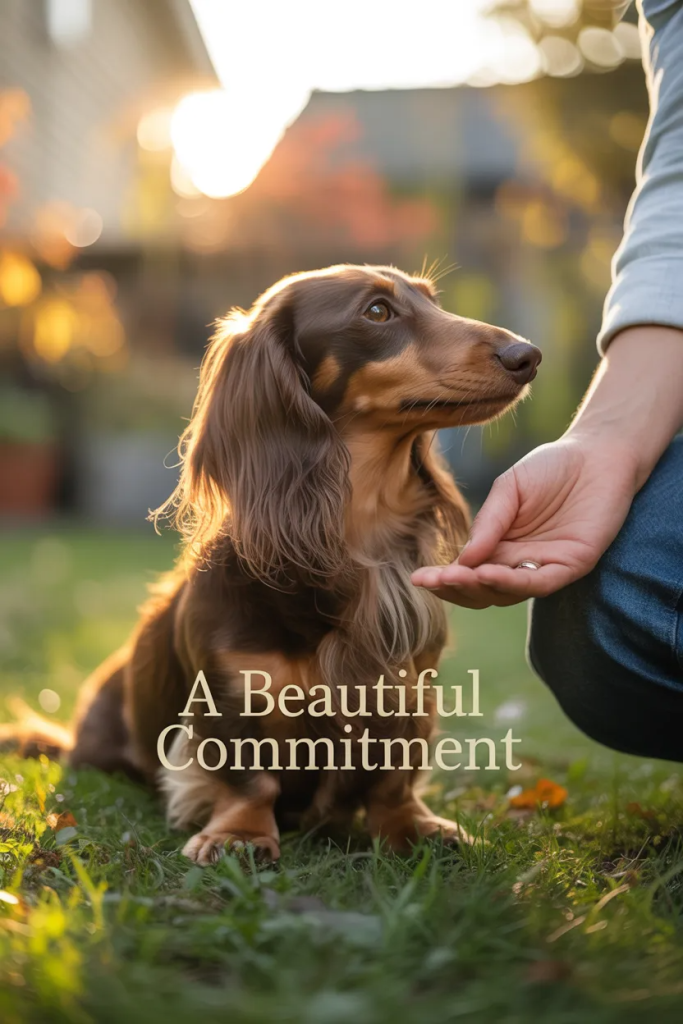
The first thing most people notice is the luxurious coat. Long-Haired Wiener Dogs have soft, flowing fur that often appears slightly wavy. The longest hair usually develops around the ears, chest, legs, belly, and tail.
These dogs come in two recognized sizes:
- Standard: Typically 16–32 pounds
- Miniature: Usually 11 pounds or less
In my experience, the feathered ears and fluffy tail create a much softer appearance than smooth-coated dachshunds. Their expressive eyes often give them a gentle and friendly look that wins people over almost instantly.
Temperament: The Sweetest of the Sausages?
Many dog lovers describe Long-Haired Wiener Dogs as the most relaxed dachshund variety, and I can understand why. They often display a calmer attitude while still keeping the confidence and courage that dachshunds are known for.
That said, every dog has its own personality. Genetics, training, socialization, and environment all contribute to how a dog behaves as an adult.
The Spaniel Effect
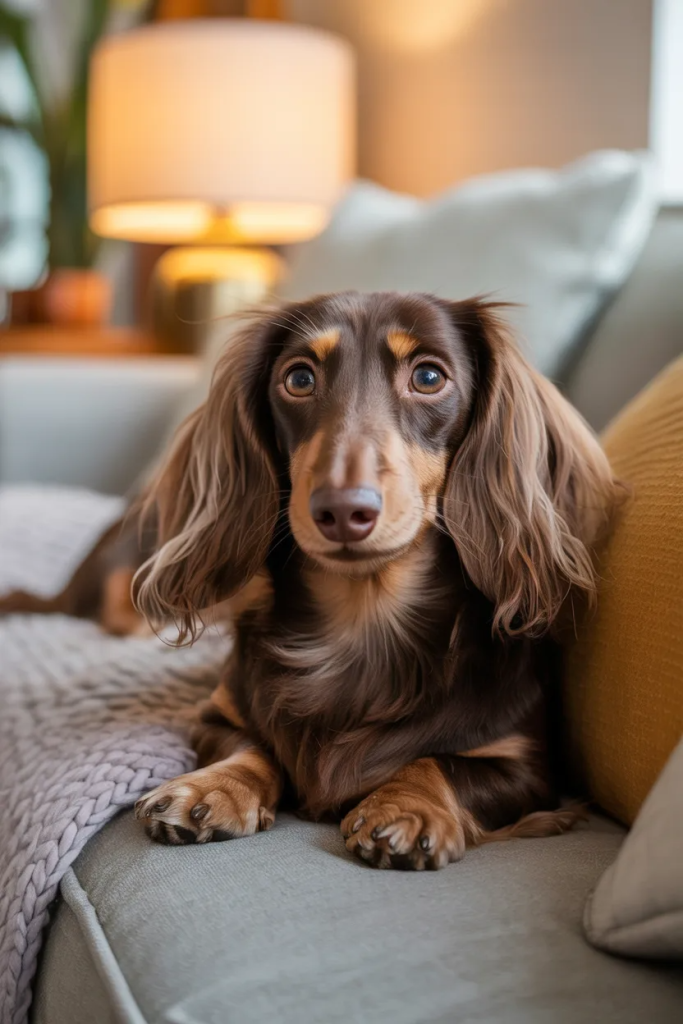
One of the biggest reasons many people are drawn to this variety is their affectionate nature. Long-haired dachshunds typically enjoy spending time with family members and often seek physical closeness throughout the day.
I have noticed they usually adapt well to family life and tend to be more welcoming toward visitors than some other dachshunds. Many enjoy playing with children and other dogs when properly socialized from a young age.
Common personality traits include:
- Loving and loyal
- Friendly toward familiar people
- Playful without being overly hyper
- Eager to stay close to their owners
Stubbornness is Still Standard
Despite their gentle nature, these dogs have not forgotten their hunting roots. They are intelligent problem-solvers who often prefer making their own decisions.
Training requires consistency and patience. I have found that praise, treats, and short training sessions usually produce better results than strict corrections. Harsh methods can damage trust and make training more difficult.
A dachshund may understand a command perfectly and still decide whether following it is worth the effort. That independent mindset is simply part of the breed’s personality.
The Watchdog Instinct
Although they are small, they take home security seriously. Many Long-Haired Wiener Dogs quickly alert their owners when someone approaches the house.
This natural alertness can be useful, but excessive barking may become a problem if boundaries are not established early. Teaching quiet commands and rewarding calm behavior can help create better habits as the dog matures.
Grooming Needs for Long-Haired Wiener Dogs
One of the questions I hear most often is whether grooming is difficult. In my opinion, the answer is no—but it does require consistency.
Unlike high-maintenance breeds that need daily styling, long-haired dachshunds generally need routine brushing and occasional trimming to stay comfortable and healthy.
The Daily and Weekly Routine
A simple grooming schedule can prevent most coat problems before they start.
Brushing: I recommend brushing at least two to three times each week. This removes loose fur, prevents tangles, and distributes natural skin oils throughout the coat.
Combing: A metal comb works well for checking hidden areas where mats tend to develop.
Bathing: Most dogs only need a bath every four to six weeks unless they become unusually dirty.
Using a quality dog shampoo and conditioner can help keep the coat soft while preventing skin irritation.
The “Trouble Spots” to Watch
Certain areas require extra attention during grooming.
Behind the Ears: Fine hair in this area can mat quickly.
Between the Toes: Long fur may collect dirt, grass, and debris.
Under the Front Legs: Friction often causes tangles to develop here.
Tail and Rear Area: Regular trimming helps maintain cleanliness and comfort.
I always recommend checking these spots during every grooming session rather than waiting for knots to become severe.
To Clip or Not to Clip?
Many owners choose light trimming to make coat maintenance easier. A shorter trim can reduce tangles and help keep the dog cleaner during outdoor activities.
Personally, I prefer moderate trimming rather than shaving. The coat provides natural protection against weather, sunlight, and minor skin irritation. Keeping some length helps preserve those benefits while still reducing grooming work.


