
6 Dog Potty Training Tips for Your Dog | Dog Training
Using pee pads during potty training is something many dog owners consider, especially if they live in apartments or can’t always take their pup outside right away. While they can be convenient, pee pads may also cause some confusion if your long-term goal is outdoor training. It’s important to weigh the pros and cons before deciding whether to use them.
1. Set a Schedule—Because Dogs Love Routine

Dogs do best with structure. Taking them out at the same times each day—like in the morning, after meals, naps, and before bed—teaches them when and where to go. A steady feeding routine also helps regulate bathroom breaks.
2. Supervise, Supervise, Supervise!

Keeping a close watch reduces accidents. If your dog shows signs of needing to go, take them outside right away. When constant supervision isn’t possible, a properly used crate can help since dogs avoid soiling their sleeping space.
3. Positive Reinforcement—Pee = Praise

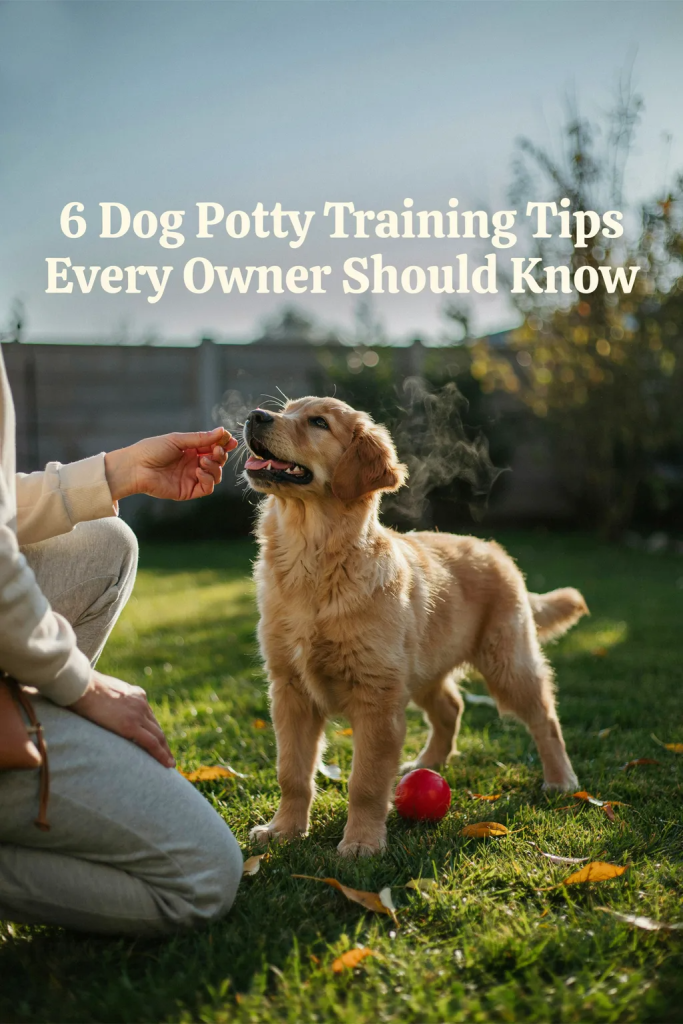
Rewarding your dog immediately after they go in the right spot encourages good behavior. Treats, praise, and excitement show them that going outside leads to positive outcomes.
4. Accidents Happen—Don’t Freak Out!

Mistakes are part of the process. If you catch your dog in the act, interrupt gently and take them outside. Punishment doesn’t work; instead, clean up thoroughly with the right cleaner so odors don’t encourage repeat accidents.
5. Use a Cue Word—Because Dogs Are Smarter Than You Think

Adding a simple phrase while your dog goes helps them link the action with the command. With consistency, this cue can make bathroom breaks quicker and easier, especially in less convenient situations.
6. Stay Consistent and Be Patient—Rome Wasn’t Built in a Day (and Neither is Potty Training)

House training takes time, and progress varies from dog to dog. Keeping routines steady, using rewards, and practicing patience will eventually lead to success, even if setbacks happen.
FAQs on Dog Potty Training
Conclusion of Dog Potty Training
Success in potty training relies on routine, encouragement, and patience. With time and positive reinforcement, your dog will learn the right habits and become fully house-trained.