8 Foods That Bulldogs Should Avoid
When I first brought a Bulldog into my home, I quickly realized that feeding them isn’t as simple as just filling a bowl. Bulldogs have sensitive digestion, a tendency to gain weight easily, and a higher risk of certain health issues like pancreatitis and breathing difficulties. Over time, I learned that what you don’t feed them matters just as much as what you do.
This guide is based on real observations from caring for Bulldogs and researching what actually affects their health in everyday life. I’ve seen how small mistakes in diet can lead to big vet bills, so I keep things very simple now: avoid risky foods completely and stick to safe, balanced options.
Quick Summary
If you’re in a hurry, here’s what you need to know about foods that bulldogs should avoid:
- Bulldogs are highly sensitive to toxic and fatty foods
- Even small amounts of certain human foods can cause serious illness
- Some “healthy” foods for humans are dangerous for dogs
- Prevention is easier (and cheaper) than treating food-related illness
- Reading labels and controlling treats makes a huge difference
Key Takeaways
Safe alternatives are always available and better long-term
Never assume human food is safe for Bulldogs
Toxic foods can cause symptoms within hours
Fatty foods are a major trigger for digestive issues
Small breed sensitivity means even tiny portions matter
1. Chocolate
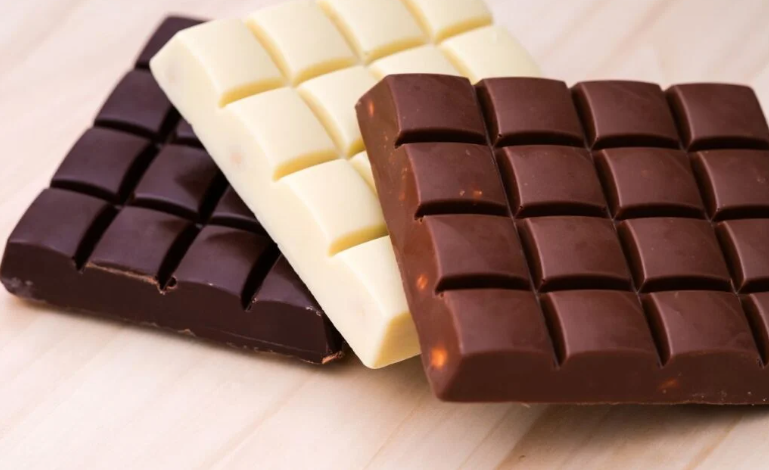
Chocolate is one of the first things I learned to keep completely out of reach. Bulldogs react badly to the compounds theobromine and caffeine, which they cannot process efficiently. Even a small bite can lead to restlessness, vomiting, or a racing heart.
In more serious cases, I’ve seen reports of seizures and dangerous heart rhythm issues. Dark chocolate and baking chocolate are the worst because they contain the highest concentration of toxins. I never take chances with leftovers or wrappers—everything goes straight into a sealed bin.
2. Grapes and Raisins
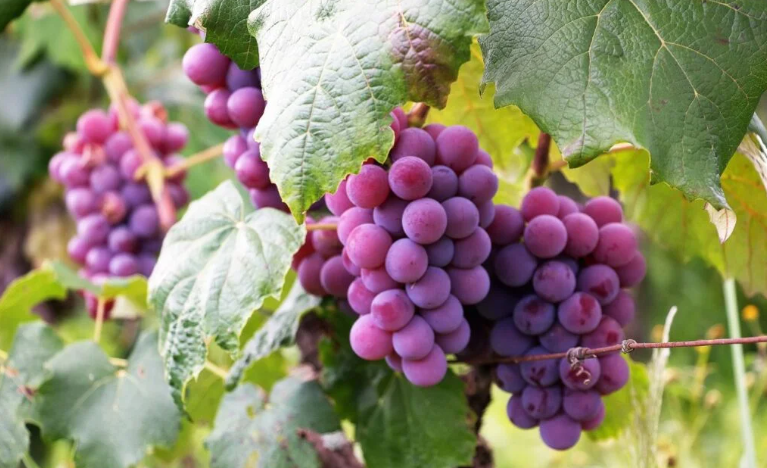
Grapes and raisins are tricky because there’s no clear “safe amount.” From what I’ve experienced and researched, even one or two can be enough to trigger kidney stress in some dogs.
What makes it worse is how quickly symptoms can show up. A Bulldog might start vomiting, acting weak, or refusing food within hours. Since the reaction is unpredictable, I avoid keeping grapes anywhere near my kitchen counter. If accidental ingestion happens, immediate vet care is the only safe response.
3. Blue Cheese
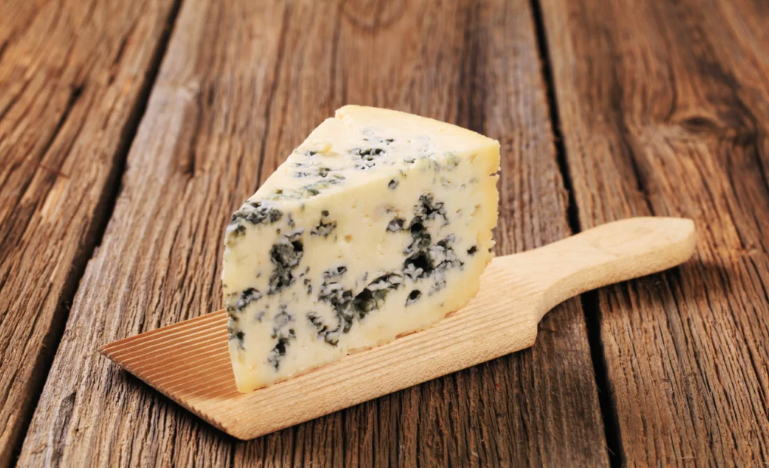
Blue cheese might seem harmless, but it contains mold-based compounds that don’t sit well with Bulldogs. I once assumed a tiny taste wouldn’t matter, but later learned it can lead to stomach upset or worse reactions in sensitive dogs.
The concern comes from roquefortine C, a mold toxin that can affect the nervous system in higher amounts. While not every dog reacts the same way, I now treat all blue-veined cheeses as off-limits. It’s simply not worth the risk.
4. Raw Dough
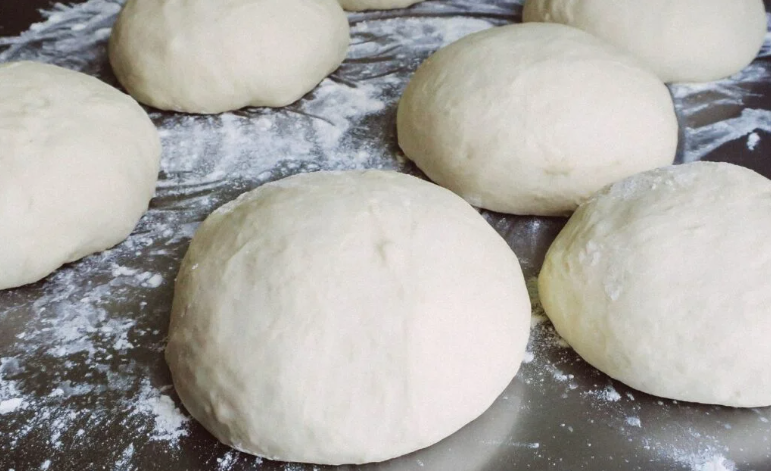
Raw dough is something many dog owners overlook. I learned the hard way that yeast-based dough can expand inside a dog’s stomach, creating serious discomfort and bloating.
As it ferments, it also produces alcohol, which can lead to alcohol poisoning. Symptoms like vomiting, fatigue, and swelling can appear quickly. I now make sure dough is always placed far back on counters and never left unattended, especially when baking.
5. Fatty Foods
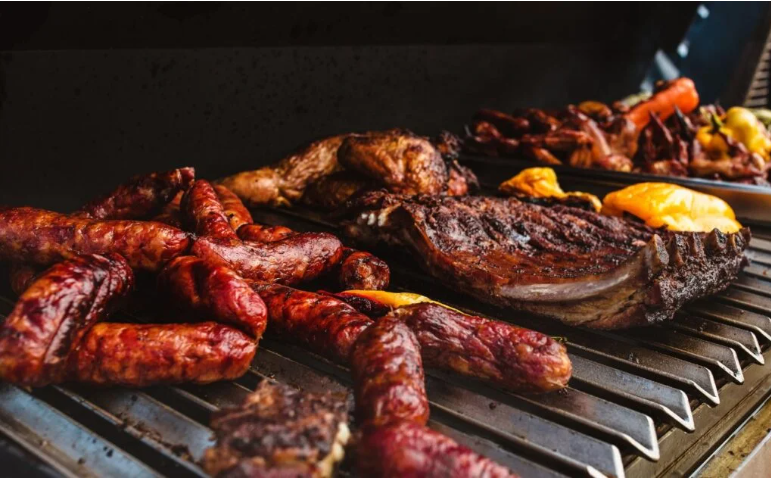
If there’s one category I’m strict about, it’s fatty foods. Bulldogs are already prone to weight gain, and high-fat meals can easily trigger pancreatitis, which is painful and sometimes severe.
Foods like bacon, fried snacks, and greasy table scraps can upset their digestion almost immediately. I noticed that even small portions of leftovers can lead to loose stools or discomfort. Now, I stick to lean proteins and avoid sharing human meals altogether.
6. Artificial Sweeteners (Xylitol)
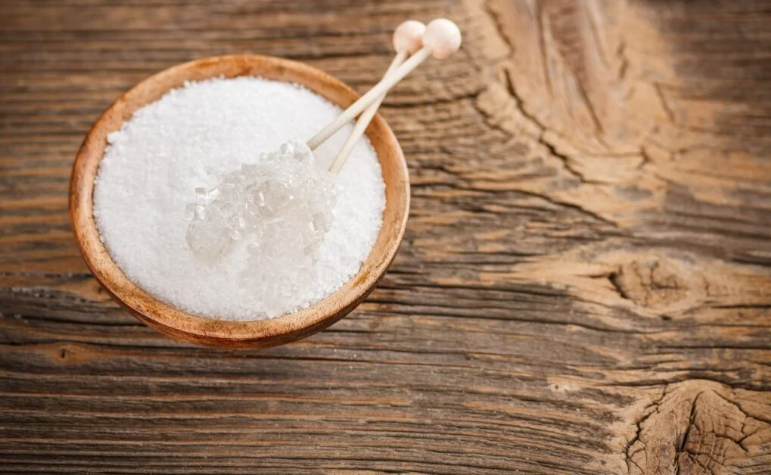
Xylitol is one of the most dangerous ingredients for Bulldogs. It’s often hidden in sugar-free gum, candies, peanut butter, and baked goods. What shocked me most is how fast it works in a dog’s body.
It can cause a sudden drop in blood sugar, leading to weakness, disorientation, or seizures. In severe cases, it may even damage the liver. I always read ingredient labels carefully now, even on products I wouldn’t normally suspect.
7. Bones
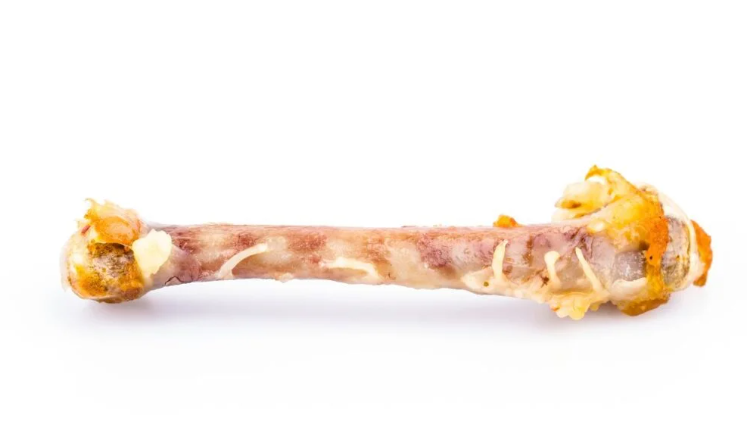
I used to think giving bones was a natural and healthy treat, but I’ve changed my approach after learning the risks. Cooked bones can splinter easily and damage a Bulldog’s digestive tract.
Even raw bones require supervision because of choking risks and bacterial concerns. I’ve found that vet-approved chew toys or dental sticks are a safer and more consistent option. It saves me a lot of worry and avoids emergency situations..
8. Avocado
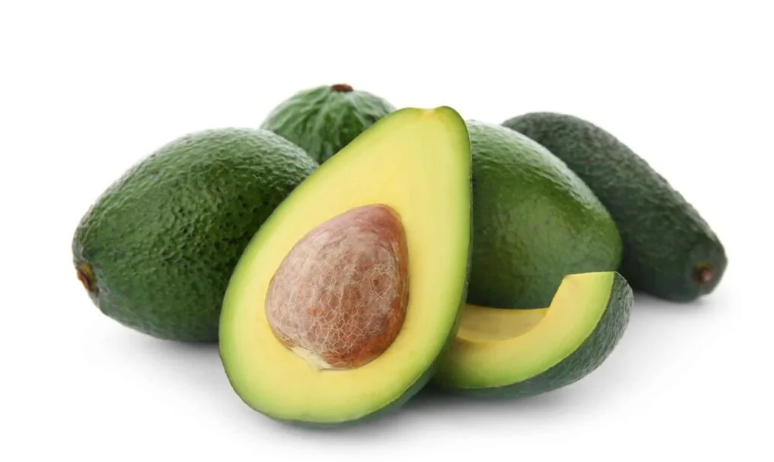
Avocado is often labeled as healthy for humans, but it’s not ideal for Bulldogs. It contains persin, which can cause stomach upset in some dogs. The bigger risk, though, is the large pit.
I’ve seen cases where dogs accidentally swallow or chew on the pit, leading to choking or intestinal blockage. Because of this, I simply don’t keep avocados within reach when my dog is around.
Recommended Foods for Bulldogs
After learning what to avoid, I focused on building a safer diet for Bulldogs. I noticed a big difference when I switched to high-quality dog food with real meat as the first ingredient.
Lean proteins like chicken and turkey work well, along with digestible carbohydrates like sweet potatoes and rice. I also add small portions of dog-safe fruits and vegetables such as blueberries, carrots, and green beans.
What worked best for me was consistency. Bulldogs do better when their diet is stable rather than constantly changing. I also avoid cheap fillers like corn and soy because they didn’t seem to agree with my dog’s digestion.
FAQs on Foods That Rottweilers Should Avoid
Final Thoughts of Foods That Bulldogs Should Avoid
After years of living with Bulldogs, I’ve learned that their health really depends on small daily choices. Avoiding risky foods isn’t about being overly strict—it’s about preventing problems that can escalate quickly.
Once I stopped giving table scraps and focused on a controlled diet, I noticed better energy, healthier digestion, and fewer vet concerns. When in doubt, I always choose caution or ask a vet rather than guessing.
Check Also
10 Crucial Training Tips for Shih Tzu Owners