Can Dogs Eat Human Food? What’s Safe and What to Avoid
Written By:

Many dog owners have asked themselves whether it’s okay to share food from their plate with their pet. I know it can be hard to resist those hopeful eyes staring at you during mealtime. The good news is that some human foods are perfectly safe for dogs, but others can cause serious health problems.
Before offering your dog anything from your kitchen, it’s important to understand which foods are beneficial and which ones should never be shared.
A little knowledge can help keep your dog healthy while still letting them enjoy an occasional treat.
Key Takeaways
- Some human foods are safe and healthy for dogs.
- Always introduce new foods slowly and in small amounts.
- Avoid toxic foods such as chocolate, grapes, onions, and xylitol.
- Human food should only be an occasional treat, not a replacement for balanced dog food.
- Consult your veterinarian if your dog has allergies or underlying health conditions.
What Human Foods Are Safe for Dogs?
Not all human foods are harmful to dogs. In fact, several everyday foods can provide valuable nutrients when fed correctly. I always recommend choosing simple, minimally processed foods without added seasonings or sauces.
Peanut Butter
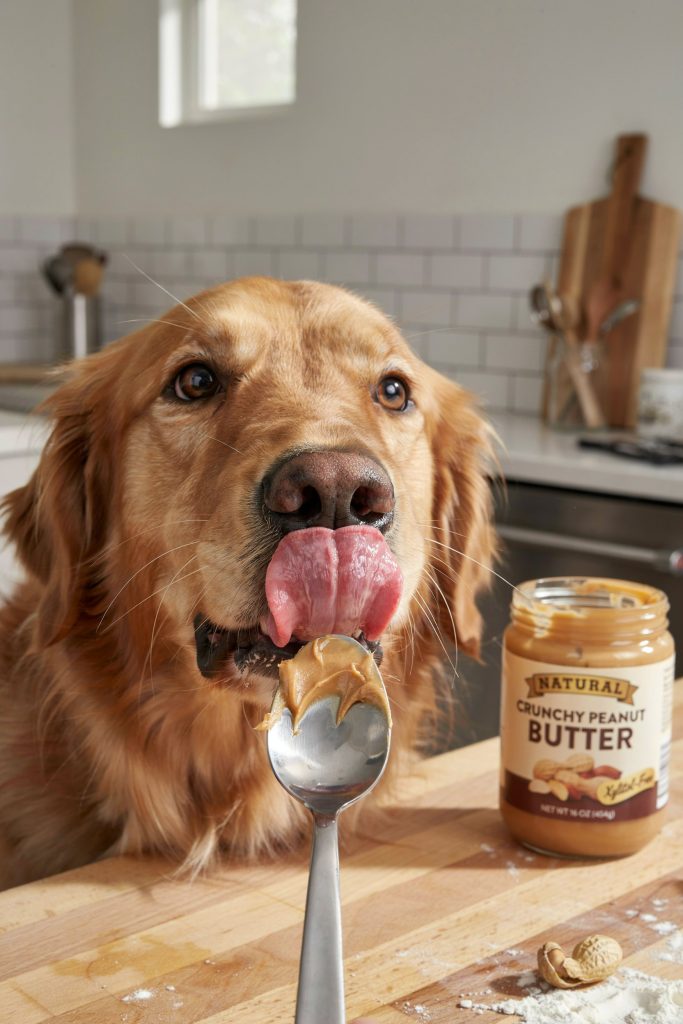
Many dogs love peanut butter because of its rich flavor and creamy texture. It can be a useful training reward and provides healthy fats and protein. However, I always check the ingredient label carefully because some brands contain xylitol, an artificial sweetener that is highly toxic to dogs.
Carrots
Carrots are one of my favorite healthy dog treats. They are low in calories, rich in fiber, and contain vitamin A, which supports eye health. The crunchy texture may also help reduce plaque buildup on teeth.
Plain Cooked Chicken
Cooked chicken is an excellent source of lean protein for dogs. It can be especially helpful for picky eaters or dogs recovering from digestive upset. I stick to plain chicken without oils, sauces, garlic, or onion seasoning.
Rice and Pasta
Plain cooked rice and pasta are generally safe for dogs when served in moderation. Many veterinarians recommend white rice during short-term digestive issues because it is easy to digest and gentle on the stomach.
Watermelon
Watermelon can be a refreshing treat, especially during warm weather. It contains plenty of water and vitamins while being naturally low in calories. I always remove the seeds and rind before serving to avoid digestive problems.
Pro Tip: Treats and human foods should make up no more than 10% of your dog’s daily calorie intake. The remaining 90% should come from a complete and balanced dog food.
Foods You Should Never Share
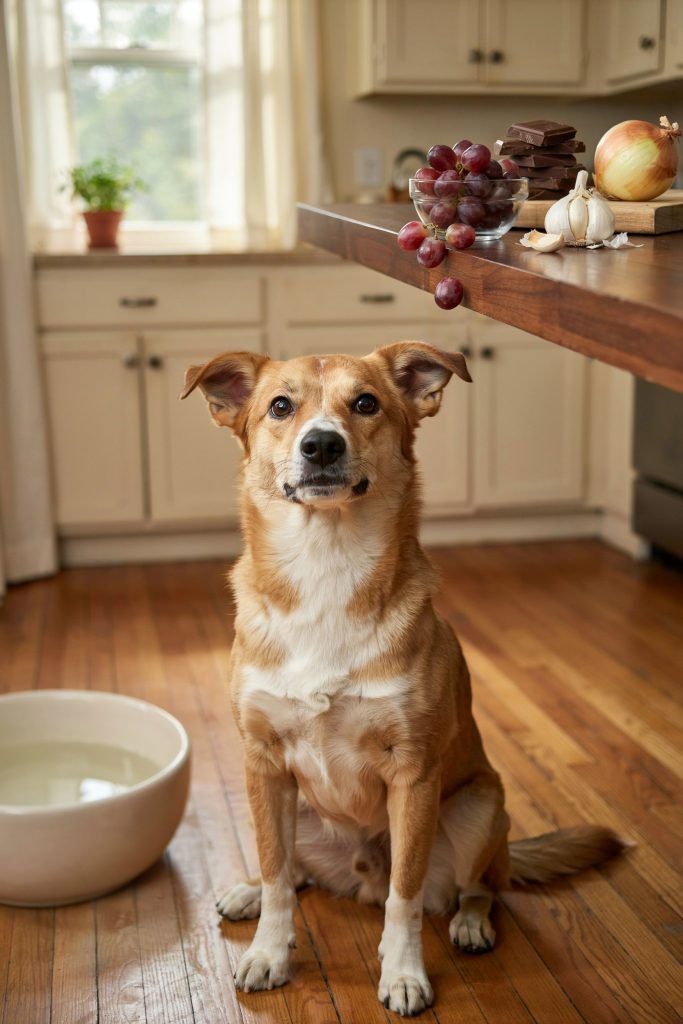
While some human foods are safe, others can be extremely dangerous. Even small amounts of certain ingredients can cause severe illness in dogs.
Chocolate
Chocolate contains compounds called theobromine and caffeine, which dogs cannot process effectively. Depending on the type and amount consumed, chocolate poisoning can cause vomiting, tremors, seizures, and even death.
Grapes and Raisins
Researchers still do not fully understand why grapes and raisins are toxic to dogs. However, even small amounts have been linked to sudden kidney failure in some dogs.
Onions and Garlic
Onions, garlic, leeks, and chives belong to the allium family. These foods can damage a dog’s red blood cells and may lead to anemia if enough is consumed.
Xylitol
Xylitol is commonly found in sugar-free gum, candies, baked goods, and some peanut butter brands. It can cause a rapid drop in blood sugar and severe liver damage in dogs.
Important: If your dog eats any of these foods, contact your veterinarian or an emergency animal clinic immediately.
How to Introduce Human Food to Your Dog
Whenever I offer my dog a new food, I follow a simple process to reduce the risk of digestive upset.
Start Small
Begin with a very small portion. This allows you to see how your dog’s body responds before offering larger amounts.
Watch for Reactions
Monitor your dog for symptoms such as vomiting, diarrhea, itching, excessive scratching, or unusual behavior. These signs may indicate intolerance or sensitivity.
Keep It Balanced
Human food should complement your dog’s diet rather than replace it. Commercial dog foods are formulated to provide complete nutrition, while most human foods are not.
Pro Tip: Introduce only one new food at a time. This makes it easier to identify the cause if your dog develops a reaction.
The Benefits of Sharing Appropriately
When done responsibly, sharing certain human foods can provide benefits beyond simply giving your dog a tasty snack.
Strengthens Your Bond
Offering safe treats can create positive experiences between you and your dog. Food-based rewards are often effective for training and building trust.
Adds Variety
Healthy fruits, vegetables, and lean proteins can introduce new flavors and textures to your dog’s routine while providing additional nutrients.
Encourages Mental Stimulation
Trying new foods can make mealtime more engaging for some dogs. The different smells, textures, and tastes may provide extra enrichment.
While variety can be beneficial, moderation remains the key to maintaining a healthy weight and balanced diet.
Final Thoughts
If you’ve been wondering whether dogs can eat human food, the answer is yes—but only certain foods and only in moderation. Safe options such as carrots, plain chicken, watermelon, and xylitol-free peanut butter can be enjoyable additions to your dog’s routine.
At the same time, foods like chocolate, grapes, onions, garlic, and xylitol should always stay off the menu. Taking a few minutes to learn what’s safe can help prevent emergencies and keep your dog healthy for years to come.
When in doubt, I always recommend checking with your veterinarian before introducing a new food. A little caution goes a long way when it comes to your dog’s health and happiness.