
Can Dogs Eat Tuna? Here’s The Truth
If you’ve ever found yourself enjoying a tuna sandwich while your dog sits beside you, eyes fixed on your every move, you know the dilemma. You want to share, but you’re not sure if it’s safe.
Dogs are curious creatures, and that pleading look can make it almost impossible to resist. The good news is that dogs can eat tuna, but there are important things to consider. You can’t just hand it over freely like you would a piece of bread. It’s all about portion, frequency, and type of tuna, because too much of the wrong kind can cause problems over time.
Tuna itself is not poisonous, so a small taste won’t harm your dog. However, tuna is known to have higher mercury content compared to other fish. Mercury is a heavy metal that can accumulate in the body over time and affect the kidneys, nervous system, and overall health.
So, while it’s safe in moderation, giving your dog tuna every day or in large quantities can pose a risk. If your dog sneaks a bite while you’re making lunch, it’s usually fine, but it shouldn’t become a habit or a mainstay of their diet.
Is Tuna Safe for Dogs?
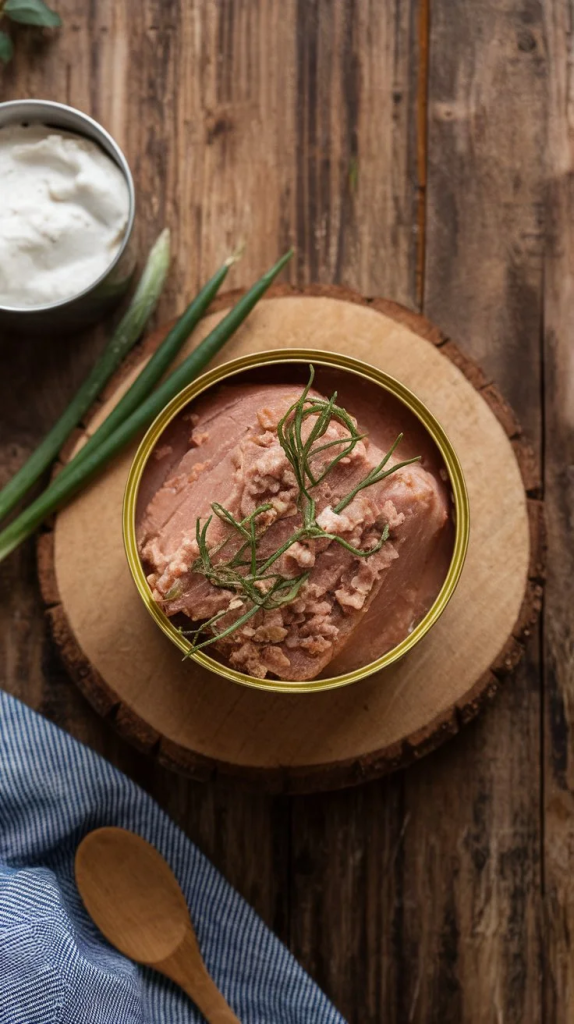
Yes, tuna is safe for dogs, but the key is moderation. Unlike fish like salmon or whitefish, which are generally lower in mercury, tuna—especially species like albacore or yellowfin—contains higher levels. Eating tuna occasionally can be part of a healthy treat routine, but repeated consumption can lead to mercury buildup, which can negatively affect your dog’s health.
If your dog grabs a little piece of your tuna sandwich, it’s not an emergency. But if your sandwich has extras like mayonnaise, pickles, or bread, that’s a different story. Dogs don’t need these additions, and some can even upset their stomach or be harmful.
The Benefits of Tuna for Dogs
When given carefully and in small portions, tuna can be a nutritious treat for your dog. It provides several health benefits that can contribute to their overall well-being.
Packed with Protein
Tuna is rich in high-quality protein, which is essential for building and maintaining strong muscles. It also supports a healthy coat and skin, helping your dog look and feel their best. For dogs who are active or growing, protein plays a crucial role in supporting energy levels and body function.
Omega-3 Fatty Acids for Healthy Skin and Coat
Tuna contains valuable omega-3 fatty acids. These fats are excellent for reducing inflammation, promoting healthier skin, and giving your dog a glossy, shiny coat. Dogs with dull fur or itchy skin may benefit from occasional small amounts of tuna, as omega-3s help maintain overall skin health and can make grooming a bit easier.
Low in Fat and High in Nutrients
For those looking to provide a lean source of protein, tuna is an excellent choice. It’s low in fat and contains important vitamins like B12, D, and selenium, which are vital for nerve function, bone health, and immunity. A small serving can give your dog a nutritional boost without contributing excessive calories.
The Risks of Feeding Tuna to Dogs
While tuna has benefits, it also comes with some risks that dog owners should be aware of. Careless feeding can lead to health problems over time.
Mercury Poisoning – The Big Concern
The primary concern with feeding tuna is mercury exposure. Larger species like albacore and yellowfin tend to have higher mercury levels. If a dog consumes too much tuna consistently, this can lead to mercury poisoning. Signs may include loss of coordination, kidney problems, vision issues, and neurological complications. To avoid these risks, tuna should only be offered occasionally, never as a regular meal.
Canned Tuna Can Be Tricky
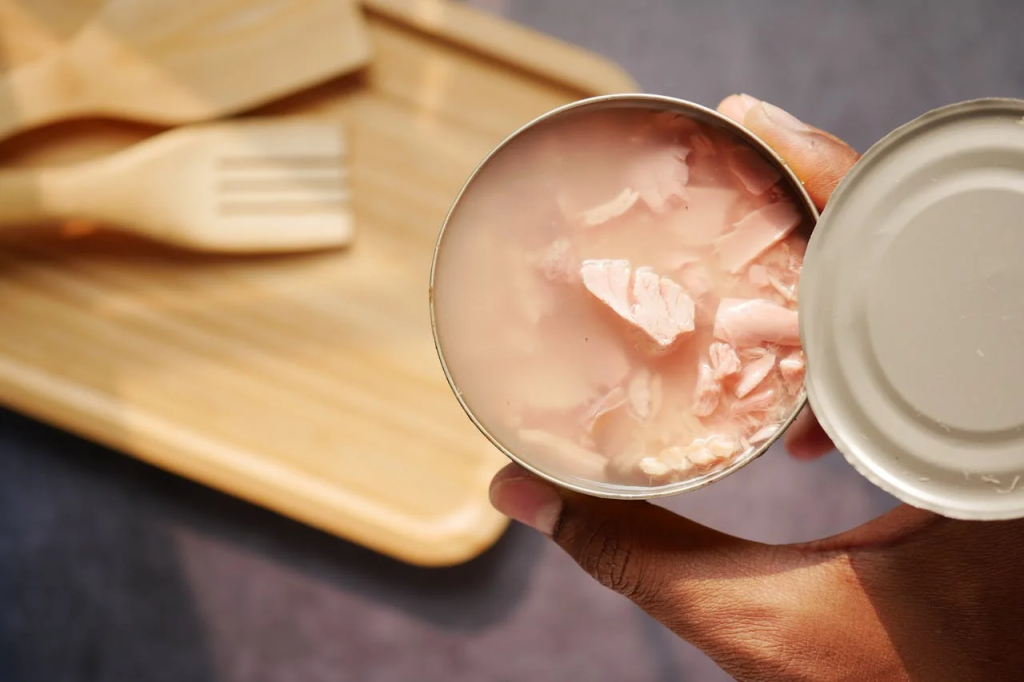
If you decide to give your dog canned tuna, it’s important to read the label carefully. Not all canned tuna is suitable for dogs.
- Tuna in oil contains extra fat, which can cause pancreatitis in dogs, especially if given repeatedly. It’s better to stick with tuna packed in water.
- Tuna with added salt can lead to high sodium intake, which is not ideal for dogs.
- Flavored or seasoned tuna may include ingredients like garlic, onion, or spices, which can be toxic to dogs and should be completely avoided.
Tuna Can Be Hard to Digest
Some dogs have sensitive stomachs, and introducing tuna—particularly if they are not used to fish—can lead to vomiting or diarrhea. Start with a very small amount to see how your dog reacts and avoid feeding it to dogs prone to digestive issues.
How to Safely Feed Tuna to Your Dog

To make sure your dog enjoys tuna safely, follow these practical steps:
- Keep it plain. Avoid mayonnaise, sauces, or seasonings.
- Use canned tuna in water. Skip tuna packed in oil or with added salt.
- Offer small portions. A tiny bite here or there is enough; don’t overfeed.
- Choose lower-mercury options. Avoid larger species like albacore or yellowfin, which have higher mercury levels.
How Much Tuna Can Dogs Eat?
The right portion depends on your dog’s size.
- Small Dogs (Chihuahua, Yorkie): Only a bite or two per week.
- Medium Dogs (Cocker Spaniel, Beagle): One to two teaspoons per week.
- Large Dogs (Labrador, Golden Retriever): Up to one tablespoon per week.
As a general guideline, tuna should make up less than 10% of your dog’s diet and should remain an occasional treat, not a regular food item.
What About Other Fish?

If you want to provide fish more regularly, there are safer options than tuna:
- Salmon: Cooked salmon is rich in omega-3s and safe for dogs. Raw salmon should be avoided due to parasites.
- Sardines: Low in mercury, nutritious, and small bones add calcium.
- Tilapia: Mild and easy to digest when cooked.
- Cod: Lean and safe for regular feeding.
- Mackerel: Stick to Atlantic mackerel in small portions. Avoid King mackerel due to higher mercury.
Among these, sardines stand out as an especially safe, nutritious, and well-loved choice for dogs.
Final Verdict: Can Dogs Eat Tuna?
Yes, dogs can eat tuna, but only in moderation. Always choose plain, water-packed tuna and give only small amounts. Avoid making tuna a daily habit due to mercury concerns. For a safer regular fish treat, consider salmon, sardines, or tilapia.
If your dog grabs a small piece of tuna while you’re preparing a meal, there’s no need to panic. Just remember that for consistent feeding, there are safer fish options that provide nutrition without the risks associated with mercury.