

Can Dogs Eat Apples?
If you’re enjoying a crisp, juicy apple and your dog is staring at you with those hopeful puppy eyes, it’s natural to wonder if sharing a bite is safe. The good news is that dogs can eat apples. Still, it’s important to understand a few basic precautions before offering a slice. Knowing how to prepare and serve apples properly helps keep your dog safe while letting them enjoy this fresh fruit treat.
Here’s everything you need to know about sharing apples with your furry friend.
1. Are Apples Safe for Dogs?
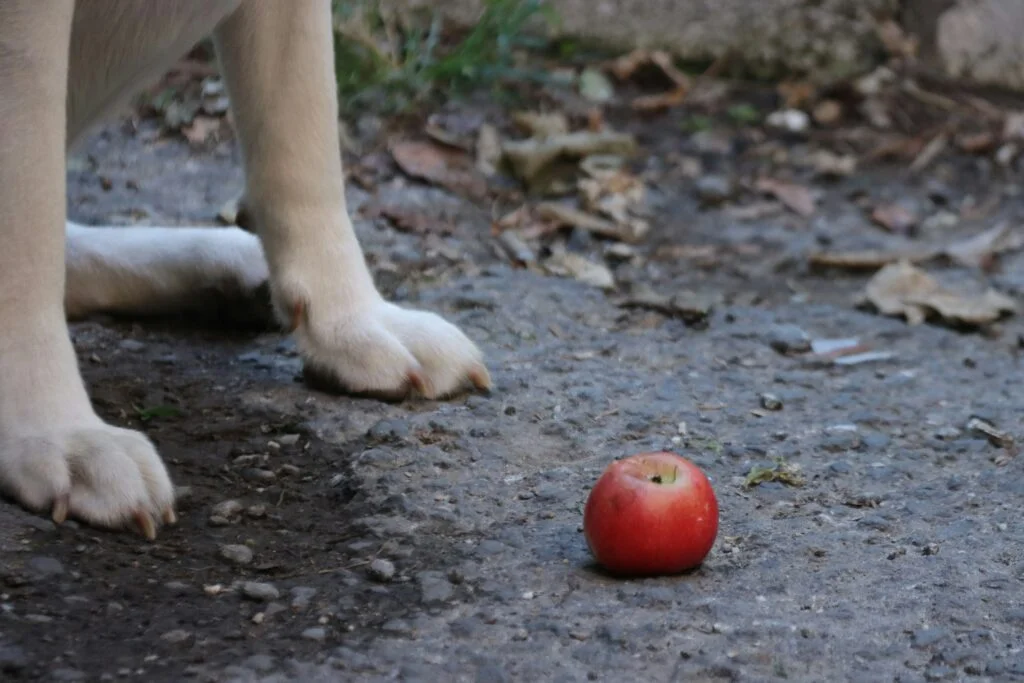
Yes, apples are generally safe for dogs to eat and can even be a beneficial addition to their diet when given occasionally. They contain helpful nutrients, are naturally low in fat, and offer a good amount of fiber. Because of these qualities, apples can make a light and refreshing snack for many dogs.
However, it’s still important to prepare them correctly. Certain parts of the apple should not be given to dogs, and feeding too much fruit can lead to digestive problems. Serving apples the right way ensures your dog gets the benefits without unnecessary risks.
2. Health Benefits of Apples for Dogs
Apples provide more than just a sweet taste. They contain nutrients that can support your dog’s overall well-being.
They are a good source of vitamins that help maintain healthy skin and coat while also supporting the immune system. Apples also contain fiber, which helps with digestion and can support regular bowel movements.
Another advantage is that apples are naturally low in fat and calories. Because of this, they can work well as a lighter treat for dogs that need to maintain or manage their weight.
The crisp texture of apples may also offer a small dental benefit. Chewing on firm fruit can help remove some buildup from teeth and may leave your dog’s breath smelling a a little fresher afterward.
3. How to Safely Feed Apples to Dogs
Even though apples are safe, they should be prepared carefully before giving them to your dog.
First, the seeds should always be removed. Apple seeds contain substances that can be harmful if consumed in large amounts. Taking them out eliminates this concern.
The core should also be discarded. It is tough and difficult for dogs to chew properly, and swallowing it could create a choking risk or cause digestive blockage.
Washing the apple thoroughly is another important step. Cleaning the fruit helps remove any pesticides, dirt, or residue that might be on the skin.
After the apple has been washed, the seeds removed, and the core discarded, it can be cut into small slices that are easy and safe for your dog to eat.
4. How Much Apple Can Dogs Eat?
Although apples are healthy, they should only be given in moderate amounts. Eating too much fruit can upset a dog’s stomach and may lead to digestive discomfort such as diarrhea.
The amount offered can vary depending on the dog’s size. Smaller dogs usually only need a couple of small slices. Medium-sized dogs can handle a few more pieces, while larger dogs may safely enjoy up to about half of an apple.
Apples should always be treated as a snack rather than a replacement for regular meals. Keeping portions small helps prevent digestive issues while still letting your dog enjoy the treat.
5. Can Dogs Eat Apple Peels?
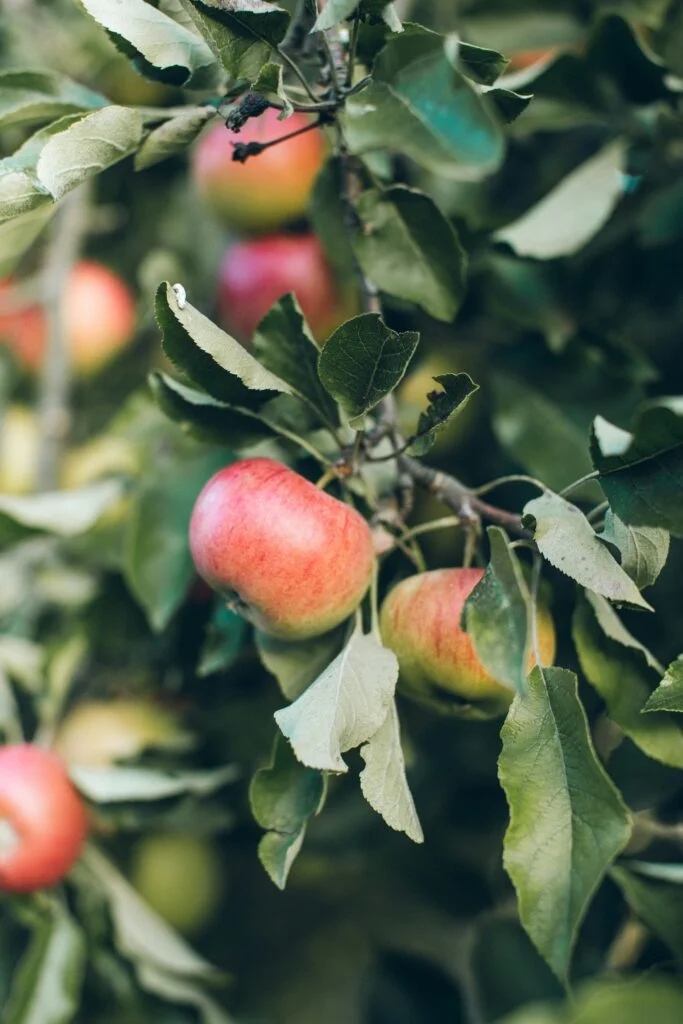
Dogs are able to eat apple peels, and the skin of the fruit actually contains additional fiber and nutrients. For many dogs, eating the peel does not cause any problems.
However, some dogs have more sensitive digestive systems and may not tolerate the peel as easily. If your dog has never eaten apples before, it can be helpful to begin with slices that have been peeled.
Once you see how your dog responds, you can decide whether leaving the peel on works well for them in the future.
6. What About Apple-Flavored Treats?
Not every food that tastes like apple is safe for dogs. Many packaged snacks and desserts made for humans contain ingredients that are not suitable for pets.
Products such as apple pie, sweetened applesauce, or candy often include added sugars, artificial flavorings, or ingredients that can be harmful to dogs. Some may even contain substances that are dangerous for pets.
Because of these risks, plain fresh apples are usually the safest option. Checking ingredient labels carefully is always important if you are considering any apple-based product.
7. Are There Any Risks?
Apples are considered safe for most dogs, but there are still a few potential concerns to keep in mind.
Large pieces of apple or the core could pose a choking hazard, especially for smaller dogs. Cutting the fruit into manageable slices helps reduce this risk.
Eating too much apple at once may also lead to stomach upset. Introducing new foods slowly and offering small portions can help prevent digestive discomfort.
In rare situations, a dog may have an allergic reaction to apples. If your dog shows symptoms such as itching, swelling, or vomiting after trying apples for the first time, it’s best to stop feeding them and consult a veterinarian.
If you are ever unsure about introducing new foods into your dog’s routine, seeking advice from a vet is always a safe choice.
8. Fun Ways to Serve Apples to Your Dog
Apples can be offered in several creative ways that make snack time more interesting for your dog.
Frozen apple slices can be especially refreshing during warm weather. You can also spread a small amount of dog-safe peanut butter on apple slices as a simple treat.
Another idea is blending apples with water or plain unsweetened yogurt, then freezing the mixture in molds to create homemade frozen snacks. Small apple pieces can also be placed inside toys designed for treat stuffing, giving your dog a fun challenge while enjoying their snack.
9. Can Puppies Eat Apples?
Puppies can also eat apples, but they should be introduced more carefully. Young dogs tend to have sensitive digestive systems, so new foods should be added slowly.
Start with a very small piece and watch how your puppy reacts. If there are no signs of stomach upset or discomfort, you can occasionally offer small amounts as a treat.
Taking it slow helps ensure the fruit agrees with your puppy’s digestion before offering larger portions.
Conclusion of Can Dogs Eat Apples
Apples can be a healthy and enjoyable snack for many dogs when served properly. They provide useful nutrients and a refreshing taste that dogs often enjoy. The key is preparing the fruit safely by removing the seeds and core, cutting it into small pieces, and offering it in moderation.
By following these simple precautions, sharing an apple slice with your dog can be a safe and pleasant treat for both of you.