

Peanut Butter Dog Treats Balls That Make Tails Wag Like Crazy
Written By:

I’ve noticed one thing about dogs—they instantly light up the moment I grab a peanut butter jar. So I started making these no-bake peanut butter dog treats at home, and honestly, it changed everything. They’re quick, affordable, and I know exactly what goes into them.

Instead of buying expensive store treats filled with preservatives, I can make a fresh batch in under 10 minutes. These treats are soft, perfect for training, and made with simple ingredients that actually support my dog’s health.
From better digestion to improved coat health, these little bites do more than just taste good. If you want a simple way to reward your dog while keeping things healthy and budget-friendly, this recipe is worth trying.
Peanut Butter Dog Treats Balls

Peanut Butter Dog Treats Balls made with simple, healthy ingredients. No-bake, easy to make, and perfect for training and rewarding your dog.
Ingredients
- 1/2 cup natural peanut butter (unsweetened, xylitol-free)
- 1 cup rolled oats
- 1/4 cup pumpkin puree or unsweetened applesauce
- 2–3 tablespoons ground flaxseed
- 1–2 tablespoons water (as needed)
Instructions
- In a bowl, mix peanut butter, pumpkin puree (or applesauce), and flaxseed until smooth.
- Add rolled oats and combine well until a dough forms.
- Adjust texture by adding water (if dry) or oats (if sticky).
- Mix in optional add-ins if using.
- Roll into small balls (1 teaspoon for training or 1 tablespoon for snacks).
- Place on a tray and refrigerate for 30–45 minutes until firm.
- Serve in moderation based on your dog’s size.
Key Takeaways
- I can make these treats in under 10 minutes without baking
- Costs up to 60–70% less than premium store-bought treats
- Uses dog-safe, natural ingredients only
- Perfect for training rewards due to soft texture
- Easy to customize based on my dog’s needs
- Stores well for up to 3 months in freezer
Why You’ll Love This Recipe
I love how simple this recipe is. There’s no oven, no complicated steps—just mix and roll. It’s perfect when I don’t have time but still want something healthy for my dog.
It also saves money. Store-bought natural dog treats can cost a lot, but this uses pantry staples I already have. Plus, I feel more confident knowing there are no artificial additives.
Another big win is flexibility. I can tweak the texture or add small extras depending on what my dog enjoys or tolerates well.
Ingredients
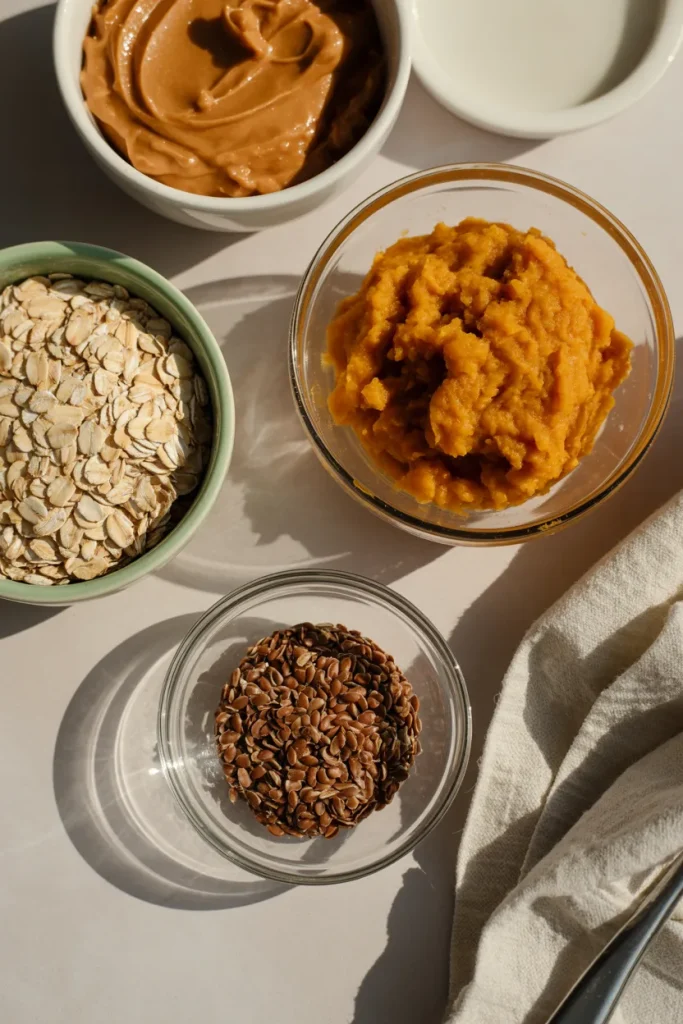
I keep this ingredient list simple and safe:
- 1/2 cup natural peanut butter (unsweetened, xylitol-free)
- 1 cup rolled oats
- 1/4 cup pumpkin puree or unsweetened applesauce
- 2–3 tbsp ground flaxseed
- 1–2 tbsp water (as needed)
Optional add-ins (I usually pick one):
- Chia seeds
- Mashed banana
- Unsweetened coconut
- A pinch of cinnamon
Pro tip: Always double-check peanut butter labels—xylitol is toxic to dogs, even in small amounts.
How to Make It – Instructions
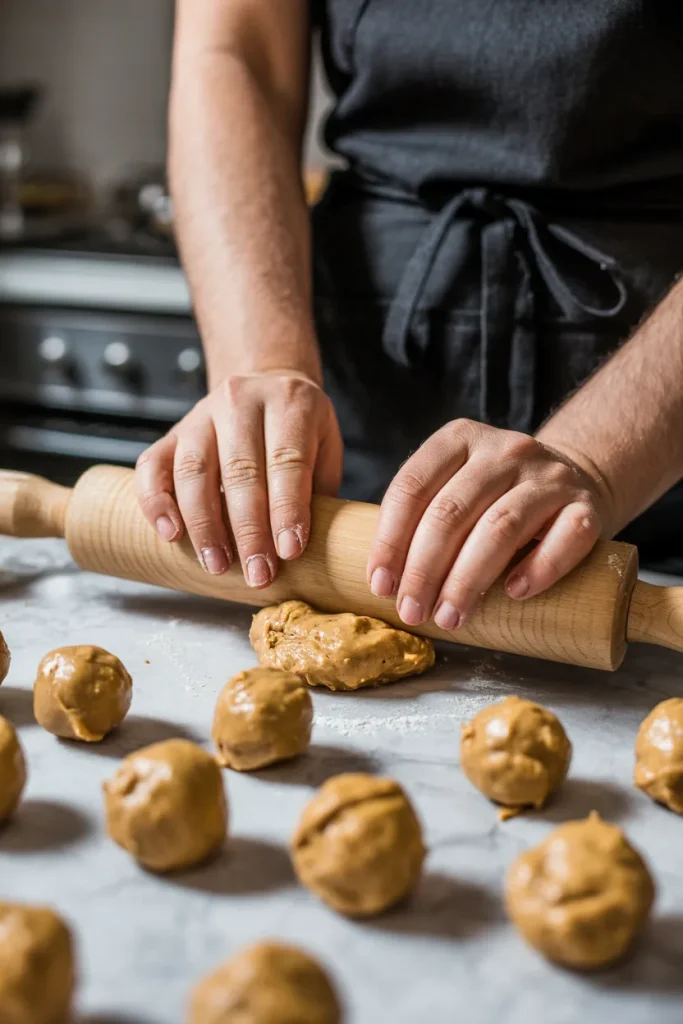
First, I mix peanut butter pumpkin (or applesauce), and flaxseed until smooth. This creates a thick base that holds everything together.
Then I add the oats. If I want a softer texture, I quickly blend them before mixing. The dough should feel soft but not sticky.
If the mixture feels dry, I add a little water slowly. If it’s too wet, I fix it with extra oats. I aim for a dough that feels like play-dough.
After that, I roll small balls using my hands. For training, I go smaller—about 1 teaspoon size.
Finally, I chill them in the fridge for about 30–45 minutes so they firm up properly.
Keeping It Fresh
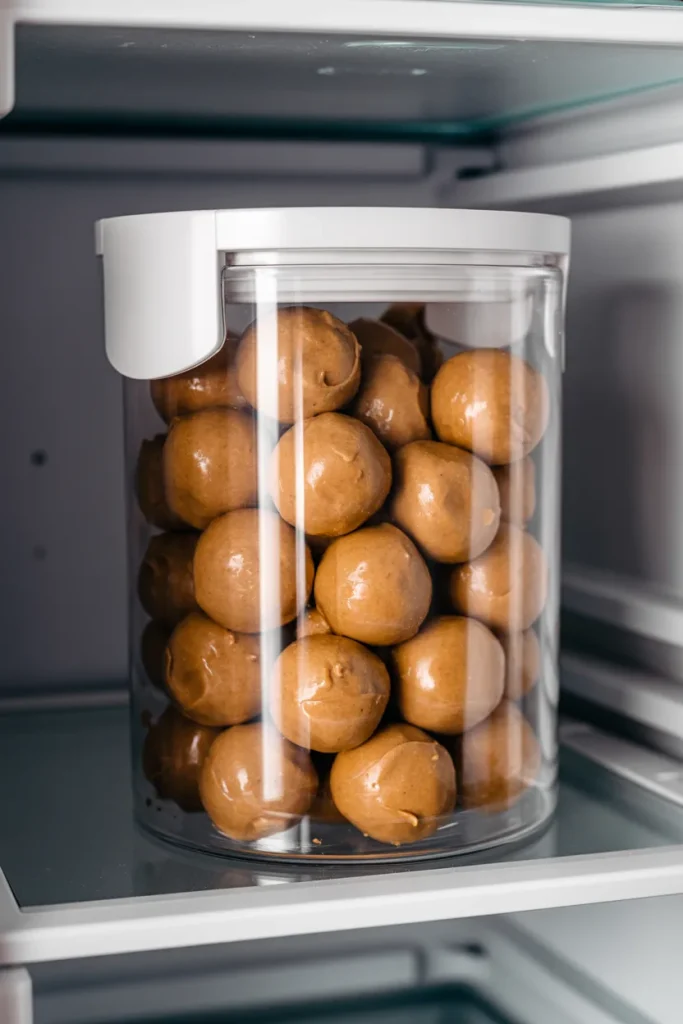
I store these in the fridge in an airtight container, and they stay good for about a week.
For longer storage, I freeze them first on a tray and then transfer to a bag. They last up to 2–3 months this way.
Pro tip: I always label the batch with the date—it helps me keep track and avoid waste.
Why This is Good for You
For my dog, these treats actually provide some real benefits. Peanut butter contains protein and healthy fats that help maintain energy levels. Oats support digestion with fiber, which is important since around 10–15% of dogs deal with digestive issues.
Pumpkin is especially helpful—it’s commonly recommended by vets for keeping digestion regular. Flaxseed adds omega-3 fatty acids, which support skin and coat health.
For me, the biggest benefit is control. I know exactly what my dog is eating, and I avoid unnecessary fillers and chemicals.
Avoid These Mistakes
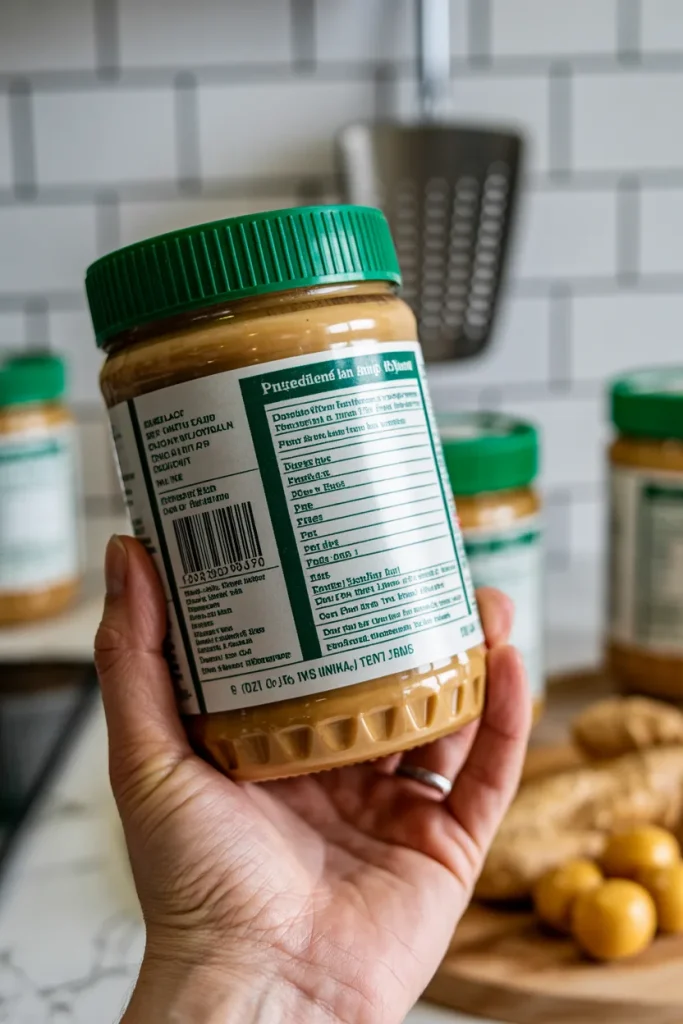
I always stay careful with a few things here.
Using peanut butter with xylitol is the biggest risk—it’s dangerous for dogs and should never be used. I also avoid adding sugar or sweet ingredients since dogs don’t need them.
Another mistake is using pumpkin pie filling instead of plain pumpkin puree. The added spices and sugar can upset a dog’s stomach.
Portion size matters too. Even healthy treats should stay under 10% of daily calories to prevent weight gain.
Different Ways to Make This
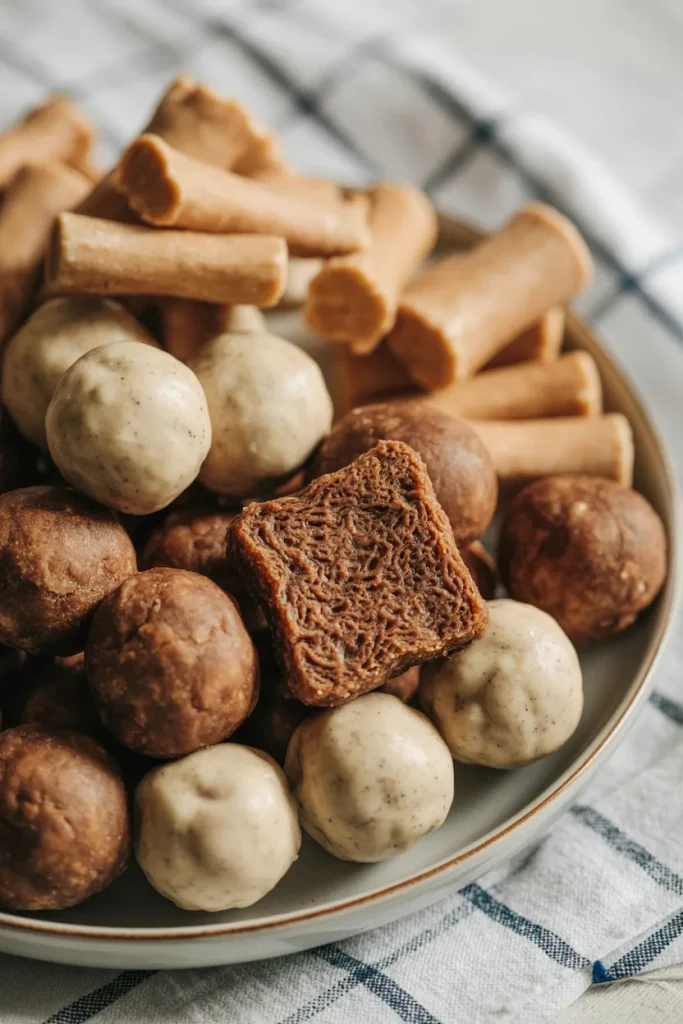
Sometimes I switch things up depending on my dog’s mood.
For training, I make tiny bite-sized pieces that are easy to use during sessions. Smaller treats help maintain focus without overfeeding.
If I want more texture, I roll them in crushed oats or freeze-dried meat. It adds variety without complicating the recipe.
I’ve also tried swapping pumpkin with mashed banana for a slightly sweeter taste. It works well, but I reduce water to keep the consistency right.
Can I use crunchy peanut butter?
Yes, I’ve tried it and it works well. It adds extra texture that many dogs enjoy.
I just make sure it’s still unsweetened and xylitol-free. If the chunks make rolling harder, I blend the mixture slightly.
How many treats can my dog have per day?
I follow the general guideline that treats should be no more than 10% of daily calories.
For example, a 30-pound dog usually needs around 600–900 calories daily, so treats should stay within 60–90 calories. That usually means 1–3 small balls.
Can I bake these?
Yes, I sometimes bake them at 165°C (325°F) for about 12–15 minutes.
They come out firmer and slightly crunchy, which also helps them last longer.
Are these safe for puppies?
I’ve given these in very small amounts to puppies, and they worked fine.
The key is to introduce slowly and keep portions tiny since puppies have sensitive digestion.
My dog is allergic to peanuts. What’s a substitute?
I use almond butter or sunflower seed butter instead. Both work well as long as they’re unsweetened.
Sometimes I adjust oats or water slightly to get the right texture.
Can I use steel-cut oats?
I avoid steel-cut oats for this recipe.
They stay too hard and don’t soften properly, which makes them unsafe and uncomfortable for dogs to chew.
Do humans eat these?
Technically yes, since all ingredients are human-grade.
But honestly, they’re pretty bland. I’ve tried one out of curiosity—not great, but not terrible either.
In Conclusion
I keep coming back to this recipe because it’s simple and reliable. In just a few minutes, I get a batch of healthy treats that my dog genuinely loves.
It saves money, improves training consistency, and removes the guesswork from store-bought options. For me, it’s one of the easiest upgrades I’ve made in my dog’s routine.
And the best part? My dog now sits the moment I walk into the kitchen—before I even ask.


