How to Train An Irish Wolfhound: A Complete Guide for Gentle Giants
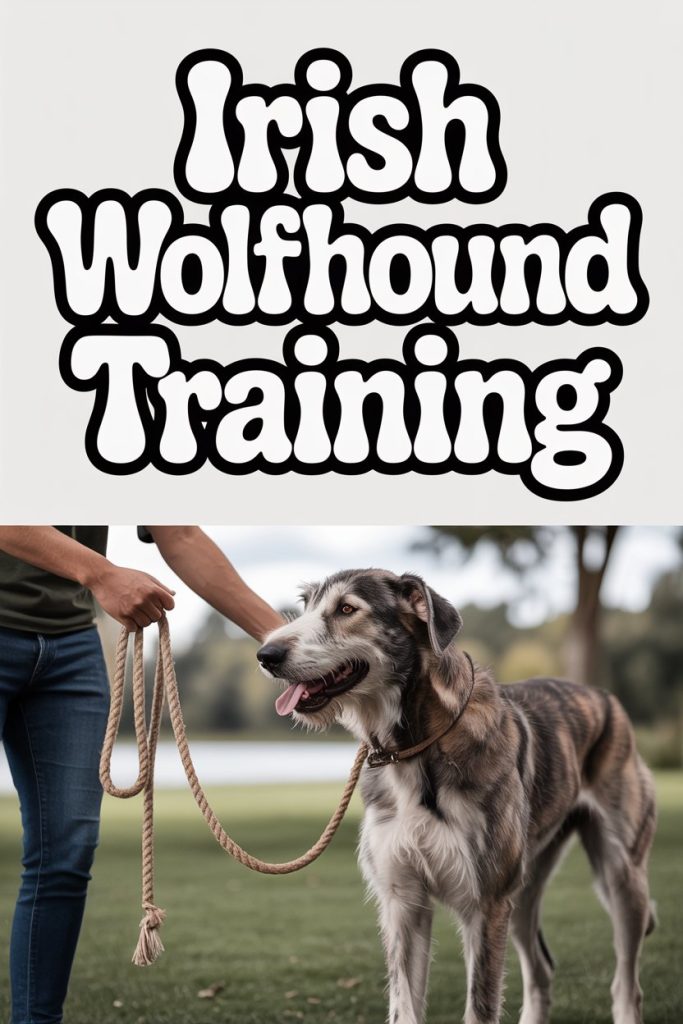
Training an Irish Wolfhound is a special experience. These dogs are the tallest breed, but their size doesn’t mean they are aggressive. Irish Wolfhounds are known for being gentle and calm. Training them takes patience, understanding, and consistency.
It’s important to focus on respect and building trust because these dogs respond best when they feel safe and confident with their trainer.
Start Early: The Sooner, The Better
Irish Wolfhounds grow very quickly. A small puppy can turn into a giant dog in just a few months. Starting training early makes it easier to teach good habits before they become too large to manage. Basic commands like “sit,” “stay,” and “come” should be taught from the beginning.
Early socialization is also key. Introducing your Wolfhound to different people, animals, and environments while they are still young helps them grow into well-behaved adults. Training a Wolfhound early sets the foundation for a lifetime of good behavior.
Be Gentle but Firm: They’re Sensitive Souls
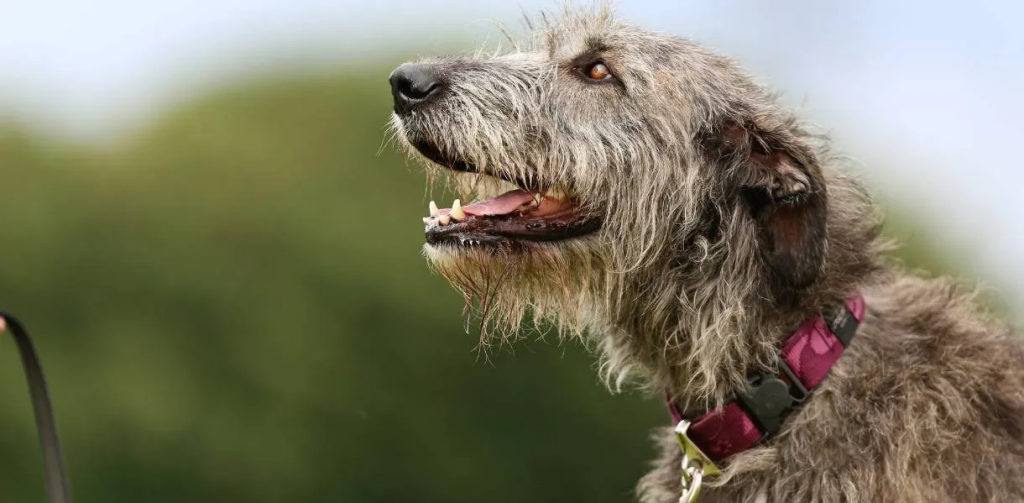
Despite their size, Irish Wolfhounds are sensitive dogs. Harsh training methods do not work and can make them anxious. It is important to be gentle but firm. When you Train An Irish Wolfhound at You, use a calm and reassuring tone. These dogs can sense your emotions, so staying calm helps them feel safe.
Positive reinforcement with praise, treats, and gentle affection encourages good behavior. They are intelligent and capable learners, but trust and patience are necessary. Being consistent and clear with expectations is the key to successful training.
Focus on Socialization: Bigger Dogs, Bigger Challenges
Socialization is very important for Irish Wolfhounds because of their size. A dog that is not well-socialized can be intimidating or fearful around other dogs and people. Introducing them to different situations, places, and people helps them behave confidently and calmly.
Regular exposure to new experiences is important even for adult Wolfhounds. A well-socialized dog is happier, more relaxed, and easier to manage. Socialization also supports overall training, making it a critical part of teaching your Wolfhound to behave well in any environment.
Exercise Is a Must: Big Dogs Need to Move
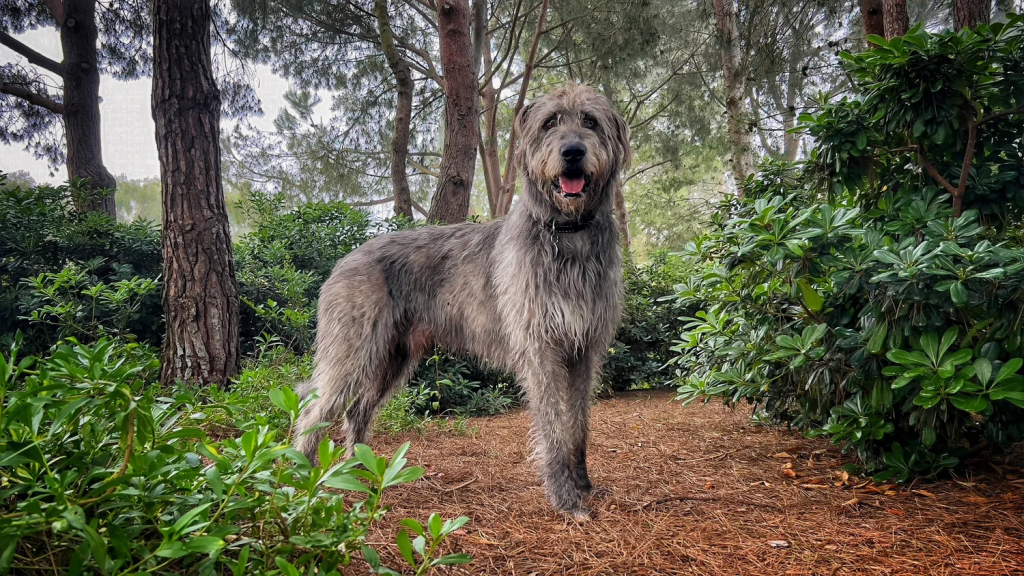
Irish Wolfhounds are not lazy dogs. They need daily physical activity to stay healthy, but they don’t need intense workouts. Long walks, light jogging, and playtime in a safe space are enough to keep them happy and fit.
Puppies, especially, should avoid strenuous exercise because their bones and joints are still developing. Moderate, controlled activity helps them burn off energy and strengthens their body safely. Regular exercise also makes training easier because a tired dog is calmer and more focused.
Positive Reinforcement: The Only Way to Go
Positive reinforcement is essential when training Irish Wolfhounds. These dogs are eager to please but do not respond well to harsh corrections. Using treats, praise, and affection builds trust and makes learning enjoyable.
Rewarding your dog immediately after they follow a command helps reinforce good behavior. Treats should be balanced with toys or extra playtime to avoid weight gain. Your tone of voice and body language are just as important as the reward itself. A happy and encouraging approach leads to better results and a stronger bond.
Final Thoughts: Training a Gentle Giant Takes Time
Training an Irish Wolfhound is not a quick process. These dogs require patience, consistency, and understanding of their gentle nature. By starting early, being gentle but firm, focusing on socialization, providing exercise, and using positive reinforcement, you can train your Wolfhound successfully.
Remember, training a dog of this size is a marathon, not a sprint. Take your time, enjoy the process, and appreciate the bond you are building with your gentle giant. With the right approach, your Irish Wolfhound will become a loyal, well-behaved, and loving companion.